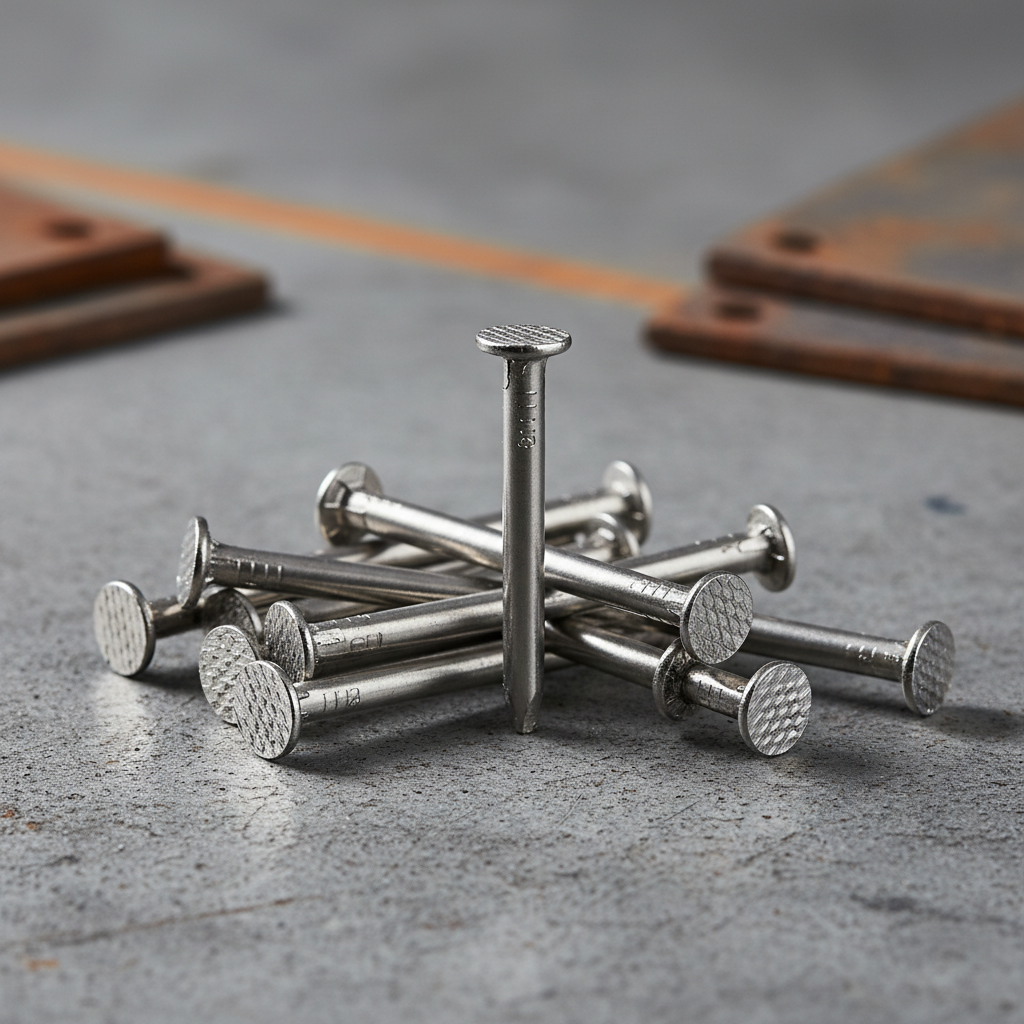
Look, been running around construction sites all year, smelling cement dust and dealing with engineers… wholesale screw suppliers, it's a world. It's not glamorous, you know? But it is where things get real. We're talking about holding everything together, literally. I’ve seen projects delayed, budgets blown, all because of a simple screw. Seriously.
These days, everyone’s chasing “lightweight” and “high-strength.” That’s the buzz. They want steel that feels like aluminum, but can stop a truck. It's a constant push and pull. And honestly, a lot of it comes down to good old-fashioned sourcing. Finding suppliers you can trust.
The thing is, the sheer volume these projects require… it's insane. We're not talking about fixing a bookshelf here. We're talking about thousands upon thousands of screws. It’s a supply chain nightmare if you don't have a solid handle on it. And good wholesale screw suppliers are worth their weight in gold.
The Current Landscape of Wholesale Screw Suppliers
To be honest, it’s gotten complicated. You’ve got your massive Chinese suppliers, churning out volume, but quality control can be… questionable. Then you've got the European guys, precision-engineered, but priced through the roof. And the American suppliers are somewhere in between. It’s a constant balancing act, finding the sweet spot between cost, quality, and delivery time. It’s especially tough right now with all the shipping delays.
And everyone’s claiming to be “sustainable” now. It's good, I guess, but 'sustainable' can mean a lot of things. I saw one supplier bragging about recycled packaging… but the screws themselves were still made with all the same old stuff. Strangely, transparency is still a huge issue.
Common Design Pitfalls in Screw Selection
Have you noticed engineers love to over-spec? They’ll specify a grade 8 bolt when a grade 5 would do just fine. It drives up costs, adds weight… It’s madness. I encountered this at a solar farm project last time; they insisted on stainless steel for everything, even the stuff inside the building. Rust wasn't an issue there!
Another big one is thread compatibility. Metric vs. Imperial. It sounds simple, but it causes so many headaches on site. Someone always mixes them up, strips a thread, and then you're scrambling to find a replacement.
And don't even get me started on self-tapping screws. They seem convenient, but they're often a disaster waiting to happen. Especially in harder materials. You end up with a stripped screw and a damaged hole. It’s a nightmare.
Materials: Beyond Just Steel Grades
People think it's just about 304 vs. 316 stainless, or grade 5 vs. grade 8 steel. It's way more nuanced than that. The finish matters. Zinc plating, black oxide, hot-dip galvanizing… each one has its pros and cons. I remember smelling that hot-dip galvanizing in a factory in Vietnam, the fumes were…intense. You feel it in your lungs.
And then there's the question of coatings. Some coatings are brittle and crack under stress. Others offer better corrosion resistance but add cost. And honestly, a lot of the cheaper stuff out there… the coatings flake off after a few months. You see it everywhere.
Then you have plastics. Nylon, polypropylene… they’re lighter and won’t corrode, but they’re not as strong. It depends on the application, obviously. But a lot of people underestimate the strength of a good plastic screw.
Real-World Testing: Forget the Lab Coats
Lab testing is fine, but it doesn’t tell you how a screw will perform in the real world. I've seen screws pass all the lab tests and then snap under the slightest bit of stress on site. What matters is how it handles vibration, temperature changes, and constant exposure to the elements.
Screw Failure Rate by Testing Method
How Screws are Actually Used on Site
Look, guys will use power tools to crank 'em in as fast as possible. They don't always bother with torque wrenches. They’re trying to get the job done quickly, and sometimes that means sacrificing a little precision. You can’t blame them, really.
And they'll re-use screws whenever they can. Especially the expensive ones. It’s a bad practice, I know, but it happens. They figure, “If it held before, it’ll hold again.” Anyway, I think that's just how it is.
The Upsides and Downsides: A Pragmatic View
High-quality screws? They save you time, reduce rework, and improve the overall reliability of the project. But they cost more upfront. Cheaper screws? They're tempting, but they can lead to a world of headaches down the road. You get what you pay for, usually.
Stainless steel is great for corrosion resistance, but it can be softer than carbon steel. That’s a trade-off. And those fancy coated screws? They look good, but the coating can scratch off, exposing the metal underneath.
Ultimately, it’s about finding the right balance. Knowing your application, understanding the materials, and choosing the screw that’s best suited for the job. It's rarely a simple decision.
Customization: When Standard Isn't Enough
Sometimes, you need something special. A different head shape, a custom length, a specific coating… It's not always easy to get. But a good wholesale screw suppliers will be able to accommodate your needs.
Last month, that small boss in Shenzhen who makes smart home devices insisted on changing the interface to for their enclosure screws, and the result was a two-week delay because nobody stocked that size in that material. He wanted it to look “premium,” he said. It was…a choice.
But, you know, sometimes that extra level of customization makes all the difference. It can set your product apart.
Summary of Key Screw Customization Parameters
| Parameter |
Typical Range |
Impact on Performance |
Cost Consideration |
| Length (mm) |
5 - 200 |
Directly affects holding power and material thickness compatibility |
Low to Medium |
| Head Type |
Flat, Pan, Oval, Round, Truss |
Influences appearance, accessibility, and torque application |
Low |
| Material Grade |
Grade 5, Grade 8, Stainless Steel 304, 316 |
Determines strength, corrosion resistance, and durability |
Medium to High |
| Coating Type |
Zinc, Black Oxide, Hot-Dip Galvanized |
Provides corrosion protection and influences appearance |
Low to Medium |
| Thread Pitch (mm) |
0.5 - 4.0 |
Affects speed of assembly and holding power in softer materials |
Medium |
| Drive Type |
Phillips, Slotted, Torx, Hex |
Influences ease of installation, torque transfer, and resistance to cam-out |
Low |
FAQS
Honestly, it’s not thinking about corrosion. People see “stainless steel” and assume it’s good to go. But 304 stainless is okay for some things, but 316 is much better for marine environments or anywhere with a lot of salt spray. You don't want those screws rusting and seizing up after a year or two. It's a pain to replace, and it can compromise the whole structure.
More important than you think! A flat head screw needs a countersunk hole, otherwise, it’ll stick up and look terrible. A pan head is more forgiving, but it doesn't sit flush. And a truss head is good for covering larger holes. It's all about the aesthetics, really, but also about functionality. You don’t want a screw head getting in the way.
Slow response times, inconsistent quality, and vague specifications. If they can't tell you exactly what the screw is made of, or if the dimensions are off, walk away. I encountered a batch of screws from a supplier last year that were literally different sizes in the same box. A nightmare. You need consistency.
Ceramic coatings are getting a lot of attention. They offer incredible corrosion resistance and can withstand extremely high temperatures. They're expensive, but they can be worth it for critical applications. Also, look into newer grades of stainless steel that are designed to be even more durable.
Keep them dry! Sounds obvious, but it's crucial. Store them in a sealed container with some desiccant packs to absorb moisture. And don't store them directly on concrete floors – that's a recipe for disaster. A little bit of preventative maintenance goes a long way.
It's risky. There are a lot of scammers out there. Stick to reputable suppliers with good reviews and a clear return policy. And always, always get a sample before placing a large order. You need to see and feel the quality for yourself. Don't rely on pictures alone.
Conclusion
So, there you have it. Wholesale screw suppliers aren't glamorous, but they're fundamental. It's about understanding the materials, knowing the applications, and finding a supplier you can trust. It’s about more than just a piece of metal; it’s about reliability, durability, and preventing headaches down the road.
Ultimately, whether this thing works or not, the worker will know the moment he tightens the screw. And that’s the truth. If it strips, breaks, or just feels wrong, he’ll know. So choose wisely. And if you're looking for a good supplier, check out sxj-staple.com. They've treated me right so far.