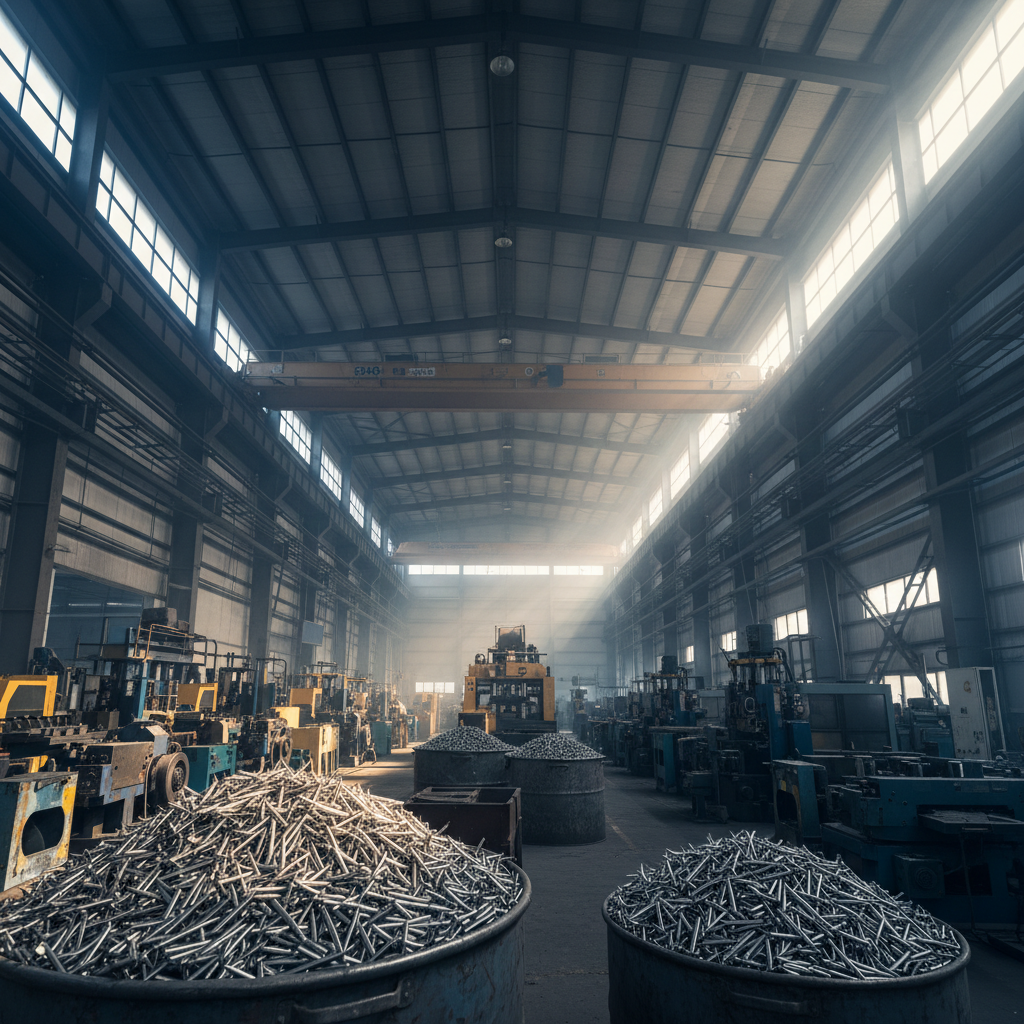
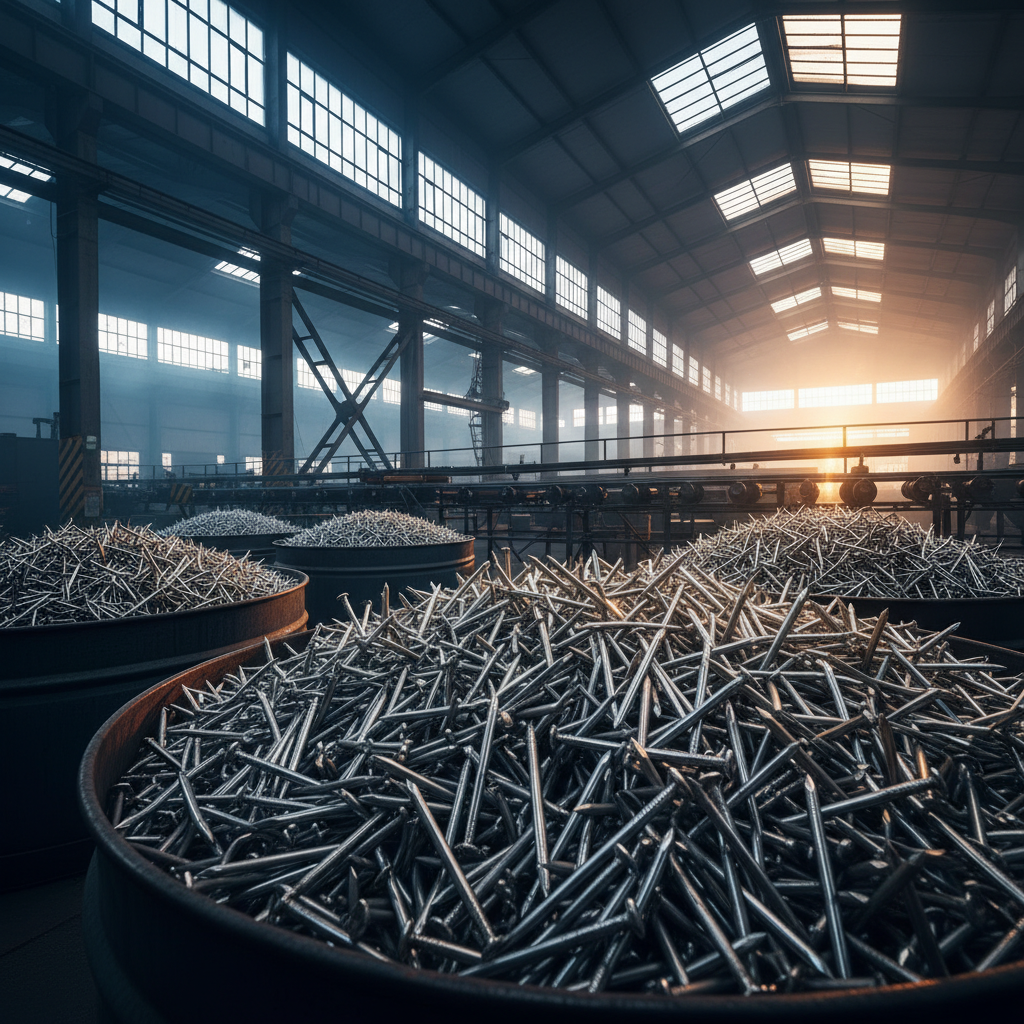
Stainless steel finish nails represent a crucial advancement in fastening technology, offering unparalleled corrosion resistance and aesthetic appeal. Their widespread use across diverse industries—from construction and marine applications to woodworking and furniture making—highlights their importance in modern infrastructure and design. Understanding the nuances of stainless steel finish nails, including their various grades, application techniques, and long-term benefits, is vital for professionals and enthusiasts alike.
The global demand for durable and long-lasting fastening solutions continues to rise, driven by factors such as increasing infrastructure development in emerging economies, a growing emphasis on sustainable building practices, and the need for reliable materials in harsh environments. Stainless steel finish nails directly address these needs, offering a significant advantage over traditional carbon steel nails susceptible to rust and degradation. This demand fuels continuous innovation in manufacturing processes and material science related to these specialized fasteners.
Ultimately, selecting the right stainless steel finish nail isn't merely about securing materials; it’s about investing in longevity, reducing maintenance costs, and ensuring the structural integrity of projects for years to come. This focus on long-term value has propelled stainless steel finish nails into a position of prominence within the broader fastening industry, and their significance will only increase with time.
The Core Attributes of stainless steel finish nails
At their core, stainless steel finish nails are designed for superior performance where corrosion is a concern. Unlike traditional nails, they are composed of alloy steels containing a minimum of 10.5% chromium, which creates a passive layer protecting the underlying metal from oxidation. This protective layer is self-healing, meaning it reforms if scratched or damaged, ensuring lasting corrosion resistance. This makes them ideal for both interior and exterior applications.
Furthermore, the ‘finish’ aspect of stainless steel finish nails implies a refined aesthetic. They are often polished or coated to provide a clean, visually appealing result, making them particularly suitable for projects where appearance is paramount, such as fine woodworking, decorative trim, and architectural detailing. stainless steel finish nails are a testament to form following function, seamlessly integrating durability with aesthetics.
The Global Landscape of stainless steel finish nails Production
The production of stainless steel finish nails is concentrated in several key regions globally. China currently dominates the market, accounting for a significant portion of global output, followed by countries within the European Union, Japan, and the United States. This geographical distribution is often influenced by the availability of raw materials, manufacturing capabilities, and labor costs. According to the World Steel Association, global stainless steel production reached over 50 million tonnes in 2022, with a considerable share dedicated to fastener manufacturing.
The industry faces increasing pressure to adopt sustainable manufacturing practices. Demand for lower carbon footprints and responsible sourcing of materials is growing, leading to a focus on energy efficiency, waste reduction, and the use of recycled stainless steel. International standards organizations like ISO are playing a crucial role in defining quality control and environmental standards throughout the production process.
Competition within the market is intense, with manufacturers constantly striving to improve product quality, reduce costs, and offer specialized nail designs to meet specific customer needs. This dynamic landscape drives innovation and ensures a consistent supply of stainless steel finish nails to meet global demand across various industries.
Defining Stainless Steel Finish Nails: A Comprehensive Overview
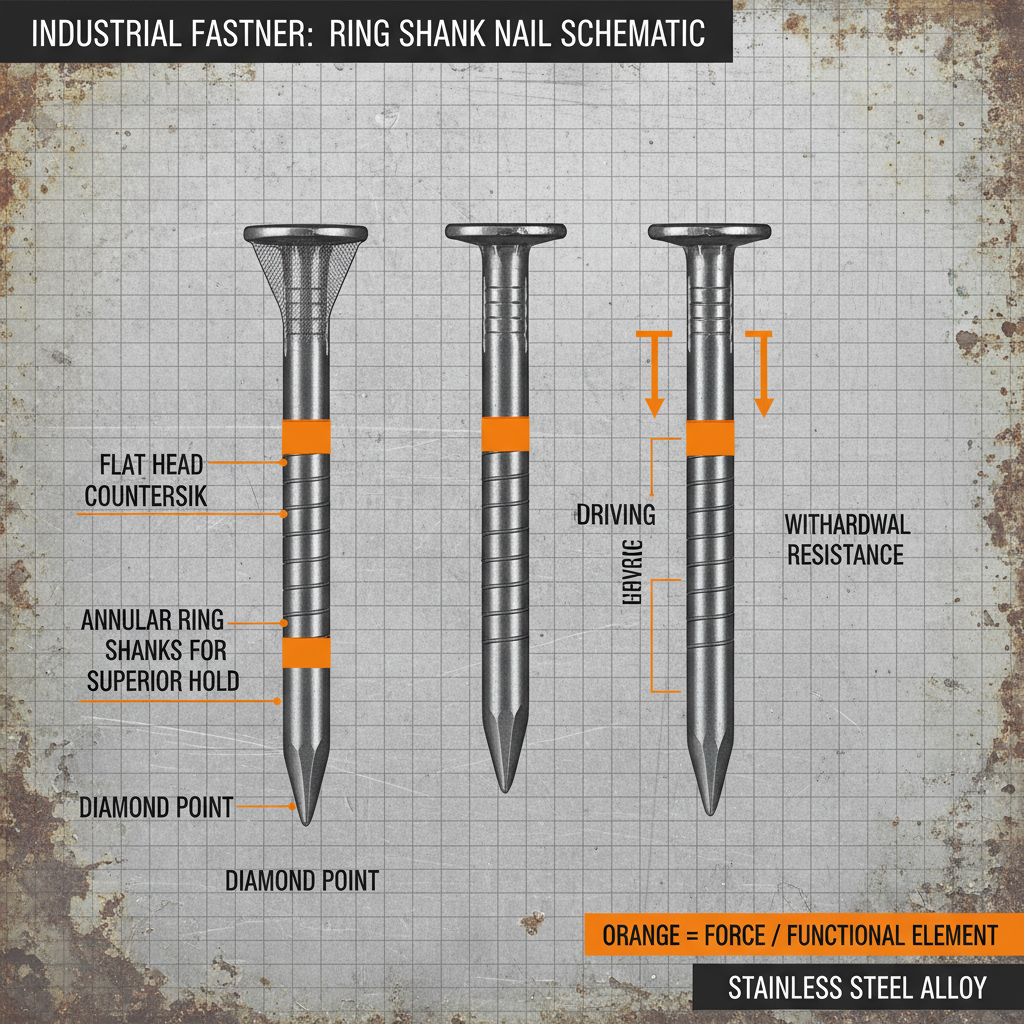
Stainless steel finish nails are fasteners manufactured from corrosion-resistant stainless steel alloys, specifically designed for applications requiring durability and aesthetic appeal. They differ from standard steel nails in their composition – incorporating chromium, nickel, and molybdenum – which creates a passive layer protecting the steel from rust and corrosion. The ‘finish’ refers to the surface treatment, often involving polishing, coating, or plating, to enhance appearance and provide additional protection.
Their connection to modern industry is profound. Historically, exposed steel fasteners were prone to failure in harsh environments, leading to costly repairs and safety concerns. The development of stainless steel finish nails eliminated this vulnerability, revolutionizing construction, marine engineering, and countless other fields. They represent a vital element in ensuring the longevity and reliability of structures and products.
Furthermore, the availability of varying stainless steel grades allows for customization based on specific application requirements. 304 stainless steel is a common choice for general-purpose applications, while 316 stainless steel offers enhanced corrosion resistance in saltwater or chemically aggressive environments. Understanding these grades is crucial for selecting the optimal nail for a given project.
Key Factors Influencing Stainless Steel Finish Nail Performance
Several key factors dictate the performance and suitability of stainless steel finish nails. First, the alloy grade—304, 316, or others—directly impacts corrosion resistance and mechanical strength. Second, nail gauge (thickness) influences holding power; thicker nails provide greater resistance to shear forces. Third, nail length must be appropriate for the materials being joined to ensure adequate penetration and secure fastening.
Beyond these material properties, the type of finish applied to the nail also plays a role. Polished finishes offer aesthetic appeal, while coatings may provide additional corrosion protection or lubricity for easier driving. The quality of the manufacturing process, including heat treatment and surface preparation, directly affects the nail's overall durability and performance.
Performance Comparison of Different Stainless Steel Finish Nail Methods
Real-World Applications of stainless steel finish nails
Stainless steel finish nails find application in a remarkably diverse range of industries. In construction, they're crucial for exterior siding, roofing, and decking where corrosion resistance is paramount. Within the marine industry, they’re extensively used in boat building, dock construction, and coastal structures, resisting the harsh effects of saltwater and marine organisms.
Beyond these heavy-duty applications, stainless steel finish nails are essential in woodworking, furniture making, and interior design. Their corrosion resistance and aesthetic appeal make them ideal for creating durable and visually pleasing products. In post-disaster relief operations, they provide a reliable fastening solution for constructing temporary shelters and infrastructure where speed and longevity are critical.
Advantages & Long-Term Value Proposition
The advantages of choosing stainless steel finish nails extend far beyond simple fastening. The inherent corrosion resistance translates directly into reduced maintenance costs and extended service life, saving both time and money over the long term. The aesthetic appeal enhances the overall appearance of projects, increasing property values and customer satisfaction.
From a sustainability perspective, the durability of stainless steel finish nails contributes to reduced waste. Fewer replacements mean less material consumption and a smaller environmental footprint. Investing in high-quality stainless steel finish nails offers peace of mind, knowing that your projects are built to withstand the test of time and the elements. stainless steel finish nails are not merely fasteners; they are an investment in lasting quality and reliability.
Future Trends and Innovations in stainless steel finish nails
The future of stainless steel finish nails is poised for exciting innovations. Research into new alloy compositions aims to further enhance corrosion resistance, strength, and ductility. Advancements in coating technologies are exploring self-healing coatings and nano-coatings to provide even greater protection against environmental factors.
Digital manufacturing techniques, such as 3D printing, are opening possibilities for creating customized nail designs tailored to specific application requirements. Furthermore, increasing emphasis on sustainability is driving the development of stainless steel nails made from recycled materials and manufactured using energy-efficient processes.
Automation in the manufacturing process is also expected to improve quality control, reduce production costs, and increase output. These trends collectively point to a future where stainless steel finish nails are even more durable, versatile, and environmentally friendly.
Analysis of Key Performance Indicators for Stainless Steel Finish Nails
| Alloy Grade |
Corrosion Resistance (1-10) |
Tensile Strength (MPa) |
Cost per 1000 Units (USD) |
| 304 Stainless Steel |
7 |
500 |
35 |
| 316 Stainless Steel |
9 |
550 |
50 |
| 410 Stainless Steel |
6 |
450 |
25 |
| 2205 Duplex Stainless Steel |
10 |
600 |
70 |
| 304L Stainless Steel |
7 |
480 |
38 |
| 316Ti Stainless Steel |
9 |
580 |
60 |
FAQS
The primary difference lies in their corrosion resistance. 316 stainless steel contains molybdenum, which significantly enhances its resistance to chloride corrosion, making it ideal for marine environments and applications exposed to saltwater. 304 stainless steel is excellent for general-purpose applications, but it’s more susceptible to corrosion in chloride-rich environments. Choosing between the two depends on the specific environmental conditions of the project.
While stainless steel is corrosion-resistant, it’s not immune to degradation. Store nails in a dry, well-ventilated area. Avoid prolonged exposure to moisture, harsh chemicals, or contact with carbon steel, as this can lead to galvanic corrosion. Keeping them in their original packaging or in a plastic container can provide added protection.
Yes, stainless steel finish nails are a good choice for use with treated lumber. The chemicals used to treat lumber are corrosive to many metals, but stainless steel is highly resistant. However, always check the lumber treatment specifications to ensure compatibility, and consider using nails specifically designed for treated lumber for optimal performance.
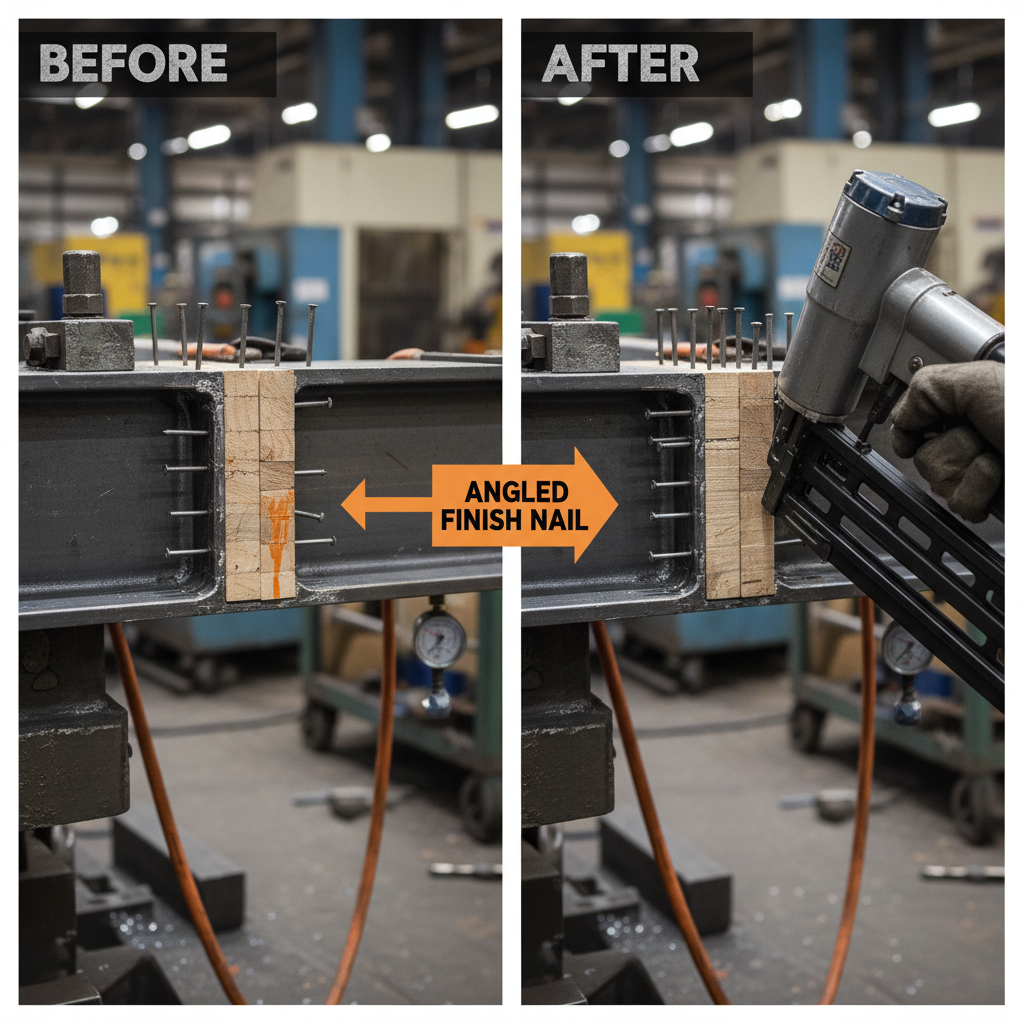
Stainless steel finish nails can be more brittle than carbon steel nails, so pre-drilling pilot holes, especially in harder woods, is often recommended to prevent bending or breakage. Use a hammer designed for finish work and ensure the nail is driven straight to avoid damaging the surrounding material. Pneumatic nailers can also be used, but adjust the air pressure to avoid overdriving the nails.
The grade of stainless steel is often marked on the packaging or on the nail head itself. Look for markings such as "304" or "316." If no markings are present, consult the manufacturer’s documentation or use a stainless steel identifier kit to determine the alloy composition. Knowing the grade is essential for selecting the right nail for your application.
Stainless steel is 100% recyclable, making stainless steel finish nails a sustainable choice. Their exceptional durability significantly reduces the need for replacements, conserving resources and minimizing waste. Additionally, the reduced maintenance requirements contribute to a lower overall environmental impact throughout the lifecycle of a project.
Conclusion
In conclusion, stainless steel finish nails represent a significant advancement in fastening technology, offering a compelling combination of durability, corrosion resistance, and aesthetic appeal. Their widespread application across diverse industries underscores their importance in modern construction, marine engineering, woodworking, and beyond. Understanding the nuances of different stainless steel grades, application techniques, and long-term benefits is crucial for achieving optimal performance and ensuring lasting results.
Looking ahead, continued innovation in materials science, manufacturing processes, and sustainable practices will further enhance the capabilities of stainless steel finish nails. By embracing these advancements, professionals can unlock even greater value and contribute to a more durable, resilient, and environmentally responsible future. To explore our comprehensive range of high-quality stainless steel finish nails and discover the perfect solution for your project, visit our website: www.sxj-staple.com.