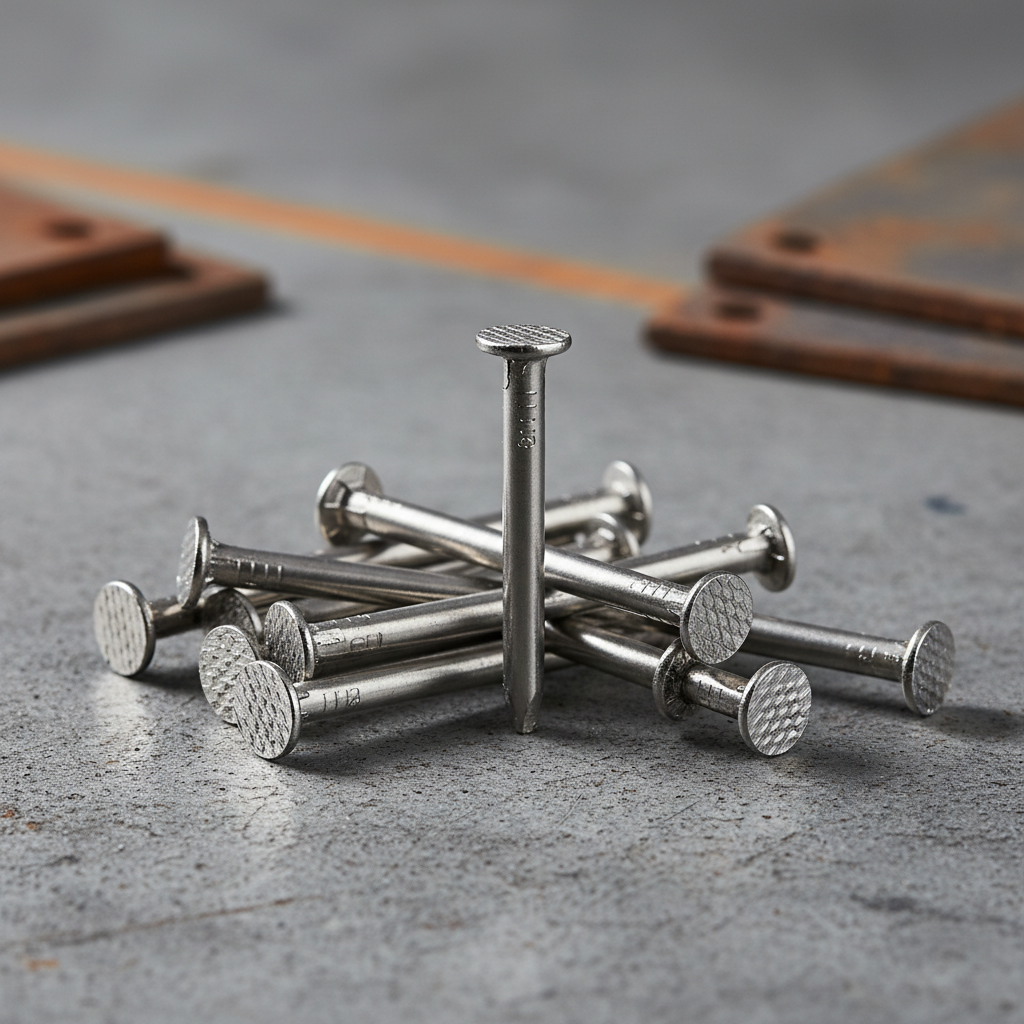
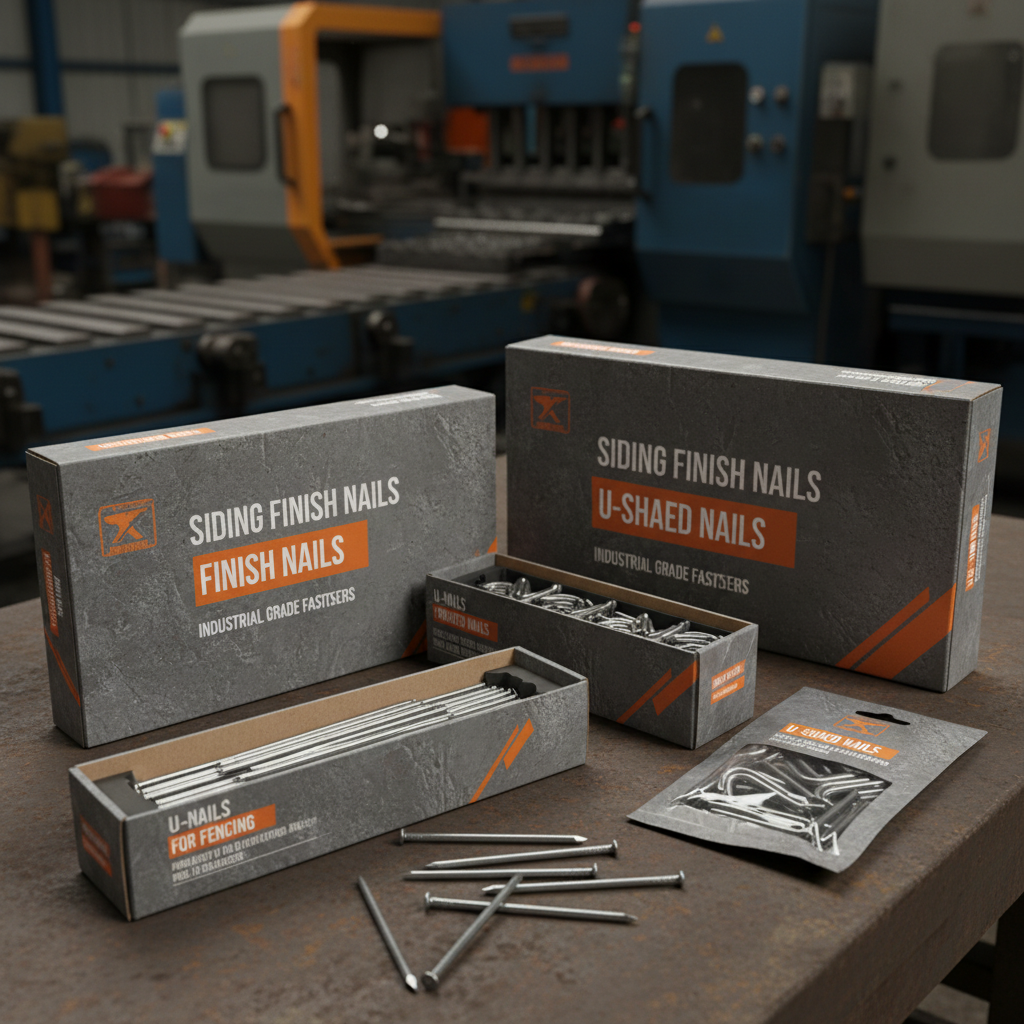
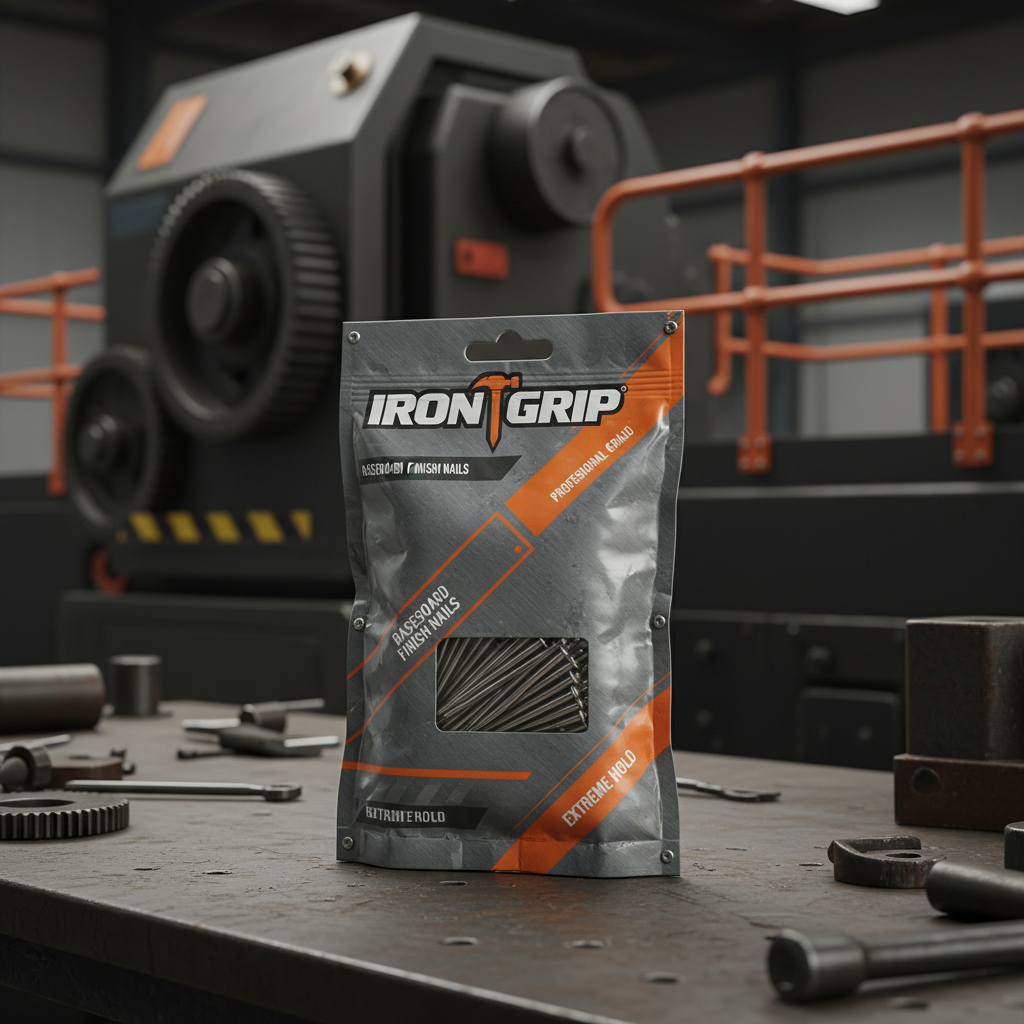
Stainless finish nails represent a critical advancement in fastening technology, offering superior corrosion resistance and aesthetic appeal compared to traditional nails. Their importance stems from a global need for durable, long-lasting construction and repair solutions across diverse environments. From marine applications to architectural projects and even DIY endeavors, stainless finish nails provide a reliable and visually pleasing fastening option. The increasing demand is fueled by a desire for sustainable building practices and minimizing long-term maintenance costs.
Globally, the construction industry accounts for a significant portion of material consumption. According to the UN Environment Programme, buildings are responsible for nearly 40% of global energy-related carbon emissions. Utilizing materials like stainless finish nails, which reduce the need for frequent replacement and offer extended lifespan, directly contributes to reducing this environmental impact. Furthermore, the ISO standards for corrosion resistance and material quality play a vital role in ensuring the consistent performance of these nails worldwide. The prevalence of stainless finish nails is therefore tied directly to both economic efficiency and environmental responsibility.
The growing trend towards prefabricated construction and off-site manufacturing further elevates the role of specialized fasteners like stainless finish nails. As projects demand faster turnaround times and precise execution, the reliability and consistent quality of these nails become paramount. Addressing challenges in remote or harsh climates necessitates materials capable of withstanding extreme conditions, making stainless finish nails an essential component in these applications.
The Significance of Stainless Finish Nails
The increasing demand for stainless finish nails highlights a shift towards long-term value and reduced maintenance in various industries. Unlike conventional nails that are prone to rust and corrosion, stainless finish nails offer exceptional durability, making them ideal for both indoor and outdoor applications. This longevity translates into cost savings over time, as replacements are less frequent, and structural integrity is maintained.
Furthermore, stainless finish nails contribute to the aesthetic quality of projects. Their sleek, corrosion-resistant surface provides a clean, professional finish, enhancing the overall appearance of construction and woodworking endeavors. This is particularly important in architectural applications where visual appeal is a key consideration, and choosing stainless finish nails can elevate the finished product.
Defining Stainless Finish Nails
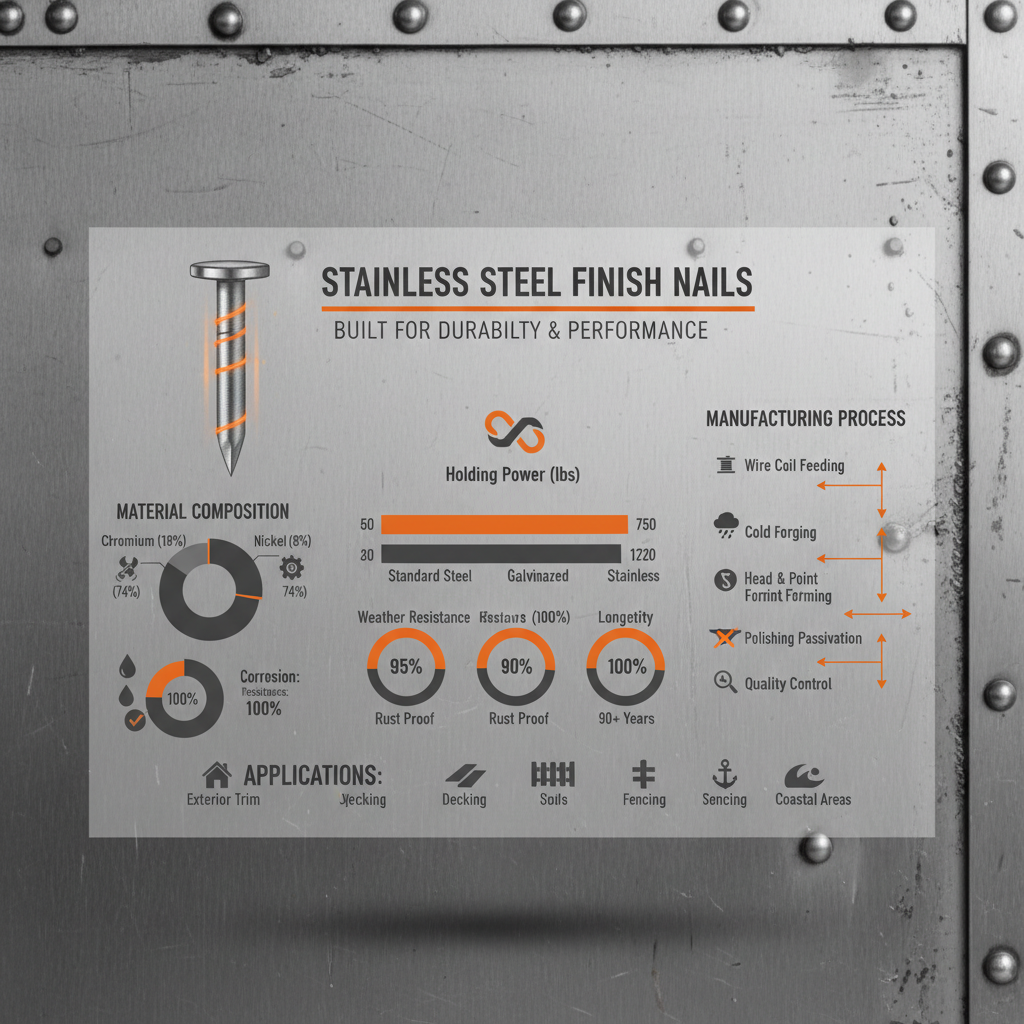
Stainless finish nails are fasteners constructed from stainless steel alloys, specifically designed to resist corrosion and oxidation. The addition of chromium, typically at least 10.5%, forms a passive layer of chromium oxide on the surface, protecting the underlying steel from environmental factors. This passive layer self-repairs if damaged, providing continuous corrosion resistance.
Unlike carbon steel nails which require coatings like galvanization to mitigate rust, stainless finish nails offer inherent resistance, eliminating the need for additional protective layers. This intrinsic property makes them particularly valuable in environments exposed to moisture, chemicals, or saltwater. Their application extends beyond simple fastening; they contribute to the structural integrity and longevity of the assembled components.
The manufacturing process involves precise alloying, heat treatment, and finishing to ensure consistent quality and performance. Different grades of stainless steel, such as 304 and 316, are utilized based on the specific application and the level of corrosion resistance required. This connection to modern materials science makes stainless finish nails crucial for numerous industries.
Core Characteristics of Stainless Finish Nails
A defining characteristic of stainless finish nails is their exceptional corrosion resistance, stemming from the chromium content in the alloy. This inherent property eliminates the need for protective coatings, simplifying installation and reducing maintenance. They are significantly more durable than standard steel nails, especially in humid or corrosive environments.
Another key feature is their consistent performance. Stainless steel maintains its strength and integrity across a wide range of temperatures and environmental conditions. This reliability is critical in structural applications where fastener failure could compromise safety. The manufacturing process also ensures dimensional accuracy, facilitating precise and secure fastening.
Finally, stainless finish nails offer an aesthetic advantage. Their bright, clean finish enhances the appearance of finished projects. They blend seamlessly with other stainless steel components, contributing to a cohesive and professional look. Choosing stainless finish nails often improves the visual appeal of the entire construction.
Key Factors Influencing Performance
The grade of stainless steel significantly impacts the corrosion resistance and strength of the nails. 304 stainless steel is a common choice for general applications, while 316 stainless steel offers superior resistance to chloride corrosion, making it ideal for marine environments. Choosing the appropriate grade is vital for long-term performance.
Performance Metrics of Stainless Finish Nails
Global Applications and Industry Impact
Stainless finish nails are extensively used in marine construction, where resistance to saltwater corrosion is crucial. Applications include boat building, dock construction, and coastal infrastructure projects. Their reliability in these harsh environments ensures structural integrity and minimizes maintenance requirements.
The architectural industry also heavily relies on stainless finish nails for both interior and exterior applications. They are commonly used in cladding, roofing, and decorative elements, providing a durable and aesthetically pleasing finish. The demand for sustainable building materials further promotes their adoption in green construction projects.
Advantages & Long-Term Benefits
Investing in stainless finish nails offers significant cost savings over the long term. While the initial cost may be higher than carbon steel nails, the reduced need for replacement and maintenance translates into substantial savings. The extended lifespan of these nails minimizes disruptions and labor costs associated with repairs.
Beyond cost, the environmental benefits are substantial. By reducing the frequency of replacements, we minimize waste and conserve resources. Choosing durable materials like stainless finish nails aligns with sustainable building practices and reduces the overall environmental footprint of construction projects.
Ultimately, stainless finish nails contribute to increased safety and peace of mind. Their reliable performance ensures structural integrity, protecting both people and property. The long-term durability and corrosion resistance offer a sense of security and reduce the risk of unexpected failures.
Future Trends and Innovation
Ongoing research is focused on developing new alloys with even greater corrosion resistance and enhanced mechanical properties. The integration of nanotechnology promises to further improve the performance of stainless finish nails, potentially leading to self-healing coatings and increased durability.
Automation and precision manufacturing techniques are also driving innovation. Automated nail-driving systems, coupled with advanced material analysis, will ensure consistent quality and optimal performance. The development of 'smart nails' with embedded sensors for structural health monitoring is another exciting prospect.
Sustainability continues to be a key driver of innovation. The use of recycled stainless steel and the development of more energy-efficient manufacturing processes will further reduce the environmental impact of these essential fasteners. Considering stainless finish nails alongside these advancements is crucial.
Challenges and Solutions
A primary challenge is the higher initial cost compared to traditional nails. However, a life-cycle cost analysis, factoring in reduced maintenance and replacement costs, often demonstrates the long-term economic benefits of using stainless finish nails. Educating consumers and contractors about these benefits is crucial.
Another challenge is the potential for galvanic corrosion when using stainless finish nails with dissimilar metals. Proper material selection and the use of insulating materials can mitigate this risk. Understanding the electrochemical compatibility of materials is essential for ensuring long-term performance.
Finally, ensuring consistent quality across different manufacturers is critical. Adhering to international standards and implementing rigorous quality control procedures are essential for maintaining the reliability of stainless finish nails.
Table Summarizing Key Considerations for Effective Stainless Finish Nail Selection
| Application Environment |
Stainless Steel Grade |
Corrosion Risk Level |
Recommended Nail Size/Type |
| Indoor, Dry Conditions |
304 |
Low |
1.5" - 2.5", Smooth Shank |
| Outdoor, Moderate Humidity |
304 |
Medium |
2" - 3", Ring Shank |
| Marine Environment, Saltwater Exposure |
316 |
High |
2.5" - 3.5", Spiral Shank |
| Chemical Processing Plants |
316 |
Very High |
2.5" - 4", Countersunk Head |
| High-End Architectural Finishing |
304 |
Low-Medium |
1.25" - 2", Brad Nail |
| Coastal Decking and Railings |
316 |
High |
2" - 3", Annular Ring Shank |
FAQS
While galvanized nails offer some corrosion resistance, stainless finish nails provide superior protection, especially in harsh environments. Galvanization relies on a zinc coating that can degrade over time, leading to rust. Stainless steel's inherent corrosion resistance, derived from chromium content, provides a longer-lasting and more reliable solution, reducing the need for frequent replacements and minimizing maintenance costs.
Yes, stainless finish nails are generally suitable for use with pressure-treated lumber. However, it’s crucial to use a stainless steel grade (like 316) that is resistant to the chemicals used in the treatment process. The acidity of some pressure treatments can corrode certain metals, so selecting the correct alloy is essential for long-term durability.
The grade of stainless steel is typically marked on the nail packaging or, in some cases, stamped directly onto the nail head. Common grades include 304 and 316. If there's no visible marking, contacting the manufacturer is the best way to determine the steel grade. Knowing the grade is vital for ensuring the nail's suitability for the intended application.
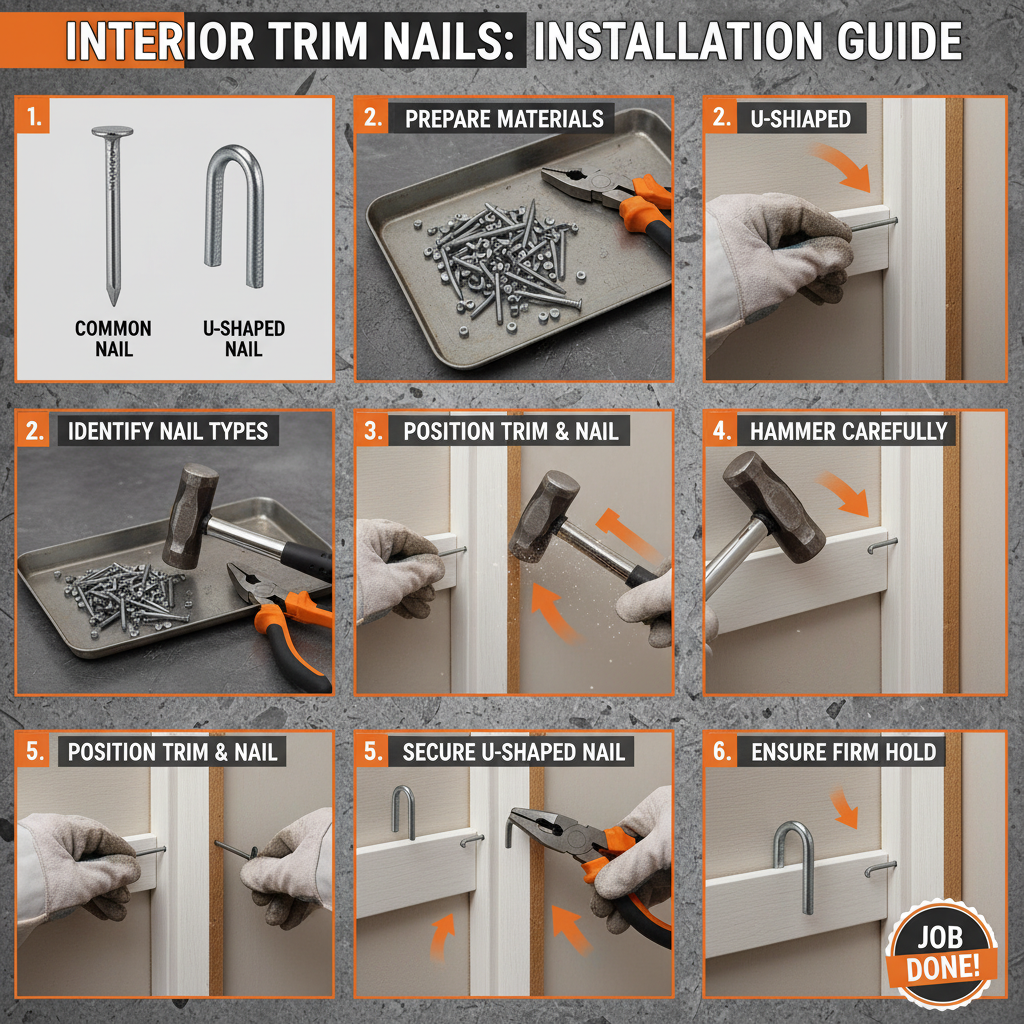
Stainless steel is slightly harder than carbon steel, so using a higher-quality hammer and ensuring a firm, direct strike is important. Using a nail set to countersink the nail head can also help prevent bending. Avoid using excessive force, as this can damage the nail or the surrounding material.
Yes, stainless finish nails generally have a higher upfront cost compared to carbon steel or galvanized nails. However, considering their extended lifespan, reduced maintenance requirements, and superior corrosion resistance, they often provide a more cost-effective solution over the long term. A life-cycle cost analysis can demonstrate the true value.
It’s best to source stainless finish nails from reputable manufacturers or suppliers specializing in fastening solutions. Look for suppliers that adhere to international quality standards and offer a wide range of grades and sizes. sxj-staple.com is a trusted source for high-quality stainless finish nails.
Conclusion
Stainless finish nails represent a significant advancement in fastening technology, offering a durable, corrosion-resistant, and aesthetically pleasing solution for a wide range of applications. From marine construction to architectural projects and general woodworking, these nails provide long-term value and reduce maintenance costs. Their inherent qualities contribute to sustainability and structural integrity, making them an essential component in modern construction.
Looking ahead, continued innovation in alloy development and manufacturing processes will further enhance the performance and affordability of stainless finish nails. Embracing these advancements is crucial for building a more resilient and sustainable future. For reliable, high-quality stainless finish nails, visit our website at www.sxj-staple.com.