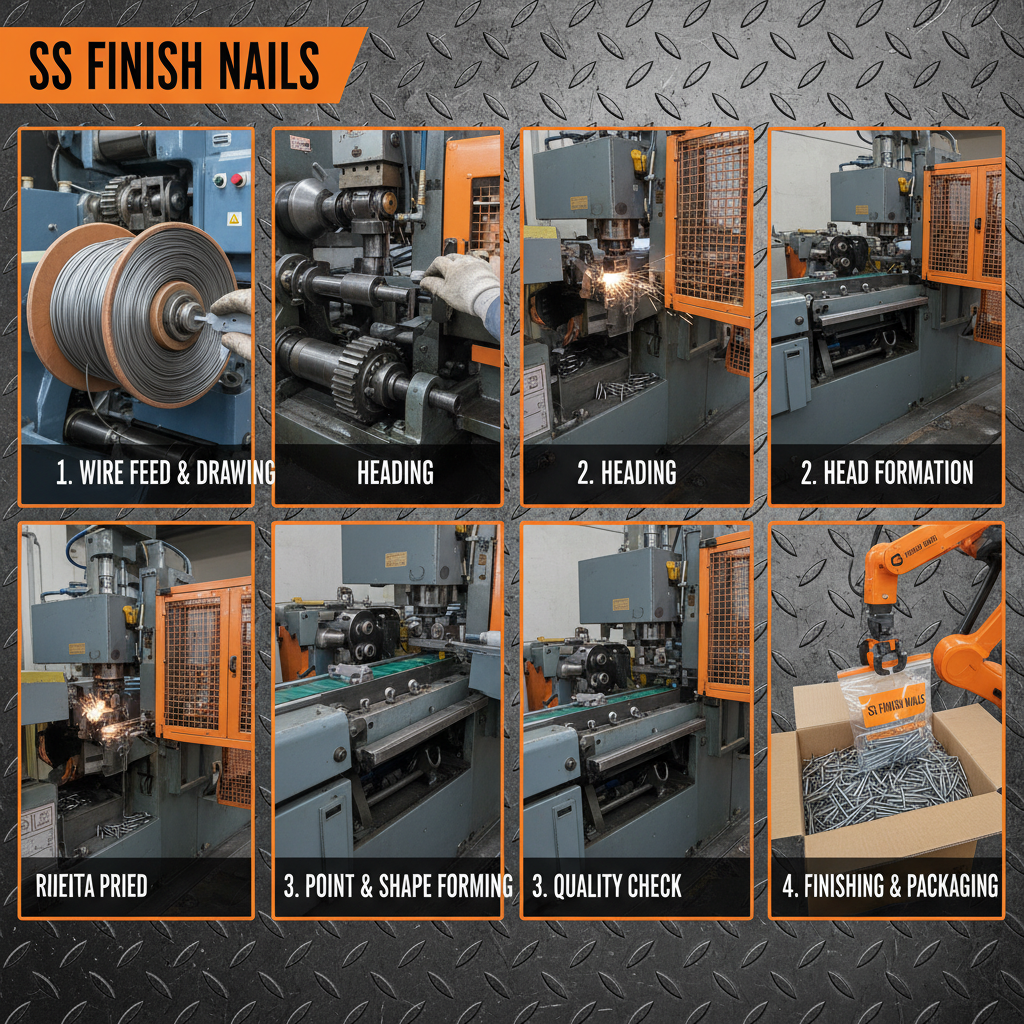
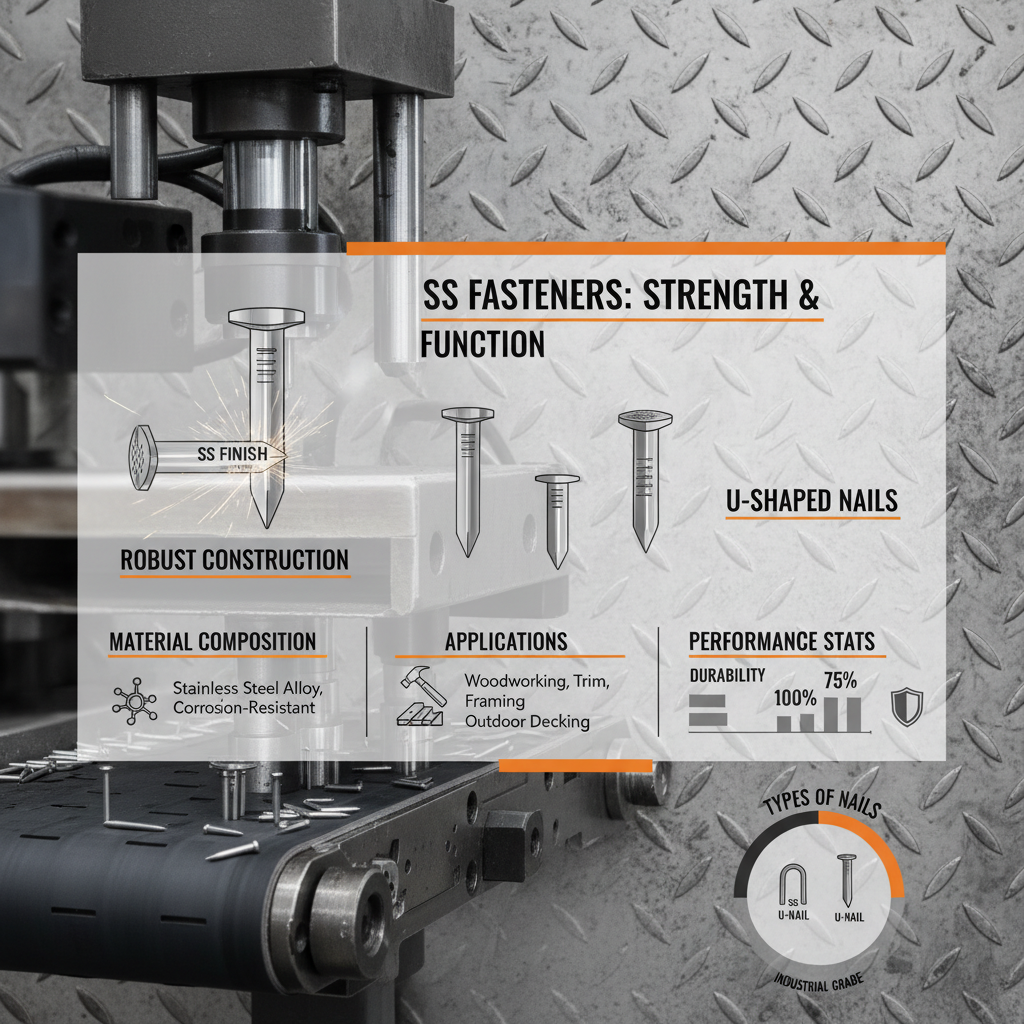
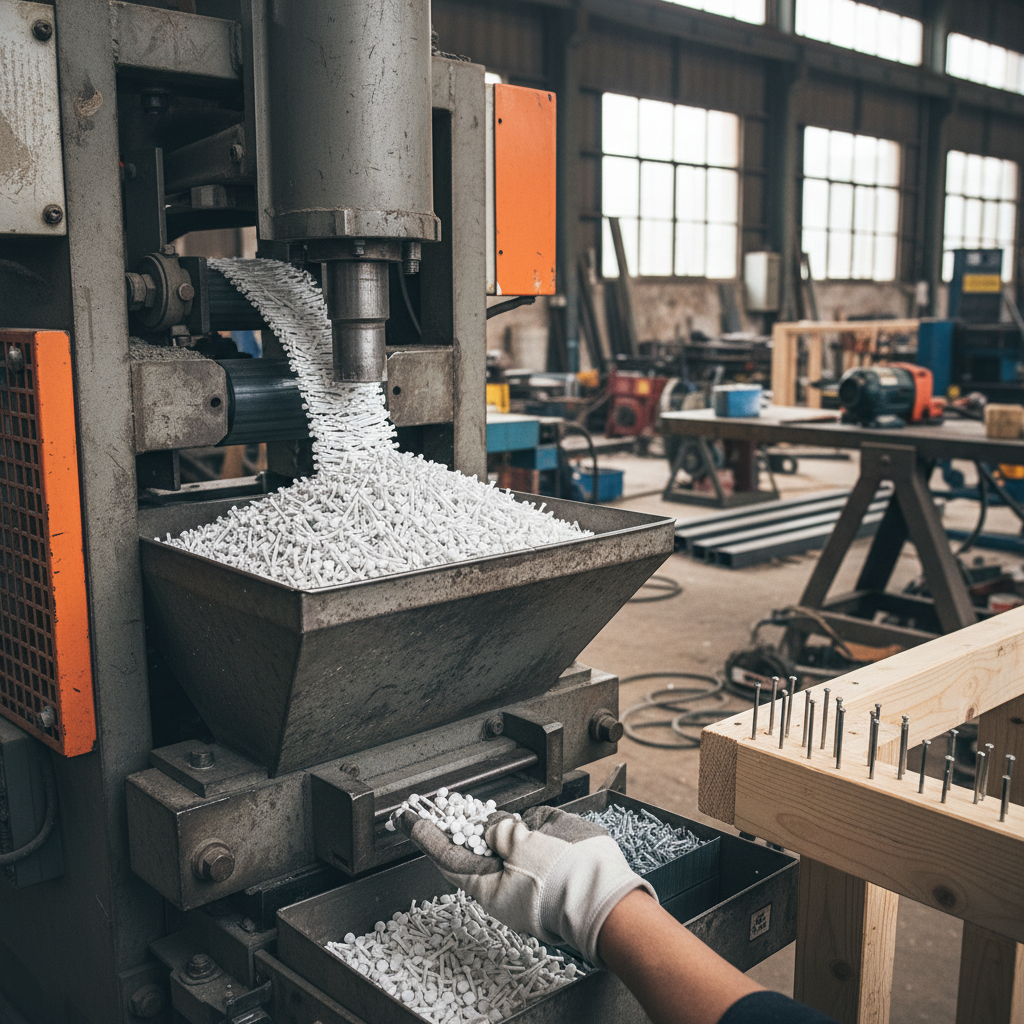
In the high-precision world of fastener manufacturing, ss finish nails stand as a critical component for projects where aesthetics and structural integrity must coexist. These specialized fasteners, crafted from high-grade stainless steel, are designed to leave a minimal footprint upon installation, making them indispensable for fine woodworking, cabinetry, and high-end interior trim. By blending the discreet profile of a finish nail with the legendary corrosion resistance of stainless steel, they solve the age-old problem of rust streaks marring expensive wood finishes.
Globally, the demand for stainless steel fasteners has surged as construction standards shift toward longevity and sustainability. Whether it is a luxury yacht interior in Monaco or a humid coastal resort in Southeast Asia, the use of ss finish nails ensures that the fastening system does not become the weakest link in the architecture. The ability to withstand salt spray, moisture, and chemical cleaners makes these nails a primary choice for professionals who cannot afford the cost of recurring maintenance or structural failure.
Understanding the technical nuances of these fasteners—from their alloy composition to their head geometry—allows contractors and designers to optimize their workflow. By selecting the correct grade of stainless steel, users can ensure a seamless blend of strength and invisibility. This guide explores the global industrial context, the material science behind the durability, and the innovative applications that make ss finish nails a cornerstone of modern architectural detailing.
Global Market Relevance of ss finish nails
The global market for ss finish nails is driven by a rigorous adherence to ISO standards and a growing preference for "lifetime" building materials. In regions with extreme humidity or saline environments, traditional carbon steel nails fail rapidly, leading to "nail sickness" where rust expands and cracks the surrounding wood. By utilizing stainless steel alloys, manufacturers provide a solution that aligns with the World Bank's goals for sustainable infrastructure by reducing the need for frequent replacements and resource consumption.
Industry data indicates that the shift toward prefabricated modular housing and luxury sustainable architecture has increased the demand for precision fasteners. The challenge lies in balancing the higher initial cost of stainless steel against the long-term savings in maintenance. However, for high-end commercial projects, the risk of aesthetic failure—such as rust bleeding through a white lacquer finish—outweighs the material cost, making ss finish nails the only viable technical choice.
Technical Definition and Industrial Purpose
In technical terms, ss finish nails are small-diameter fasteners characterized by a very small head (often nearly flush with the shank) and a body composed of chromium-nickel steel alloys. Unlike common nails, their primary purpose is not just structural load-bearing, but the invisible joining of delicate molding, trim, and cabinetry. They are engineered to be driven slightly below the surface of the wood and سپس filled with putty, rendering the joint virtually invisible.
The industrial purpose of these nails extends beyond simple carpentry. In the modern manufacturing sector, they are integrated into automated pneumatic nailing systems, requiring extreme consistency in dimensions to prevent tool jamming. This precision ensures that mass-produced furniture maintains a luxury feel, as the fasteners provide a secure hold without compromising the visual flow of the design.
Furthermore, the "SS" or stainless steel designation refers to the material's ability to form a passive layer of chromium oxide. This microscopic layer protects the nail from oxidation, which is essential when these fasteners are used in conjunction with chemically treated lumbers or in outdoor environments where moisture penetration is inevitable.
Core Components of High-Performance Fastening
The efficacy of ss finish nails is determined by four core pillars: Alloy Grade, Shank Geometry, Head Precision, and Tensile Strength. The alloy grade—typically 304 or 316—determines the level of corrosion resistance. While 304 is sufficient for most indoor applications, 316 is required for marine-grade environments due to its molybdenum content.
Shank geometry is equally critical; a smooth shank allows for easy penetration into hardwoods without splitting the grain, whereas a slightly textured or ringed shank can increase the withdrawal resistance of ss finish nails. This balance ensures that the fastener stays put for decades without requiring an oversized head that would ruin the finish.
Finally, the head precision and tensile strength ensure that the nail does not bend during high-velocity pneumatic firing. A perfectly centered head prevents the nail from "shiners" (slanting), which is a common failure in lower-quality fasteners. Together, these components transform a simple piece of wire into a precision engineered tool for the modern builder.
Comparative Efficiency in Modern Applications
When evaluating the efficiency of ss finish nails against alternatives like galvanized steel or adhesives, the primary metric is "Lifecycle Value." While adhesives offer a clean look, they often fail under thermal expansion. Stainless steel nails provide a mechanical bond that adapts to the natural movement of wood while remaining immune to the moisture that would normally cause galvanized nails to leak rust.
From a labor perspective, the use of standardized stainless fasteners reduces the time spent on remedial work. Contractors using inferior materials often spend 20% more time on sanding and replacing rusted fasteners in later years. By investing in high-grade ss finish nails, the project timeline is streamlined, and the warranty period is effectively extended.
Performance Comparison of Stainless Steel Fastening Methods
Global Use Cases and Regional Adoption
In North America and Europe, ss finish nails are predominantly used in luxury home renovations and historical restorations. Architects focusing on LEED-certified buildings prioritize stainless steel because it is 100% recyclable and prevents the degradation of sustainable wood composites. In these regions, the focus is on the "invisible" nature of the fastener to maintain a minimalist aesthetic.
Conversely, in the Asia-Pacific region, particularly in coastal cities like Singapore or Hong Kong, the adoption is driven by the extreme humidity and saline air. Here, ss finish nails are used not just for aesthetics, but as a necessity for survival. Without stainless steel, interior trim in seaside hotels would oxidize and fail within a few seasons, leading to massive redevelopment costs.
Long-term Value and Sustainability Benefits
The long-term value of ss finish nails is rooted in the concept of "Total Cost of Ownership." While the unit price is higher than that of carbon steel, the elimination of rust-related repairs creates a significant net saving over a 10-to-20-year period. This reliability fosters trust between the contractor and the client, as the structural details remain pristine.
From a sustainability angle, the longevity of stainless steel fasteners reduces the volume of waste sent to landfills. When a piece of furniture or a room's trim needs to be updated, the integrity of the wood is preserved because the nails haven't caused "iron sickness" or rot. This allows for easier disassembly and repurposing of materials.
Moreover, the psychological value of safety and quality cannot be overlooked. Using ss finish nails signals a commitment to excellence. It transforms a routine construction task into an act of craftsmanship, ensuring that the dignity of the architectural design is maintained for generations.
Future Trends in Stainless Fastener Technology
The future of ss finish nails is being shaped by the digital transformation of the manufacturing floor. Smart factories are now utilizing AI-driven quality control to ensure that every single nail has a perfectly consistent diameter and head angle, reducing the "reject rate" to near zero. This level of precision is essential as pneumatic nailers become faster and more powerful.
Additionally, we are seeing the emergence of "nano-coatings" applied to stainless steel to further reduce friction during installation. These coatings allow the nail to slide into extremely dense hardwoods without the need for pre-drilling, further reducing labor costs while maintaining the strength of the ss finish nails.
Sustainability is also driving a move toward "Green Stainless Steel," produced using hydrogen-based reduction instead of coal. This means that the future of fine fastening will not only be durable and invisible but also carbon-neutral, aligning the construction industry with global climate goals.
Comparison of Stainless Steel Grades for Finish Nails
| Alloy Grade |
Corrosion Resistance |
Primary Use Case |
Relative Cost |
| Grade 304 |
High |
Indoor Cabinetry/Trim |
Moderate |
| Grade 316 |
Extreme |
Marine/Coastal Areas |
High |
| Grade 410 |
Moderate |
Semi-Outdoor/Industrial |
Low-Moderate |
| Grade 309 |
Very High |
Specialized Chemical Zones |
High |
| Grade 201 |
Basic |
Dry Interior Applications |
Low |
| Custom Alloy |
Variable |
Aerospace/High-Tech Wood |
Premium |
FAQS
While galvanized nails are coated in zinc, that coating can scratch or wear off during installation, leaving the steel core vulnerable to rust. Stainless steel nails are corrosion-resistant throughout the entire body of the nail. This means that even if the nail is cut or scratched, it will not rust, making ss finish nails the superior choice for wet environments or high-end finishes where rust streaks are unacceptable.
Yes, they are highly versatile. However, for extremely hard woods like Ipe or Teak, we recommend using a high-grade stainless alloy (like 316) and potentially a smaller gauge to prevent splitting. Because stainless steel is slightly softer than some heat-treated carbons, ensure your pneumatic tool is calibrated correctly to drive the ss finish nails fully into the material without bending.
The primary difference is the addition of Molybdenum in Grade 316. Grade 304 is excellent for most interior and some exterior applications. Grade 316, however, provides significantly better protection against chlorides (salt), making it the industry standard for marine environments, beachfront properties, or areas where harsh cleaning chemicals are used frequently.
No, that is the primary benefit of ss finish nails. Unlike carbon steel, which oxidizes and creates dark brown or orange streaks through the paint or lacquer, stainless steel remains inert. When driven below the surface and filled, they are completely invisible and will not bleed through the finish over time.
Initially, the purchase price is higher. However, when you consider the cost of labor to replace rusted fasteners and the cost of refinishing damaged wood, stainless steel is far more economical. It is an investment in "permanent" fastening that eliminates the need for repetitive maintenance cycles.
Bending usually occurs due to incorrect air pressure in the nail gun or using a nail gauge that is too thin for the wood density. Ensure your pneumatic tool is set to the recommended PSI for stainless steel. Using high-quality, precision-manufactured ss finish nails with consistent hardness also significantly reduces the risk of bending.
Conclusion
In summary, ss finish nails represent the intersection of material science and artistic craftsmanship. By providing unparalleled corrosion resistance, a discreet visual profile, and long-term structural reliability, they solve the most critical challenges faced by modern carpenters and architects. From the selection of the correct alloy grade to the precision of the nail head, every detail is engineered to ensure that the beauty of the wood remains the focal point, while the fastener provides the invisible strength.
As the construction industry moves toward more sustainable and durable building practices, the reliance on high-performance fasteners will only grow. We encourage professionals to move beyond the "lowest initial cost" mindset and embrace the lifecycle value that stainless steel offers. By investing in quality fasteners today, you ensure a legacy of quality that lasts for decades. Visit our website for professional grade solutions: www.sxj-staple.com