The seemingly simple act of driving finishing nails into drywall is a foundational skill in modern construction and renovation. It represents a quick, efficient, and cost-effective method for securing materials and achieving a professional finish. Understanding the nuances of this process – from selecting the right nail size and type to mastering the correct driving technique – is crucial for anyone involved in building or maintaining interior spaces.
Globally, the demand for efficient and accessible construction techniques continues to rise, driven by population growth, urbanization, and the need for affordable housing. Finishing nails play a pivotal role in meeting this demand, offering a versatile solution for a wide range of applications, from hanging artwork to installing trim and molding. Data from the United Nations indicates that over half the world’s population lives in urban areas, a number projected to increase to 68% by 2050, intensifying the need for rapid and reliable building methods.
However, improperly applied finishing nails can lead to aesthetic imperfections, structural weaknesses, and even safety hazards. This underscores the importance of proper training, quality materials, and adherence to best practices. Mastering the art of finishing nails into drywall contributes directly to the durability, safety, and value of any construction project.
The Importance of Finishing Nails into Drywall
The proper application of finishing nails into drywall is more than just a cosmetic step; it’s integral to the structural integrity and aesthetic appeal of interior spaces. A securely fastened drywall surface provides a solid base for paint, wallpaper, and other finishes, contributing to a long-lasting and professional result. Selecting the correct nail gauge and length directly impacts the holding power and prevents damage to the drywall.
Furthermore, understanding the types of drywall available – standard, moisture-resistant, and fire-resistant – dictates the appropriate nailing schedule and techniques. Incorrect nail placement can lead to “nail pops,” unsightly blemishes that require repair. By mastering the fundamentals of finishing nail application, professionals and DIY enthusiasts alike can achieve superior results and avoid costly rework.
Defining Finishing Nails into Drywall
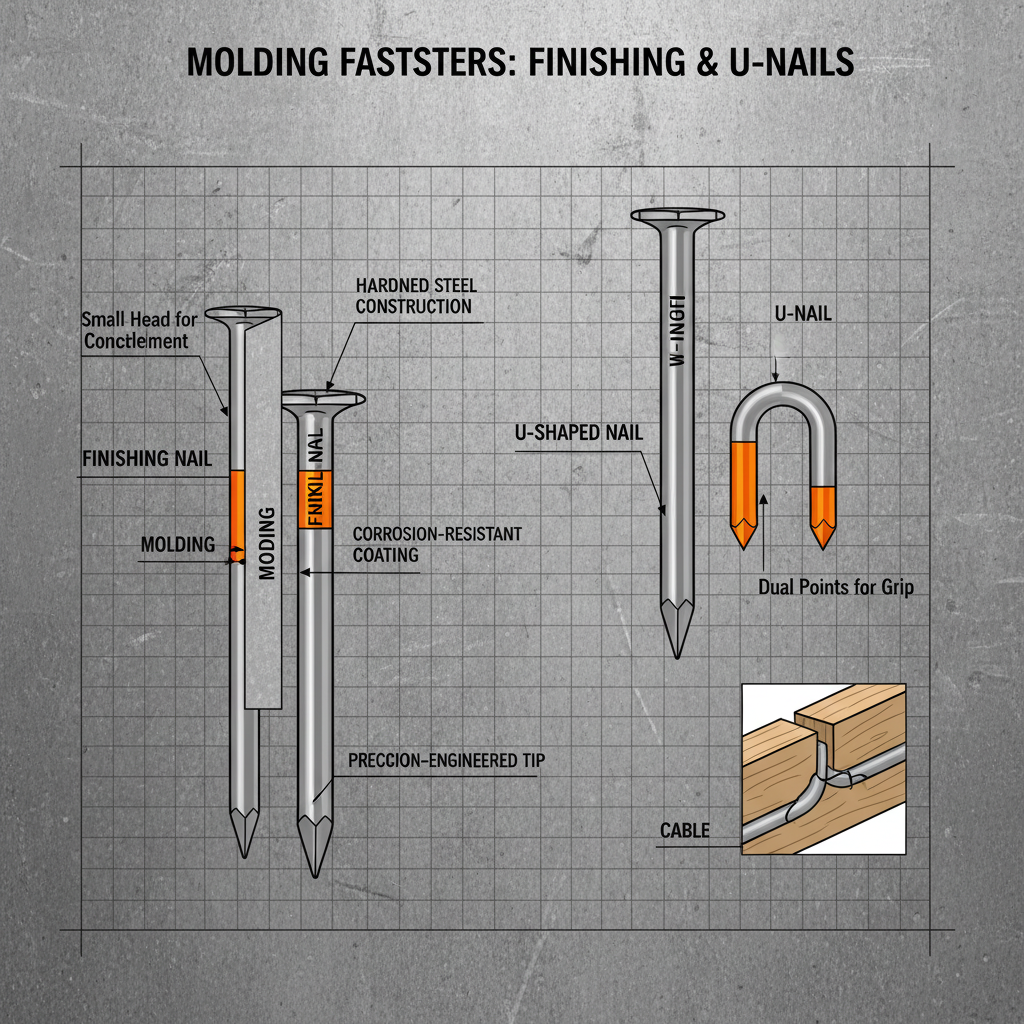
Finishing nails, as the name suggests, are designed to provide a subtle, nearly invisible fastening solution for decorative trim, molding, and other interior finishes. They are characterized by a small head that can be easily concealed with wood filler or paint. When used with drywall, the goal is to securely attach these finishes without causing excessive damage to the paper face of the board.
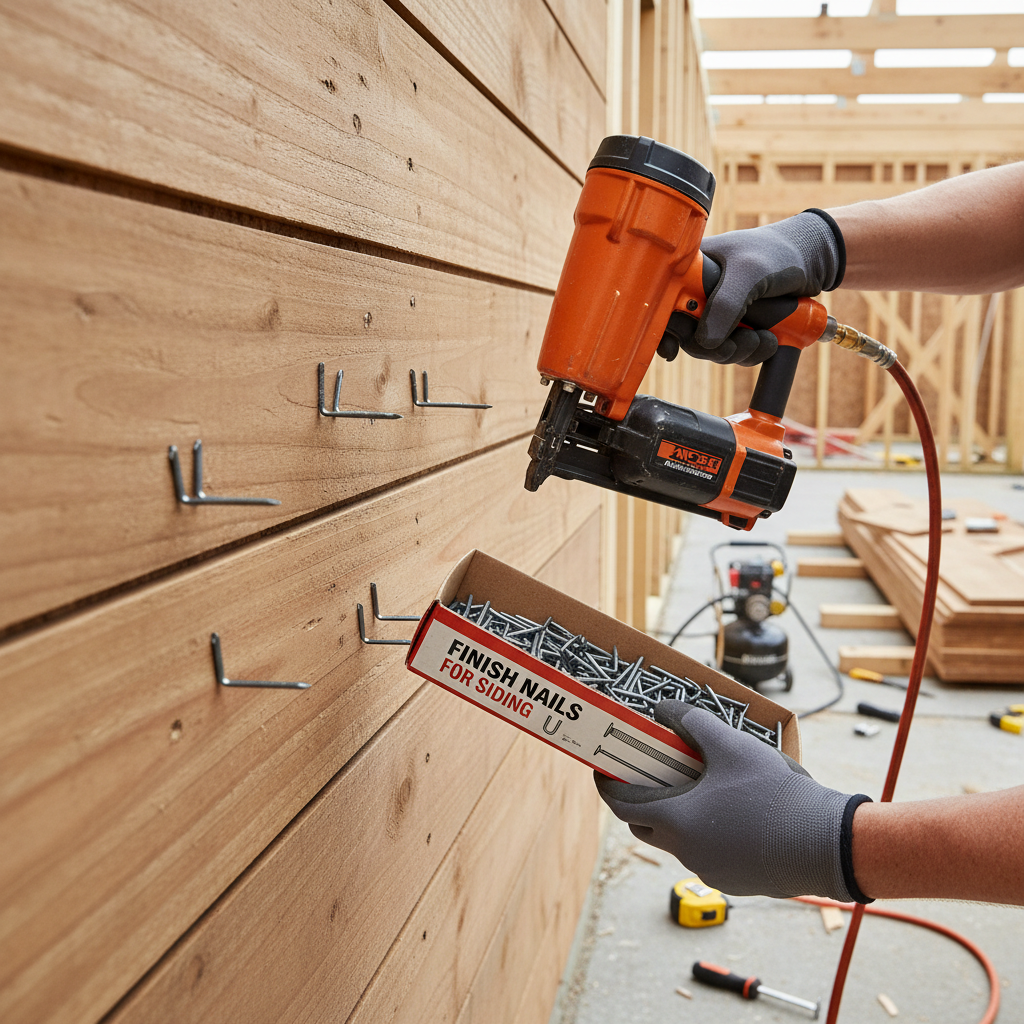
The process of finishing nails into drywall typically involves using a nail gun or hammer to drive the nails at a slight angle, embedding the shank firmly into the wall stud or drywall itself. Proper depth control is critical; nails should be driven flush with or slightly below the surface of the finish material.
This technique is vital in modern construction, moving beyond solely structural support to aesthetic details that enhance a space’s appeal. The term "finishing" implies a final, detail-oriented step, showcasing the importance of the technique in achieving a polished outcome.
Key Factors Influencing Nail Performance
Several key factors influence the effectiveness and longevity of finishing nails into drywall. Nail gauge (diameter) plays a significant role; smaller gauges are less likely to split wood or damage drywall, while larger gauges offer greater holding power. Similarly, nail length must be appropriate for the thickness of the materials being joined – too short, and the nail won't provide adequate support; too long, and it may penetrate too deeply and weaken the connection.
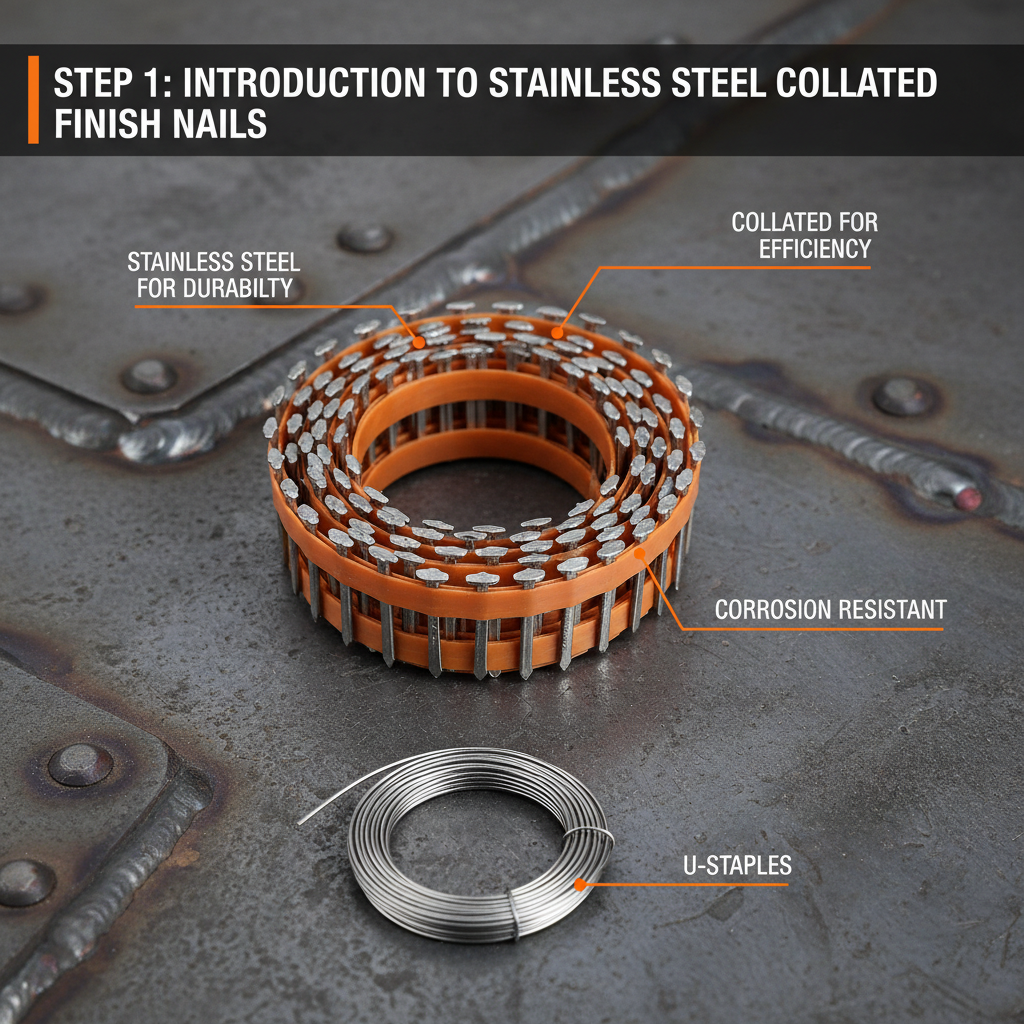
The type of nail material – steel, stainless steel, or coated – also affects performance. Steel nails are commonly used for general applications, while stainless steel nails offer superior corrosion resistance in moisture-prone environments. Coated nails, such as those with a polymer or epoxy finish, provide enhanced holding power and reduced friction during installation. The angle at which the nail is driven also matters, aiming for a slight slant can improve grip and reduce the risk of pull-through.
Finally, the condition of the drywall itself is crucial. Drywall that is damaged, crumbling, or excessively warped will not hold nails effectively. Proper preparation, including patching any holes or cracks, is essential before beginning the nailing process. Ensuring all factors are aligned leads to better performance and long-lasting results.
Practical Applications Across Industries
The application of finishing nails into drywall extends far beyond residential construction. In commercial spaces, they are used extensively to install acoustic panels, suspended ceilings, and decorative wall coverings. The construction of retail environments utilizes finishing nails to secure displays, signage, and shelving units, requiring a balance between aesthetics and durability.
The film and television industry relies heavily on this technique to build temporary sets and props, demanding a quick and efficient fastening solution that allows for easy disassembly. Furthermore, the healthcare sector employs finishing nails in the construction of cleanrooms and patient rooms, where precise and secure installations are paramount.
Finishing Nails into Drywall Application Suitability
Advantages and Long-Term Value Proposition
The benefits of mastering finishing nails into drywall extend beyond immediate project completion. Cost-effectiveness is a significant advantage, as nails are relatively inexpensive compared to other fastening methods like screws or adhesives. The speed and ease of installation contribute to reduced labor costs, particularly in large-scale projects.
Long-term durability is another key benefit. When properly installed, finishing nails provide a secure and lasting connection between materials, minimizing the risk of failure or detachment. This contributes to the overall structural integrity and longevity of the finished product. Aesthetically, the ability to conceal nail heads creates a clean, professional look that enhances the value and appeal of any interior space.
Future Trends and Innovations
The future of finishing nails into drywall is likely to be shaped by advancements in materials science and automation. The development of biodegradable nails, made from sustainable materials, could address environmental concerns and reduce waste. Furthermore, the integration of nail guns with robotic systems could improve precision, efficiency, and safety in construction.
Smart nails, equipped with sensors, could potentially monitor structural integrity and provide early warnings of potential failures. Digital tools and apps are also emerging that provide guidance on nail selection, placement, and driving techniques, helping to minimize errors and improve quality.
Common Challenges and Effective Solutions
Despite its simplicity, the process of finishing nails into drywall presents several common challenges. Nail bending, splitting wood, and causing drywall damage are frequent issues. These can be mitigated by using the correct nail size and type, employing proper driving techniques, and ensuring that the drywall surface is adequately prepared.
"Nail pops," where nails work their way loose over time, can be prevented by using ring-shank or screw-shank nails, which provide greater holding power. Addressing moisture issues in the surrounding environment is also crucial, as moisture fluctuations can cause wood to expand and contract, leading to nail loosening.
Proper training and adherence to safety guidelines are essential for minimizing risks and ensuring consistent, high-quality results. Utilizing high-quality tools and regularly maintaining them can further contribute to improved performance and durability.
Common Challenges and Solutions in Finishing Nails into Drywall Application
| Challenge |
Root Cause |
Severity Level (1-5) |
Proposed Solution |
| Nail Bending |
Incorrect nail gun pressure or driving angle |
3 |
Adjust nail gun settings and ensure proper angle. |
| Drywall Cracking |
Using nails that are too large or driving them too close to the edge |
4 |
Select appropriate nail size and maintain sufficient distance from edges. |
| Nail Pops |
Wood expansion/contraction due to moisture changes |
2 |
Use ring-shank or screw-shank nails and address moisture issues. |
| Splitting Wood |
Using nails that are too thick or driving them into dense wood |
3 |
Use smaller gauge nails or pre-drill pilot holes. |
| Inconsistent Nail Depth |
Improper nail gun depth setting or uneven pressure |
2 |
Calibrate nail gun and maintain consistent pressure during driving. |
| Damage to Drywall Paper |
Overdriving nails or using a damaged nail |
4 |
Control nail depth and inspect nails for damage before use. |
FAQS
A pneumatic nail gun is generally recommended for its speed and precision. Look for a model specifically designed for finishing nails, with adjustable depth control and a no-mar tip to prevent damage to the surrounding surface. Battery-powered nail guns are also viable options, particularly for projects where portability is crucial. Ensure the nail gun is compatible with the gauge and length of finishing nails you intend to use to avoid misfires or damage.
Nail pops are often caused by wood movement due to moisture fluctuations. Using ring-shank or screw-shank nails provides greater holding power and resists pull-through. Ensure the wood framing is dry before installation. If you’re working in a humid environment, consider using moisture-resistant drywall. Properly setting the nail depth, so the head is slightly below the surface, also helps prevent pops. Filling nail holes with wood filler after installation provides added stability.
For 1/2 inch drywall, a 1 1/4 inch to 1 1/2 inch finishing nail is generally recommended. The nail should penetrate at least 1 inch into the underlying stud or framing member. Always consider the thickness of the material you’re attaching to the drywall as well. If you are applying a thicker trim piece, a longer nail may be necessary to ensure a secure connection.
First, gently tap the nail back in using a nail set, ensuring it’s slightly below the surface. If the drywall is damaged, apply joint compound to fill the hole. Allow the compound to dry completely, then sand it smooth. Finally, prime and paint the repaired area to match the surrounding surface. For stubborn nail pops, consider replacing the nail with a screw for a more secure hold.
While a hammer can be used, a nail gun offers greater speed, precision, and consistency. It minimizes the risk of bending nails and damaging the surrounding surface. Nail guns are particularly advantageous for large projects where efficiency is crucial. However, for small repairs or projects, a hammer can be a suitable alternative if you have the skill and patience.
Angled nailers are used to drive nails at an angle, often required when fastening into tight spaces or to avoid splitting the wood. In drywall applications, angled nailers are useful for securing trim and molding in corners or against other surfaces where a straight nail may be difficult to drive. The angle provides better grip and reduces the risk of the nail popping out.
Conclusion
Mastering the art of finishing nails into drywall is a fundamental skill with far-reaching implications, from enhancing the aesthetics of homes and businesses to ensuring the structural integrity of interior spaces. By understanding the key factors that influence nail performance – including nail type, size, driving technique, and material preparation – professionals and DIY enthusiasts alike can achieve consistently high-quality results and avoid common pitfalls.
Looking ahead, innovation in materials and automation promises to further streamline this process, making it even more efficient, sustainable, and reliable. Continuing to prioritize proper training, safety, and attention to detail will be essential for maintaining the highest standards of craftsmanship. For all your finishing nail needs, visit our website: www.sxj-staple.com.