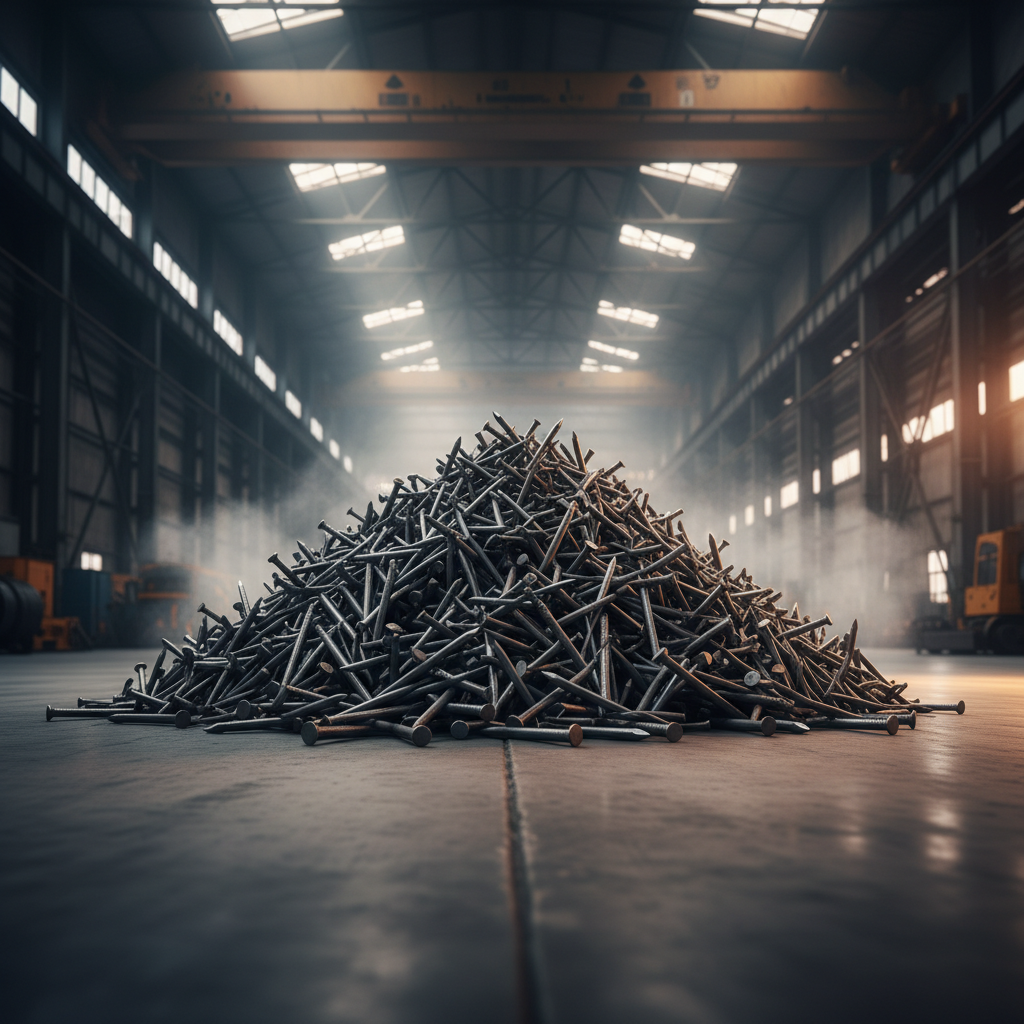
Finishing nails for molding are a crucial component in woodworking and carpentry, offering a discreet and secure method for attaching decorative molding to various surfaces. These nails are designed with a small head that can be easily set below the surface of the wood, creating a clean and professional finish. Understanding the nuances of finishing nails – their types, materials, and application techniques – is essential for both seasoned professionals and DIY enthusiasts aiming for high-quality results. Proper use of finishing nails for molding enhances the aesthetic appeal and structural integrity of interior and exterior projects alike.
The global demand for high-quality woodworking and carpentry supplies, including finishing nails for molding, is consistently strong. This is driven by a thriving construction industry, a growing interest in home renovation, and a continuing appreciation for handcrafted furniture and architectural details. According to industry reports, the global nail market is projected to reach significant growth in the coming years, fueled by urbanization and increased consumer spending on home improvement. Effective and efficient fastening solutions, like precisely manufactured finishing nails, are vital in supporting these sectors.
However, challenges remain in ensuring consistent quality and responsible sourcing of these materials. Fluctuations in raw material prices and logistical complexities can impact the availability and cost of finishing nails for molding. This highlights the importance of reliable suppliers and innovative manufacturing processes to meet the ongoing demands of the market while maintaining affordability and sustainability.
The Significance of Finishing Nails for Molding
The proper application of finishing nails for molding isn’t merely about fastening; it's about achieving a seamless and aesthetically pleasing result. Unlike larger, more visible nails, finishing nails minimize the impact on the wood's appearance, allowing the intricate details of the molding to stand out. They are particularly valuable when working with delicate or expensive wood, as their minimal size reduces the risk of splitting or damaging the material.
Choosing the right finishing nails for molding, considering factors like gauge, length, and head type, is paramount. Using an incorrect nail can lead to visible imperfections, structural weakness, or damage to both the molding and the substrate. Therefore, a thorough understanding of the available options and their specific applications is crucial for successful woodworking projects.
Historical Context and Global Relevance
The use of nails, in various forms, dates back millennia, with evidence of early nail-like fasteners found in ancient civilizations. However, the development of specifically refined finishing nails for molding evolved alongside advancements in woodworking techniques and decorative arts. Historically, skilled artisans relied on meticulously handcrafted nails to create intricate moldings and embellishments in architecture and furniture.
Today, the global market for finishing nails for molding is driven by consistent demand from residential and commercial construction, furniture manufacturing, and the restoration of historic buildings. Regions experiencing rapid urbanization and economic growth, such as Asia-Pacific and Latin America, are particularly significant consumers of these products. The emphasis on aesthetic appeal and quality craftsmanship further fuels the demand in developed economies like North America and Europe.
The continued reliance on finishing nails for molding demonstrates its enduring relevance in the modern building trades, proving its worth alongside newer fastening technologies. Its combination of simplicity, effectiveness, and ability to deliver a high-quality finish keeps it a staple in workshops and construction sites worldwide.
Defining Finishing Nails for Molding
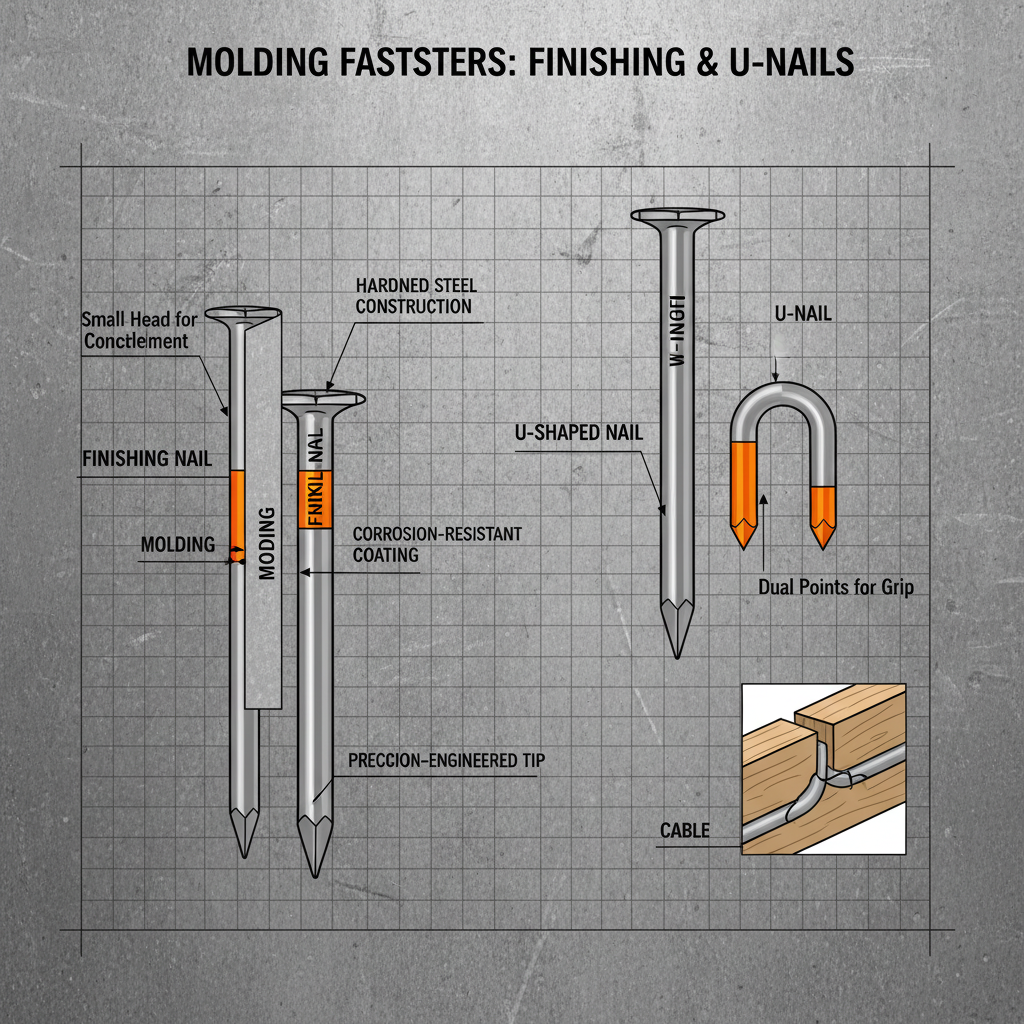
Finishing nails for molding are small, slender nails designed to be driven flush with or slightly below the surface of the wood. Their distinguishing feature is a very small head, often nearly invisible once properly set and filled. They are typically made from steel, brass, or stainless steel and are available in a range of gauges (thicknesses) and lengths to accommodate different molding thicknesses and wood densities.
These nails differ from common nails or box nails primarily in their size and finish. Common nails have larger heads and are intended for structural applications, while finishing nails prioritize aesthetics. The reduced head size is crucial for preventing visual distraction from the details of the molding and allows for easy filling and sanding to create a seamless appearance.
The connection to modern industry lies in the increasing demand for high-quality interior finishes in both residential and commercial spaces. As consumers and businesses prioritize aesthetic appeal, the need for discreet and effective fastening solutions like finishing nails for molding continues to grow, supporting skilled tradespeople and driving innovation in woodworking techniques.
Key Characteristics and Properties
The durability of finishing nails for molding is a key consideration. While not designed for heavy-duty structural applications, they provide sufficient holding power for attaching molding securely. The material composition – whether steel, brass, or stainless steel – directly influences durability and resistance to corrosion.
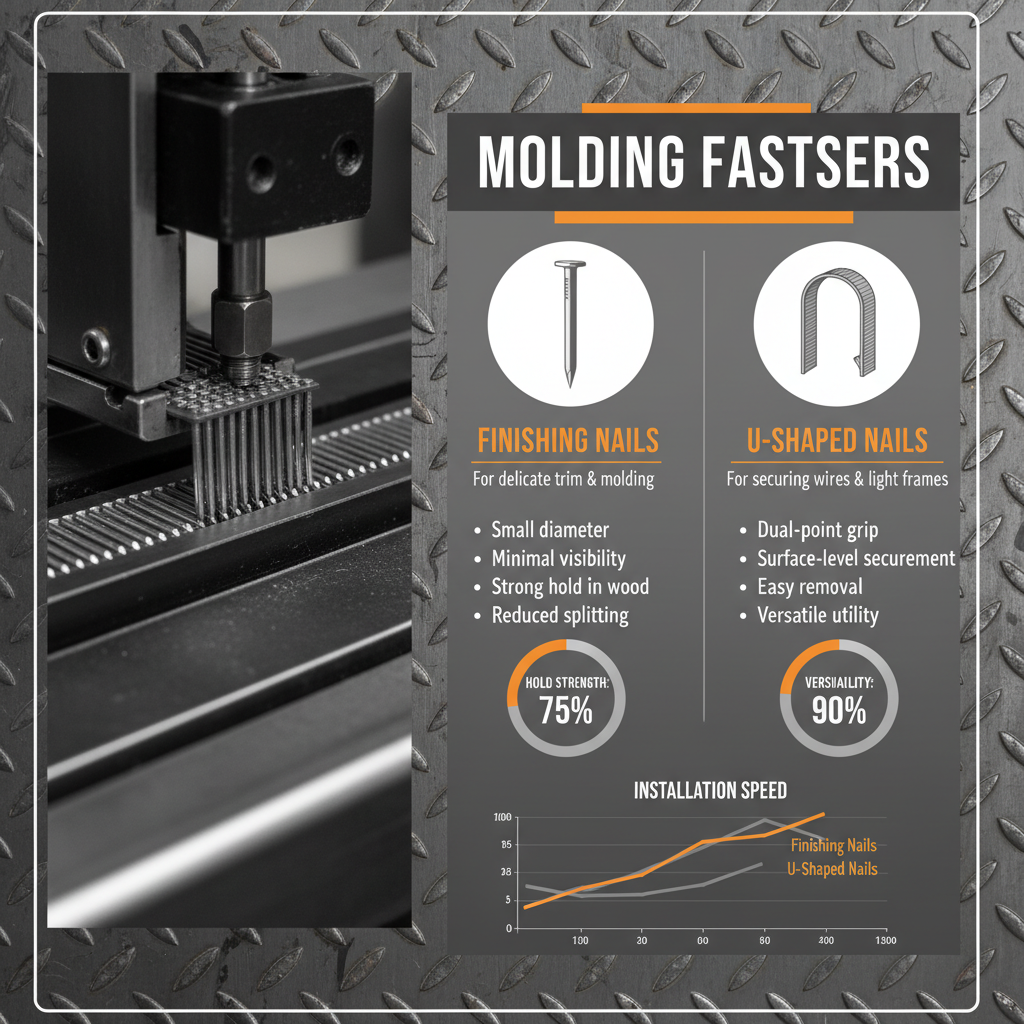
The gauge (thickness) of the nail impacts its strength and visibility. Lower gauge nails are less visible but offer less holding power, while higher gauge nails are stronger but require more careful setting to avoid splitting the wood. Selecting the appropriate gauge is essential for balancing aesthetics and structural integrity.
Comparative Holding Power of Finishing Nails for Molding
Applications Across Industries
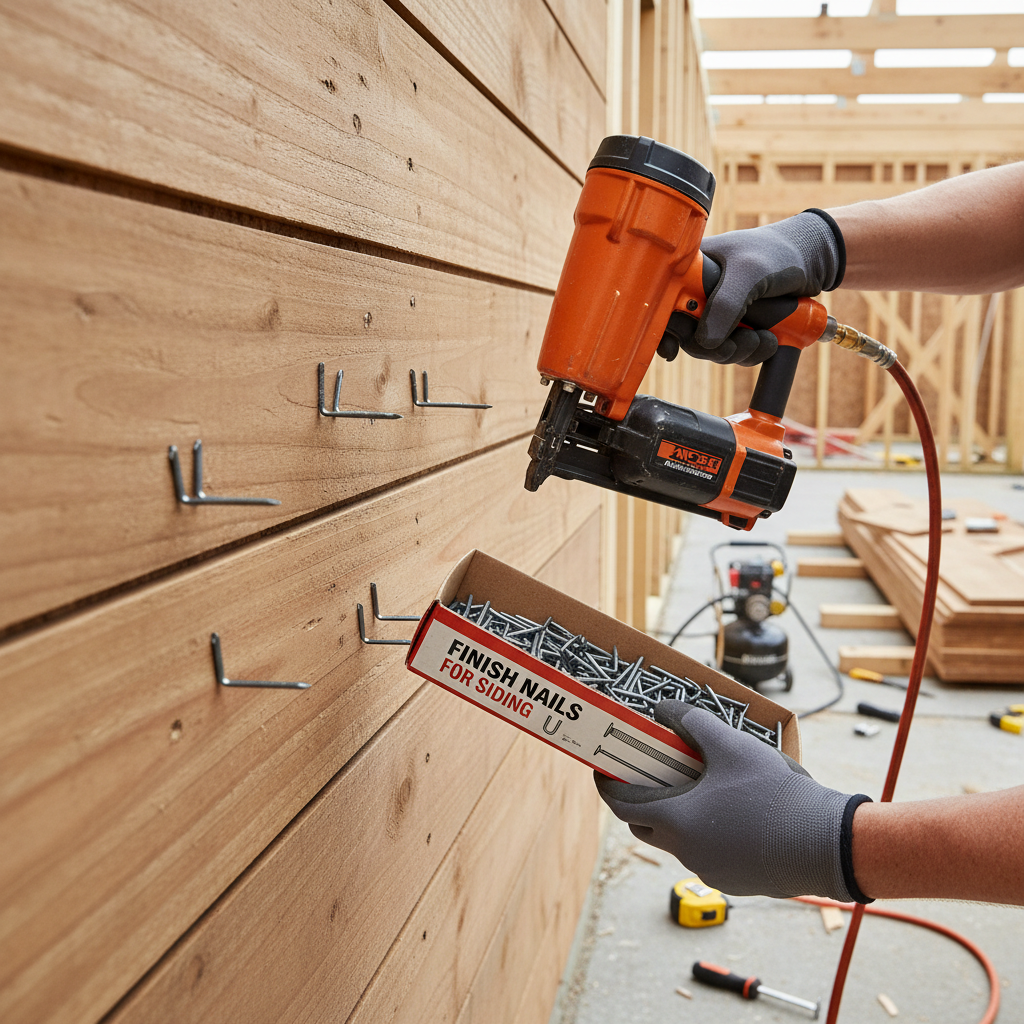
Finishing nails for molding find widespread application in the residential construction sector, used for installing baseboards, crown molding, chair rails, and other decorative trim. They are also heavily utilized in furniture manufacturing, securing decorative veneers and adding finishing touches to cabinets, tables, and chairs.
Beyond these core applications, finishing nails are indispensable in the restoration of historical buildings, where preserving the original aesthetic is paramount. They are used to carefully repair and replace damaged molding without causing further harm to the delicate architectural features. Skilled artisans prefer their minimal impact and ability to blend seamlessly with existing finishes.
Benefits and Long-Term Value
The cost-effectiveness of finishing nails for molding is a significant advantage. Compared to alternative fastening methods, such as adhesives or screws, they offer a relatively inexpensive solution for securing molding. Their ease of use also translates to labor savings, reducing overall project costs.
From a sustainability perspective, the use of responsibly sourced steel and the potential for recycling contribute to a reduced environmental impact. The long-term value lies in the enhanced aesthetic appeal and structural integrity of the finished project, which can increase property value and provide lasting enjoyment.
Future Trends and Innovations
One emerging trend is the development of corrosion-resistant coatings for finishing nails for molding, offering improved performance in humid environments or when used with treated lumber. These coatings extend the lifespan of the nails and prevent unsightly staining or corrosion.
Another area of innovation is the integration of automation in nail manufacturing processes, leading to increased precision and consistency in nail dimensions and quality. This translates to more reliable performance and reduced waste during installation. Furthermore, research into bio-based materials for nail production could offer a more sustainable alternative to traditional steel manufacturing.
Digital technologies, such as laser-guided nailers, are also enhancing the precision and efficiency of molding installation, minimizing the risk of errors and ensuring a professional finish.
FAQS
For delicate molding, a lower gauge (like 18 or 20) is generally recommended. These thinner nails minimize the risk of splitting the wood. However, ensure the length is sufficient to provide adequate holding power, considering the thickness of both the molding and the substrate. Pre-drilling pilot holes can further prevent splitting.
Bending often occurs when nailing into hard wood or at an angle. Using a nail set to drive the nail head slightly below the surface, rather than hammering directly, reduces the likelihood of bending. Also, ensure your nailer or hammer is in good condition and that you are using the correct angle for the application.
Steel nails are the most common and affordable, suitable for interior projects. Brass nails offer a decorative touch and are corrosion-resistant, ideal for exterior or moisture-prone areas. Stainless steel nails provide superior corrosion resistance, making them perfect for outdoor applications or use with acidic woods.
Use a wood filler that matches the color of the molding. Apply the filler with a putty knife, slightly overfilling the hole. Once dry, sand the filler smooth with fine-grit sandpaper. For a seamless finish, prime and paint the filled area to match the surrounding molding.
Both nail guns and hammers can be used effectively. Nail guns offer speed and consistency, while hammers provide more control, especially for intricate or delicate work. When using a nail gun, adjust the pressure carefully to prevent overdriving the nails. Use a nail set with either method to achieve a clean, flush finish.
Generally, a 1.5 to 2-inch finishing nail is appropriate for ¾ inch thick molding. This allows for sufficient penetration into the supporting structure (stud or substrate) to provide a secure hold. Always consider the thickness of both the molding and the substrate when selecting nail length.
Conclusion
In summary, finishing nails for molding are essential fasteners for achieving professional-quality woodworking results. From their historical roots to modern applications, they remain a critical component in construction, furniture making, and restoration projects. Understanding the nuances of nail gauge, materials, and application techniques is key to maximizing their effectiveness and ensuring a beautiful, durable finish.
Looking ahead, continued innovation in materials, coatings, and automation will further enhance the performance and sustainability of finishing nails for molding. By embracing these advancements and adhering to best practices, professionals and DIY enthusiasts alike can continue to rely on this time-tested fastening solution for years to come.