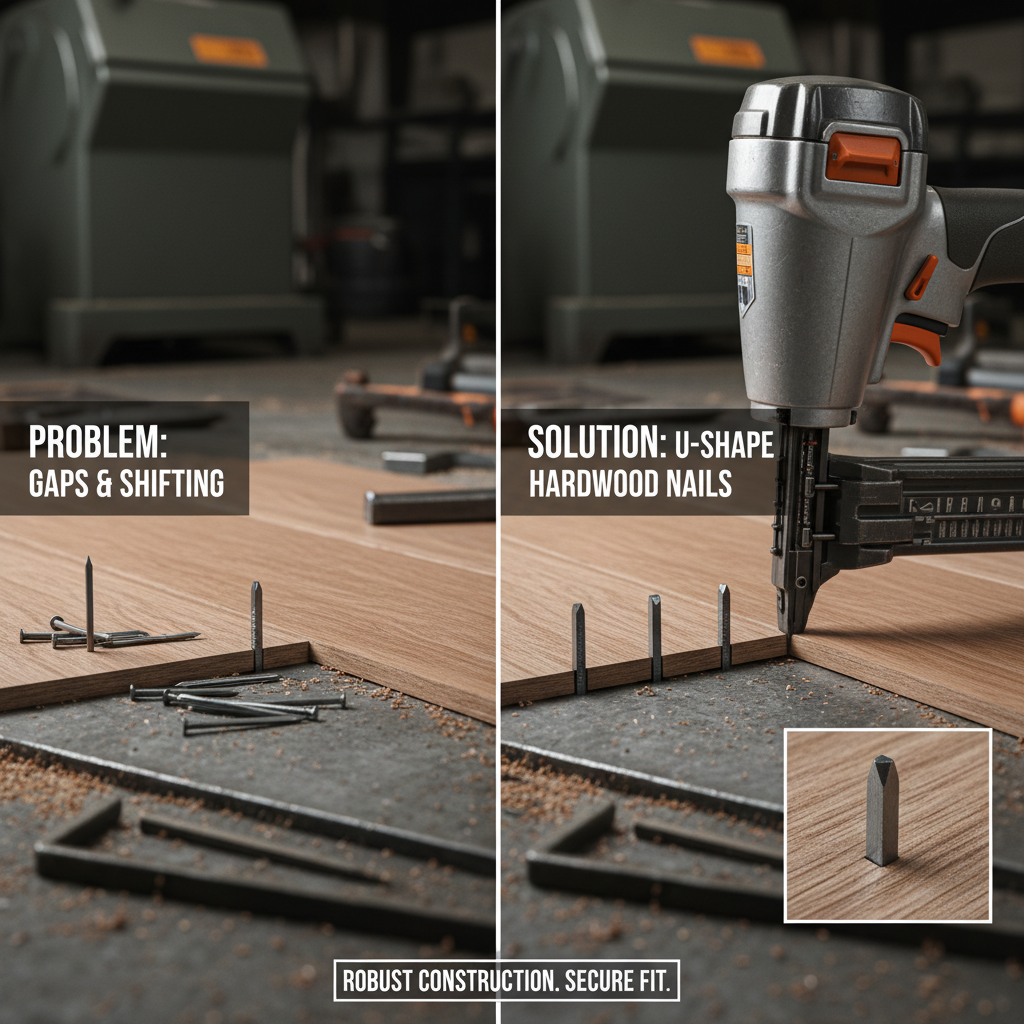
Finishing nails for hardwood floor represent a crucial component in the installation and aesthetic appeal of wood flooring, a globally significant practice. From residential homes to commercial spaces, hardwood floors continue to be a preferred choice for their durability, warmth, and inherent beauty. The quality and proper application of finishing nails directly impact the longevity and structural integrity of these installations. Globally, the demand for hardwood flooring, and consequently, the nails used in its installation, is driven by factors like rising disposable incomes, urbanization, and a preference for natural materials.
The importance of selecting the right finishing nails for hardwood floor extends beyond simply holding the wood in place. Factors like nail gauge, head size, and shank type influence the prevention of splitting, ensure a seamless finish, and accommodate varying wood densities. Poor nail selection can lead to costly repairs, aesthetic imperfections, and even structural failure. The industry consistently innovates to provide solutions tailored to different wood types and installation techniques, showcasing the dynamic nature of this seemingly simple fastening element.
Understanding the nuances of finishing nails for hardwood floor is paramount for both professional installers and DIY enthusiasts alike. Proper selection and technique ensure a beautiful, lasting, and structurally sound hardwood floor installation, contributing to increased property value and homeowner satisfaction.
Introduction to Finishing Nails
Finishing nails are essential for securing hardwood flooring during the final stages of installation. Unlike heavier construction nails, finishing nails are designed to be less visible, creating a clean and professional look. They are typically smaller in diameter and feature a smaller head that can be easily set below the surface of the wood and filled.
The proper use of finishing nails for hardwood floor contributes significantly to the overall aesthetic and structural integrity of the flooring. Choosing the correct nail gauge, length, and type is critical to avoid splitting the wood, ensure a secure hold, and allow for future repairs or refinishing without causing damage. finishing nails for hardwood floor offer a variety of options to meet these demands.
Defining Finishing Nails for Hardwood Floor
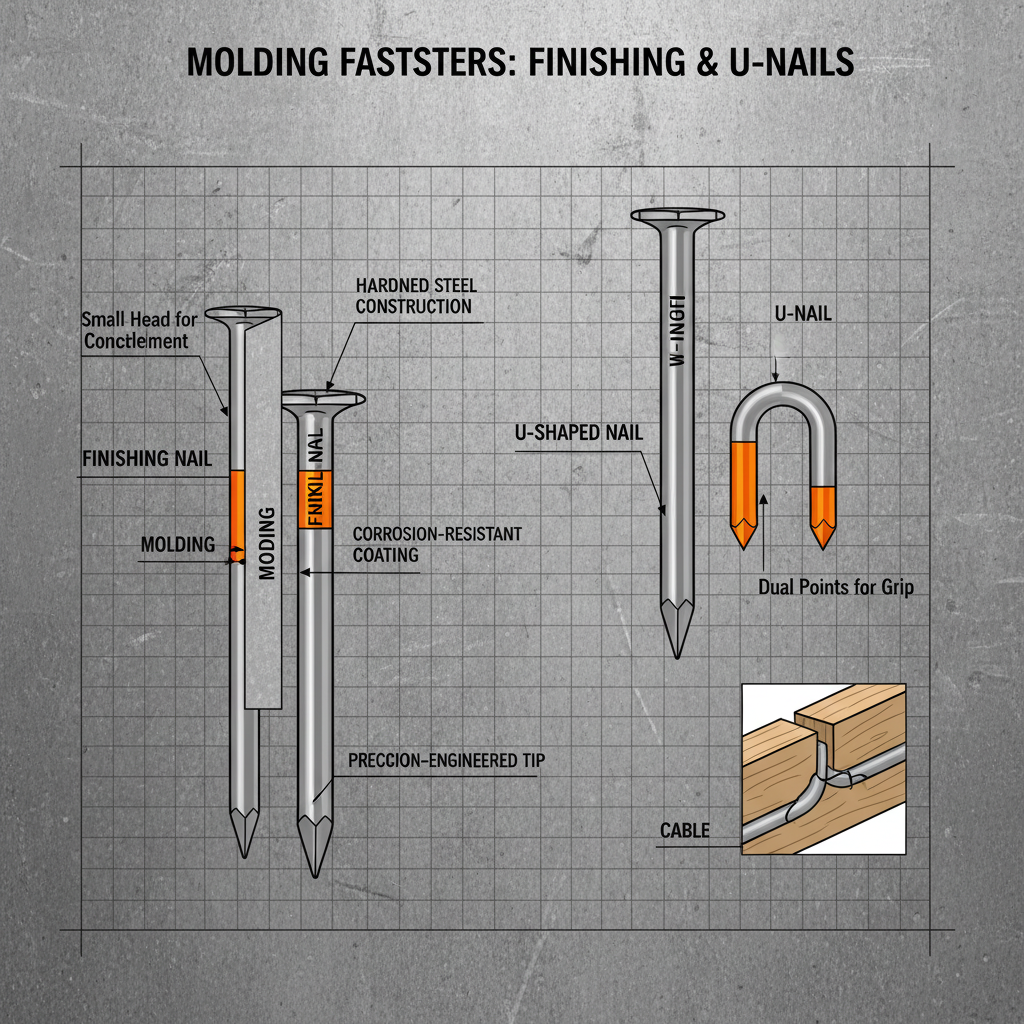
Finishing nails for hardwood floor are small, slender nails specifically designed to secure the final layer of wood flooring without causing significant visual disruption. They differ from other types of nails – such as framing or roofing nails – primarily in their size and head design. Finishing nails generally have a small, nearly flat head that can be easily sunk into the wood surface.
These nails are made from various materials, including steel, stainless steel, and brass. The choice of material depends on the type of wood being used, the desired level of corrosion resistance, and the aesthetic preferences of the installer. Steel nails are common for general use, while stainless steel is preferred for moisture-prone areas.
Understanding the specific purpose of finishing nails is key. They aren't intended to bear significant structural load, but rather to hold the final layer of flooring securely in place while allowing for expansion and contraction with changes in humidity and temperature. This subtle yet crucial function contributes to the longevity and overall performance of a hardwood floor.
Key Characteristics of Quality Nails
The quality of finishing nails for hardwood floor is determined by several factors. Nail gauge (thickness) is paramount; too thin, and the nail won't hold; too thick, and it risks splitting the wood. Shank type – smooth, ringed, or barbed – impacts holding power and reduces the likelihood of nails working loose over time.
Head size is another crucial characteristic. Smaller heads are easier to conceal but may offer less holding power. Furthermore, the consistency of nail manufacture is critical. Uniformity in size and shape ensures predictable performance during installation and minimizes the chance of errors or failures. High-quality finishing nails are free from defects like bends or corrosion.
Finally, the material composition influences durability and resistance to corrosion. Selecting nails made from high-carbon steel, or even stainless steel for damp environments, significantly extends the lifespan of the flooring installation and avoids unsightly rust stains.
Factors Influencing Nail Selection
Selecting the appropriate finishing nails for hardwood floor depends on several critical factors. Wood density is a primary consideration; harder woods like oak require stronger, potentially thicker nails than softer woods like pine. Nail length should be roughly two to three times the thickness of the flooring material to ensure adequate penetration and holding power.
The installation method also plays a role. Hand-nailing requires nails that are easily driven and less prone to bending, while pneumatic nailers often benefit from nails with consistent shape and a specialized head design. Proper nail selection considers these variables to maximize installation efficiency and structural integrity.
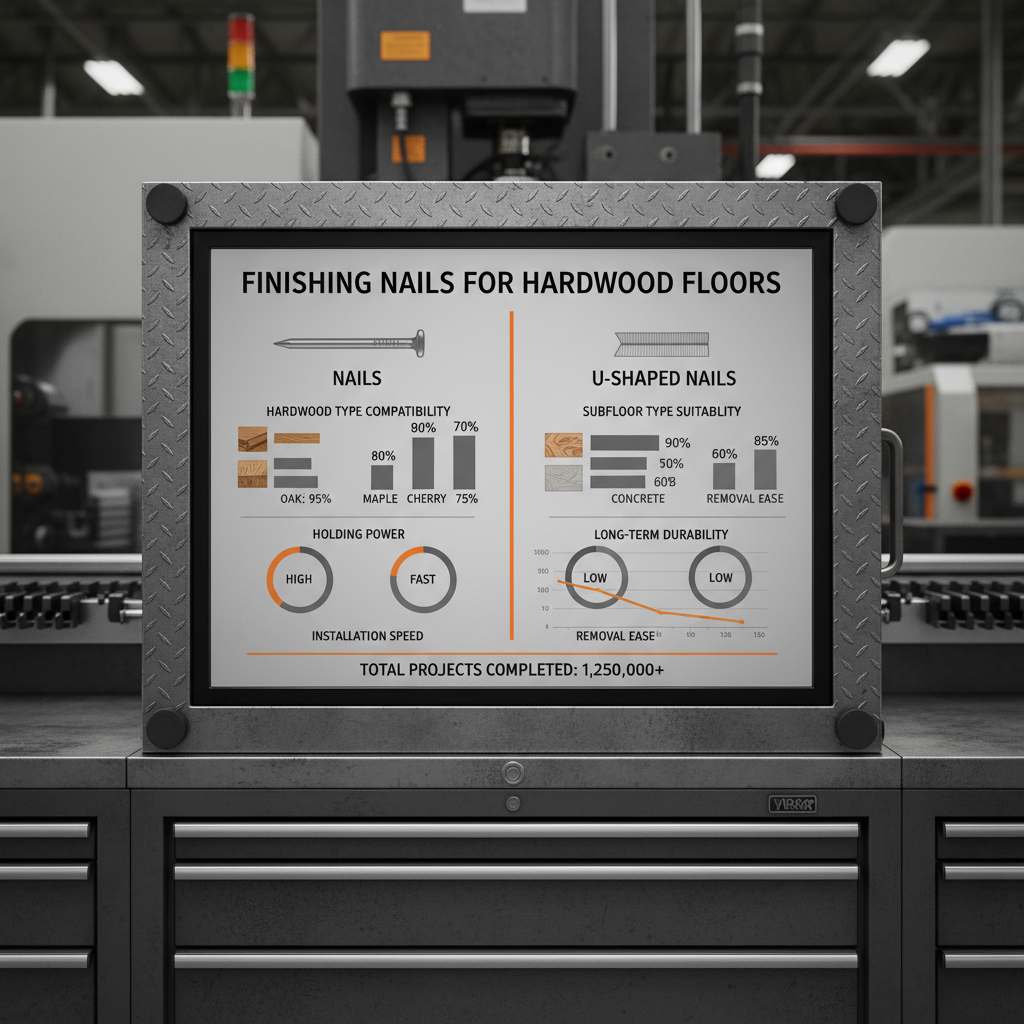
Finishing Nails Performance Comparison
Global Applications & Hardwood Flooring Trends
Hardwood flooring, and consequently the demand for suitable finishing nails for hardwood floor, is prevalent globally. North America and Europe remain significant markets, driven by established homeownership and renovation trends. However, emerging economies in Asia-Pacific and Latin America are witnessing a rapid increase in hardwood flooring adoption as disposable incomes rise and construction booms occur.
Current trends emphasize sustainable and eco-friendly flooring options. This translates to a growing demand for responsibly sourced wood and, increasingly, for corrosion-resistant nails that ensure the longevity of these environmentally conscious installations. The popularity of engineered hardwood flooring also influences nail selection, as these products often require specific nail types to avoid damage to the veneer layer.
Advantages of Using Quality Finishing Nails
Utilizing high-quality finishing nails for hardwood floor provides numerous advantages. The primary benefit is enhanced structural integrity, ensuring the flooring remains securely fastened over time, resisting movement and preventing squeaks. Properly installed nails also contribute to a cleaner, more professional aesthetic, minimizing visible imperfections.
Furthermore, choosing the correct nails simplifies future repairs and refinishing. Nails that are easily removed and replaced without causing significant wood damage allow for efficient maintenance and restoration of the flooring's original beauty. Investing in quality nails is a long-term investment in the value and appearance of your home.
Future Innovations in Nail Technology
Innovation in finishing nails for hardwood floor is ongoing. Current research focuses on developing biodegradable nail options to further enhance the sustainability of hardwood flooring installations. Manufacturers are also exploring new coatings to improve corrosion resistance and reduce the risk of staining, particularly in high-moisture environments.
Another promising area of development is the integration of smart technology. Nails equipped with sensors could potentially monitor moisture levels or detect structural stress, providing early warnings of potential problems and enabling proactive maintenance. Automation in nail driving, alongside more efficient pneumatic tools, will also continue to enhance installation speed and precision.
The future of finishing nails lies in combining durability, sustainability, and smart functionality, ultimately contributing to more resilient and environmentally responsible hardwood flooring systems.
Summary of Finishing Nail Characteristics & Applications
| Nail Material |
Wood Density Suitability |
Corrosion Resistance |
Installation Method |
| Carbon Steel |
Soft to Medium Density Woods |
Low |
Hand-Nailing, Pneumatic Nailers |
| Stainless Steel |
All Densities |
High |
Pneumatic Nailers |
| Brass |
Soft Woods, Decorative Applications |
Moderate |
Hand-Nailing |
| Galvanized Steel |
Medium to High Density Woods |
Moderate |
Hand-Nailing, Pneumatic Nailers |
| Alloy Steel |
All Densities, High Strength Applications |
High |
Pneumatic Nailers |
| Coated Steel |
Variable - Dependent on Coating |
Variable - Dependent on Coating |
Hand-Nailing, Pneumatic Nailers |
FAQS
The ideal gauge for finishing nails for hardwood floor typically ranges between 16 and 18 gauge. A 16-gauge nail provides more holding power for denser hardwoods, while an 18-gauge nail is suitable for softer woods and minimizes the risk of splitting. The correct gauge also depends on the nailer being used; some nailers are specifically designed for certain gauges. Always test on scrap wood first.
To prevent splitting, pre-drilling pilot holes, especially near the edges of boards, is crucial. Select a nail gauge appropriate for the wood’s density, as mentioned above. Angling the nails slightly can also distribute the force more evenly. If you're hand-nailing, use a nail set to drive the nail head slightly below the surface without damaging the wood fibers. Using ring-shank or barbed nails can also help increase holding power and reduce splitting.
Smooth-shank nails are easier to drive but offer less holding power. They are suitable for temporary fastening or when the flooring is glued down in addition to being nailed. Ring-shank nails, however, have ridges along the shank, providing significantly greater holding power as the rings grip the wood fibers. Ring-shank nails are generally preferred for hardwood flooring installations where long-term stability is essential.
While pneumatic nailers offer speed and efficiency, they aren’t universally suitable for all hardwood floors. The nailer's power and the nail gauge need to be carefully matched to the wood’s density. Overpowering the nailer can easily split the wood. Some engineered hardwood flooring requires specific nailer settings or even hand-nailing to avoid damaging the veneer. Always consult the flooring manufacturer’s recommendations before using a pneumatic nailer.
Concealing nail holes involves using a wood filler that closely matches the color of your hardwood floor. Apply the filler with a putty knife, slightly overfilling the hole. Once dry, sand the filler smooth with fine-grit sandpaper. Finally, apply a matching stain and finish to blend the repaired area seamlessly with the surrounding flooring.
Stainless steel finishing nails are an excellent investment in areas prone to moisture, like bathrooms or basements. They offer superior corrosion resistance, preventing rust stains and ensuring the long-term integrity of your flooring. While they are more expensive than steel nails, the added durability and aesthetic benefits often justify the cost, especially in demanding environments.
Conclusion
In conclusion, the selection and application of finishing nails for hardwood floor are critical to achieving a beautiful, durable, and long-lasting installation. From understanding the nuances of nail gauge and shank type to considering the specific wood density and installation method, every detail matters. Investing in quality nails and employing proper techniques ensures a structurally sound floor that enhances the value and aesthetic appeal of any space.
Looking ahead, continued innovation in nail technology, particularly in areas like biodegradable materials and smart functionality, promises to further elevate the standards of hardwood flooring installation. Prioritizing sustainability and long-term performance will be key to ensuring that hardwood floors remain a desirable and responsible choice for generations to come. For premium finishing nails and expert advice, visit our website: https://www.sxj-staple.com.