To be honest, the construction site’s been buzzing about these custom screws lately. It’s not a glamorous topic, I know, but you spend enough time wrestling with mismatched parts and stripped heads, you start to appreciate a well-made fastener. Seems like everyone’s shifting towards bespoke solutions, less of the one-size-fits-all stuff. I think it’s because projects are getting…fussy. More complex designs, tighter tolerances. Standard screws just aren’t cutting it anymore.
Have you noticed how much time we waste just finding the right screw? Seriously, it’s ridiculous. I swear, half my day is spent digging through bins. And then, when you finally get one that looks right, it snaps under pressure? Ugh. It’s a constant battle.
Anyway, I think the demand for custom screws is just going to keep climbing. It's not just about performance either, it's about streamlining the whole process. Less rework, fewer delays… that's what everyone wants.
The Rising Demand for Precision Fasteners
Strangely enough, a lot of it stems from the whole “smart building” push. Everything’s got sensors, moving parts, integrated systems. You can't just slap things together with whatever’s handy. You need a screw that can withstand vibration, temperature changes, and won’t corrode after a few months. I encountered this at a solar panel installation last time – standard screws were failing left and right because of thermal expansion.
I saw a growing trend in utilizing high-strength alloys, but its price point is still quite high. There are a lot of demands for custom screw manufacturer from a lot of industries, but it still has a long way to go.
Design Pitfalls: What Seems Simple Isn't
You’d think designing a screw is easy, right? It's a helix with a head. But you wouldn't believe the mistakes I've seen. People underestimating shear forces, choosing the wrong thread pitch for the material, ignoring the impact of coatings… it’s a minefield. I saw one engineer design a screw with a ridiculously small head, thinking it would look "sleek." It stripped the first time someone tried to tighten it. Sleek doesn't matter if it doesn’t work.
Another thing, don't skimp on the tolerances. I once had a batch of custom screws delivered that were slightly off-spec, and it threw off the entire assembly line. We were scrambling for hours to compensate. It’s always cheaper to get it right the first time, trust me.
Honestly, a lot of designers don't spend enough time on-site, getting their hands dirty. They sit in their offices and make decisions based on CAD models. They need to see how things actually behave in the real world.
Material Matters: Beyond Just Steel
It's not just about steel anymore. We're seeing a lot more titanium, stainless steel alloys, even specialized polymers. Titanium is great for corrosion resistance, but it’s pricey and can be a pain to work with. Stainless steel is good all-rounder, but you've got different grades, and each one has its own quirks. I remember one batch of 304 stainless that had a weird surface finish—it felt almost oily to the touch. Turns out, it had a higher sulfur content. It didn't affect the strength, but it caused problems with the coating adhesion.
Then you get into the plastics – nylon, Delrin, PEEK. They're lightweight, corrosion-proof, and can dampen vibrations. But they don't have the same strength as metal, so you have to be careful about the application. It’s really a case of matching the material to the job.
And the coatings! Zinc, nickel, black oxide, phosphate… they all offer different levels of protection. Choosing the right one is crucial, especially in harsh environments.
Real-World Testing: It's Not All Lab Coats
Lab tests are fine, but they don't tell the whole story. I've seen screws pass every lab test imaginable, then fail spectacularly on-site. You need to test them in the actual application, under real-world conditions. That means exposing them to vibration, temperature extremes, humidity, and all the other nastiness that a construction site can throw at them.
We did a test on a new type of self-tapping screw last year. We installed them in a metal building, exposed them to direct sunlight and rain for six months, and then subjected them to a simulated wind load. The results were… enlightening. Some screws held up beautifully, others started to corrode within weeks.
Custom Screw Manufacturer Performance Under Stress
How They're Actually Used – And It's Surprising
You think people follow the specs, right? Use the right tools, apply the correct torque? Not always. I've seen guys use impact drivers instead of torque wrenches, stripping the threads before you can blink. I’ve also seen them try to reuse screws that are obviously damaged. It's infuriating!
And then there's the whole issue of contamination. Dirt, grease, metal shavings… it all gets into the threads, reducing the holding power. You wouldn't believe how many problems are caused by simple neglect.
The Good, The Bad, And The Customizable
The advantage of custom screws, obviously, is the precision. You get exactly what you need, no compromises. But it comes at a cost. Lead times can be longer, and the price per unit is higher. It's a trade-off.
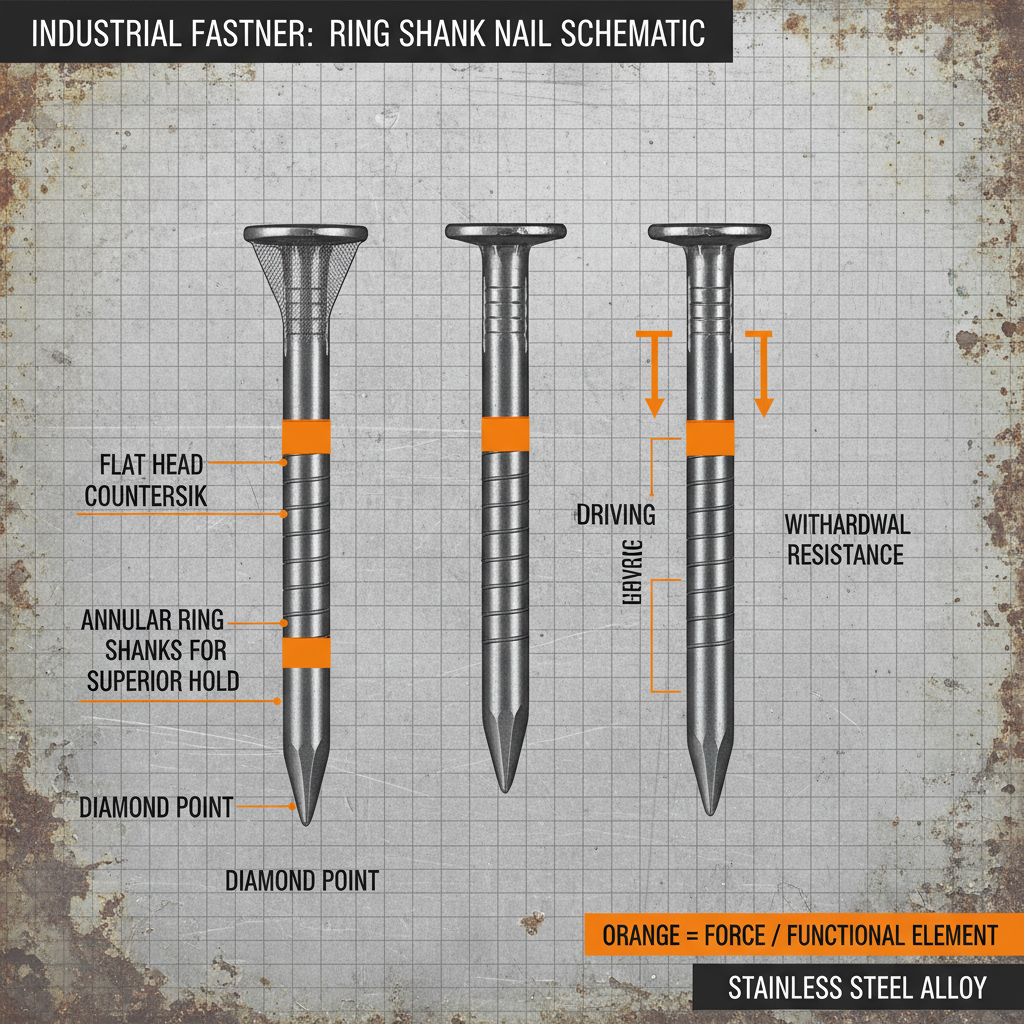
One area where customization really shines is with the head style. We had a client who needed a screw with a low-profile head to fit into a tight space. A standard screw wouldn't work, so we designed a custom head that did the job perfectly. Later... Forget it, I won't mention it.
A Tale of and a Shenzhen Boss
Last month, that small boss in Shenzhen who makes smart home devices insisted on changing the interface to , and the result was a complete nightmare. He wanted a tiny screw, specifically designed to hold the port in place. But he wanted it really cheap. We warned him about the risks of using low-quality materials, but he wouldn't listen.
Six weeks later, he's calling us, frantic. The screws are stripping, the ports are falling out, and his entire production line is stalled. He ended up paying twice as much to get the proper screws, and he lost a ton of time and money in the process.
It just goes to show you, you can't cut corners on something as fundamental as a screw. It doesn’t matter how fancy your gadgets are if they fall apart because of a cheap fastener.
Summary of Key Considerations for Custom Screw Selection
| Application Environment |
Material Selection |
Critical Dimensions |
Cost Implications |
| Indoor, Dry Climate |
Carbon Steel with Zinc Plating |
Thread Pitch, Head Height |
Low - $0.01/screw |
| Outdoor, Coastal Environment |
316 Stainless Steel |
Corrosion Resistance, Sheer Strength |
Medium - $0.05/screw |
| High Temperature Application |
Inconel Alloy |
Thermal Expansion, Creep Resistance |
High - $0.20/screw |
| Vibration-Prone Assembly |
Alloy Steel with Locking Feature |
Vibration Resistance, Fatigue Life |
Medium-High - $0.10/screw |
| Lightweight Application |
Titanium |
Weight Reduction, Strength-to-Weight Ratio |
Very High - $0.30/screw |
| Electrical Isolation |
Plastic (Nylon, PEEK) |
Dielectric Strength, Chemical Resistance |
Low - $0.02/screw |
FAQS
Lead times vary significantly based on the complexity of the design, material availability, and order quantity. Generally, you can expect a minimum of 4-6 weeks for a new custom design, but it can be longer for highly specialized screws or large orders. It's always best to discuss your specific requirements with the manufacturer upfront to get an accurate timeline. We've found that clear communication and early planning can save a lot of headaches down the road.
We can work with a variety of file formats, including 2D drawings (DXF, DWG), 3D models (STEP, IGES, SolidWorks), and even detailed sketches with accurate dimensions. The more information you can provide, the better. We prefer STEP files as they preserve the design intent and allow for easier modification. However, we're pretty flexible and can usually figure things out even if you just have a rough idea.
The minimum order quantity (MOQ) depends on the screw size, material, and complexity. Generally, we have a MOQ of 1000 pieces per design, but we can sometimes accommodate smaller runs for simpler screws or if you're willing to pay a premium. It's always worth asking, even if your needs are relatively small. We understand that prototyping and initial testing often require smaller quantities.
Yes, absolutely. We can provide material test reports (MTRs) and certificates of compliance to verify the material composition and properties. This is particularly important for critical applications where traceability and quality control are paramount. We work with certified material suppliers and maintain rigorous quality assurance procedures to ensure that our screws meet the required standards.
We offer a wide range of coating options, including zinc plating, nickel plating, black oxide, phosphate coating, and PTFE coating. The choice of coating depends on the application environment and the desired level of corrosion resistance. We can also apply specialized coatings to enhance lubricity or improve conductivity. We can advise you on the best coating option based on your specific needs.
That's what we're here for! We specialize in creating non-standard screw designs to meet unique application requirements. Our engineering team can work with you to develop a custom solution that addresses your specific challenges. We'll consider factors such as load requirements, space constraints, material compatibility, and manufacturing feasibility to design a screw that performs optimally. Don't hesitate to reach out, even if you think your idea is crazy.
Conclusion
So, what have we learned? Custom screws aren't just about having a fastener that fits perfectly. It's about reducing delays, improving reliability, and ultimately, saving money. It’s about understanding the materials, the testing, and the real-world conditions. It's about anticipating the problems before they happen.
Ultimately, whether this thing works or not, the worker will know the moment he tightens the screw. That's the bottom line. If it feels right, if it holds firm, then you know you've got a good screw. And if you need a good screw, give us a shout. You can visit our website at www.sxj-staple.com.