Finish nail gauge refers to the thickness of the nail shank, crucial for woodworking and construction projects where a subtle, almost invisible fastening is required. Understanding the appropriate gauge for different materials and applications is paramount to achieving a professional finish and ensuring structural integrity. This knowledge is increasingly important globally as construction methods evolve and demand higher quality results.
The global construction industry is a multi-trillion dollar market, with a growing emphasis on aesthetics and precision. The use of finish nails, and therefore understanding finish nail gauge, directly impacts the quality and longevity of projects ranging from furniture making to intricate trim work. The ISO standards and building codes globally often implicitly rely on correct fastener usage, highlighting the importance of this often-overlooked detail.
Choosing the right finish nail gauge isn't merely about aesthetics; it directly contributes to project durability and safety. Incorrect gauge selection can lead to splitting of wood, weak connections, and ultimately, structural failure. Mastering this aspect of fastening is essential for both professional tradespeople and serious DIY enthusiasts.
Defining Finish Nail Gauge
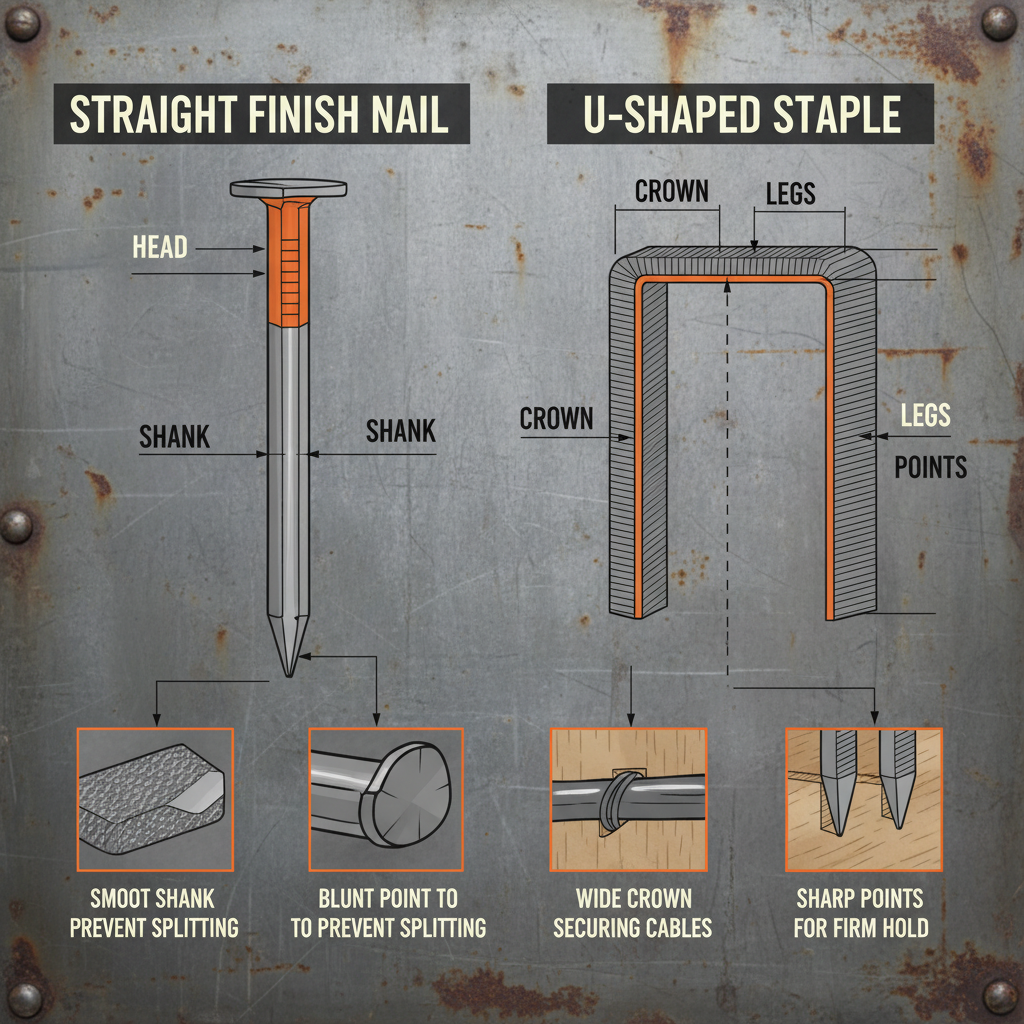
Finish nail gauge is a measurement of the nail's diameter, typically expressed as a number – the higher the number, the thinner the nail. This is important because a thinner nail creates a smaller hole, resulting in less visible damage to the wood and a cleaner finish. Understanding finish nail gauge is crucial for professional results.
Its connection to modern industry is evident in the precision demanded by contemporary furniture manufacturing, cabinet making, and interior finishing. As sustainable building practices gain prominence, minimizing material waste and achieving durable connections with minimal impact become increasingly vital, making accurate finish nail gauge selection a key component of responsible craftsmanship.
The Significance of Finish Nail Gauge in Modern Applications
Modern woodworking and construction rely heavily on consistent, high-quality fastening. Finish nails, with their subtle profile, are ideal for applications where aesthetics are paramount. The correct finish nail gauge prevents wood splitting and ensures a seamless look, crucial for projects like crown molding, trim, and delicate furniture assembly.
Furthermore, the evolution of composite materials and engineered wood products demands a nuanced understanding of finish nail gauge. Different materials require varying gauges to achieve optimal holding power without causing damage. Selecting an inappropriate gauge can compromise the structural integrity and longevity of the final product.
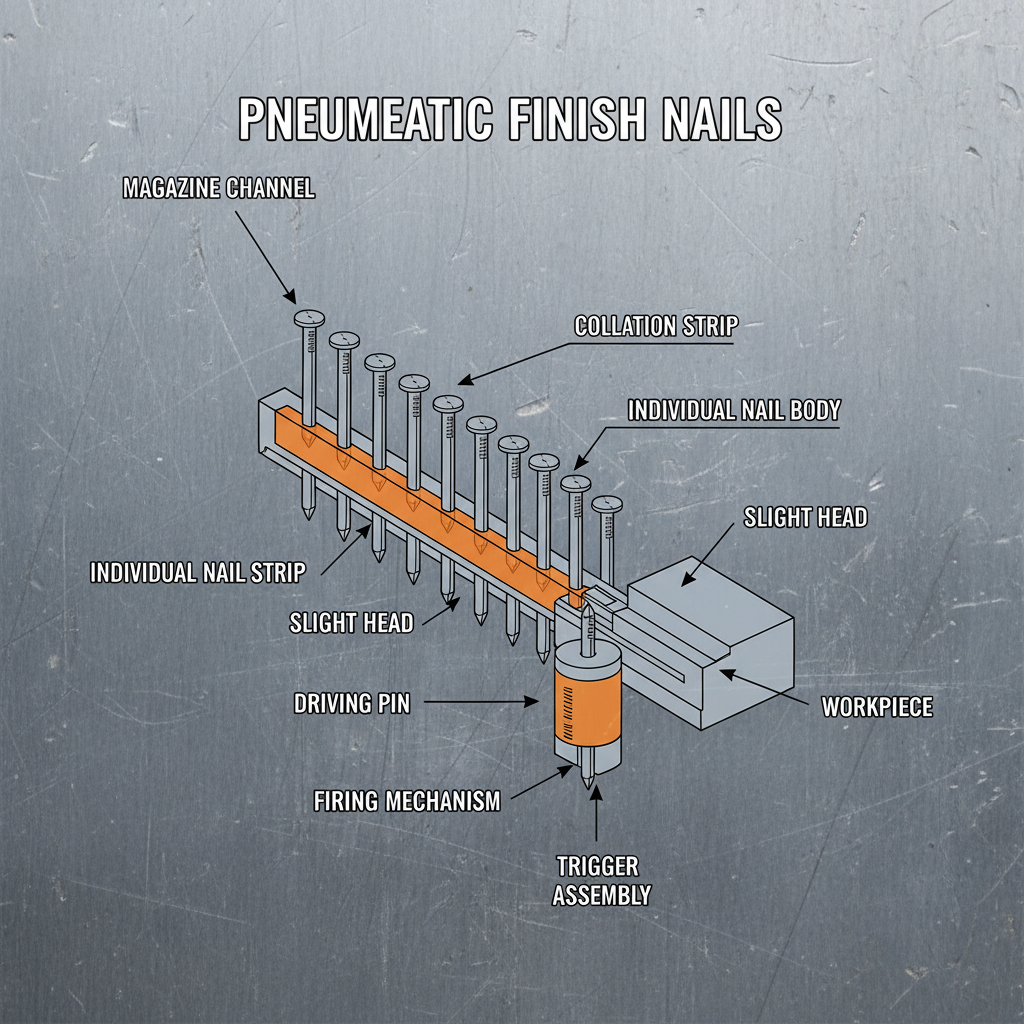
The proliferation of power nailers and pneumatic tools has also heightened the importance of finish nail gauge awareness. These tools deliver nails with significant force, and an incorrectly sized nail can easily cause splitting or bending, leading to wasted materials and project delays.
Key Factors Influencing Finish Nail Gauge Selection
Several factors determine the appropriate finish nail gauge for a given project. The type of wood being used is paramount – hardwoods generally require a thicker gauge than softwoods. The thickness of the material also plays a critical role; thinner materials necessitate a smaller gauge to prevent splitting.
The intended application also dictates the gauge. For example, delicate trim work may require a 18-gauge finish nail, while securing heavier molding might necessitate a 16-gauge or even 15-gauge nail. Considering the required holding power and the desired level of concealment is vital in selecting the right finish nail gauge.
Finally, the type of nailer being used is a significant consideration. Different nailers are designed to accommodate specific gauges. Ensuring compatibility between the nailer and the chosen nail gauge is essential for safe and efficient operation.
Practical Applications Across Industries
The application of finish nail gauge extends across diverse industries. In furniture manufacturing, precise gauge selection ensures a seamless and durable finish, crucial for high-end pieces. Cabinetry benefits from the discrete fastening provided by appropriately gauged finish nails, contributing to both aesthetics and structural stability.
Within the construction sector, finish nails are essential for installing trim, molding, and baseboards. The correct finish nail gauge guarantees a clean, professional look while providing adequate holding power. In the art and framing world, finish nails are used to secure artwork and delicate materials without causing visible damage.
Finish Nail Gauge Comparison - Holding Power & Visibility
Advantages and Long-Term Value
Selecting the correct finish nail gauge offers substantial benefits. Beyond aesthetics, it contributes to structural longevity, reducing the need for frequent repairs or replacements. This cost-effectiveness extends the lifespan of projects and minimizes long-term expenses.
Furthermore, utilizing the appropriate gauge demonstrates a commitment to quality and professionalism, enhancing a builder or craftsman’s reputation. It fosters trust with clients and ensures customer satisfaction, leading to repeat business and positive referrals.
Future Trends and Innovations
The future of finish nail technology is focused on enhancing efficiency and sustainability. We’re seeing advancements in nail materials, with a move towards biodegradable and recycled options. Smart nailers equipped with sensors to automatically adjust gauge and depth based on the material being used are also on the horizon.
The integration of digital design and manufacturing processes will further refine finish nail gauge selection. Software algorithms will analyze project specifications and recommend the optimal gauge for a given application, minimizing waste and maximizing structural integrity.
Increasingly, manufacturers are exploring coatings for finish nails that improve corrosion resistance and enhance holding power, extending the lifespan of projects and reducing maintenance requirements.
Common Challenges and Potential Solutions
One common challenge is accurately identifying wood species and their varying densities. Misidentification can lead to incorrect gauge selection and compromised results. Utilizing wood identification tools and resources can mitigate this risk.
Another issue is the difficulty in achieving consistent results with manual nailing. Power nailers offer greater precision and control, but require proper training and maintenance. Investing in quality tools and providing adequate training for operators is crucial.
Finally, the lack of standardized labeling and terminology can create confusion. Clear, concise labeling that specifies the gauge, shank type, and intended application will enhance clarity and reduce errors.
Summary of Challenges and Solutions Related to Finish Nail Gauge
| Challenge |
Impact on Finish Nail Gauge |
Severity (1-5) |
Potential Solution |
| Wood Species Identification |
Incorrect gauge selected due to inaccurate density assessment. |
3 |
Utilize wood identification guides and tools. |
| Manual Nailing Inconsistency |
Variable nail depth and angle leading to uneven finish. |
4 |
Employ power nailers with depth control. |
| Lack of Standardized Labeling |
Confusion regarding nail specifications and application. |
2 |
Advocate for industry-wide labeling standards. |
| Material Compatibility |
Selecting a gauge inappropriate for composite or engineered wood. |
3 |
Consult material specifications for recommended gauges. |
| Nailer Maintenance |
Malfunctioning nailer impacting consistent gauge delivery. |
2 |
Regularly inspect and maintain nailer functionality. |
| Operator Skill Level |
Inexperienced operators making gauge selection errors. |
4 |
Provide comprehensive operator training on gauge selection. |
FAQS
Finish nails are significantly thinner and designed to create minimal visible holes, prioritizing aesthetics. Common nails are thicker and primarily used for structural applications where concealment isn’t a concern. The finish nail gauge is much smaller, allowing for a cleaner, more refined appearance. Choosing the correct nail depends on the project's goals – a subtle finish versus robust holding power.
Hardwoods, being denser, generally require a thicker finish nail gauge (like 15 or 16 gauge) to prevent bending and ensure secure holding. Softwoods can typically accommodate a thinner gauge (18 or 17 gauge) without splitting. It’s always recommended to test a nail in a scrap piece of the wood to assess its holding power and prevent damage. Considering the wood's density is critical for correct finish nail gauge selection.
A pneumatic finish nailer is highly recommended for speed and precision. However, a hammer and nail set can also be used, though it requires more skill and effort. Safety glasses are essential to protect your eyes from flying debris. A wood filler and sandpaper are useful for concealing nail holes for a truly seamless finish. Make sure your nailer is compatible with the chosen finish nail gauge.
Several techniques can prevent splitting. Pre-drilling pilot holes, especially near the edges of the wood, is highly effective. Using a slightly thicker finish nail gauge can also help. Angling the nail slightly can distribute the force and reduce the risk of splitting. Always ensure the wood is properly supported during nailing.
18-gauge finish nails are ideal for delicate trim work, molding installation, and crafting projects where minimal visibility is crucial. They’re commonly used for attaching decorative elements, securing thin veneer, and assembling small furniture pieces. Their small size makes them less likely to split fragile materials, offering a clean and professional finish.
Both brad nailers and finish nailers use small-gauge nails, but they differ in size and holding power. Brad nailers use 18-gauge brad nails, which are even thinner than finish nails. Finish nailers typically use 15-17 gauge nails and offer more holding power. Brad nailers are best for very delicate work, while finish nailers are suited for more substantial applications.
Conclusion
Understanding finish nail gauge is paramount for achieving professional results in woodworking and construction. From ensuring aesthetic appeal to guaranteeing structural integrity, selecting the appropriate gauge for a given application is crucial. The key takeaways are the importance of considering wood type, material thickness, application demands, and tool compatibility.
Looking ahead, advancements in nail technology and materials will continue to refine the process, offering even greater efficiency and sustainability. By staying informed about these innovations and prioritizing quality craftsmanship, professionals and DIY enthusiasts alike can elevate their projects to new levels of excellence. For a wide selection of finish nails and related products, visit our website: www.sxj-staple.com.