Finish nails, small, nearly headless nails, are a cornerstone of modern woodworking and construction. Their discreet nature makes them ideal for applications where a visible fastener would detract from the finished aesthetic. From delicate trim work to assembling furniture, the versatility of the finish nail is unparalleled. Understanding their properties, appropriate uses, and emerging trends is crucial for both professionals and DIY enthusiasts alike.
The global demand for finish nails is intrinsically linked to the growth of the construction, furniture manufacturing, and renovation sectors. With increasing urbanization and a rising middle class worldwide, particularly in developing nations, the need for quality housing and aesthetically pleasing interiors is steadily increasing, driving demand. According to reports from the World Bank, construction is a significant contributor to GDP in many countries, further highlighting the importance of fastening solutions like the finish nail.
However, current methods of finish nail production and application can contribute to waste and inefficiency. Rising material costs, coupled with concerns about sustainability, present challenges to the industry. Exploring innovative materials and more efficient application techniques are key to addressing these issues and ensuring a viable future for finish nail technology.
Definition and Characteristics of finish nail
A finish nail is a slender, wire nail designed for light-duty fastening where minimal visibility is desired. Distinguished by its small head, often slightly below the surface after installation, the finish nail blends seamlessly into the wood. They are commonly used in interior trim, molding, cabinetry, and furniture assembly where aesthetics are paramount.
The significance of the finish nail lies in its ability to provide a secure connection without detracting from the visual appeal of a project. In modern craftsmanship, where precision and detail are highly valued, the finish nail has become an indispensable tool. A quality finish nail ensures both structural integrity and a clean, professional look.
The Material Science Behind finish nail
Traditionally, finish nails are manufactured from steel, but variations exist to enhance performance and corrosion resistance. Common materials include carbon steel, which offers strength and affordability, and stainless steel, ideal for outdoor or moisture-prone applications. The steel's composition directly impacts the nail’s ductility, preventing brittleness and ensuring it bends rather than snaps under stress.
The manufacturing process involves drawing wire through a die to achieve the desired gauge (diameter) and then shaping the head. Surface treatments, like galvanization or coating with polymers, further enhance the finish nail’s resistance to rust and corrosion. These treatments are crucial for ensuring longevity, particularly in environments with high humidity.
Ongoing research focuses on alternative materials, such as bio-based polymers and recycled metals, to create more sustainable finish nail options. These advancements aim to reduce the environmental impact of nail production without compromising strength or durability.
The Versatility of finish nail Gauges and Lengths
Finish nails come in a wide variety of gauges and lengths to suit different applications and wood thicknesses. Gauge refers to the diameter of the nail, with higher numbers indicating thinner nails. Common gauges range from 16 to 21. Lower gauges (e.g., 16) offer greater holding power but are more visible, while higher gauges (e.g., 21) are nearly invisible but suitable for lighter-duty tasks.
Length is equally important. A general rule of thumb is that the nail should penetrate the receiving wood at least two-thirds of its length. Shorter nails are used for thin materials, while longer nails are needed for thicker wood or when a stronger hold is required. Proper nail selection is crucial for preventing splitting or weakening the wood.
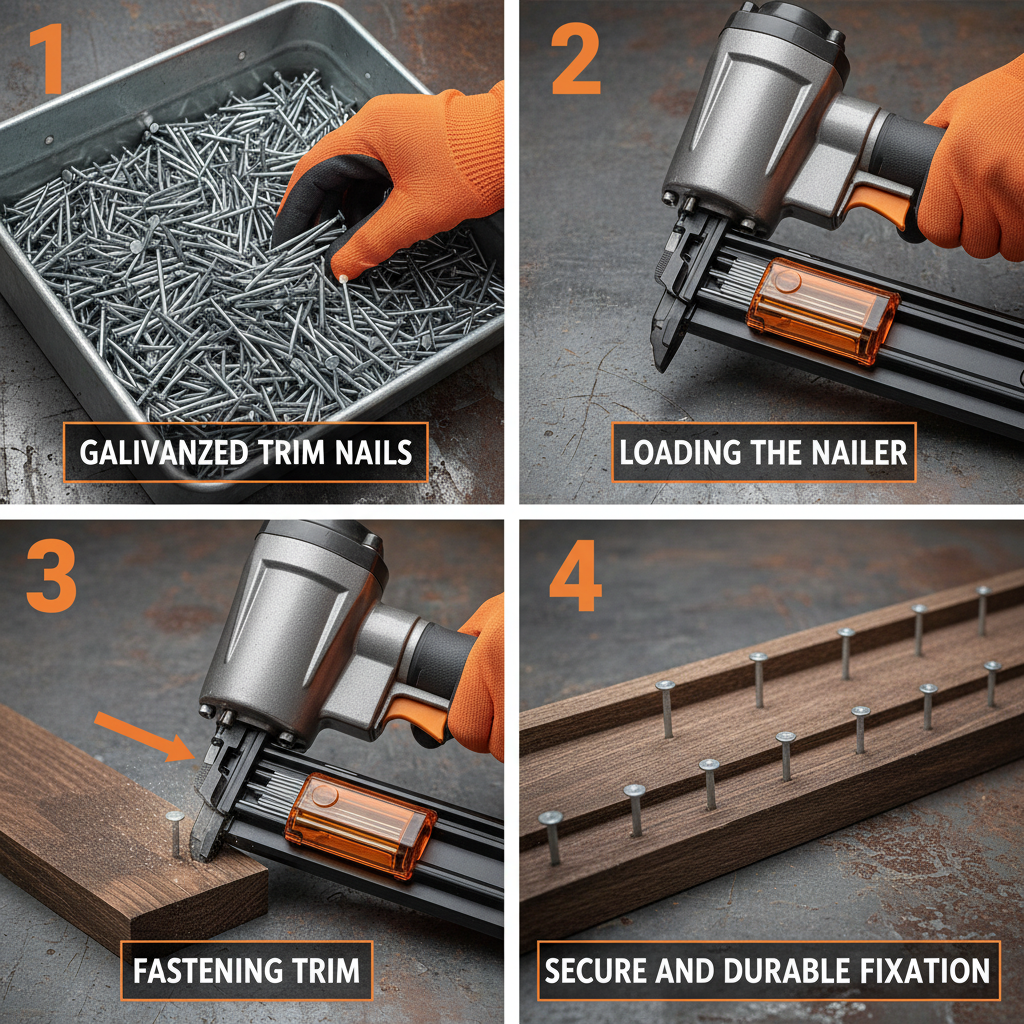
The appropriate finish nail selection depends on the specific project requirements. For example, installing delicate molding requires a finer gauge and shorter length than assembling a piece of furniture. Utilizing a pneumatic nailer with adjustable depth control can greatly improve precision and prevent damage to the workpiece.
The Impact of finish nail on Project Aesthetics
The primary advantage of a finish nail lies in its minimal visual impact. The small head allows it to be easily set below the surface of the wood, creating a clean and seamless appearance. This is particularly important in applications where aesthetics are paramount, such as fine furniture making, intricate trim work, and decorative molding.
Skillful use of finish nails requires careful setting and filling techniques. After driving the nail, the head is typically countersunk using a nail set. The resulting small hole is then filled with wood filler, sanded smooth, and finished to match the surrounding wood. This process ensures that the nail is virtually invisible, leaving behind only a strong and durable joint.
Comparison of Finish Nail Methods
Global Applications of finish nail in Construction
Finish nails are utilized globally in a vast range of construction and woodworking projects. In North America and Europe, they are extensively used in interior finishing, including the installation of baseboards, crown molding, and door casings. In Asia, where traditional woodworking techniques are prevalent, finish nails are integral to creating intricate furniture and decorative elements.
In post-disaster relief operations, prefabricated housing often relies on finish nails for assembling interior components and securing lightweight materials. The speed and ease of use of finish nails contribute to the rapid deployment of shelter. Similarly, in remote industrial zones, where skilled labor may be limited, the simplicity of using finish nails makes them a valuable fastening solution.
The Long-Term Cost-Effectiveness of finish nail
While the upfront cost of finish nails may be slightly higher than some other fastening methods, their long-term cost-effectiveness is substantial. The minimal damage to the wood, combined with the ease of concealment, reduces the need for extensive repairs or rework. This translates to significant savings in both labor and materials.
Furthermore, the durability of finish nails, particularly those made from stainless steel or with protective coatings, minimizes the risk of corrosion and failure, ensuring a long-lasting and reliable connection. Investing in quality finish nail reduces the likelihood of premature replacement, contributing to long-term cost savings.
From an environmental perspective, the efficient use of materials and the reduced need for repairs also contribute to cost-effectiveness by minimizing waste and resource consumption.
Future Trends in finish nail Technology
The future of finish nail technology is poised for innovation, driven by sustainability concerns and advancements in materials science. Bio-based nails, made from renewable resources, are gaining traction as environmentally friendly alternatives to traditional steel nails. These materials offer a reduced carbon footprint and contribute to a more sustainable construction industry.
Automation and precision nailing systems are also emerging trends. Robotic nailing machines, equipped with advanced sensors and software, can achieve greater accuracy and efficiency, reducing waste and improving product quality. The integration of digital technologies, such as Building Information Modeling (BIM), allows for optimized nail placement and selection based on project specifications.
Further research into corrosion-resistant coatings and self-healing materials promises to enhance the durability and longevity of finish nails, reducing the need for replacements and minimizing environmental impact.
Summary of Key Factors Influencing finish nail Performance
| Material Composition |
Gauge and Length |
Corrosion Resistance |
Application Method |
| Carbon Steel |
18 Gauge, 2 inch |
Moderate |
Pneumatic Nailer |
| Stainless Steel |
20 Gauge, 1.5 inch |
Excellent |
Manual Hammer |
| Galvanized Steel |
16 Gauge, 2.5 inch |
Good |
Coil Nailer |
| Bio-Based Polymer |
22 Gauge, 1 inch |
Limited |
Manual Hammer |
| Alloy Steel |
19 Gauge, 1.75 inch |
Very Good |
Brad Nailer |
| Recycled Steel |
17 Gauge, 2.25 inch |
Moderate |
Pneumatic Nailer |
FAQS
To minimize wood splitting, select a nail gauge appropriate for the wood’s thickness. Pre-drilling pilot holes, especially in hardwoods, is highly recommended. Also, avoid driving nails too close to the edge of the wood and use a nail set to countersink the head gently, reducing stress on the surrounding fibers. Always ensure you are using a quality finish nail.
Gauge selection depends on the wood type and the application. For delicate trim and thin materials, a higher gauge (e.g., 21) is best. For stronger holding power in thicker wood, a lower gauge (e.g., 16) is more appropriate. Consider the visibility requirement – higher gauges are less noticeable.
Both are small-headed nails, but brad nails are thinner and have a smaller head than finish nails. Brad nails are ideal for very delicate work where minimal visibility is crucial, while finish nails offer more holding power for slightly more substantial applications.
Standard steel finish nails are not ideal for outdoor use as they will rust. Stainless steel or galvanized finish nails are necessary for exterior applications. These materials provide corrosion resistance, ensuring the nails maintain their strength and integrity over time.
After countersinking the nail, fill the hole with wood filler that matches the wood’s color. Allow the filler to dry completely, then sand it smooth with fine-grit sandpaper. Finally, apply a finish (stain, paint, or varnish) to blend the repaired area seamlessly with the surrounding surface.
Essential tools include a nail gun (pneumatic or electric) for faster application, a nail set for countersinking, a hammer for manual driving (though less precise), wood filler for concealing holes, sandpaper for smoothing, and a finish applicator (brush, roller, or sprayer).
Conclusion
In conclusion, the finish nail remains an indispensable fastening solution, offering a blend of strength, versatility, and aesthetic appeal. From delicate trim work to robust construction projects, its ability to provide a secure connection without compromising visual integrity makes it a cornerstone of modern woodworking. Understanding its properties, appropriate applications, and emerging trends is vital for achieving professional results.
As the industry moves toward more sustainable practices, the development of bio-based and recycled finish nail options will be crucial. Investing in innovative technologies, such as automated nailing systems and advanced coatings, will further enhance efficiency and longevity. Visit our website at www.sxj-staple.com to explore our range of high-quality finish nails and discover the perfect solution for your next project.