
Talk With Us
+86-13601661296
Email Address
admin@sxjbradnail.com
Talk With Us
+86-13601661296Email Address
admin@sxjbradnail.com
The world of woodworking and construction relies heavily on fasteners, and among these, finish nails hold a unique position. These small, delicate nails aren’t meant for structural integrity but for adding the final, refined touches to projects. Understanding the different types of finish nails available—their gauges, head styles, and materials—is crucial for achieving professional-looking results, minimizing damage to the wood, and ensuring the longevity of the finished piece. From intricate trim work to delicate furniture assembly, selecting the right finish nail can make all the difference.
Globally, the demand for finish nails is substantial, driven by robust construction and furniture industries, particularly in regions undergoing rapid urbanization and infrastructure development. According to industry reports, the global nail market was valued at approximately $14.8 billion in 2023 and is projected to reach $17.2 billion by 2028. This growth reflects not just new construction, but also renovation and remodeling activities. However, a common challenge exists: selecting the appropriate nail for the task, leading to issues like wood splitting, visible nail heads, or inadequate holding power.
Furthermore, advancements in nail gun technology and a growing emphasis on aesthetically pleasing finishes are also driving demand for specialized types of finish nails. The increasing popularity of DIY projects and home improvement activities further contributes to this market growth, making a comprehensive understanding of different finish nail types increasingly valuable for both professionals and hobbyists.

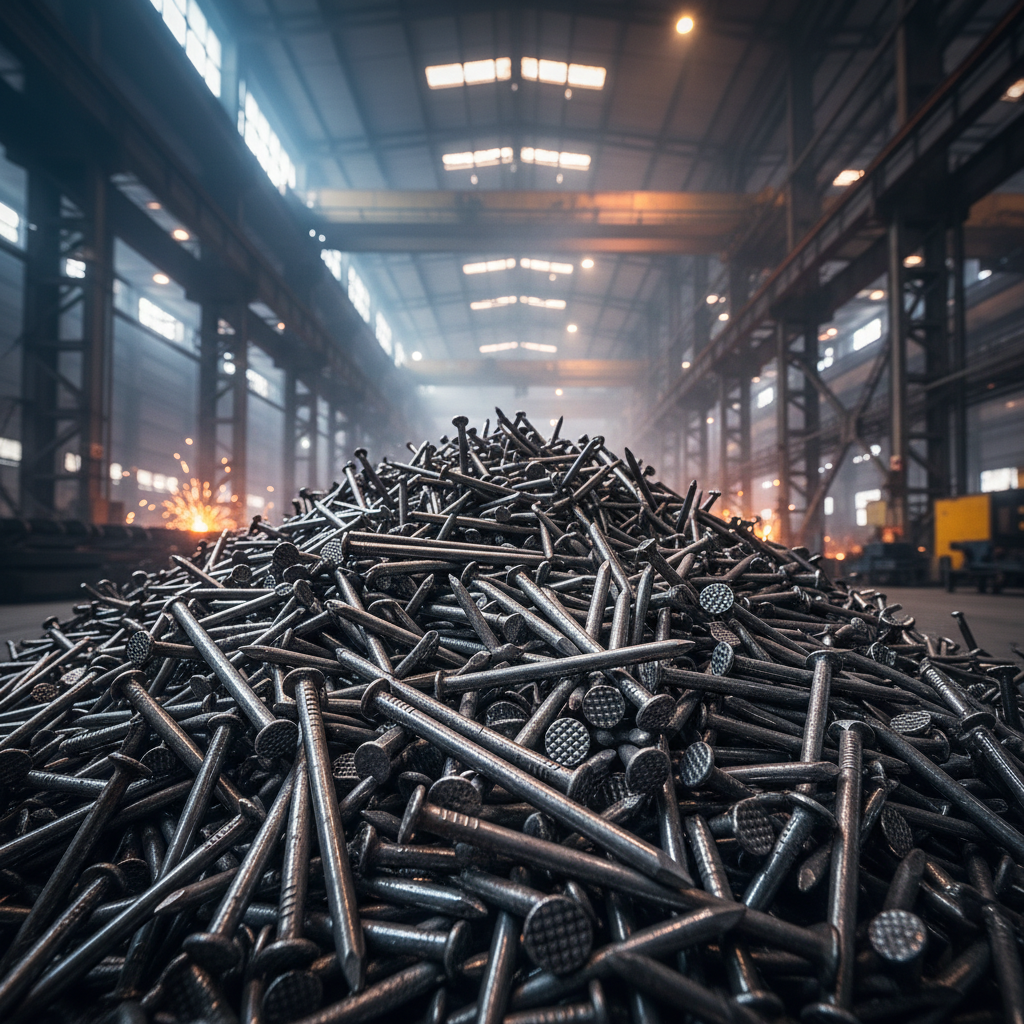
Essentially, types of finish nails are designed for delicate fastening where minimal visual impact is desired. Unlike common nails, finish nails have a smaller diameter (gauge) and a nearly invisible head. They are used to secure trim, molding, baseboards, crown molding, paneling, and other decorative elements, as well as in furniture assembly. Their primary purpose is to hold pieces together while glue sets, or to provide a subtle, discreet fastening solution.
Their connection to modern industry and humanitarian needs lies in their versatility and accessibility. The construction and furniture industries worldwide utilize vast quantities of finish nails, supporting countless jobs and contributing to economic growth. Even in disaster relief scenarios, prefabricated shelters and temporary housing often rely on finish nails for assembling interior features and securing lightweight materials, providing quick and efficient construction solutions.
Finish nails are commonly made from steel, stainless steel, or brass. Steel nails are the most economical option, suitable for interior projects where moisture isn’t a significant concern. However, they are prone to corrosion, especially in humid environments. Stainless steel nails offer excellent corrosion resistance, making them ideal for outdoor applications or projects exposed to moisture.
Brass nails, while more expensive, provide exceptional corrosion resistance and add a decorative touch, often used in marine applications or projects requiring a unique aesthetic. The choice of material depends heavily on the project's environment and desired longevity. Using steel nails outdoors, for example, will likely result in rust stains and compromised fastening over time.
The applications of types of finish nails are remarkably diverse globally. In North America and Europe, they are extensively used in residential construction, furniture manufacturing, and cabinetry. The demand for high-quality, aesthetically pleasing finishes drives the use of finer gauge nails and specialized head styles.
In Asia, particularly in rapidly developing economies like China and India, finish nails are vital for both large-scale construction projects and the burgeoning furniture industry. In South America, they are used in a mix of residential, commercial, and artisanal applications, often adapting to local wood types and construction techniques. Even in remote regions, their portability and ease of use make them invaluable for assembling temporary shelters or repairing existing structures.
Selecting the correct finish nail yields tangible benefits. Cost savings come from minimizing material waste and rework due to splitting or improper fastening. The right nail ensures a stronger, more durable connection, increasing the longevity of the finished product. Furthermore, using the appropriate nail enhances the aesthetic appeal, resulting in a cleaner, more professional finish.
Beyond the practical, there's a psychological benefit – peace of mind. Knowing that a project is securely fastened with the correct materials instills confidence and pride in the workmanship. This is especially important for professionals seeking to build a reputation for quality and reliability.
The future of finish nail technology is leaning towards sustainability and automation. Bio-degradable nail materials are being explored, offering an environmentally friendly alternative to traditional steel or aluminum. Furthermore, advancements in nail gun technology, including smart nailers with sensors that detect wood density and automatically adjust driving depth, are improving efficiency and reducing errors.
Digital integration is also emerging. Some manufacturers are developing nail tracking systems that allow users to monitor nail usage, inventory, and even track project costs. This data-driven approach can help streamline operations and improve overall project management.
| Nail Gauge | Typical Applications | Corrosion Resistance | Cost (1-5, 5 being highest) |
|---|---|---|---|
| 16 Gauge | Heavy trim, hardwood fastening | Low (Steel) | 1 |
| 18 Gauge | General trim work, cabinetry | Medium (Galvanized Steel) | 2 |
| 20 Gauge | Delicate trim, paneling | High (Stainless Steel) | 3 |
| 21 Gauge | Fine trim, molding | Very High (Brass) | 5 |
| 22 Gauge | Veneer application, delicate crafts | Medium (Galvanized) | 2 |
| 23 Gauge | Extremely delicate work, miniature projects | Low (Steel) | 1 |
While often used interchangeably, finish nails generally have a slightly larger head than brad nails, providing more holding power. Brad nails, with their tiny heads, are preferred for applications where minimal visibility is crucial, like delicate trim work or assembling small projects. Gauge is also a factor, with brad nails typically being a higher gauge (thinner) than many finish nails.
Wood splitting can be avoided by using a nail gauge appropriate for the wood type – thinner for softwoods, thicker for hardwoods. Pre-drilling a pilot hole, especially near the edges of the wood, is also highly recommended. Using a nail set to drive the nail head slightly below the surface can prevent the wood from splintering around the nail head.
Nail gauge refers to the diameter of the nail shaft, with higher numbers indicating thinner nails. Choosing the right gauge depends on the wood density and the application. For softwoods and delicate work, a higher gauge (e.g., 23) is suitable. Hardwoods require a lower gauge (e.g., 16-18) for sufficient holding power.
If the project will be exposed to moisture or is located outdoors, stainless steel finish nails are absolutely worth the investment. They provide superior corrosion resistance, preventing rust stains and ensuring long-term durability. While more expensive upfront, they save money in the long run by avoiding premature failure and costly repairs.
Yes, finish nails can be driven with a hammer, but it requires more skill and patience to avoid bending or damaging the nail. Using a nail set to countersink the head is also essential when using a hammer. A nail gun offers greater speed, consistency, and control, especially for larger projects.
The best method depends on the size of the hole and the desired finish. For small holes, wood filler is often sufficient. Apply the filler, allow it to dry completely, and then sand it smooth. For larger holes, a wood patch or wood plug may be necessary. Always prime the filled area before painting or staining.
Understanding the nuances of types of finish nails—from their gauge and length to their material composition and head styles—is paramount for achieving professional results in woodworking and construction. Selecting the correct nail for each application not only ensures a secure and durable fastening but also enhances the aesthetic appeal of the finished product, minimizing visible imperfections and maximizing longevity.
Looking ahead, the future of finish nail technology promises even greater efficiency, sustainability, and precision. Embracing innovations like biodegradable materials and smart nailers will empower professionals and hobbyists alike to create high-quality projects with minimal environmental impact. For further information on finish nails, including specific applications and purchasing options, visit our website: www.sxj-staple.com.