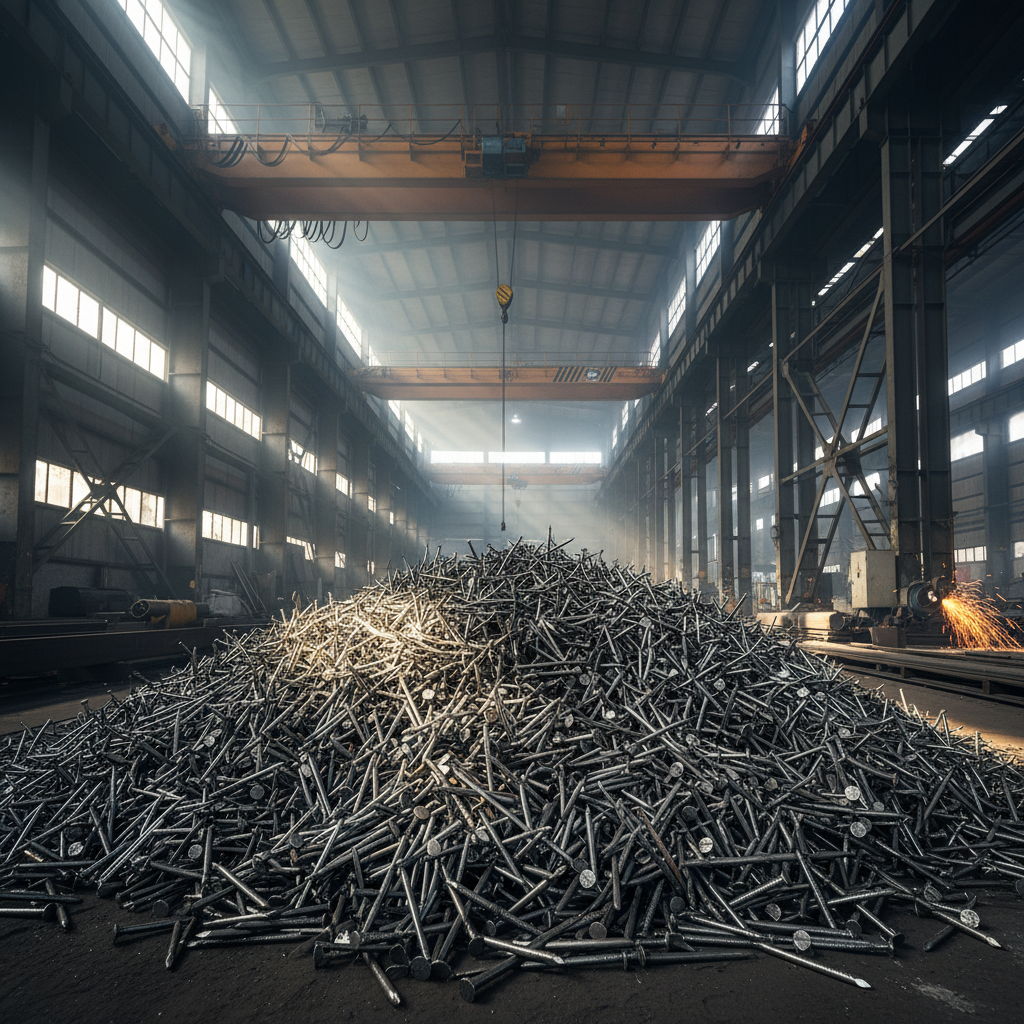
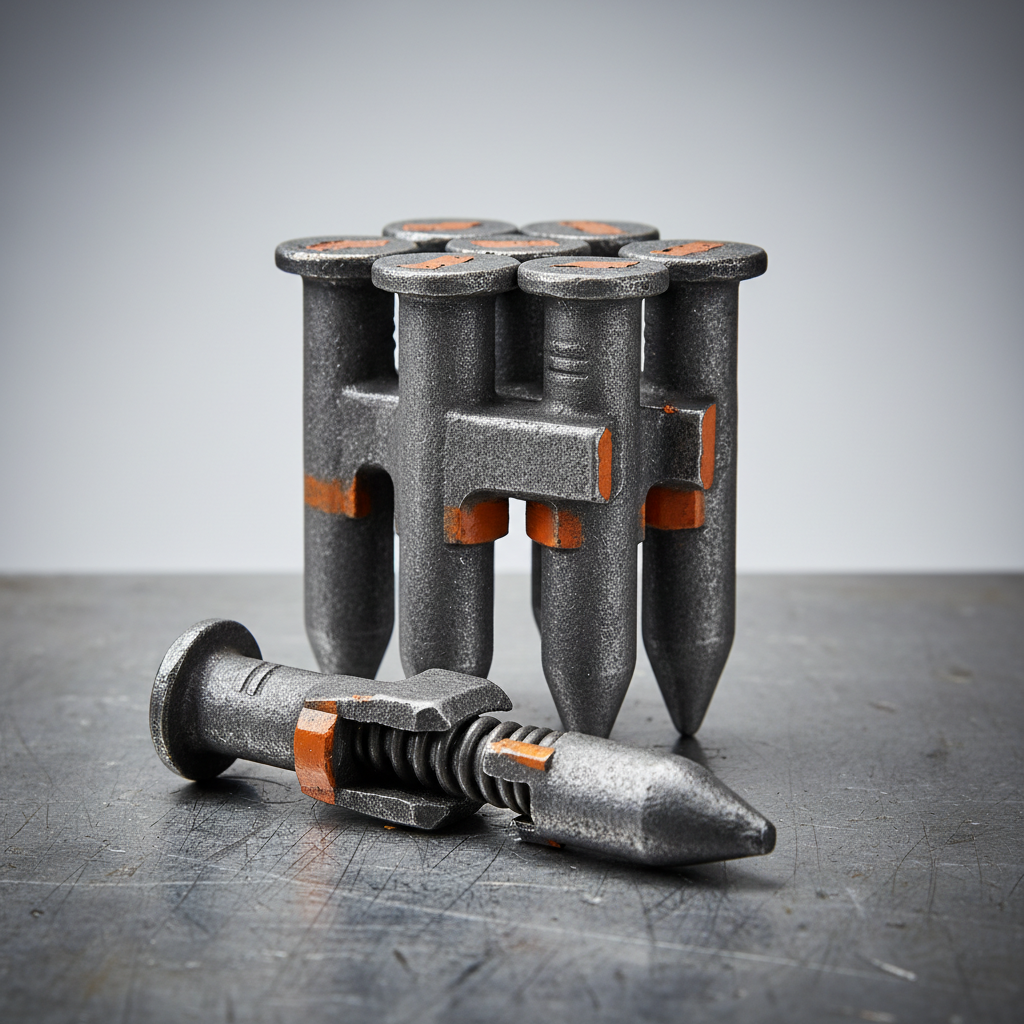
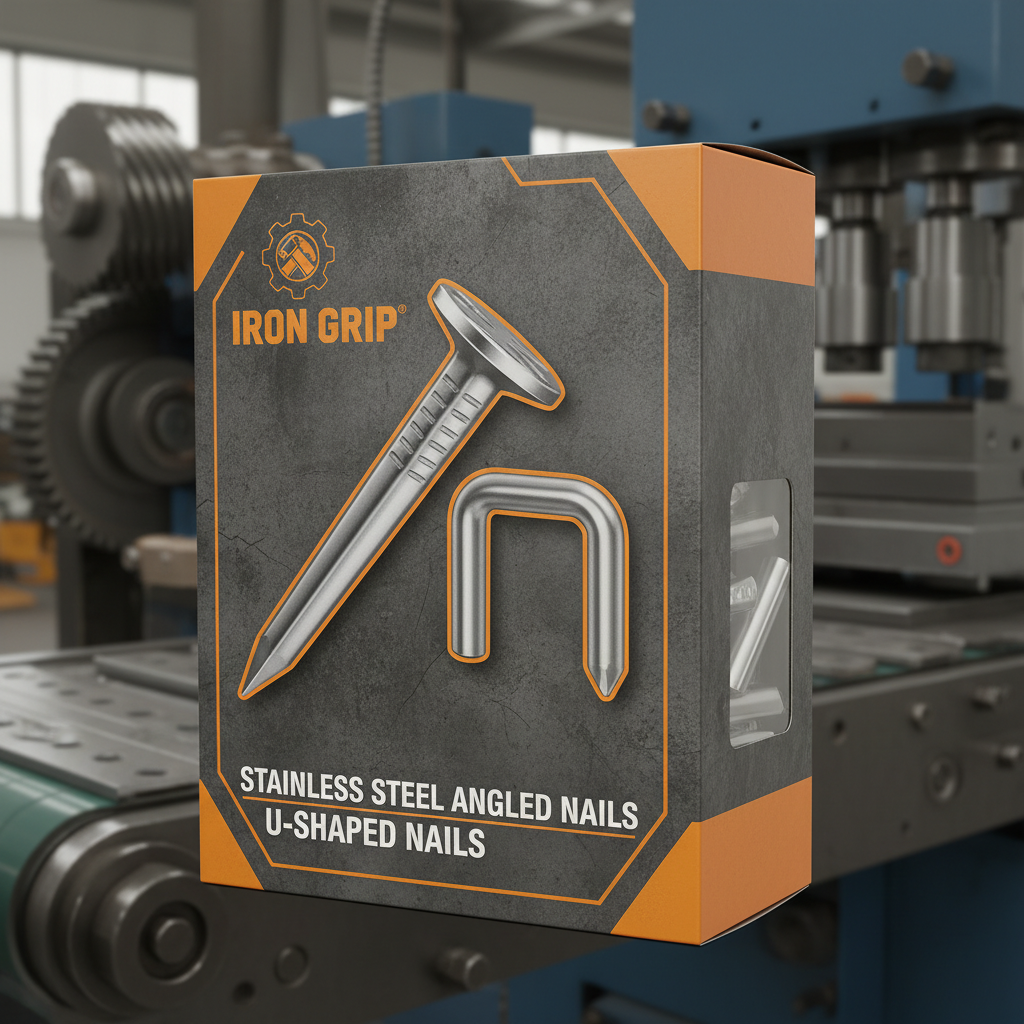
Bulk finish nails are essential fasteners utilized across a vast spectrum of industries, from construction and woodworking to furniture manufacturing and upholstery. Their primary function is to provide a secure and aesthetically pleasing fastening solution, often used for trim, molding, and other finishing work. The demand for these nails is globally significant, driven by ongoing construction projects, infrastructure development, and the consistently evolving needs of the furniture and renovation sectors. Understanding the nuances of bulk finish nails – their types, materials, and applications – is crucial for professionals and DIY enthusiasts alike.
The global market for fasteners, including bulk finish nails, is projected to continue its growth trajectory, fueled by urbanization and increasing disposable incomes, particularly in emerging economies. The United Nations estimates that nearly 68% of the world’s population will live in urban areas by 2050, driving demand for housing and infrastructure. This growth necessitates efficient and reliable fastening solutions. However, challenges remain, including fluctuating raw material costs and the need for sustainable manufacturing practices within the bulk finish nails industry.
Investing in a thorough understanding of bulk finish nails equips individuals and businesses with the knowledge to make informed purchasing decisions, optimize project efficiency, and ensure the longevity and structural integrity of their work. The right nail, correctly applied, can significantly impact the quality, durability, and overall aesthetic appeal of any project relying on this crucial component.
Introduction: Global or Industry Context
Bulk finish nails represent a cornerstone of the global fastening industry, impacting diverse sectors like construction, furniture production, and interior finishing. Their production and consumption are intimately linked to economic growth, construction activity, and consumer spending patterns worldwide. The sheer volume of finish nails utilized annually highlights their indispensable role in modern building practices and manufacturing processes.
The demand for high-quality finish nails is particularly strong in regions undergoing rapid urbanization and infrastructure development, such as Asia-Pacific and Latin America. These areas are experiencing a surge in residential and commercial construction, which directly translates to an increased need for reliable and efficient fastening solutions. According to the World Bank, global construction spending is projected to reach $8 trillion by 2030, underscoring the long-term viability of the bulk finish nails market.
However, the industry faces challenges such as fluctuating steel prices, increasing environmental regulations, and the demand for more sustainable fastening solutions. Manufacturers are actively seeking innovative materials and production processes to address these concerns and remain competitive in a dynamic global landscape.
Definition & Meaning
Bulk finish nails, in their simplest definition, are small, slender nails designed primarily for completing the finishing stages of woodworking and construction projects. Unlike coarser nails used for structural framing, finish nails are intended to be less visible once the work is complete. They are typically characterized by a small head, often designed to be set below the surface of the wood and filled, creating a smooth and seamless appearance.
The concept of a dedicated ‘finish’ nail reflects the evolution of woodworking and building practices. Historically, a single type of nail was used for all applications. However, as aesthetics and craftsmanship became increasingly valued, the need for a nail that minimized visual impact and maximized finish quality arose. This led to the development and refinement of the modern finish nail.
In the context of modern industry and even humanitarian efforts, the availability of readily accessible and affordable bulk finish nails can significantly accelerate project timelines and improve the quality of construction. From building emergency shelters to rapidly assembling furniture, these nails are a critical component in ensuring efficient and effective outcomes.
Key Factors or Core Components
Durability: The material composition of bulk finish nails – typically steel, stainless steel, or brass – directly impacts their resistance to corrosion, bending, and shear forces. Selecting the appropriate material for the intended application is paramount.
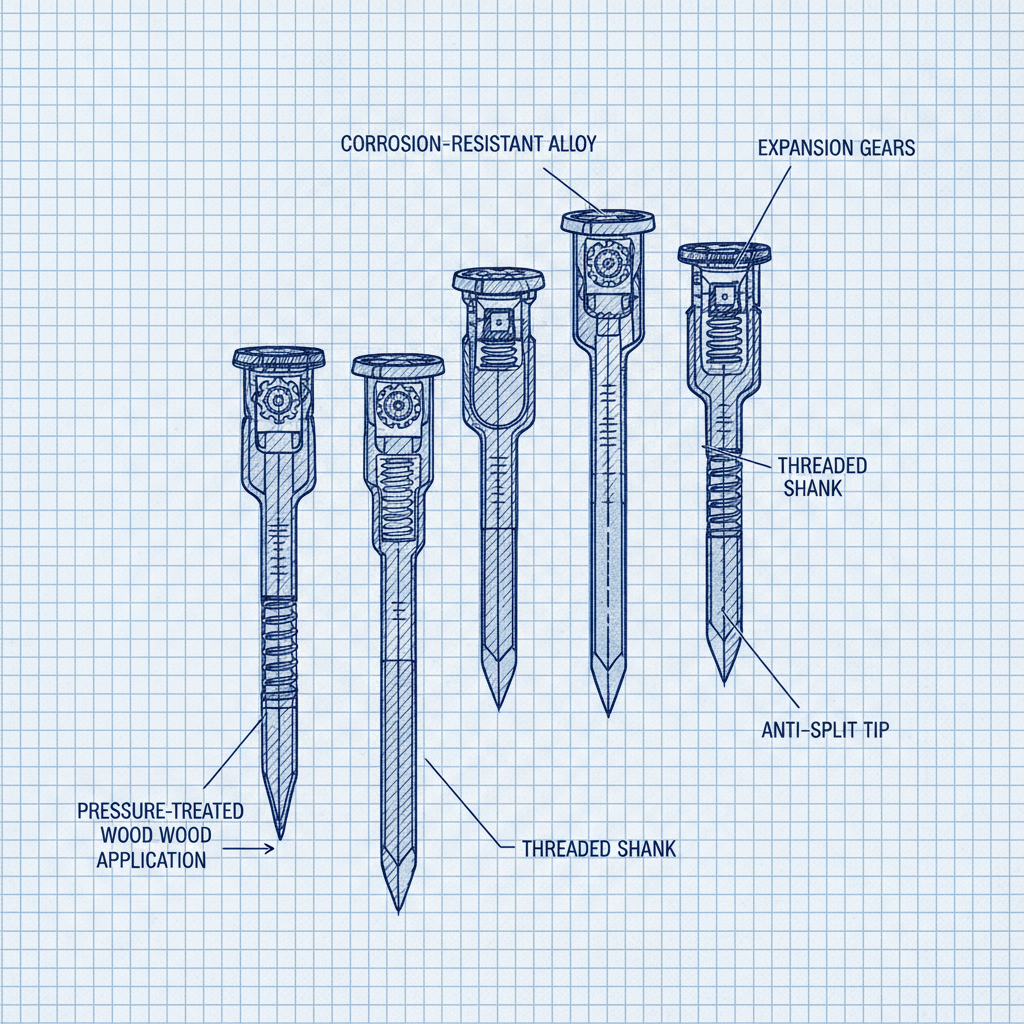
Gauge and Length: Nail gauge (thickness) and length are critical factors determining holding power and suitability for different materials. Thicker nails offer greater strength, while longer nails provide a deeper grip. Matching these specifications to the wood or material being fastened is essential for preventing splitting or weakening the joint.
Head Type: The head type – including brad, pin, and countersunk – influences the nail's visibility and ease of setting. Brad nails have a very small head, ideal for applications where minimal visibility is desired, while countersunk nails are designed to be fully recessed beneath the surface.
Finish: Coatings like zinc plating, hot-dip galvanization, or powder coating enhance corrosion resistance, extending the lifespan of the nails, especially in outdoor or humid environments.
Shank Type: Smooth, ringed, or spiral shanks affect the nail's holding power. Ringed or spiral shanks provide greater resistance to pull-out.
Global Applications & Use Cases
Bulk finish nails find widespread application in the construction of residential and commercial buildings, particularly for installing trim, molding, baseboards, and door frames. They are indispensable in furniture manufacturing, where they are used to assemble frames, attach upholstery, and secure decorative elements.
In post-disaster relief operations, bulk finish nails are frequently utilized in the rapid construction of temporary shelters and the repair of damaged structures. Their ease of use and relatively low cost make them an ideal choice for quickly addressing urgent housing needs. Similarly, in remote industrial zones, where access to specialized equipment may be limited, these nails provide a reliable and accessible fastening solution.
Beyond these core applications, bulk finish nails are employed in a variety of specialized areas, including cabinetry, picture framing, and the creation of decorative items. The versatility and affordability of these fasteners contribute to their continued popularity across diverse industries and geographic regions.
Performance of bulk finish nails Across Various Application Methods
Advantages & Long-Term Value
The primary advantage of using bulk finish nails lies in their cost-effectiveness. Purchasing in bulk significantly reduces the per-nail cost compared to individual purchases, making them ideal for large-scale projects. This cost efficiency, combined with their ease of use, translates into significant labor savings.
From a sustainability standpoint, choosing durable and corrosion-resistant finish nails minimizes the need for frequent replacements, reducing waste and environmental impact. Furthermore, the structural integrity provided by correctly installed finish nails enhances the longevity of projects, contributing to long-term value and reducing the need for costly repairs. The peace of mind knowing a project is securely fastened, contributing to safety and stability, is an immeasurable benefit.
Future Trends & Innovations
The future of bulk finish nails is likely to be shaped by advancements in materials science and manufacturing technologies. The development of bio-based or recycled nail materials is gaining traction, addressing the growing demand for sustainable building products.
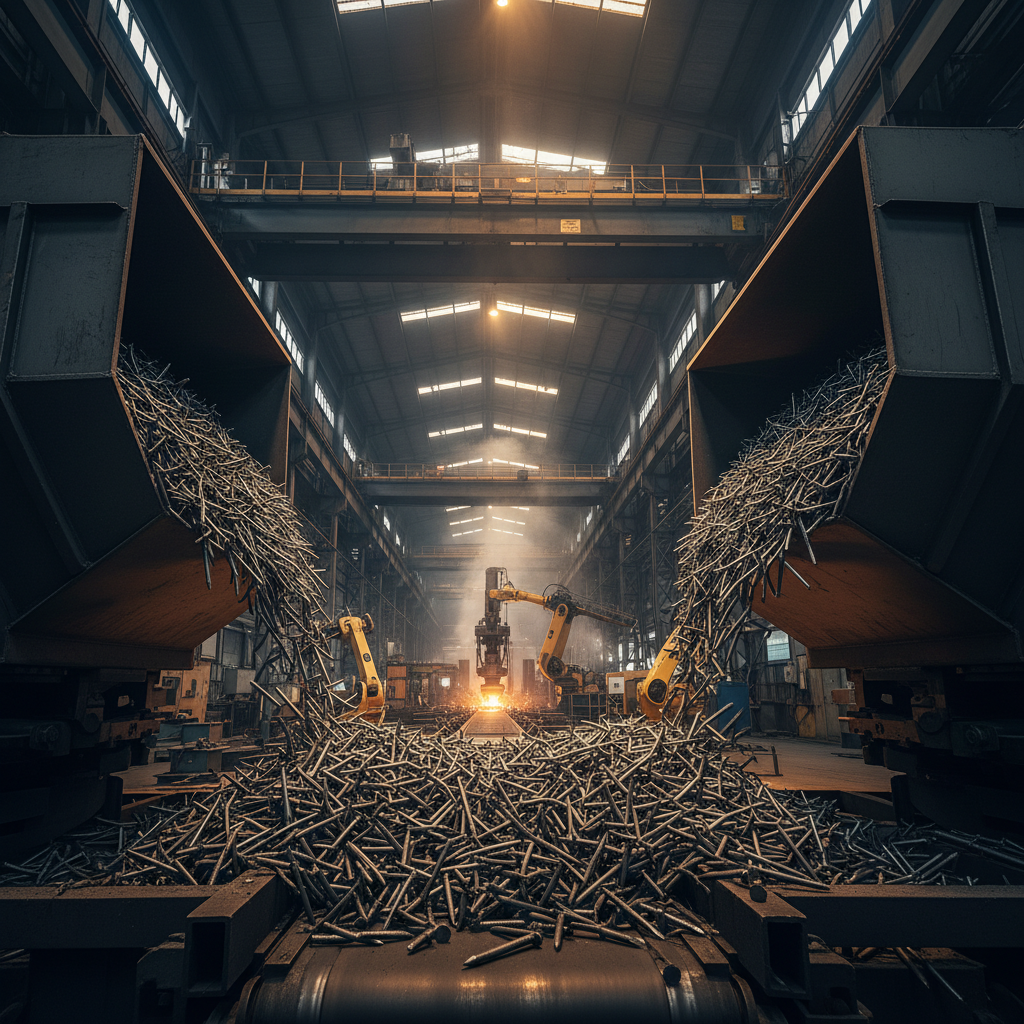
Automation and digital integration are also poised to play a significant role. Automated nail driving systems, coupled with quality control sensors, can improve efficiency and consistency in large-scale production environments. Furthermore, the integration of smart technology, such as RFID tags, could enable better inventory management and traceability throughout the supply chain.
Challenges & Solutions
One of the primary challenges facing the bulk finish nails industry is the volatility of raw material prices, particularly steel. Fluctuations in global steel markets can significantly impact production costs and profitability. To mitigate this risk, manufacturers are exploring diversification of material sourcing and investment in more efficient production processes.
Another challenge is the need to reduce the environmental impact of nail production. This can be addressed through the adoption of cleaner manufacturing technologies, the use of recycled materials, and the development of biodegradable coating options.
Finally, ensuring consistent quality control is crucial. Implementing robust quality assurance systems and investing in employee training can help manufacturers maintain high standards and minimize defects.
Table Summarizing Solutions to Common Challenges in bulk finish nails Production and Application
| Challenge |
Solution Category |
Specific Implementation |
Expected Impact |
| Raw Material Price Volatility |
Sourcing & Procurement |
Diversify supplier base, long-term contracts |
Stabilized costs, reduced risk |
| Environmental Impact |
Manufacturing Process |
Implement closed-loop water systems, reduce energy consumption |
Lower carbon footprint, improved sustainability |
| Quality Control Consistency |
Quality Assurance |
Automated inspection systems, regular material testing |
Reduced defects, enhanced product reliability |
| Corrosion Resistance |
Material Science |
Utilize stainless steel or advanced coatings |
Extended product lifespan, reduced maintenance |
| Labor Costs |
Automation |
Invest in automated nail driving and packaging systems |
Increased efficiency, reduced labor expenses |
| Supply Chain Disruptions |
Logistics & Inventory |
Strategic warehousing, build buffer stock |
Improved supply chain resilience, minimized delays |
FAQS
While both are used for finishing work, brad nails are thinner and have a smaller head, making them virtually invisible once installed. Finish nails are slightly thicker and have a larger head, providing greater holding power but requiring filling and sanding. Choosing between the two depends on the desired aesthetic and the strength required for the application. Bulk finish nails cater to a range of these requirements.
Bulk finish nails are most commonly made from steel, often with a zinc or other protective coating to prevent corrosion. Stainless steel nails are available for applications requiring superior corrosion resistance, such as outdoor projects or humid environments. Brass nails are also used, primarily for decorative purposes. The best material depends on the specific use case.
The gauge (thickness) and length of the nail should be appropriate for the material being fastened. Thicker nails provide greater holding power, while longer nails offer a deeper grip. As a general rule, the nail should penetrate at least twice the thickness of the material it's entering. Consult a woodworking guide or expert for specific recommendations based on your project.
To prevent splitting, pre-drilling pilot holes is often recommended, especially when working with hardwoods or near the edges of boards. Using nails with ring shanks or spiral shanks can also help to increase holding power and reduce the risk of splitting. Properly selecting nail size relative to wood thickness is vital.
Using corrosion-resistant nails, such as stainless steel or those with a durable coating, is crucial for long-term durability, especially in outdoor applications. Ensuring nails are driven straight and fully seated also contributes to a stronger and more reliable connection. Bulk finish nails from a reputable supplier are more likely to maintain consistent quality.
The industry is exploring bio-based and recycled materials for nail production, although these are still in the early stages of development. Focusing on minimizing waste by choosing durable nails and utilizing efficient application techniques can also contribute to sustainability. Using responsibly sourced wood alongside bulk finish nails is another step towards environmental responsibility.
Conclusion
In summary, bulk finish nails are indispensable fasteners with a broad range of applications across numerous industries. Their cost-effectiveness, ease of use, and versatility make them a preferred choice for both professionals and DIY enthusiasts. Understanding the different types, materials, and applications of finish nails is crucial for achieving high-quality and long-lasting results.
Looking ahead, advancements in materials science and manufacturing technologies are poised to drive innovation in the bulk finish nails industry, leading to more sustainable and efficient fastening solutions. By embracing these advancements and adopting best practices, we can continue to rely on these essential fasteners for decades to come.