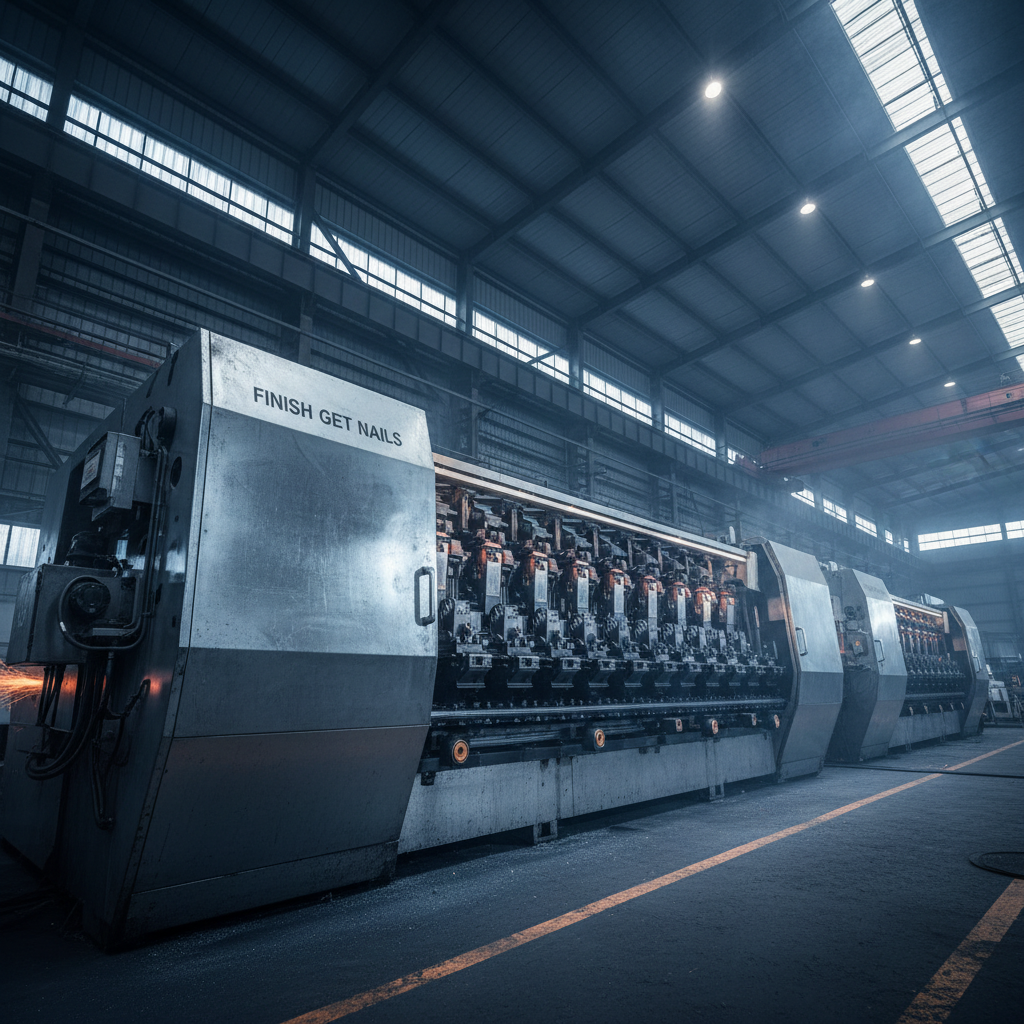
Finish nails for pressure treated wood are essential fasteners in a wide range of construction and woodworking applications, particularly when dealing with lumber that has undergone pressure treatment to resist decay and insect infestation. Understanding their specific properties and correct usage is critical for ensuring project longevity, structural integrity, and safety. The need for specialized fasteners stems from the chemical composition of pressure-treated wood, which can be corrosive to standard nails.
The global demand for durable and sustainable building materials has significantly increased the importance of using appropriate fasteners like finish nails designed for pressure treated wood. This demand is driven by factors such as increasing construction activity in emerging economies, a growing emphasis on environmentally responsible building practices, and the need for infrastructure that can withstand harsh weather conditions and biological threats. Recent reports from the UN Habitat indicate a continued rise in demand for sustainable construction materials globally.
Choosing the right finish nail isn't just about preventing corrosion; it's about maximizing the holding power and aesthetic appeal of the finished project. Improper fasteners can lead to premature failure, costly repairs, and potential safety hazards. Properly selected finish nails, coupled with best practices in application, are crucial for extending the lifespan of structures built with pressure-treated lumber.
Introduction to finish nails for pressure treated wood
Finish nails for pressure treated wood are specifically designed to provide a secure and corrosion-resistant fastening solution when working with lumber that has been chemically treated to prevent rot, decay, and insect damage. Unlike standard nails, these are often manufactured with specialized coatings or from materials resistant to the chemicals used in the pressure treatment process. This ensures the longevity and structural integrity of any project.
The use of correctly specified finish nails significantly reduces the risk of premature nail failure, which can lead to structural issues and costly repairs. They are ideal for both interior and exterior projects where aesthetics are important, as their small head size minimizes visibility, resulting in a cleaner, more refined finish. Selecting finish nails for pressure treated wood is a crucial step in ensuring the quality and durability of any woodworking project.
Defining Finish Nails for Pressure Treated Wood
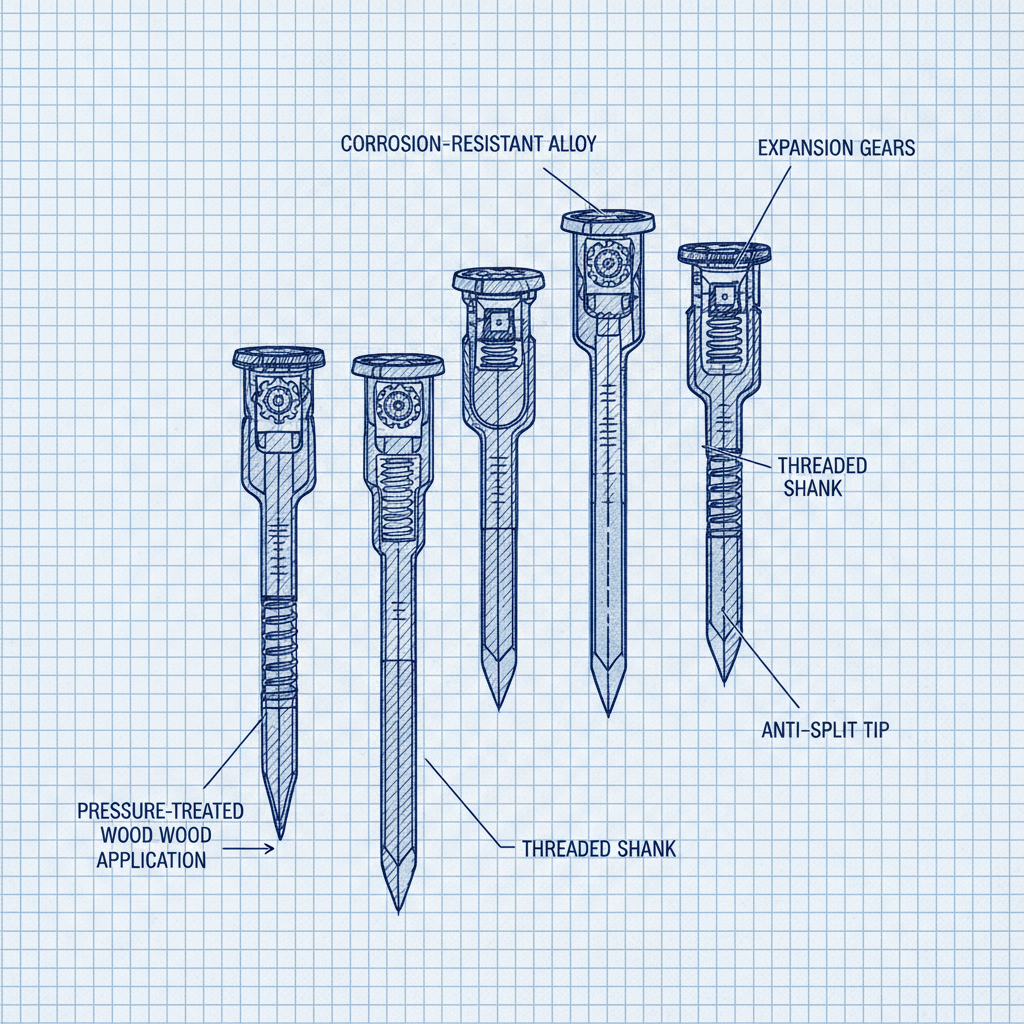
Finish nails for pressure treated wood are small, slender nails with a minimal head size, designed to be driven into wood with little or no visible mark. Their primary purpose is to provide a subtle, nearly invisible fastening solution for trim, molding, and other finishing work. Crucially, those intended for pressure treated lumber possess a specialized coating or are made from materials like stainless steel or hot-dipped galvanized steel.
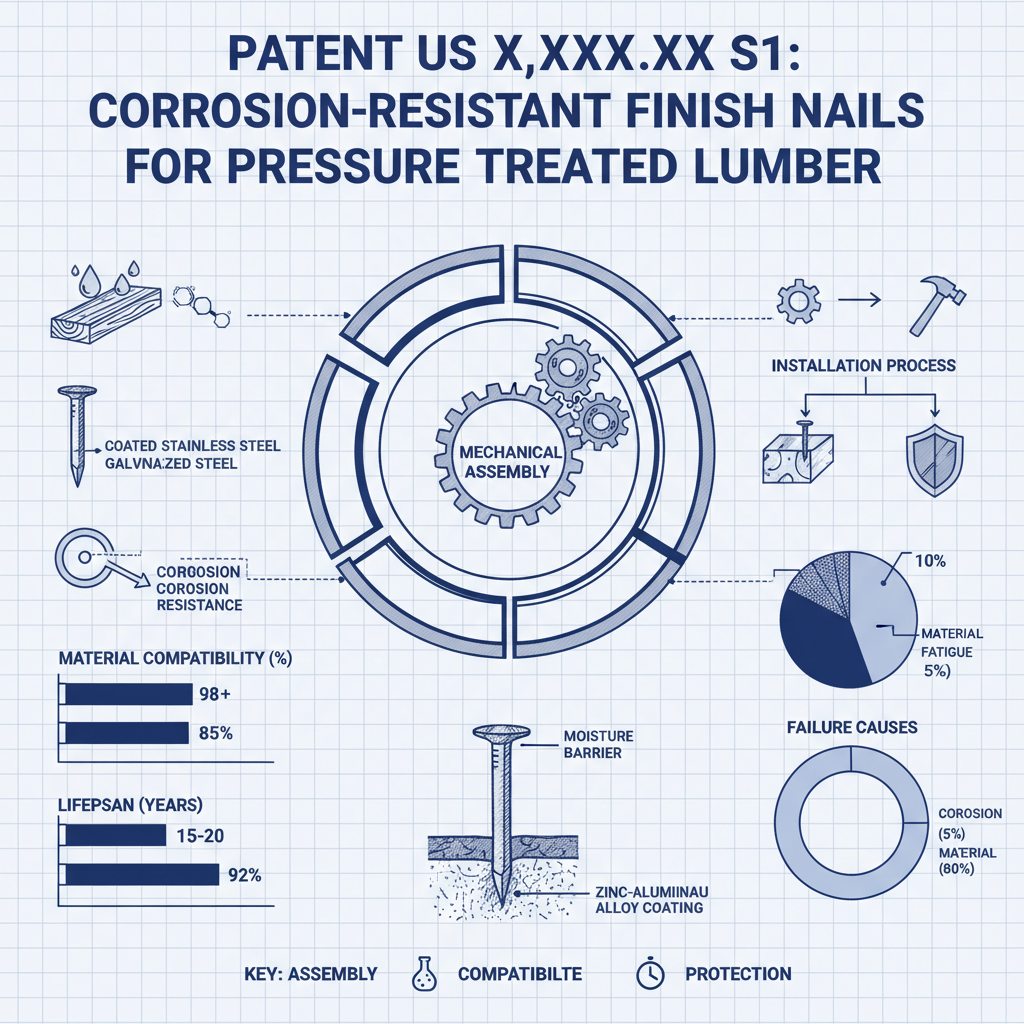
These coatings protect the nail from the corrosive chemicals present in pressure-treated wood, preventing rust and ensuring long-term holding power. The chemical preservatives used in treating wood—such as Alkaline Copper Quaternary (ACQ) or Copper Azole (CA)—are particularly aggressive towards standard steel nails, causing them to weaken and fail over time.
Understanding this distinction is essential. Using standard nails in pressure-treated wood not only compromises the structural integrity of the project but also voids any warranties associated with the lumber itself. Therefore, opting for specifically designed finish nails for pressure treated wood is a necessary investment for any responsible construction or woodworking endeavor.
Core Characteristics of Finish Nails for Pressure Treated Wood
Durability is a defining characteristic. Finish nails for pressure treated wood boast robust corrosion resistance due to their specialized coatings, like hot-dipped galvanization or stainless steel construction. This protects them from the harsh chemicals used in wood preservation, ensuring long-lasting performance even in exposed environments. This makes them suitable for both interior and exterior applications.
Gauge and length are vital considerations. Finish nails come in various gauges (thickness) and lengths. A lower gauge number indicates a thicker nail. Choosing the appropriate gauge and length depends on the thickness of the wood being fastened and the required holding strength. Too thin a nail might not provide sufficient support, while too thick a nail could split the wood.
Head Design plays a role in aesthetics and holding power. Finish nails typically have a small, slightly countersunk head designed to be easily hidden after installation. The head’s design contributes to the nail's ability to grip the wood fibers securely, minimizing the risk of loosening over time. Different head styles cater to varying aesthetic preferences.
Practical Applications and Use Cases
Finish nails for pressure treated wood find extensive application in exterior trim work, such as siding, fascia boards, and window casings. Their corrosion resistance is critical in these exposed environments, preventing rust streaks and maintaining the aesthetic appeal of the structure. Properly installed, they deliver a clean, professional finish that enhances curb appeal.
Deck building is another prominent use case. Finish nails are used to fasten deck boards to joists, providing a secure and visually appealing surface. Given the constant exposure to the elements, using nails specifically designed for pressure-treated wood is paramount to avoid premature failure and ensure deck safety. Utilizing finish nails for pressure treated wood is not just a matter of aesthetics; it's a matter of structural integrity.
Holding Power Comparison: Finish Nails for Pressure Treated Wood
Advantages and Long-Term Value Proposition
The primary advantage of using finish nails for pressure treated wood is significantly extended project lifespan. Preventing corrosion translates directly into reduced maintenance and repair costs over the long term. Structures built with these specialized fasteners are less likely to require replacement due to nail failure, making them a cost-effective solution.
From a sustainability perspective, reducing the need for replacement also minimizes waste and resource consumption. This aligns with growing environmental consciousness and promotes responsible building practices. The use of durable materials like stainless steel further enhances the environmental benefits by reducing the need for frequent material replacement.
Future Trends and Innovations
Emerging trends include the development of even more advanced corrosion-resistant coatings, such as ceramic coatings and polymer-based formulations, that offer superior protection against the aggressive chemicals found in modern pressure treatment processes. These coatings aim to extend nail lifespan even further and reduce the risk of failure.
Digital integration is also playing a role. Smart nails equipped with sensors are being explored to monitor structural integrity and detect early signs of corrosion or stress. These sensors could transmit data wirelessly, allowing for proactive maintenance and preventing catastrophic failures. This is still in its early stages but shows promising potential.
Challenges and Solutions in Using Finish Nails for Pressure Treated Wood
A common challenge is cost. Finish nails specifically designed for pressure treated wood are generally more expensive than standard nails. However, this upfront cost is often offset by the long-term savings associated with reduced maintenance and replacement. Prioritizing quality and longevity over initial cost is crucial.
Proper application techniques are also critical. Using the correct nail gun settings and ensuring proper nail penetration are essential for maximizing holding power. Incorrectly driven nails are more likely to loosen and fail over time. Education and training on best practices for nail installation can mitigate this risk. Using finish nails for pressure treated wood and following the manufacturer’s guidelines is crucial.
Another challenge is identifying the type of pressure treatment used. Different chemical preservatives require different levels of corrosion resistance. Understanding the specific treatment used on the lumber and selecting nails accordingly is essential. Consulting with a lumber supplier can help determine the appropriate nail type for a given application.
Summary of Key Considerations for Selecting Finish Nails for Pressure Treated Wood
| Nail Material |
Corrosion Resistance Level (1-10) |
Typical Application |
Estimated Cost per Pound |
| Galvanized Steel |
7 |
Exterior Trim, General Construction |
$2.50 |
| Stainless Steel |
10 |
Coastal Construction, Marine Applications |
$6.00 |
| Aluminum |
6 |
Lightweight Structures, Interior Applications |
$3.00 |
| Copper |
8 |
High-End Trim, Decorative Features |
$8.00 |
| Carbon Steel (Untreated) |
2 |
Not Recommended for Pressure Treated Wood |
$1.50 |
| Hot-Dipped Galvanized Steel |
9 |
Heavy-Duty Exterior Applications |
$3.50 |
FAQS
The critical difference lies in the coating or material composition. Regular finish nails are often made of carbon steel and lack the corrosion resistance necessary to withstand the chemicals used in pressure treatment. These chemicals, like ACQ, will corrode standard nails, leading to failure. Finish nails for pressure treated wood utilize galvanized steel, stainless steel, or specialized coatings to prevent this corrosion and ensure longevity. Using the wrong nail will significantly shorten the lifespan of your project and can compromise its structural integrity.
While stainless steel offers superior corrosion resistance, it's not always the most cost-effective solution. Hot-dipped galvanized nails often provide an excellent balance between performance and price, making them suitable for many applications. Stainless steel is particularly recommended for coastal environments or projects exposed to harsh chemicals or saltwater. Consider your budget and specific environmental conditions when making your decision.
The type of pressure treatment is usually indicated by a tag or stamp on the lumber itself. Look for markings indicating the preservative used (e.g., ACQ, CA, MCA). If you cannot find this information, contact your lumber supplier. They should be able to provide details about the treatment process used on their lumber. Knowing this information is essential for selecting the appropriate finish nail.
Yes, most finish nailers are compatible with finish nails for pressure treated wood, but it's crucial to adjust the air pressure and depth settings correctly. Using too much pressure can damage the wood, while too little pressure can result in incomplete nail penetration. Always consult your nail gun’s manual and test on a scrap piece of wood before starting your project. Proper settings ensure a secure and flush finish.
The appropriate gauge depends on the thickness of the pine and the specific application. For most trim and molding work on pressure treated pine, a 16- or 18-gauge finish nail is sufficient. Heavier applications, such as attaching thicker boards, may require a 15-gauge nail for increased holding power. Always consider the wood's density and the load it will bear when selecting the gauge.
With proper installation and using the correct nails, a project utilizing pressure treated wood and finish nails designed for it can last for decades. The lifespan is heavily influenced by the environmental conditions, the quality of the lumber, and the maintenance performed. Regular inspections and prompt repairs can further extend the lifespan of the structure and ensure long-term durability.
Conclusion
In conclusion, the use of finish nails specifically engineered for pressure treated wood is paramount to ensuring the longevity, structural integrity, and aesthetic appeal of any woodworking project involving this material. Choosing the right nail type, understanding the different materials and coatings, and applying proper installation techniques are all critical factors in achieving a successful and durable outcome. Ignoring these considerations can lead to premature failure, costly repairs, and potential safety hazards.
Looking ahead, advancements in materials science and digital integration promise even more robust and reliable fastening solutions. Continued innovation in corrosion-resistant coatings and the development of smart nails will further enhance the durability and sustainability of structures built with pressure-treated lumber. For quality finish nails for pressure treated wood and expert advice, visit our website at www.sxj-staple.com.