
Talk With Us
+86-13601661296
Email Address
admin@sxjbradnail.com
Talk With Us
+86-13601661296Email Address
admin@sxjbradnail.com
The selection of the right type of nails to use for baseboards is a crucial aspect of any carpentry or home improvement project. It directly impacts the longevity, stability, and aesthetic appeal of the finished installation. Choosing the incorrect nail can lead to splitting wood, insecure fastening, and ultimately, a compromised baseboard installation. Understanding the nuances of different nail types – from finish nails to brad nails, and considering factors like shank type and material – is essential for achieving professional-quality results. This guide will explore the various types of nails available and provide insights into selecting the optimal option for your specific baseboard project.
Baseboards serve not only a decorative purpose but also a functional one, protecting walls from damage and concealing the joint between the wall and the floor. A properly secured baseboard contributes significantly to the overall structural integrity of a room. The type of nails to use for baseboards plays a vital role in ensuring this secure attachment. With a wide range of nail options available, it's important to understand how each type interacts with different wood species and thicknesses, considering factors like holding power and the potential for visible nail heads.
Investing time in understanding the subtleties of nail selection can save significant time and expense in the long run. Incorrectly installed baseboards can require costly repairs, while the right choice will ensure a durable and aesthetically pleasing finish. This exploration into the type of nails to use for baseboards aims to empower both DIY enthusiasts and professional carpenters with the knowledge to make informed decisions, leading to successful and lasting results.
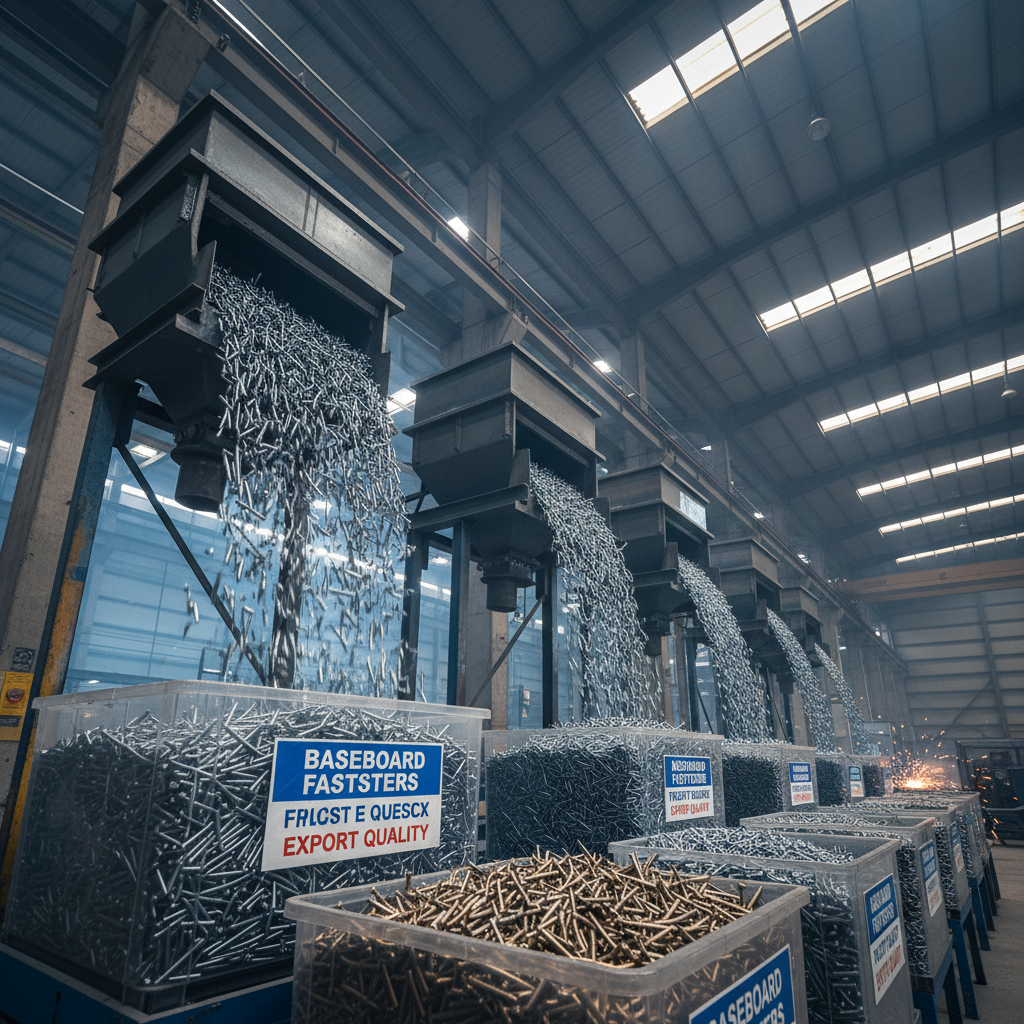

Nail gauge refers to the thickness of the nail shank, with lower numbers indicating thicker nails. For baseboards, a common range is 16 to 18 gauge. Thicker nails (lower gauge) provide greater holding power but are more likely to split delicate wood. Length is equally critical; a general rule of thumb is that the nail should penetrate at least two-thirds of the way into the supporting wall stud. A typical baseboard, being around 3/4" to 1" thick, often requires nails ranging from 1 1/2" to 2 1/2" in length.
Choosing the correct length ensures sufficient grip without protruding through the wall. Consider the wall construction – drywall, plaster, or wood lath – when determining the ideal nail length. Drywall offers less holding power than solid wood, necessitating slightly longer nails. Always err on the side of slightly longer rather than too short, but be mindful of the potential for the nail to come through the other side of the stud.
For pine baseboards, which are relatively soft, finish nails or brad nails are generally the best choice. Finish nails offer a good balance of holding power and concealability. Brad nails, when used with a nail gun, provide quick and precise installation. Avoid using excessively thick nails, as they can easily split the pine. A 16 or 18 gauge nail, 1 1/2" to 2" long, is typically sufficient.
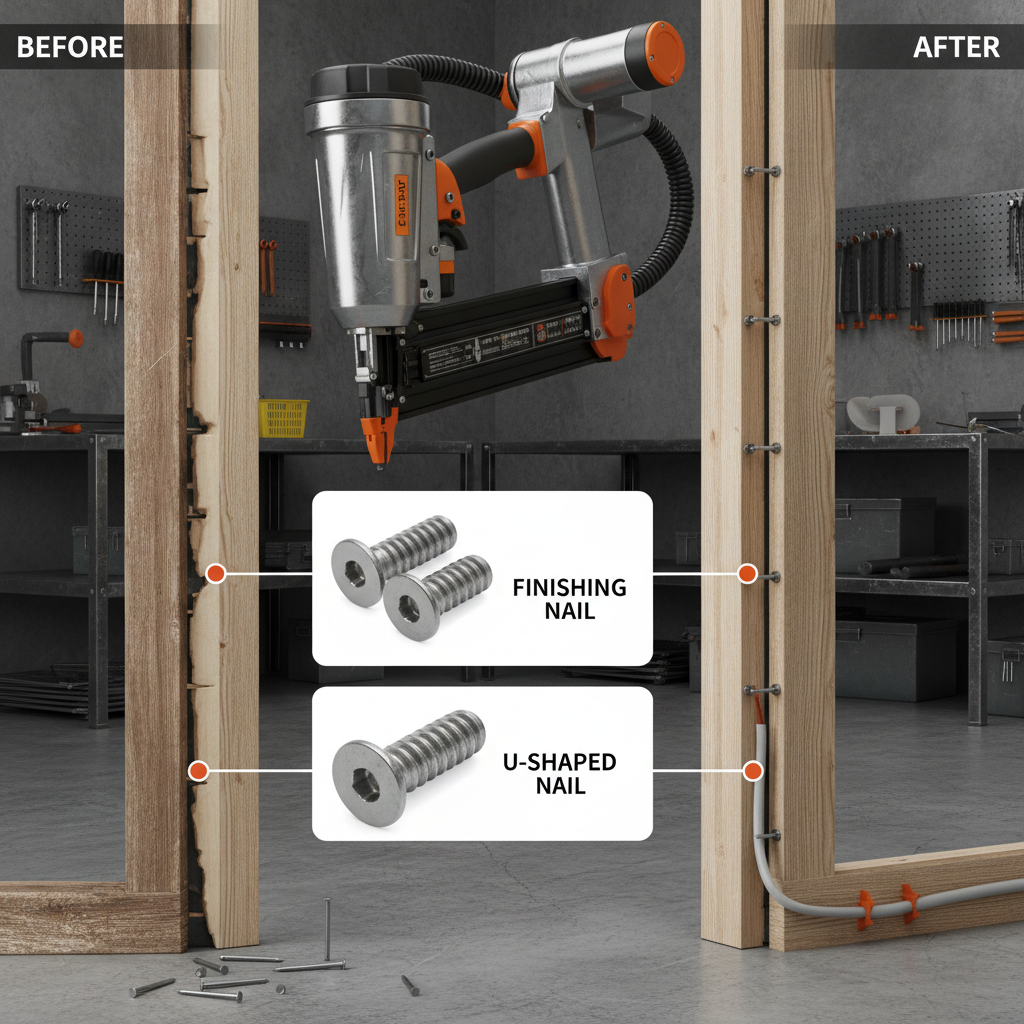
Yes, absolutely! A nail gun, particularly a brad nailer or finish nailer, can greatly speed up the baseboard installation process and provide consistent results. Ensure the nail gun is set to the appropriate pressure to avoid damaging the wood. Using the right type of nails to use for baseboards in your nail gun is important. Always wear safety glasses when operating a nail gun.
To prevent splitting, pre-drilling nail holes is crucial, especially when working with hardwoods. Use a drill bit slightly smaller than the nail shank diameter. Also, avoid nailing too close to the edge of the baseboard. Consider using spiral shank nails, which provide increased holding power and reduce the risk of splitting. If you have limited experience, practice on scrap wood first.
Finish nails are slightly thicker and longer than brad nails, providing more holding power. However, brad nails leave a smaller hole, making them easier to conceal, and are ideal for delicate wood. Brad nails are commonly used with nail guns for quick installation. The type of nails to use for baseboards will often come down to your aesthetic preference and the wood you're working with.
Yes, using construction adhesive in addition to nails provides a much stronger and more durable bond. Apply a bead of adhesive to the back of the baseboard before nailing it into place. This will help prevent the baseboard from becoming loose over time. Ensure the adhesive is compatible with both the baseboard material and the wall surface.
To fill nail holes, use wood filler that matches the color of your baseboard. Apply the filler with a putty knife, slightly overfilling the hole. Once dry, sand the filler smooth with fine-grit sandpaper. Prime the filled areas before painting or staining to ensure a consistent finish. Properly concealing the nail heads contributes to a professional look.
In conclusion, selecting the appropriate type of nails to use for baseboards is paramount to achieving a secure, durable, and aesthetically pleasing result. From understanding nail gauge and length to considering wood type and material, each factor plays a critical role in the success of your project. Whether you're a seasoned professional or a DIY enthusiast, this guide provides the knowledge to make informed decisions.
Investing the time to choose the right nails and employ proper installation techniques will not only enhance the longevity of your baseboards but also contribute to the overall value and beauty of your home. For a comprehensive selection of quality nails and hardware, visit our website at www.sxj-staple.com.