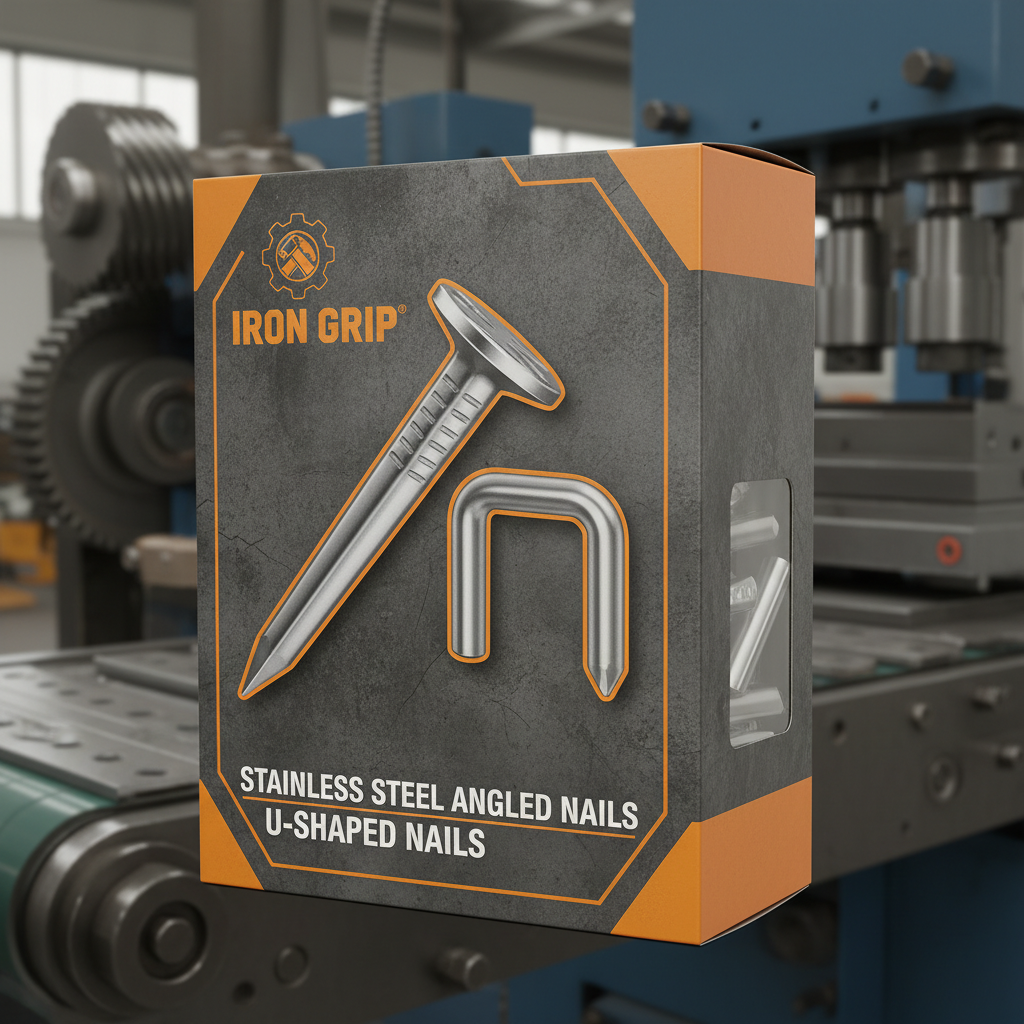
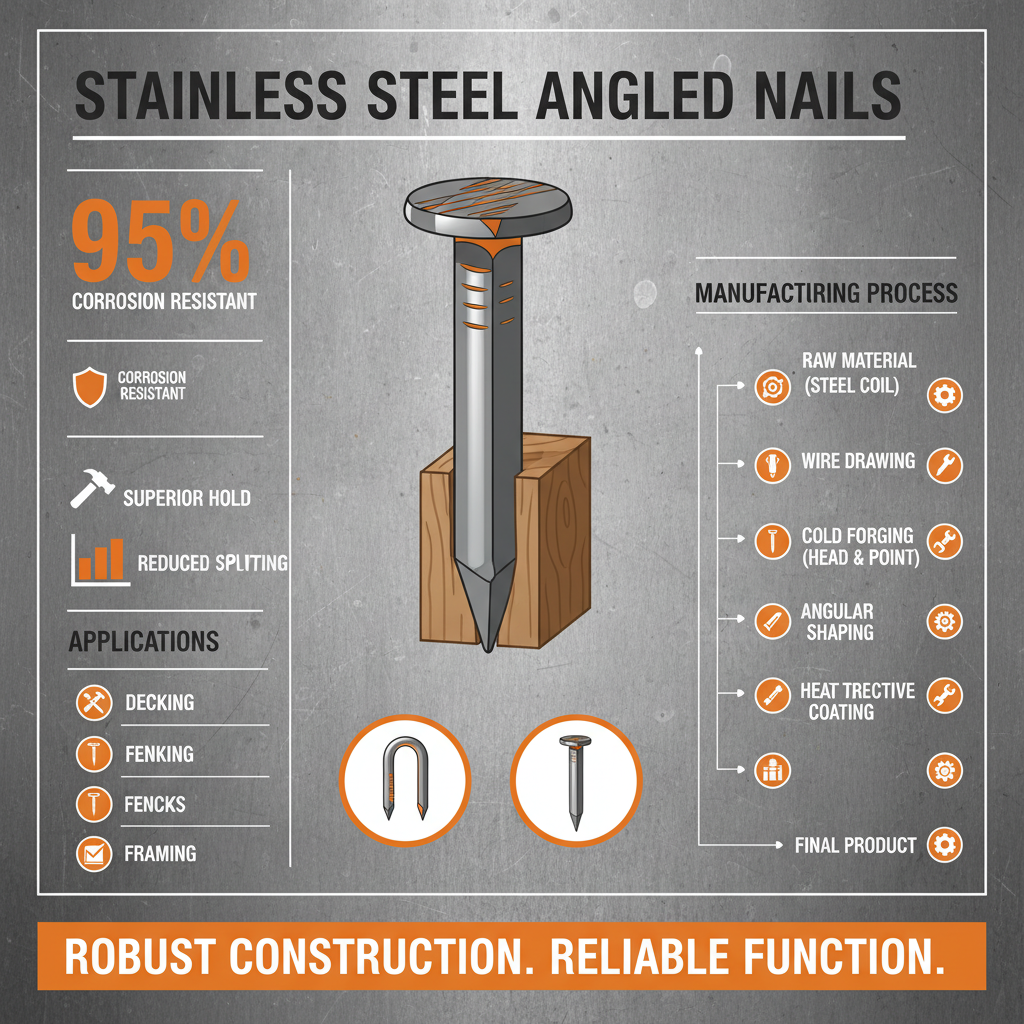
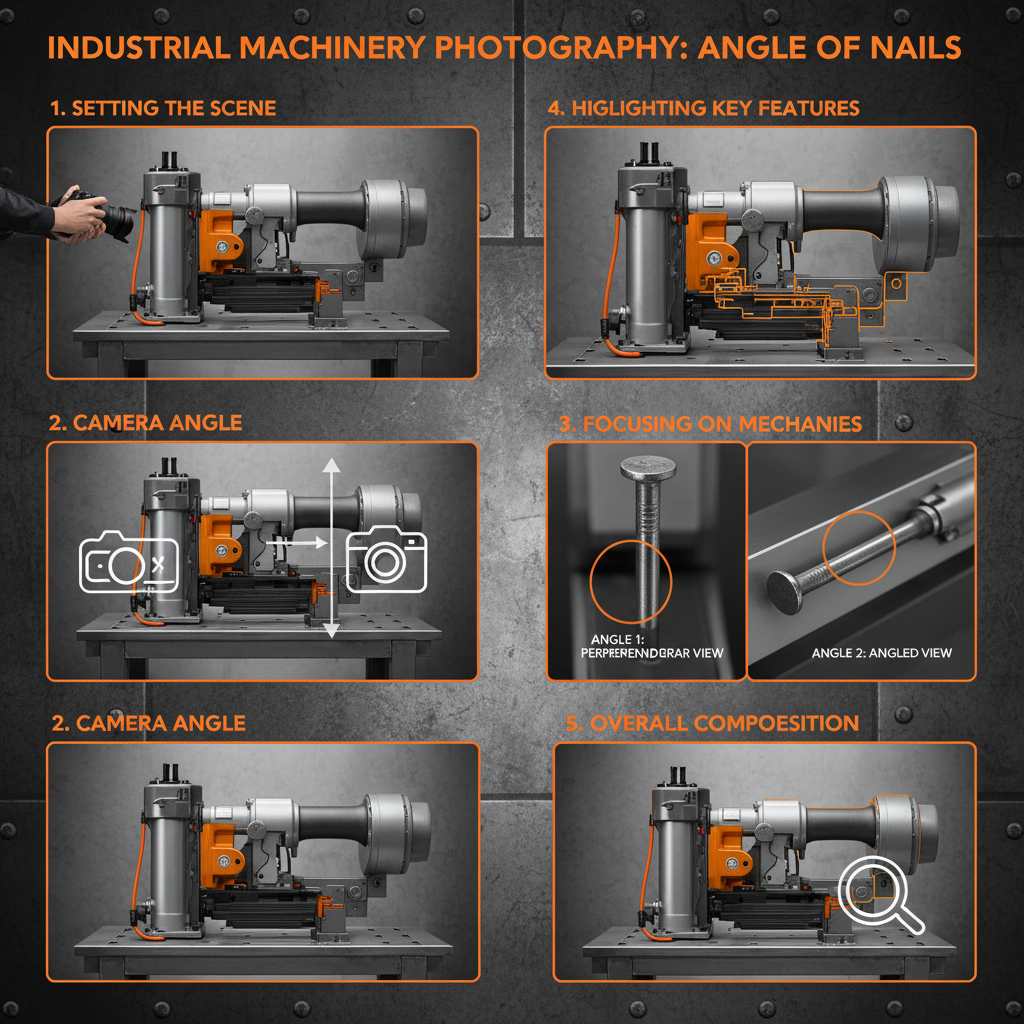
In the demanding world of modern construction and precision assembly, the selection of fastening hardware can determine the longevity of a project. stainless steel angled nails have emerged as a critical solution for professionals who require both the corrosion resistance of high-grade alloys and the structural advantages of a specialized geometric design. By combining these two elements, industry experts can secure materials in tight spaces while ensuring the assembly remains impervious to oxidation.
The global shift toward sustainable and durable infrastructure has placed a premium on materials that reduce maintenance cycles. Traditionally, fasteners in humid or coastal environments suffered from rapid degradation, leading to costly replacements and safety risks. The introduction of stainless steel angled nails addresses these challenges by providing a robust fastening option that maintains structural integrity under extreme environmental stress, aligning with ISO standards for material durability.
Understanding the technical nuances of these fasteners—from their metallurgical composition to their specific application angles—allows engineers and contractors to optimize their workflows. Whether used in high-end cabinetry, marine decking, or industrial framing, these nails offer a blend of reliability and efficiency. This guide explores the comprehensive utility of stainless steel angled nails and why they are becoming the gold standard in the metal products industry.
Global Industry Context of Stainless Steel Angled Nails
The global demand for stainless steel angled nails is driven by the increasing urbanization of coastal regions and the rise of prefabricated modular housing. As cities expand into environments with high salinity and moisture, the reliance on traditional carbon steel has diminished due to the inevitable problem of rust streaks and joint failure. Data from international construction standards suggest that utilizing stainless steel fasteners can extend the lifecycle of outdoor structures by up to 40%.
Moreover, the integration of these fasteners into pneumatic tool systems has revolutionized the speed of assembly in the manufacturing sector. By utilizing an angled trajectory, these nails allow operators to reach deep corners and joints that were previously inaccessible, reducing the need for pre-drilling and minimizing material splitting. This efficiency is paramount in a global economy where labor costs are rising and project timelines are tightening.
Defining Stainless Steel Angled Nails and Their Purpose
In simple technical terms, stainless steel angled nails are specialized fasteners manufactured from chromium-nickel alloys and designed with a specific bend or intended for use in angled nailers. Unlike straight nails, their geometry is optimized for "toe-nailing" or securing components at a non-perpendicular angle, which creates a stronger mechanical lock between two intersecting pieces of material.
Beyond the physical shape, the "stainless" aspect refers to the material's ability to form a passive layer of chromium oxide, which protects the nail from the elements. This makes them indispensable for humanitarian needs, such as the rapid construction of durable shelters in disaster-prone areas where saltwater spray or heavy rainfall would compromise standard metal fasteners within months.
From an industrial perspective, these nails bridge the gap between the speed of stapling and the strength of traditional nailing. By adapting the nail to the angle of the joint, manufacturers can ensure that the force is distributed more evenly across the wood grain or metal substrate, preventing the common issue of "blow-outs" or surface fractures.
Core Components of High-Performance Angled Fasteners
The first core component is metallurgical purity. For stainless steel angled nails to perform their function, the ratio of chromium and nickel must be precise (typically 304 or 316 grade). This ensures that the nail does not become brittle during the bending process or the high-impact force of a pneumatic gun.
Another critical factor is the precision of the angle. A deviation of even one degree in the manufacturing of stainless steel angled nails can lead to jamming in the nailer magazine or an uneven drive into the substrate. High-precision CNC winding and forming ensure that every nail fits perfectly within the firing chamber.
Finally, the surface finish plays a vital role in scalability and ease of use. Polished shafts reduce friction during penetration, allowing the stainless steel angled nails to enter the material with less resistance, which in turn reduces the risk of splitting the wood and increases the overall speed of the installation process.
Practical Applications and Global Use Cases
The versatility of stainless steel angled nails is evident in their wide range of real-world applications. In Northern Europe and Canada, they are frequently used in the construction of luxury saunas and outdoor decking, where the constant cycle of extreme heat, moisture, and cold would cause galvanized nails to fail. The angled drive allows for seamless joining of tongue-and-groove boards without leaving visible heads on the surface.
In industrial zones across Southeast Asia, these fasteners are employed in the assembly of corrosion-resistant crates and pallets used for transporting electronics. In these contexts, the stainless steel angled nails provide the necessary grip to hold heavy loads while resisting the humid tropical climate, ensuring that shipping containers remain secure during long maritime journeys.
Performance Metrics of Various Stainless Steel Angled Nails Methods
Long-Term Value and Sustainability Advantages
The investment in stainless steel angled nails extends far beyond the initial purchase price. From a logical standpoint, the reduction in maintenance costs is the primary driver. When a structure is built with these fasteners, the risk of "bleeding"—those unsightly rust streaks that appear on cedar or redwood—is eliminated, preserving the aesthetic and market value of the property over decades.
From a sustainability angle, stainless steel is 100% recyclable. By using stainless steel angled nails, builders reduce the frequency of tear-downs and replacements. This decreases the volume of waste sent to landfills and lowers the carbon footprint associated with producing and transporting replacement hardware, contributing to a more circular economy in the construction industry.
Future Innovations in Angled Nail Technology
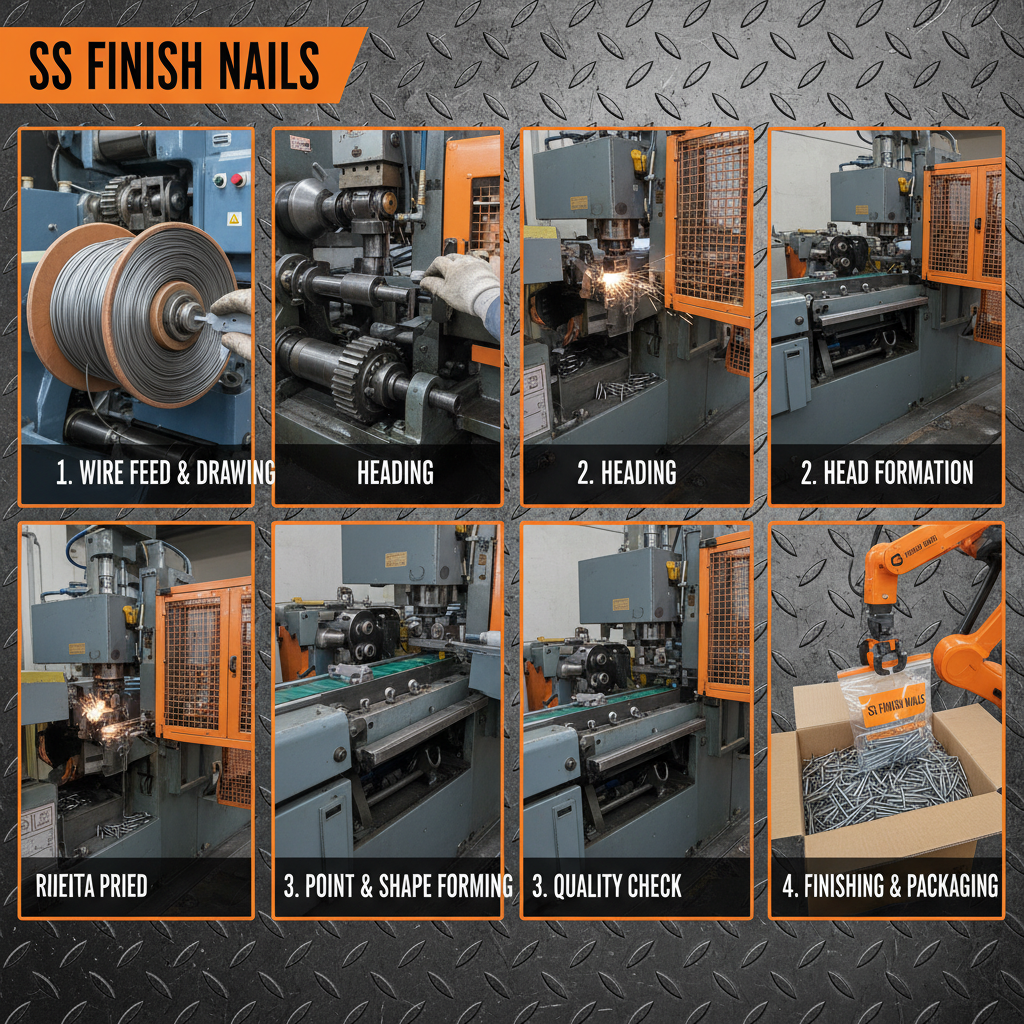
As we look toward the future, the manufacturing of stainless steel angled nails is being transformed by digital twin technology and AI-driven quality control. Real-time monitoring during the cold-heading process allows manufacturers to detect micro-fractures in the alloy before the nails ever leave the factory, ensuring a near-zero failure rate for critical structural joints.
Furthermore, the industry is exploring "smart" coatings that can signal structural stress. Imagine stainless steel angled nails with a microscopic layer of photo-reactive material that changes color when the joint experiences excessive tension. This would allow for non-destructive testing of bridges and industrial platforms, moving maintenance from a scheduled task to a predictive science.
The integration of automation in the application process is also accelerating. New generation nail guns are being designed to adjust the driving angle and force dynamically based on the density of the material being penetrated, maximizing the effectiveness of the stainless steel angled nails while minimizing energy consumption.
Overcoming Common Challenges in Installation
Despite their advantages, installers often face challenges such as "nail curving" or tool jamming. Nail curving typically occurs when the stainless steel angled nails encounter a knot in the wood. The solution lies in selecting the correct shank diameter and using a tool with a precise depth-of-drive adjustment to ensure the nail is driven fully without bending.
Tool jamming is often a result of using low-quality, inconsistent fasteners. When stainless steel angled nails are manufactured with inconsistent head dimensions, they can snag in the driver. Switching to certified, high-tolerance fasteners from a reputable manufacturer eliminates this bottleneck and ensures a smooth, continuous workflow on the job site.
Finally, there is the challenge of material compatibility. Using stainless steel nails with certain treated woods can lead to galvanic corrosion if the treatment chemicals are too aggressive. Professional installers overcome this by choosing the appropriate grade of stainless steel (such as 316 for highly acidic environments) to ensure a chemically stable bond.
Analysis of Technical Specifications for Stainless Steel Angled Nails
| Alloy Grade |
Corrosion Resistance |
Tensile Strength |
Ideal Environment |
| SS 304 Angled |
High |
8/10 |
Indoor/General Outdoor |
| SS 316 Angled |
Extreme |
9/10 |
Marine/Coastal Zones |
| SS 410 Angled |
Moderate |
10/10 |
High-Load Industrial |
| SS Polished Angled |
High |
7/10 |
Furniture/Cabinetry |
| SS Ring-Shank Angled |
High |
9/10 |
Heavy Duty Decking |
| SS Coated Angled |
Very High |
8/10 |
Chemical Plants |
FAQS
The primary difference is the addition of molybdenum in 316 grade. While 304 is excellent for general outdoor use, 316 provides superior resistance to chlorides (salt), making it the necessary choice for marine environments or areas where de-icing salts are used on roads to prevent pitting corrosion.
No, you must use a nail gun specifically designed for angled nails. The magazine and driver blade are engineered to match the specific bend angle of the nails. Using the wrong tool can lead to severe jamming or damage to the firing pin.
Yes, the initial cost is higher due to the raw material prices of chromium and nickel. However, the long-term value is significantly higher because they do not rust or require replacement, eliminating future labor and material costs for repairs.
By entering the wood at an angle, the nail cuts across the grain rather than running parallel to it. This distributes the splitting force more broadly and creates a "wedging" effect that locks the joint more securely than a straight drive.
While highly resistant, it is best to store them in a dry environment, away from strong acids. Keeping them in their original packaging prevents surface contamination from carbon steel dust, which could otherwise cause "tea staining" or localized surface rust.
Due to their high grip, especially ring-shank versions, removal can be difficult. It is recommended to use a professional-grade end-puller or to carefully drive the nail back through the opposite side if the structure allows, as they are designed for permanent installation.
Conclusion
The adoption of stainless steel angled nails represents a strategic intersection of material science and structural engineering. By addressing the dual needs of corrosion resistance and geometric efficiency, these fasteners ensure that modern constructions are not only built faster but last significantly longer. From the metallurgical precision of the alloy to the ergonomic advantages of the angled drive, every aspect of these nails is designed to provide maximum reliability in the most challenging environments.
As the industry moves toward smarter, more sustainable building practices, the role of high-performance fasteners will only grow. We recommend that contractors and engineers prioritize the use of grade 304 or 316 stainless steel for any project exposed to the elements to avoid the pitfalls of premature degradation. Investing in quality hardware today is the most effective way to guarantee the safety and integrity of tomorrow's infrastructure. For premium fastening solutions, visit our website: www.sxj-staple.com