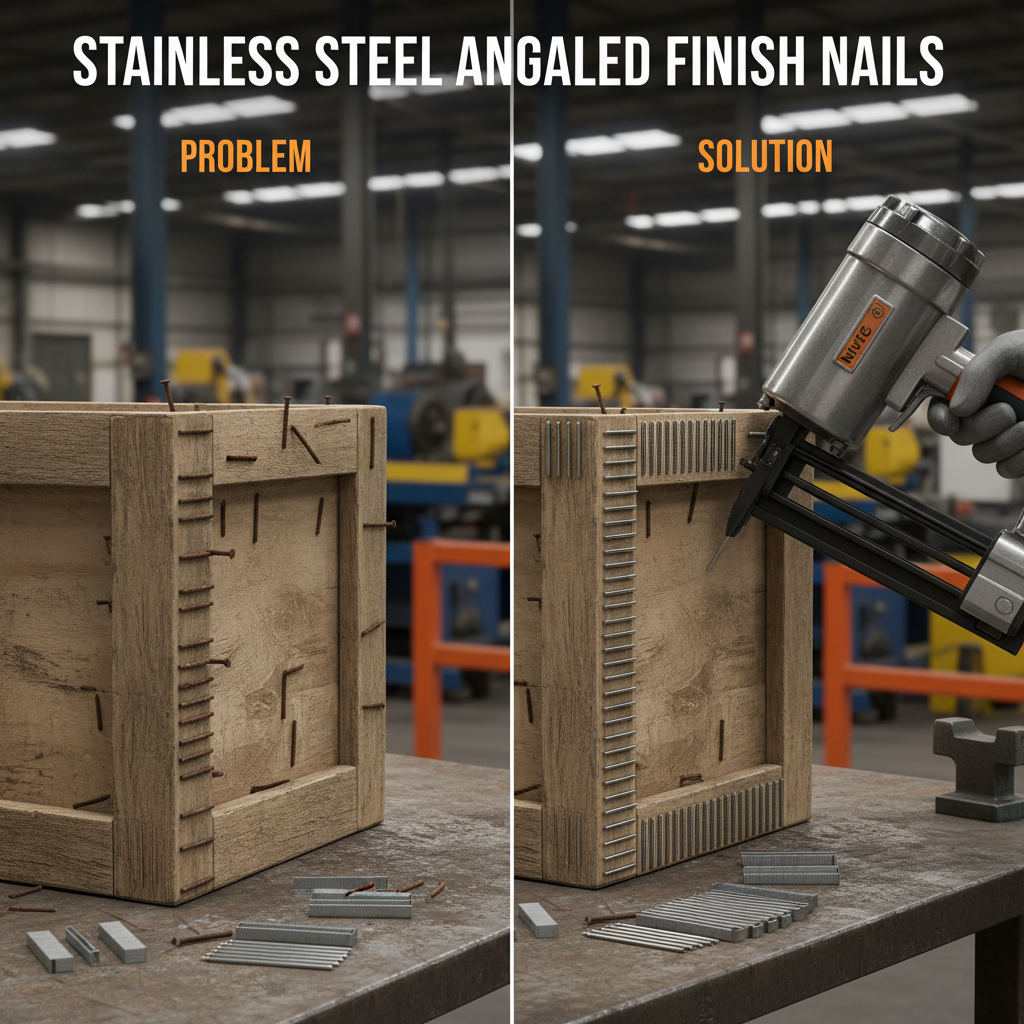
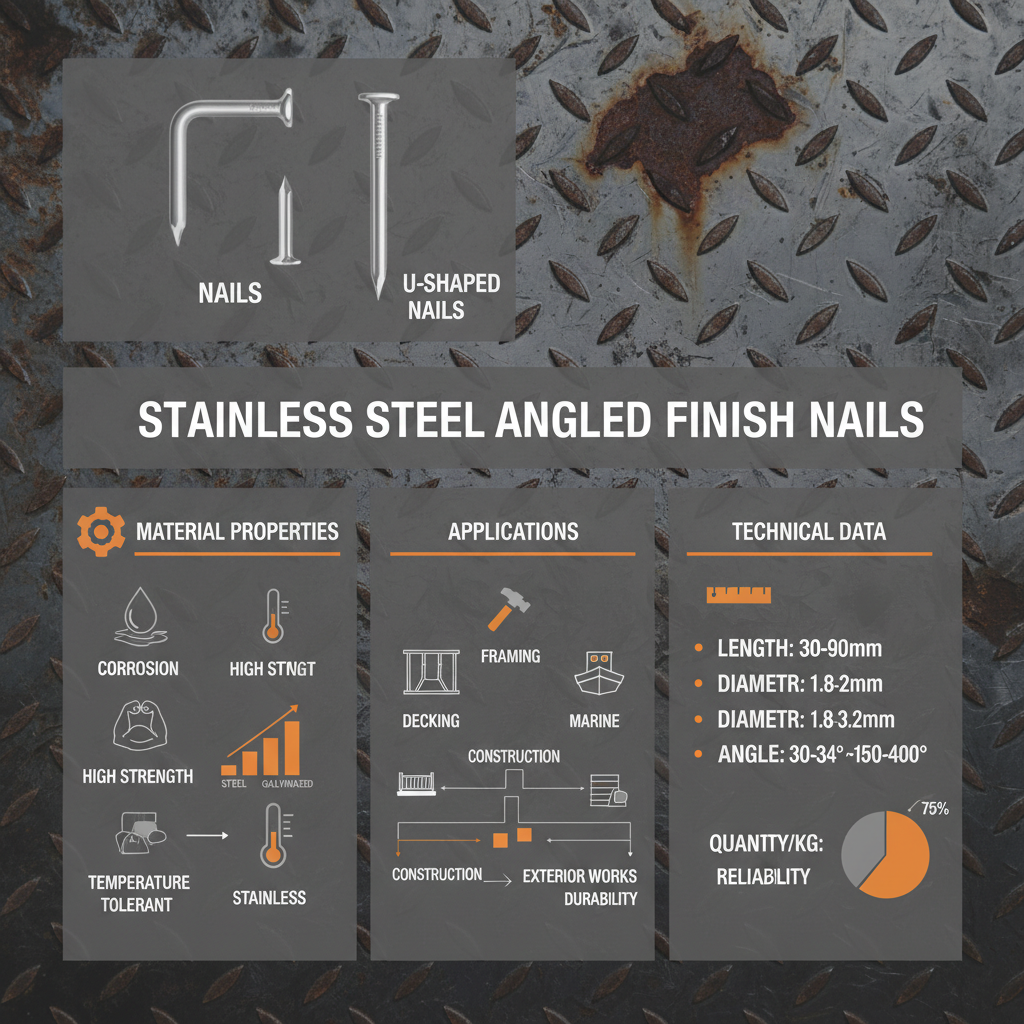
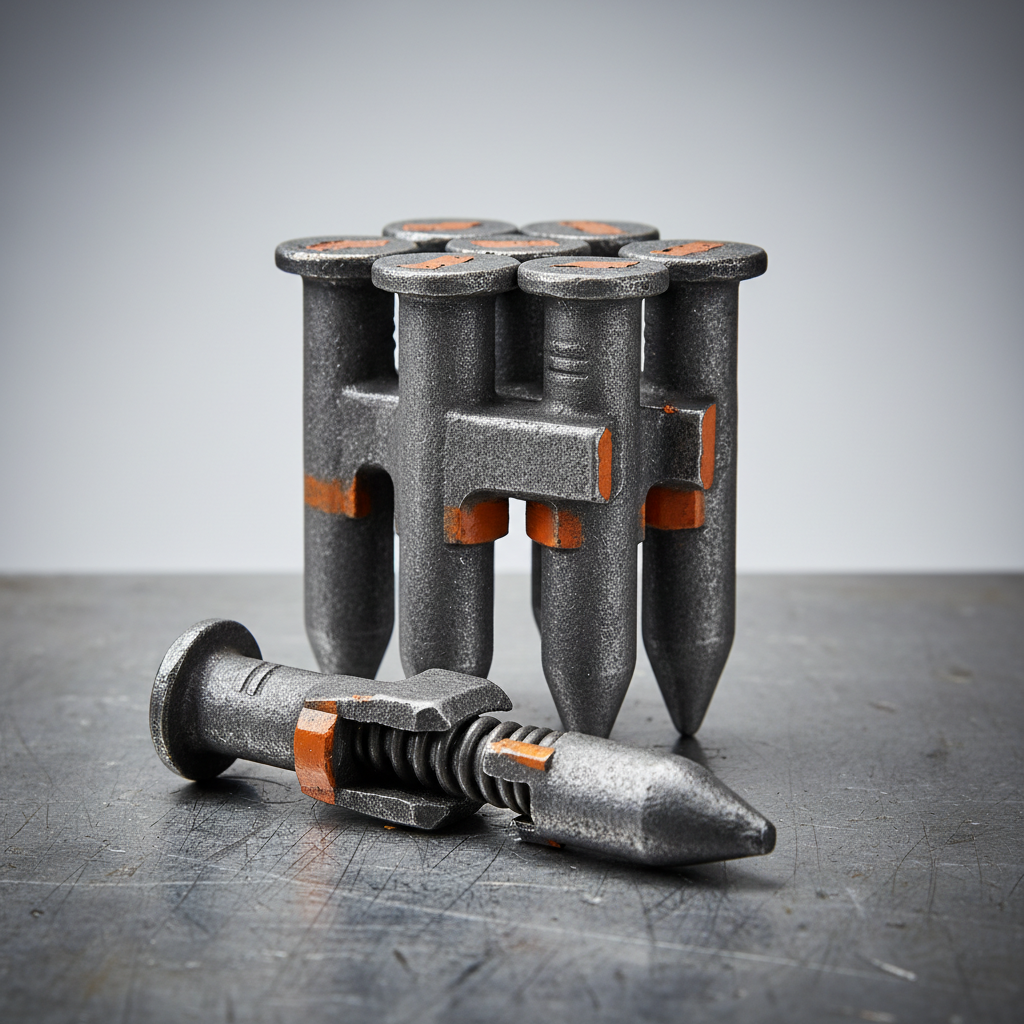
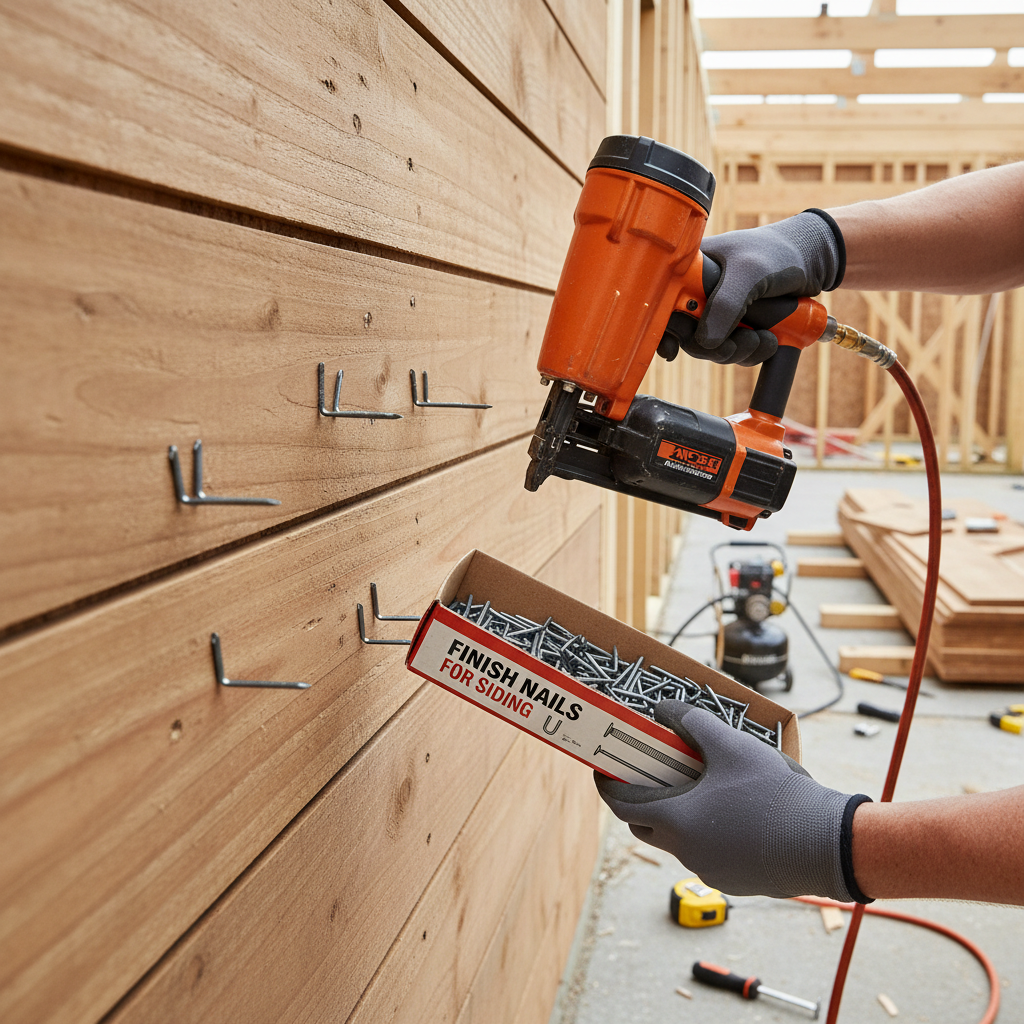
In the demanding world of high-end carpentry and industrial assembly, the choice of fasteners can determine the longevity and aesthetic quality of a project. stainless steel angled finish nails have emerged as a critical component for professionals who require a blend of discreet fastening and extreme corrosion resistance. These specialized fasteners are engineered to provide a seamless finish while ensuring that the structural integrity remains intact even in the most humid or chemically aggressive environments.
The global shift toward sustainable building materials and durable infrastructure has put a spotlight on the metallurgical properties of fastening systems. By utilizing stainless steel, manufacturers solve the age-old problem of "bleeding" or rust streaks that typically plague galvanized or carbon steel alternatives. The angled design specifically addresses the ergonomic needs of pneumatic nail guns, allowing for faster deployment in tight corners and intricate trim work where straight-driven nails would be impractical.
Understanding the nuances of stainless steel angled finish nails—from the grade of steel used to the precision of the angle—allows contractors to optimize their workflow and reduce material waste. Whether it is for luxury yacht interiors, coastal housing, or high-end cabinetry, these nails offer a reliability that transcends standard hardware, making them an essential investment for any precision-oriented construction project.
Global Industry Context of Stainless Steel Angled Finish Nails
The global demand for stainless steel angled finish nails is intrinsically linked to the expansion of the global luxury housing and marine construction markets. According to international standards like ISO, the precision of fastener tolerances is paramount in preventing structural fatigue. In regions with high salinity, such as Southeast Asia and coastal North America, the failure of standard steel nails leads to billions of dollars in premature renovation costs annually.
This industry challenge has led to a systemic shift toward stainless steel alloys, specifically Grade 304 and 316. The "angled" aspect is not merely a convenience but a response to the evolution of pneumatic tooling. As architects push the boundaries of complex interior geometries, the need for fasteners that can be driven from a more versatile angle without sacrificing penetration power has become a global industrial requirement.
Definition and Technical Meaning of Angled Fasteners
In technical terms, stainless steel angled finish nails are high-precision fasteners characterized by a slight bend in the shank or their arrangement in angled collated strips. This design allows them to be compatible with angled-nailing guns, which provide the operator with a better line of sight and easier access to narrow gaps, such as those found in crown molding or cabinetry joints.
Beyond the geometry, the "stainless steel" designation implies a chromium-nickel alloy that forms a passive layer of chromium oxide on the surface. This microscopic layer protects the nail from oxidation and corrosion. In the context of modern industry, this means the nails are not just "rust-resistant" but are chemically stable, preventing the unsightly black stains often seen when water penetrates traditional nails in cedar or redwood.
From a humanitarian and sustainability perspective, using these durable fasteners reduces the frequency of replacement. By extending the lifecycle of the structures they hold together, these nails contribute to a reduction in overall construction waste, aligning with global goals to lower the carbon footprint of the building sector.
Core Components of High-Performance Finish Nails
The durability of stainless steel angled finish nails begins with the alloy composition. The ratio of Chromium to Nickel determines whether the nail is suitable for indoor use (Grade 304) or severe marine environments (Grade 316). This metallurgical foundation ensures that the fastener does not warp or snap under the high-velocity impact of a pneumatic driver.
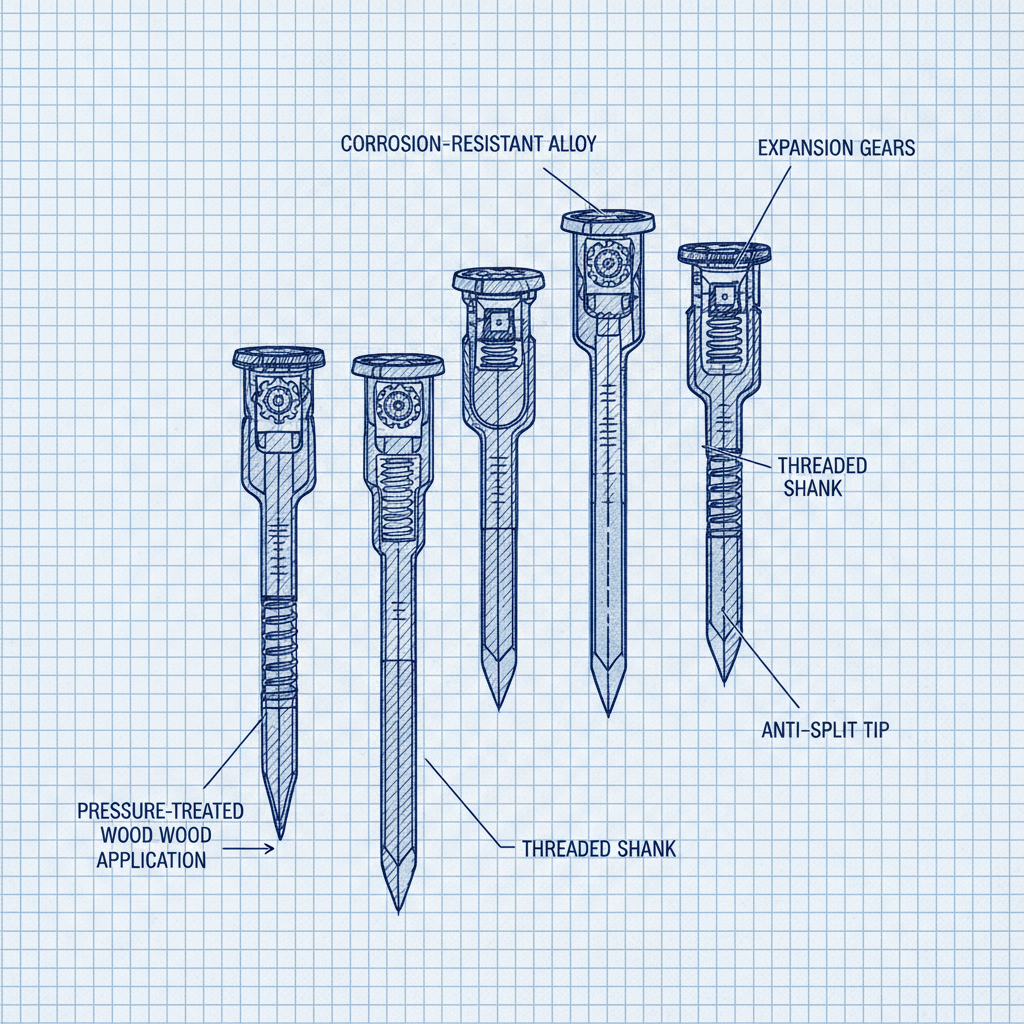
Precision engineering of the head and point is another critical factor. For stainless steel angled finish nails, a "headless" or "small-head" design is used to minimize the surface displacement of the wood, allowing for an almost invisible finish. The point is sharpened to a microscopic degree to prevent the splitting of delicate hardwoods, which is a common failure point in lower-grade fasteners.
Finally, the collation method—how the nails are held together in the strip—must be perfectly calibrated. If the glue or wire used for collation is too rigid, the angled nails may jam in the gun; if it is too weak, the strip will deform. This balance of chemistry and geometry is what separates industrial-grade stainless fasteners from consumer-grade alternatives.
Global Applications and Use Cases in Construction
The application of stainless steel angled finish nails spans various high-stakes environments. In the yachting industry, where salt spray is constant, these nails are used for teak decking and interior mahogany paneling. The angled delivery system allows shipwrights to fasten panels in the curved hulls of luxury vessels where a straight nail gun would be physically impossible to position.
In urban architecture, particularly in "green" buildings that utilize exterior wood cladding, these fasteners ensure that the aesthetic remains pristine over decades. In post-disaster reconstruction projects in coastal regions, the use of stainless steel fasteners is often mandated by local building codes to ensure that temporary shelters and permanent homes can withstand the corrosive nature of humid, tropical air.
Performance Comparison of Fastening Methods
Long-Term Value and Economic Advantages
While the initial procurement cost of stainless steel angled finish nails is higher than that of carbon steel, the long-term economic value is significantly greater. The "cost of failure" for a fastener in a high-end project—including labor for removal, damage to the surrounding wood, and material replacement—far outweighs the marginal increase in the price of the nail.
Furthermore, there is an emotional value tied to trust and reliability. For a contractor, delivering a project that doesn't rust or loosen over ten years builds a reputation for quality. This professional dignity is an intangible but powerful asset, as clients are increasingly willing to pay a premium for "lifetime" installations that guarantee safety and aesthetic permanence.
Future Trends in Stainless Fastening Technology
The future of stainless steel angled finish nails is moving toward "smart" metallurgy. We are seeing the development of alloys that are not only corrosion-resistant but also possess "self-healing" properties, where the oxide layer reforms faster when scratched during the driving process. This ensures that the interior of the nail is as protected as the surface.
Automation and digital transformation are also playing a role. New CNC collation machines are allowing for variable-angle strips, enabling a single nail gun to handle different angles of penetration based on a digital preset. This increase in precision reduces the reliance on manual skill and minimizes the risk of "blowouts" in the wood.
Sustainability is the final driver. The industry is shifting toward recycled stainless steel sources, reducing the environmental impact of mining nickel and chromium. By integrating green energy in the manufacturing of these nails, the industry is moving toward a circular economy where durability and eco-friendliness coexist.
Challenges and Engineering Solutions
One of the primary challenges associated with stainless steel angled finish nails is "work hardening." Stainless steel is tougher than carbon steel, which can lead to increased wear and tear on the nail gun's driver blade. To solve this, engineers have developed specialized coatings that reduce friction without compromising the nail's corrosion resistance.
Another common issue is the tendency for stainless nails to "bend" if they encounter a hard knot in the wood, due to their different elasticity compared to steel. The solution has been the refinement of the nail's cross-sectional geometry, implementing a slightly tapered shank that guides the nail around obstructions rather than forcing a path through them.
Finally, ensuring consistency in the angle of collation is a constant battle for manufacturers. Minor deviations in the angle can cause misfires. The adoption of laser-guided alignment systems during the strip-forming process has virtually eliminated this issue, ensuring that every nail in the strip is positioned with sub-millimeter accuracy.
Comparison of Stainless Steel Nail Grades for Angled Applications
| Alloy Grade |
Corrosion Environment |
Hardness Score (1-10) |
Recommended Use |
| Grade 304 |
Mild to Moderate |
7 |
Interior Trim & Cabinets |
| Grade 316 |
High Salinity / Marine |
8 |
Yachts & Coastal Decks |
| Grade 410 |
Low Humidity |
9 |
Structural Interior Framing |
| Grade 309 |
Industrial Chemical |
7 |
Specialized Lab Furniture |
| Grade 316L |
Extreme Marine/Acid |
8 |
Offshore Platforms |
| Custom Alloy |
Variable |
6 |
Architectural Prototypes |
FAQS
Angled finish nails allow the operator to keep the nail gun at a more natural angle, providing significantly better visibility of the nail's placement. This is especially crucial in tight corners or when installing crown molding, where a straight gun would be too bulky to fit against the wall, reducing the risk of damaging the wood or the tool.
No, and that is their primary advantage. Cedar and redwood contain natural tannins that react with carbon steel and galvanized nails, creating permanent black streaks (bleed). Stainless steel is chemically inert relative to these tannins, ensuring your wood remains a clean, natural color over time.
Grade 304 is the standard for most interior and some exterior applications. Grade 316 contains molybdenum, which provides superior resistance to chlorides (salts). If your project is within five miles of the ocean or involves a boat, 316 is the essential choice to prevent pitting corrosion.
They require an "angled" nail gun, but not necessarily a "stainless-specific" one. However, because stainless steel is harder, it is recommended to use a gun with a hardened steel driver blade to prevent premature wear. Always check that the nail gauge and angle match your tool's specifications.
Generally, yes. Because they offer higher pull-out resistance and a more discreet finish, stainless steel angled finish nails carry a higher price point than staples. However, they provide a far more secure hold for heavy trim and panels where staples might pull through the material.
The most reliable way is a magnet test; most 300-series stainless steels are non-magnetic or only very weakly magnetic. If a strong magnet clings firmly to the nail, it is likely galvanized or carbon steel. For industrial procurement, requesting a Mill Test Certificate (MTC) is the professional standard.
Conclusion
In summary, stainless steel angled finish nails represent the pinnacle of fastening technology for high-end construction. By combining the chemical stability of chromium-nickel alloys with the ergonomic efficiency of angled delivery, these fasteners eliminate the risks of corrosion and structural failure while enhancing the speed and precision of the installation process. From the coastal shipyards to the luxury interiors of modern skyscrapers, they provide the invisible strength that preserves both beauty and integrity.
As the industry moves toward more sustainable and durable building practices, the shift toward high-grade stainless fasteners is no longer a luxury—it is a necessity. We encourage professionals to evaluate the total lifecycle cost of their materials rather than the initial price, ensuring that every joint and trim piece is built to last for generations. To source the highest precision fasteners for your next project, visit our website: www.sxj-staple.com.