
Talk With Us
+86-13601661296
Email Address
admin@sxjbradnail.com
Comprehensive Guide to Choosing the Right Lead Nails for Concrete Applications
Choosing the Right Lead Nails for Concrete: A Comprehensive Guide
When working with concrete, securing items effectively requires the right fastening solutions. Lead nails for concrete are a traditional and reliable method for applications ranging from construction to renovation. This article provides a detailed look at lead nails, their benefits, applications, and how to choose the best option for your project. Understanding the nuances of these fasteners can ensure a durable and long-lasting result. We'll explore the core principles behind their effectiveness and provide insights for optimal usage.

What are Lead Nails for Concrete?
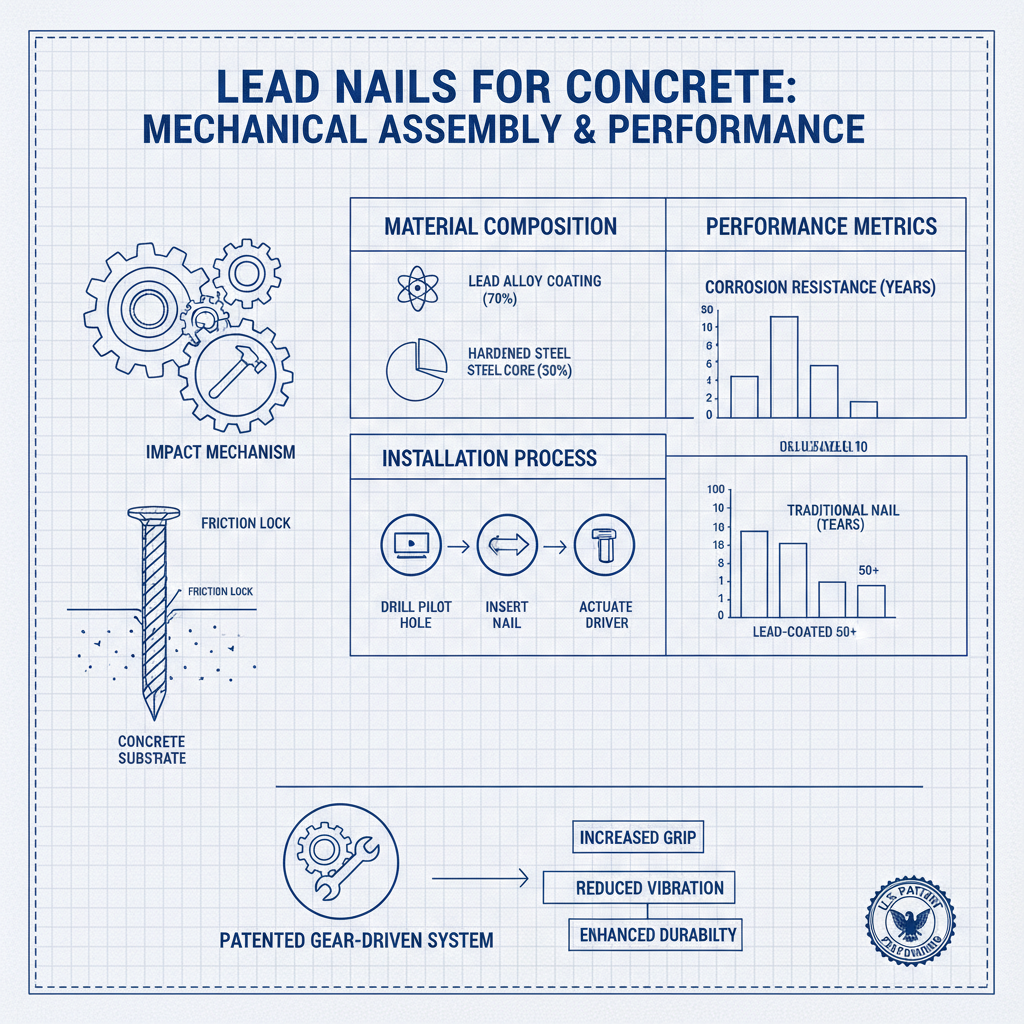
Lead nails, as the name suggests, are nails made from lead or a lead alloy. Their primary function in concrete applications stems from lead’s unique properties: it’s soft, malleable, and possesses a relatively low melting point. This allows the nail to deform and ‘bite’ into the concrete’s surface without causing significant cracking or damage. Historically, they were widely used for securing wood furring strips to concrete walls or ceilings, providing a base for drywall or other finishes. While modern alternatives exist, lead nails remain favored in specific scenarios due to their reliability and ease of use. SXJ Staple provides high-quality lead nails designed for optimal performance.
Key Highlights: Lead's softness and malleability allow it to deform and grip the concrete surface, preventing cracking. They are ideal for applications where minimal concrete damage is crucial.
Lead Nails for Concrete: Key Benefits
Using lead nails in concrete offers several distinct advantages. First, they minimize the risk of cracking or spalling the concrete, which is particularly important in older or more fragile structures. Secondly, they provide a secure hold, preventing the wood furring strips from shifting or becoming loose over time. Their corrosion resistance also ensures longevity, especially in damp environments. Finally, lead nails are relatively easy to install, requiring minimal specialized tools or expertise. These features combined make them a preferred choice for projects demanding both durability and minimal impact on the concrete substrate.
Benefits of Using Lead Nails:
• Minimizes concrete cracking and spalling
• Provides a secure and lasting hold
• Offers excellent corrosion resistance
• Easy to install with minimal specialized tools
Applications of Lead Nails for Concrete
The primary application of lead nails remains the attachment of wood furring strips to concrete walls and ceilings. These furring strips then provide a surface for installing drywall, paneling, or other finishing materials. They are commonly found in basement renovations, older building restorations, and situations where a solid, reliable base is required. Furthermore, they can be used to temporarily secure lightweight items to concrete surfaces. SXJ Staple offers various lengths and gauges to suit diverse project requirements.
Lead Nails vs. Concrete Nails: A Detailed Comparison
While both lead nails and hardened steel concrete nails are used for fastening to concrete, they differ significantly in their application and performance. Concrete nails are designed to penetrate the concrete directly, relying on brute force and a hardened tip. This can often cause cracking, especially in older or weaker concrete. Lead nails, conversely, rely on deformation and gripping, minimizing the risk of damage. Here's a comparison:
Selecting the Right Lead Nail for Your Project
Choosing the correct lead nail involves considering the thickness of the material you’re securing, the type of concrete, and the desired holding power. Longer nails provide greater penetration and hold, while thicker gauges offer increased strength. Always consult the manufacturer’s recommendations for specific load-bearing capacities. SXJ Staple offers a range of sizes and gauges to ensure you find the perfect fit for your needs.
Conclusion: Reliable Fastening with Lead Nails
For projects requiring a gentle yet secure fastening solution in concrete, lead nails offer a time-tested and effective approach. Their ability to minimize concrete damage and provide a lasting hold makes them ideal for a variety of applications. Choose SXJ Staple for high-quality lead nails and ensure a successful and durable outcome.
Frequently Asked Questions (FAQs)
Are lead nails considered environmentally friendly?
Lead is a heavy metal and poses environmental concerns. While the amount of lead used in nails is relatively small, it's essential to handle and dispose of them responsibly. Follow local regulations for disposal of lead-containing materials. Some areas may have restrictions on their use. Consider exploring alternative fastening solutions if environmental concerns are paramount, but understand that these alternatives may not offer the same advantages in terms of minimizing concrete damage.
What safety precautions should I take when working with lead nails?
When handling lead nails, it's crucial to wear gloves and a dust mask to prevent lead exposure. Avoid inhaling dust created during hammering or cutting. Wash your hands thoroughly after handling the nails. Work in a well-ventilated area to minimize dust inhalation. Store nails in a sealed container to prevent lead contamination.
Can lead nails be used in all types of concrete?
Lead nails are best suited for standard concrete and masonry. They may not be as effective in very dense or particularly hard concrete, as the lead may not be able to deform and grip sufficiently. For extremely hard concrete, consider using concrete nails or other specialized fasteners. Always test a small area first to ensure adequate holding power.
What is the typical lifespan of a lead nail installation?
With proper installation and in a relatively stable environment, a lead nail installation can last for several decades. Lead's corrosion resistance contributes to its longevity. However, factors like moisture exposure, temperature fluctuations, and the load applied can affect the lifespan. Regularly inspect the installation for signs of loosening or corrosion.
-
The Ultimate Guide to Choosing 20mm Concrete Nails for ConstructionNewsApr.16,2026
-
Professional Guide to Using 2 inch concrete nails for ConstructionNewsApr.09,2026
-
Understanding the Strength and Versatility of 2 Concrete Nails for ProjectsNewsApr.07,2026
-
Understanding the Strength and Versatility of 2 1 2 Concrete Nails for ConstructionNewsApr.04,2026
-
Comprehensive Guide to Using 1 Inch Concrete Nails for Robust FasteningNewsMar.31,2026
-
The Ultimate Guide to 1 Concrete Nail Applications and Secure Fastening SolutionsNewsMar.28,2026