
Talk With Us
+86-13601661296
Email Address
admin@sxjbradnail.comProfessional Guide to Using 2 inch concrete nails for Construction
The Ultimate Guide to Using 2 Inch Concrete Nails for Construction
In the world of heavy-duty construction and home renovation, selecting the right fastener can make the difference between a structural success and a costly failure. 2 inch concrete nails are essential tools designed specifically to penetrate hard masonry surfaces without the need for pre-drilling. Whether you are securing wooden forms to a concrete slab or installing wall furring strips, these high-carbon steel fasteners provide the grip and shear strength required for demanding environments. Understanding the nuances of their material and application ensures that your project remains secure for decades to come.
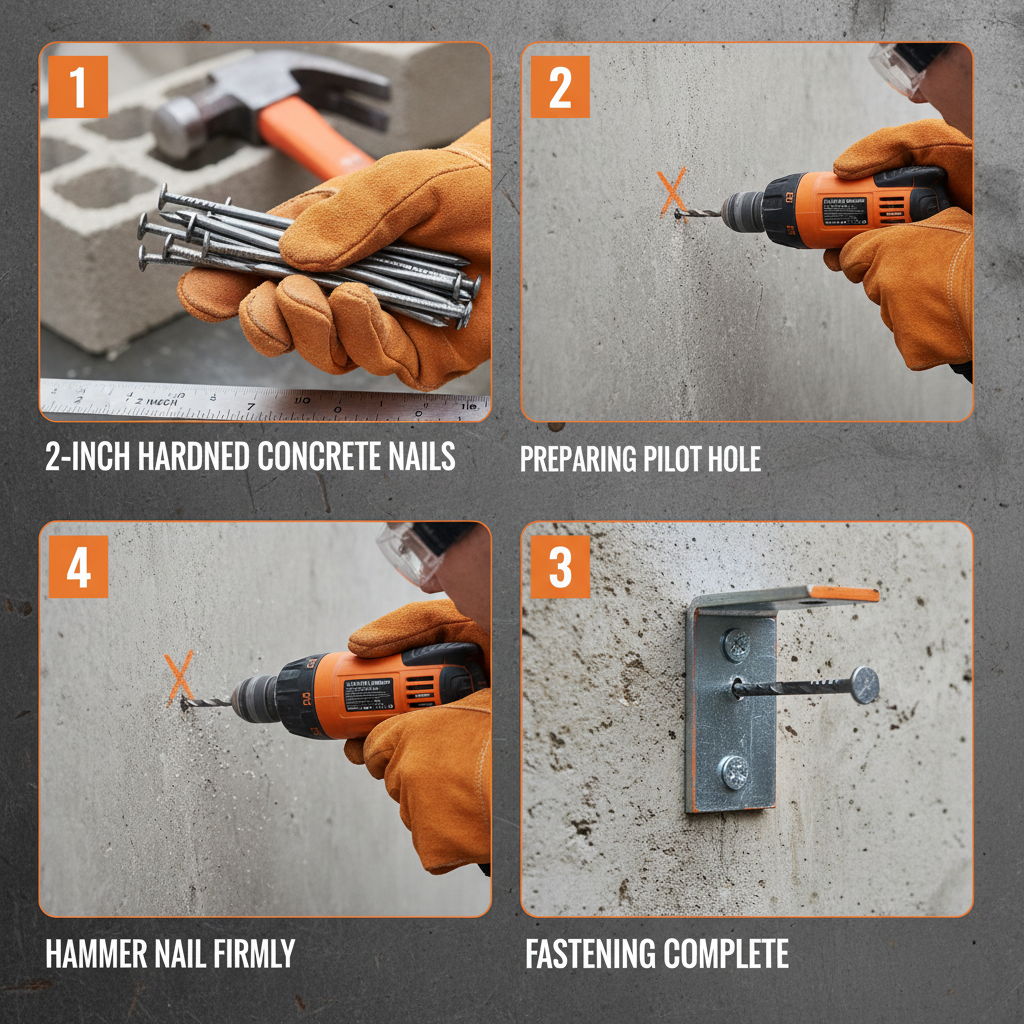
Material Composition of Professional Concrete Nails
Not all nails are created equal. Standard steel nails will bend or snap instantly when hitting a concrete surface. Premium 2 inch concrete nails are manufactured from hardened carbon steel or alloy steel, which undergoes a rigorous heat-treatment process. This increases the Rockwell hardness of the metal, allowing the tip to displace the concrete aggregate rather than flattening. To prevent oxidation in damp environments, many of these nails are coated with a zinc layer or a specialized polymer, ensuring they don't rust and compromise the integrity of the masonry.
Expert Tip: Always check the hardness rating of your nails. For high-density concrete, ensure you are using "case-hardened" nails to prevent the head from popping off during installation.
Choosing the Right Size: Why 2 Inch Concrete Nails?
Size selection is critical for load-bearing capacity. The 2-inch length is considered a "sweet spot" for many residential and commercial applications. It provides enough penetration depth into the concrete to resist pull-out forces while remaining short enough to avoid excessive splitting of the wooden material being fastened. When using 2 inch concrete nails, the typical embedment depth is approximately 1 to 1.5 inches, depending on the thickness of the overlying wood. This ensures a tight, vibration-resistant bond that is ideal for temporary bracing and permanent light-duty fixtures.
Comparison: Concrete Nails vs. Concrete Screws
While both fasteners are used for masonry, they serve different purposes. Concrete nails are prized for their speed of installation and lower cost. They are "driven" into the surface, making them perfect for high-volume tasks. In contrast, concrete screws (Tapcons) require pre-drilling and offer higher pull-out strength. For most framing and temporary structural tasks, 2 inch concrete nails are the more efficient choice, reducing labor time by up to 70% by eliminating the drilling phase.
Best Practices for Installing Concrete Nails
To achieve the best results with 2 inch concrete nails, precision is key. First, ensure the wood is held firmly against the concrete to prevent the nail from sliding. Use a heavy-duty hammer or a powder-actuated tool for the most consistent drive. Avoid hitting the nail at an angle, as this can cause the shaft to bend or the concrete to crack prematurely. If you are working with very hard concrete, a small "starter" tap is recommended to set the nail before delivering the full force of the blow. This method ensures the nail penetrates straight and deep.
Technical Specifications of 2 Inch Concrete Nails
For procurement managers and engineers, understanding the technical data is vital for quality control. Our 2 inch concrete nails are designed to meet international industrial standards for hardness and tensile strength. Below is a detailed specification table for our standard product line:
Conclusion: Enhancing Structural Integrity with Quality Fasteners
Selecting high-quality 2 inch concrete nails is a simple yet critical decision that impacts the longevity and safety of your construction project. By prioritizing heat-treated carbon steel and following proper installation techniques, you can ensure a secure bond between wood and masonry. Whether you are a professional contractor or a DIY enthusiast, using the right tool for the job saves time, reduces waste, and provides peace of mind. For reliable, industrial-grade fasteners, trust the expertise of a specialized manufacturer.
Frequently Asked Questions (FAQs)
Will 2 inch concrete nails crack my concrete slab?
While concrete nails are designed to displace material, there is always a slight risk of cracking, especially if the nail is driven too close to the edge of a slab or into very old, brittle concrete. To minimize this risk, avoid placing nails within 2-3 inches of a corner or edge. Ensure you are using the correct nail diameter for your application. Using a powder-actuated tool can also help by delivering a faster, more concentrated impact that reduces the chance of radiating cracks compared to manual hammering.
Can I use these nails in brick or cinder blocks?
Yes, 2 inch concrete nails work exceptionally well in brick and concrete masonry units (CMU). In fact, they often penetrate more easily into brick than into solid poured concrete. However, since cinder blocks have hollow cores, be mindful that the nail may "bottom out" or move once it hits the void. For hollow blocks, ensure the nail length is appropriate so that it grips the shell of the block securely without pushing through the other side.
How do I remove a concrete nail once it is installed?
Removing a concrete nail is more challenging than removing a standard nail because of the tight friction fit in the masonry. The best method is to use a heavy-duty pry bar or "cat's paw" nail puller. Place a scrap piece of wood under the pry bar to protect the concrete surface from being crushed. If the head of the nail breaks off, you may need to use a masonry drill bit to drill around the nail or use a grinding tool to flush the nail head with the surface before filling the hole with concrete filler.
Are these nails suitable for outdoor use?
Yes, provided they have the correct surface treatment. For outdoor applications, we recommend using zinc-plated or galvanized 2 inch concrete nails to prevent rust and corrosion caused by rain and humidity. Untreated polished nails may rust over time, which can cause unsightly streaks on the concrete and weaken the hold. Always verify the coating specification based on the environmental exposure of your project site.
-
The Ultimate Guide to Choosing 20mm Concrete Nails for ConstructionNewsApr.16,2026
-
Understanding the Strength and Versatility of 2 Concrete Nails for ProjectsNewsApr.07,2026
-
Understanding the Strength and Versatility of 2 1 2 Concrete Nails for ConstructionNewsApr.04,2026
-
Comprehensive Guide to Using 1 Inch Concrete Nails for Robust FasteningNewsMar.31,2026
-
The Ultimate Guide to 1 Concrete Nail Applications and Secure Fastening SolutionsNewsMar.28,2026