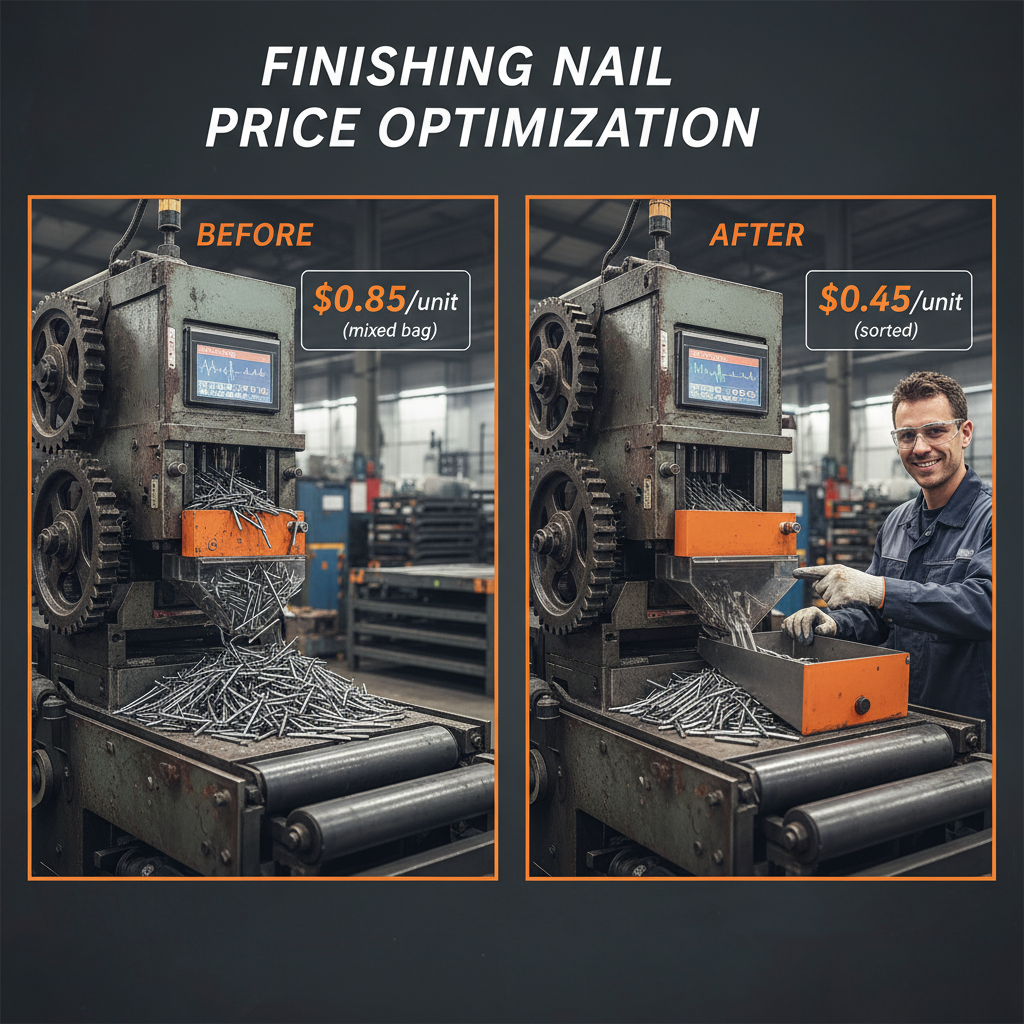
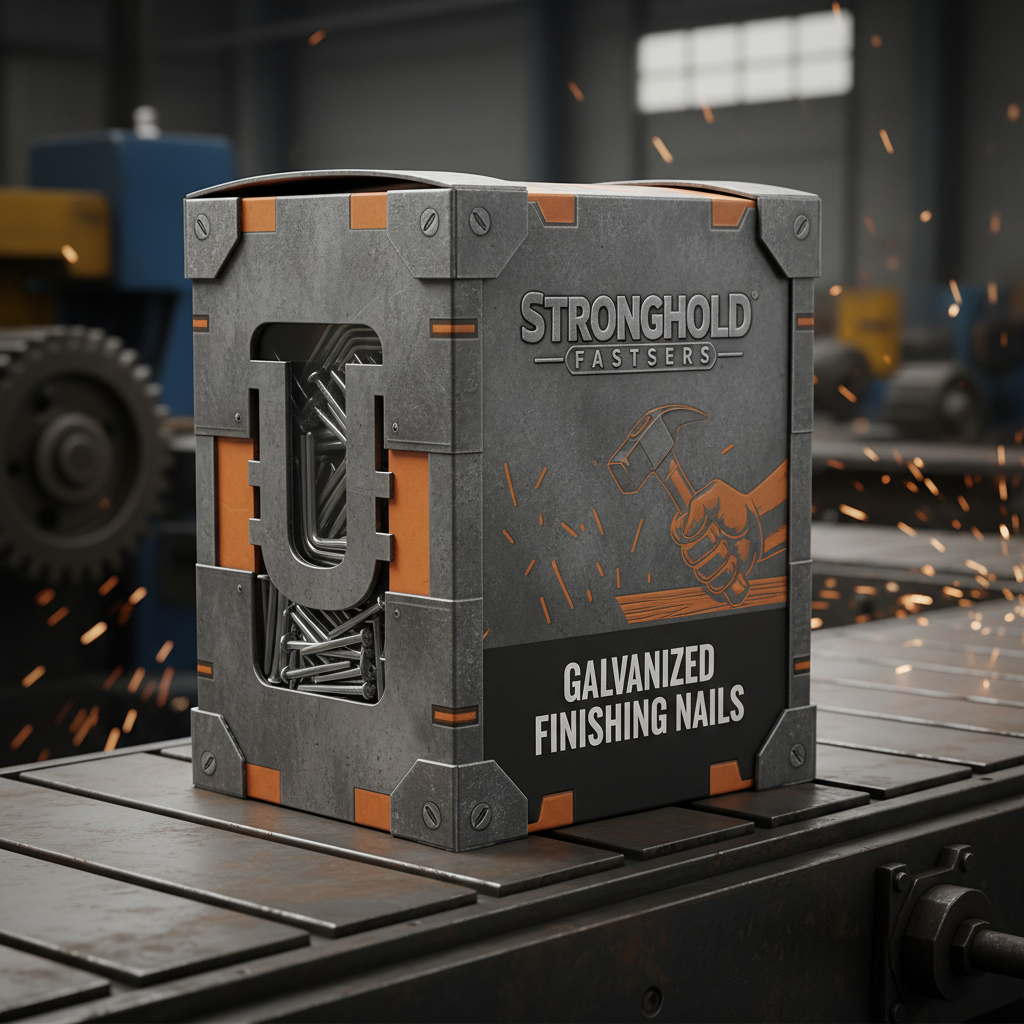
Understanding the fluctuations in finishing nail price is essential for contractors, furniture manufacturers, and DIY enthusiasts who prioritize a seamless aesthetic in their woodworking projects. Finishing nails are designed to leave minimal footprints upon entry, making them indispensable for trim work and cabinetry where visual perfection is the primary goal.
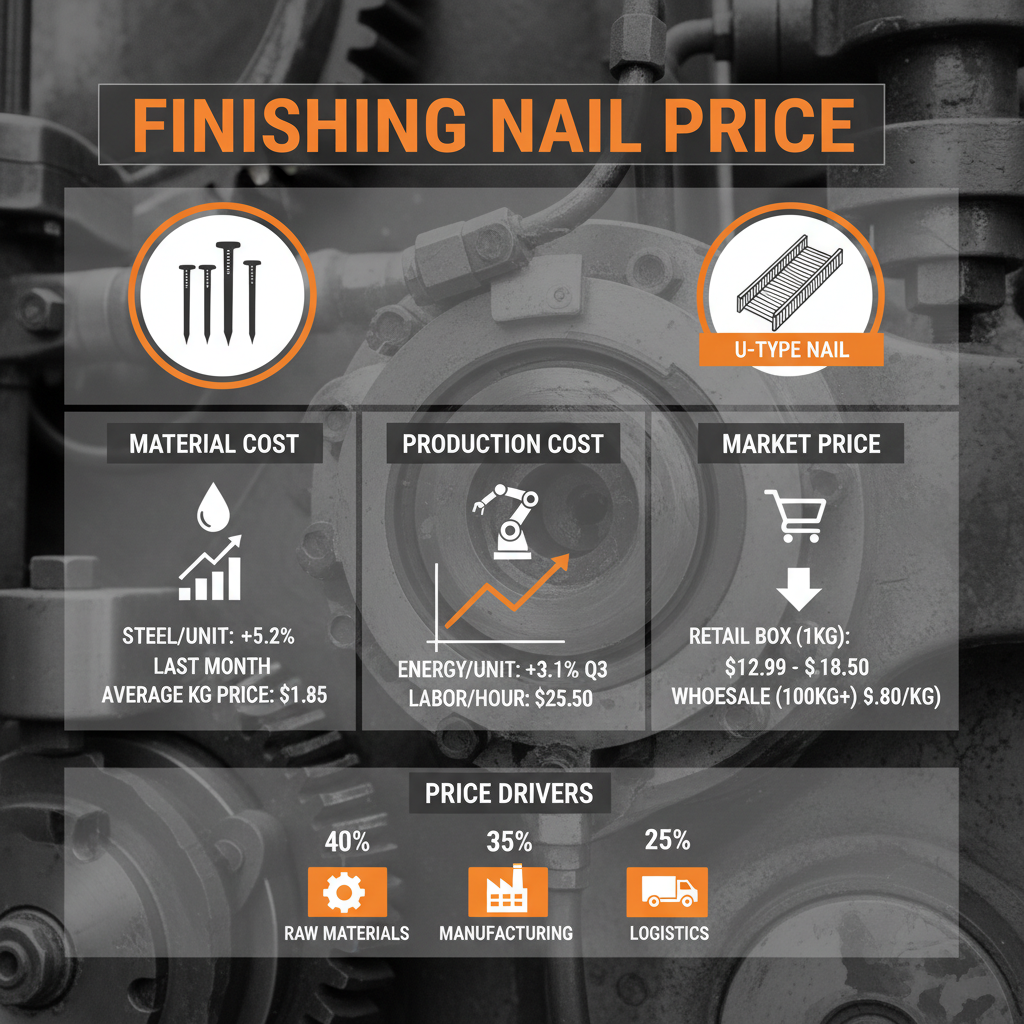
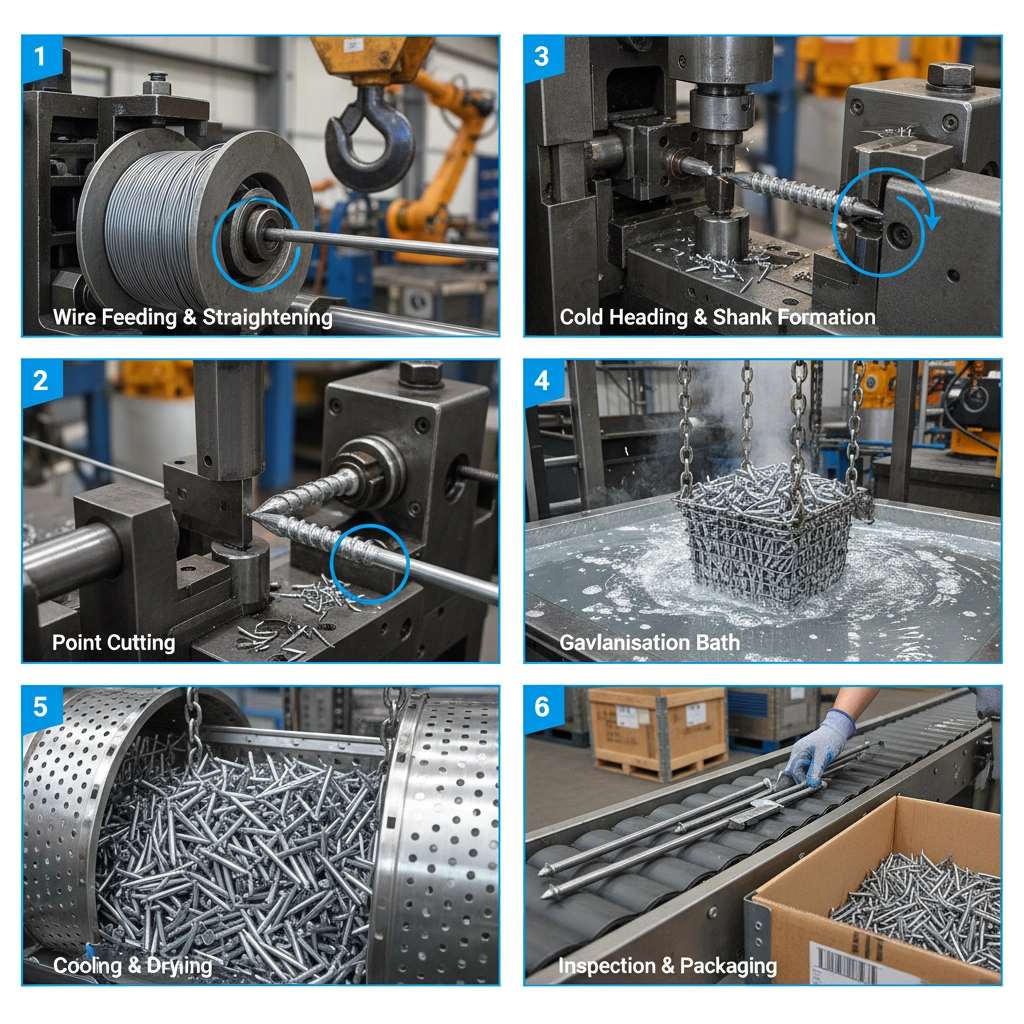
From a global procurement perspective, the finishing nail price is rarely static, as it is heavily influenced by the volatility of raw steel markets and the energy costs associated with precision cold-heading and annealing processes. For businesses operating on tight margins, a slight uptick in material costs can significantly impact the overall budget of a large-scale residential development.
By analyzing the factors that drive the finishing nail price, stakeholders can better predict procurement cycles and optimize their supply chains. This guide provides a comprehensive look at the economic drivers, technical specifications, and market trends that define the current landscape of professional fastening solutions.
Global Market Dynamics of Finishing Nail Price
The global finishing nail price is inextricably linked to the international steel trade. According to data reflecting ISO standards and World Bank commodity trends, the cost of high-carbon steel wire—the primary raw material—fluctuates based on iron ore availability and geopolitical stability in major exporting hubs like China and India.
When logistics costs rise or tariffs are imposed on imported metal goods, the retail finishing nail price typically follows an upward trajectory. This creates a challenge for small-scale workshops that lack the capital to hedge against commodity volatility through bulk forward-buying contracts.
Defining Finishing Nail Price in Modern Construction
In simple commercial terms, the finishing nail price refers to the market value of small-diameter, high-precision nails characterized by a very small head that can be sunk below the surface of the wood. Unlike common nails, these are engineered for discretion and precision, which adds a layer of manufacturing cost due to the tighter tolerances required during the cutting and polishing phases.
Beyond the simple sticker price, the "true cost" involves the relationship between the nail's gauge and its holding power. A lower finishing nail price may sometimes indicate a lower grade of steel or a lack of proper annealing, which can lead to brittle fasteners that snap during installation, ultimately increasing labor costs and material waste.
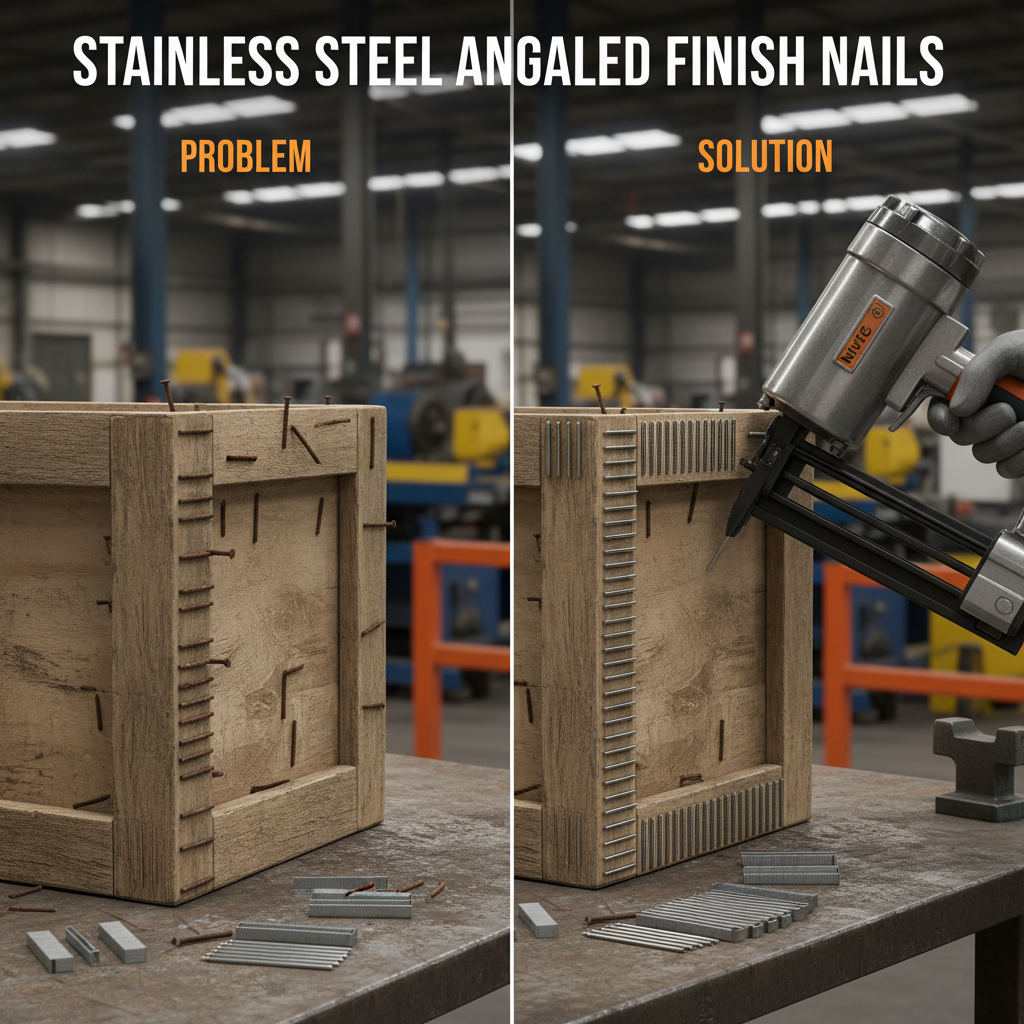
In the context of modern sustainable architecture, the finishing nail price also reflects the inclusion of eco-friendly coatings. Galvanized or stainless steel options carry a premium but prevent corrosion, ensuring that the structural integrity and aesthetic appeal of the project are maintained for decades.
Core Components Influencing Material Cost
The most significant driver of the finishing nail price is the raw material composition. High-carbon steel provides the necessary hardness and shear strength, while the addition of zinc or chromium for corrosion resistance pushes the cost higher.
Manufacturing precision also plays a critical role; the process of creating a "headless" or "small-head" profile requires specialized machinery and rigorous quality control. This precision engineering ensures that the finishing nail price accounts for a lower failure rate during high-speed pneumatic nailing.
Finally, packaging and distribution logistics contribute to the final finishing nail price. Bulk industrial shipments typically offer a lower unit cost compared to small retail boxes, as the overhead for packaging and individual logistics is significantly reduced.
Economic Scalability and Cost Efficiency
Achieving cost efficiency in large-scale projects requires a deep understanding of how volume affects the finishing nail price. By sourcing directly from manufacturers of Brad Nails and Finish Nails, companies can bypass the retail markup, often reducing their expenditure by 20% to 40%.
Furthermore, selecting the correct nail gauge for the specific application prevents the over-specification of materials. Using a higher-cost stainless steel nail where a galvanized nail would suffice unnecessarily inflates the finishing nail price across thousands of units in a single build.
Comparison of Finishing Nail Price Efficiency by Grade
Global Applications and Regional Pricing
The application of finishing nails varies wildly by region, which in turn dictates the local finishing nail price. In North America, the heavy reliance on timber-frame housing drives a massive demand for coil and brad nails, leading to a highly competitive market with streamlined pricing for bulk quantities.
Conversely, in European markets where high-end cabinetry and heritage restoration are more prevalent, there is a higher demand for specialty fasteners. In these regions, the finishing nail price often reflects the premium placed on extreme precision and specialized coatings that prevent wood staining in luxury hardwoods.
Long-Term Value and Reliability Benefits
While it is tempting to seek the lowest possible finishing nail price, the long-term value lies in the reliability of the fastener. Low-quality nails are prone to bending upon impact, which not only wastes material but can damage expensive workpiece surfaces, leading to costly repairs.
Investing in nails with consistent metallurgical properties ensures that the fastening force is distributed evenly. This reliability reduces the risk of joint failure over time, which is a critical safety and quality consideration for furniture manufacturers who provide warranties on their products.
Ultimately, a fair finishing nail price should encompass the peace of mind that comes with ISO-certified production. This ensures that every nail in a box of ten thousand performs identically, eliminating the unpredictability that plagues budget-grade fasteners.
Future Trends in Fastener Pricing and Innovation
The future of the finishing nail price will be shaped by the integration of automation and "Green Steel" initiatives. As manufacturers adopt AI-driven quality control, waste is reduced, which may help stabilize the cost of high-precision finishing nails even as raw material costs fluctuate.
Furthermore, the shift toward carbon-neutral steel production is expected to introduce a new pricing tier. While "Green Steel" may initially increase the finishing nail price, it will provide an essential advantage for companies seeking LEED certification or adhering to strict environmental ESG goals.
We are also seeing a trend toward hybrid fasteners that combine the speed of nailing with the holding power of screws. These innovations will likely create a new market segment where the finishing nail price is decoupled from simple steel weights and instead tied to the intellectual property of the fastener's design.
Analysis of Finishing Nail Price Drivers by Material and Application
| Material Grade |
Price Impact Score (1-10) |
Durability Level |
Primary Application |
| Carbon Steel |
3 |
Moderate |
Interior Trim |
| Hot-Dip Galvanized |
5 |
High |
Exterior Siding |
| Stainless Steel 304 |
9 |
Very High |
Marine/Coastal |
| Electro-Galvanized |
4 |
Moderate |
General Cabinetry |
| Aluminum Alloy |
7 |
High |
Specialty Trim |
| Copper Clad |
8 |
High |
Architectural Accents |
FAQS
The variation in finishing nail price usually stems from the quality of the steel and the precision of the head diameter. Premium brands use higher-grade alloys and tighter manufacturing tolerances to ensure the nail doesn't bend or split the wood, which justifies a higher price point compared to generic alternatives.
Bulk purchasing significantly lowers the unit finishing nail price by reducing per-unit packaging and shipping costs. Manufacturers can also optimize production runs when dealing with large volumes, passing those operational savings on to the B2B buyer.
Yes, coatings such as hot-dip galvanization or stainless steel composition can increase the finishing nail price by 20% to 100%. These coatings are essential for moisture resistance and preventing rust streaks in exterior applications, adding tangible long-term value.
Pneumatic nails often have a slightly higher finishing nail price because they are manufactured in strips (collated) using glue or wire. The added step of collation and the requirement for extreme consistency in length and head size increase the production cost.
Keep an eye on global steel indices and energy costs. Since steel is the primary component, any volatility in the iron ore market typically precedes a shift in the finishing nail price within a few months.
Generally, yes. Brad nails are thinner and used for smaller trim, while finish nails are thicker for heavier loads. The finishing nail price for larger gauges is higher due to the increased volume of steel per unit.
Conclusion
Navigating the complexities of the finishing nail price requires a balance between immediate cost savings and long-term structural reliability. We have explored how raw material volatility, manufacturing precision, and regional demand all converge to determine the market value of these essential fasteners. By prioritizing quality and sourcing strategically, professionals can maintain high aesthetic standards without compromising their project budgets.
As the industry moves toward automation and sustainable materials, the way we evaluate the finishing nail price will likely shift from a commodity-based model to a value-based one. We recommend that builders and manufacturers stay informed on steel market trends and partner with reputable suppliers to ensure consistent quality. For the highest quality fastening solutions and competitive pricing, visit our website: www.sxj-staple.com.