In the precision-driven world of woodworking and interior construction, 2 inch finish nails serve as a critical bridge between structural integrity and aesthetic perfection. These specialized fasteners are designed to provide a secure hold while remaining nearly invisible, ensuring that the beauty of the wood grain is not marred by bulky nail heads. Understanding the nuances of their material composition and application is essential for any professional contractor or DIY enthusiast aiming for a high-end finish.
Globally, the demand for high-quality fasteners has evolved alongside the growth of the modular furniture and luxury housing markets. As construction standards shift toward faster assembly without sacrificing quality, 2 inch finish nails have become a staple in the toolkit of craftsmen. Their ability to penetrate deep into substrates while leaving a minimal footprint makes them indispensable for everything from crown molding to intricate cabinetry.
However, selecting the wrong gauge or coating can lead to common industry failures, such as wood splitting or oxidation streaks. By mastering the technical specifications of these fasteners, users can ensure a lifetime of durability and a seamless visual appearance. This guide explores the global context, technical advantages, and future innovations surrounding these essential fastening components.
Global Industry Context of 2 inch finish nails
The global fastener market is a multi-billion dollar industry governed by strict ISO standards to ensure safety and interoperability across borders. In the specific niche of finish carpentry, 2 inch finish nails represent a critical standard for mid-range trim and molding work. With the surge in urban housing developments in Asia and North America, the demand for fasteners that combine rapid installation with a "hidden" aesthetic has reached an all-time high.
The primary challenge the industry faces is the balance between tensile strength and the risk of material splitting. In high-moisture environments or when working with dense hardwoods, standard nails often fail or leave unsightly marks. This has led to a global shift toward precision-engineered steel alloys and advanced coatings that ensure 2 inch finish nails perform consistently regardless of the geographic climate or wood species.
Defining 2 inch finish nails in Modern Construction
Simply put, 2 inch finish nails are slender, small-headed fasteners designed to be driven into wood surfaces where the nail head is countersunk below the surface and then covered with wood filler or putty. Unlike common nails, which are built for heavy structural framing, finish nails are engineered for "finishing" work—the final stage of construction where visual appeal is as important as the hold.
In a modern industrial context, these fasteners are more than just pieces of metal; they are the unsung heroes of interior architecture. From the installation of baseboards to the assembly of high-end furniture, they provide the necessary grip to hold trim pieces against walls without creating the gaps or cracks associated with larger fasteners. Their dimensions are carefully calibrated to provide sufficient penetration into the wall studs while remaining discreet.
The humanitarian and economic impact of such a small component is surprisingly significant. In the rapid reconstruction of housing after natural disasters, the use of standardized fasteners like 2 inch finish nails allows for the quick assembly of interior partitions and fixtures, enabling displaced families to return to dignified, completed homes in a fraction of the time required by traditional joinery.
Core Technical Components and Quality Factors
The durability of 2 inch finish nails is primarily determined by the grade of steel used during the drawing process. High-carbon steel provides the rigidity needed to prevent bending during high-velocity pneumatic firing, while the precision of the point ensures that the nail slices through wood fibers rather than crushing them, which significantly reduces the likelihood of splitting the workpiece.
Cost efficiency in the professional sector is not about buying the cheapest nail, but about minimizing waste and labor. Premium 2 inch finish nails reduce "blowouts" and the need for corrective sanding or filling. When a nail is perfectly straight and consistently sized, it integrates seamlessly with pneumatic nailers, preventing tool jams that can cost a construction crew hours of lost productivity over a large project.
Scalability in application is achieved through various coating options. Galvanized 2 inch finish nails are essential for humid environments like bathrooms or kitchens, where moisture would otherwise cause rust streaks to bleed through the paint. Stainless steel variants are used in luxury coastal builds to ensure that the fasteners do not corrode under salt-air exposure, providing a permanent, invisible bond.
Performance Analysis of Fastening Methods
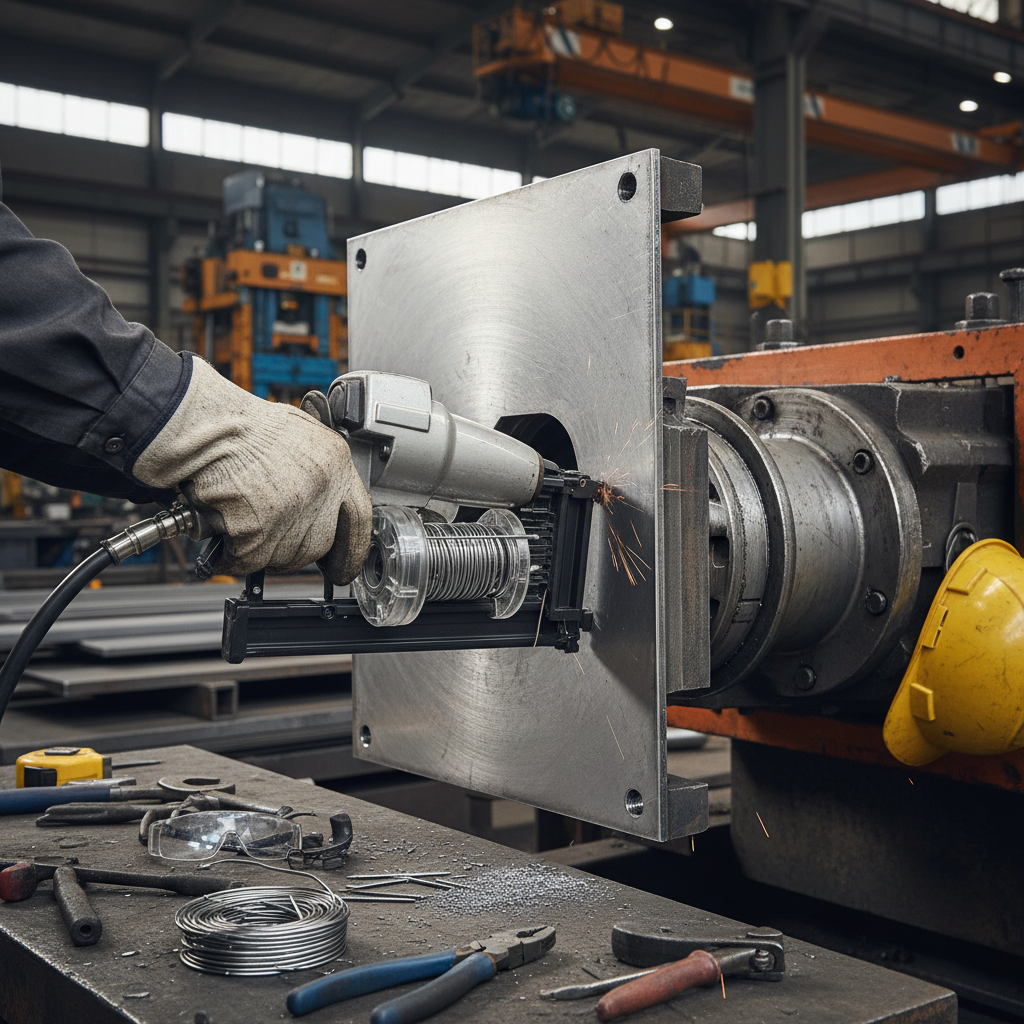
When comparing different installation methods for 2 inch finish nails, the choice usually comes down to manual hammering versus pneumatic nailing. While manual installation offers maximum control for delicate artistic work, pneumatic systems provide the speed and consistency required for commercial-scale interior finishing.
The efficiency of these methods is measured by the depth of penetration and the cleanliness of the entry point. Pneumatic firing ensures that the nail is driven consistently to the same depth, which is crucial when installing long runs of crown molding where any variation in nail head depth could result in uneven surfaces after filling.
Comparison of Fastening Efficiency for 2 inch finish nails
Global Applications and Use Cases
The application of 2 inch finish nails spans a vast array of industries. In the high-end residential sector of Europe and North America, they are primarily used for securing door casings, window trim, and wainscoting. Because these elements are the most visible parts of a room, the "invisible" nature of the 2-inch nail is paramount to achieving a professional architectural look.
Beyond luxury homes, these fasteners are utilized in industrial exhibition booth construction and temporary retail installations. In these fast-paced environments, the ability to quickly secure lightweight panels and decorative trim using 2 inch finish nails allows companies to deploy complex brand experiences across different cities in a matter of days, balancing structural stability with the need for rapid disassembly.
Long-Term Value and Sustainability Advantages
The long-term value of utilizing high-grade 2 inch finish nails lies in the reduction of maintenance costs. Cheap fasteners often lead to "nail pop," where the nail backs out of the wood due to shrinkage and expansion, leaving a bump in the finished wall. High-quality steel with precise grip patterns prevents this, ensuring that the interior finishes remain pristine for decades.
From a sustainability perspective, the shift toward high-precision fasteners reduces material waste. When 2 inch finish nails are used correctly, they eliminate the need for excessive adhesives or chemical glues that can off-gas volatile organic compounds (VOCs) into the home. This promotes a healthier indoor air quality and a more eco-friendly construction process.
Furthermore, the reliability of these fasteners fosters a sense of trust between the contractor and the client. The logical angle is based on engineering—tensile strength and shear resistance—but the emotional angle is about peace of mind. Knowing that the delicate trim of a home is held by industry-standard 2 inch finish nails means the homeowner doesn't have to worry about sagging moldings or crumbling joints.
Future Trends and Material Innovations
The future of 2 inch finish nails is being shaped by the digital transformation of the construction industry. With the rise of BIM (Building Information Modeling), fasteners are now being specified with extreme precision in the design phase, leading to "just-in-time" delivery of specific nail gauges and coatings tailored to the exact wood species used in a project.
Material science is also introducing nano-coatings that offer unprecedented corrosion resistance without the thickness of traditional galvanization. These innovations allow 2 inch finish nails to be even thinner and more discreet while providing superior grip and resistance to the elements, paving the way for more sustainable and longer-lasting interiors.
Automation is another key driver, with robotic nailers being integrated into prefabricated housing factories. These systems use high-precision 2 inch finish nails to assemble interior modules with micron-level accuracy, drastically reducing human error and increasing the overall speed of housing production to meet global demand.
Technical Comparison of 2 inch finish nails Material Options
| Material Grade |
Corrosion Resistance |
Holding Power |
Recommended Use |
| Bright Steel |
Low (2/10) |
High (8/10) |
Dry Interior Trim |
| Electro-Galvanized |
Medium (5/10) |
High (8/10) |
Bathroom/Kitchen |
| Hot-Dipped Galv. |
High (8/10) |
Medium (7/10) |
Exterior Siding |
| Stainless Steel 304 |
Very High (10/10) |
High (9/10) |
Coastal/Marine |
| Poly-Coated |
Medium (6/10) |
Very High (10/10) |
Treated Lumber |
| Aluminum Alloy |
High (7/10) |
Low (4/10) |
Specialty Trim |
FAQS
The primary difference lies in the gauge (thickness) and the head size. Brad nails are much thinner and have a tiny head, making them ideal for very delicate trim. 2 inch finish nails are thicker and offer significantly more holding power, making them suitable for heavier moldings, door casings, and baseboards where a brad nail would simply pull out over time.
Yes, provided you use high-quality nails with a precision-tapered point. For extremely dense hardwoods like oak or maple, it is often recommended to use a pneumatic nailer to ensure a fast, clean entry. If you are hammering manually, a small pilot hole may be necessary, although the design of modern 2 inch finish nails is intended to minimize this requirement.
Stainless steel is the superior choice for environments with extreme moisture or salt exposure, such as coastal homes or outdoor decks. While galvanized nails offer good protection for typical indoor humid areas (like bathrooms), they can eventually rust in salt-air environments. Stainless steel 2 inch finish nails provide a lifetime of corrosion resistance.
The key is to "set" the nail. Use a nail set tool or the pneumatic nailer's depth adjustment to drive the head slightly below the surface of the wood. Once recessed, fill the small hole with a high-quality wood filler that matches the stain or paint of the wood. After the filler dries, sand it flush and apply the final coat of finish for a completely seamless look.
No, they are not. You must ensure your nail gun is specifically designed for "finish nails" rather than "brad nails" or "framing nails." Check the magazine capacity and the gauge requirements of your tool. Most standard 15 or 16-gauge finish nailers are compatible with 2 inch finish nails, but always verify the manufacturer's specifications to avoid jamming.
No, 2 inch finish nails are designed for aesthetic and non-structural fastening. They lack the thickness and shear strength required for framing or load-bearing walls. For structural integrity, you should use common nails, screws, or framing nails. Finish nails are intended only to hold decorative elements against a structural base.
Conclusion
In summary, 2 inch finish nails are an essential component of modern interior construction, balancing the critical needs of structural hold and visual discretion. From the choice of steel grade and corrosion-resistant coatings to the method of installation, every detail contributes to the longevity and beauty of the final project. By understanding the technical distinctions between materials and the correct application methods, professionals can ensure a flawless finish that stands the test of time.
As the industry moves toward greater automation and sustainable material science, the role of precision fasteners will only grow in importance. We encourage contractors and designers to invest in high-quality, standardized fasteners to reduce waste and enhance the value of their craftsmanship. For premium fastening solutions that meet global standards, visit our website: www.sxj-staple.com.