In the world of professional carpentry and high-end cabinetry, the precision of a fastener can define the quality of the final product. 2 1 2 finish nails serve as a critical bridge between structural integrity and aesthetic perfection, offering a slim profile that minimizes surface disruption while maintaining a powerful hold. Whether for intricate molding or sophisticated furniture assembly, these specialized fasteners are engineered to disappear into the wood, allowing the craftsmanship to take center stage.
Understanding the technical specifications and application methods of 2 1 2 finish nails is essential for contractors and DIY enthusiasts alike who aim for a seamless finish. As global construction standards evolve toward more sustainable and efficient building practices, the demand for high-performance, low-visibility fasteners has surged. These nails are not merely commodities; they are precision tools designed to prevent wood splitting and ensure long-term joint stability.
By exploring the material composition, driving mechanics, and industry-standard uses of 2 1 2 finish nails, users can significantly reduce waste and labor time. From the residential housing boom in North America to the luxury interior markets in Asia and Europe, the adoption of these nails reflects a global shift toward efficiency. This comprehensive guide will dissect everything from their metallurgical properties to their future in automated construction.
Global Industry Context of 2 1 2 Finish Nails
On a global scale, the fasteners market is inextricably linked to the volatility of the steel industry and the growth of the global housing market. According to ISO standards and industrial output data, the shift toward pre-fabricated housing and modular interiors has increased the reliance on precision fasteners like 2 1 2 finish nails. These components are essential in maintaining the lean manufacturing goals of modern construction firms, where speed must be balanced with meticulous quality control.
One of the primary challenges the industry faces is the balance between shear strength and the "invisible" nature of the nail. In many high-humidity regions, such as Southeast Asia or the coastal US, standard nails often succumb to corrosion or cause unsightly "bleeding" through the wood paint. 2 1 2 finish nails address this by utilizing advanced coatings and specific gauge dimensions that provide sufficient holding power without compromising the visual integrity of the workpiece.
Defining the Technicality of 2 1 2 Finish Nails
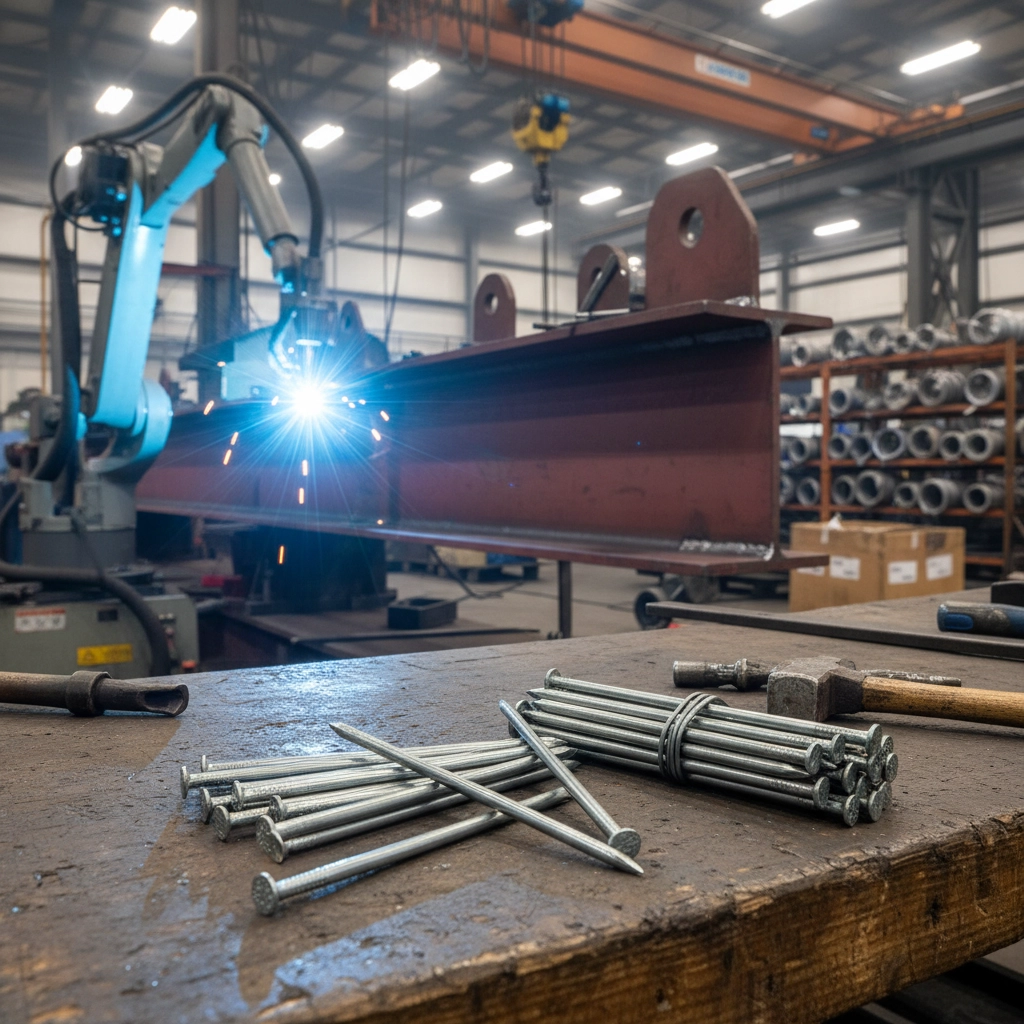
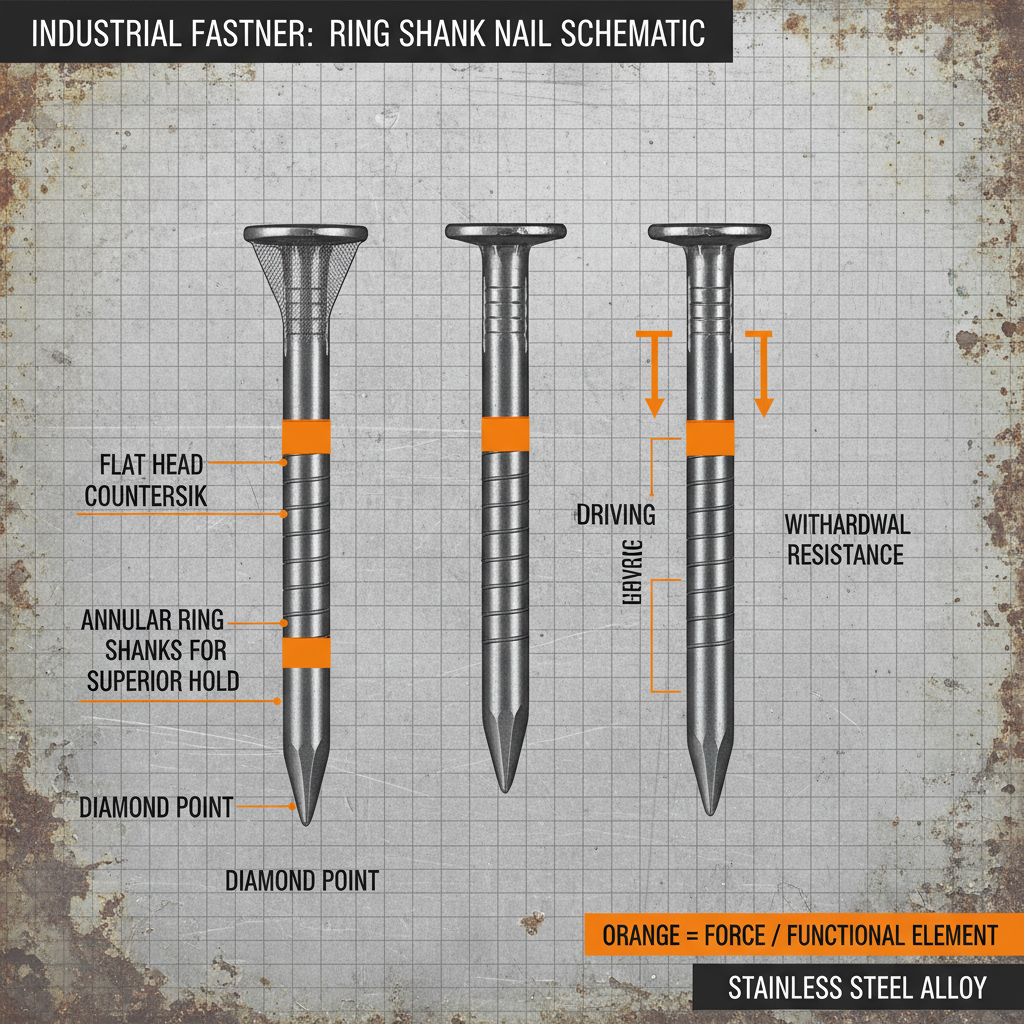
At its simplest level, 2 1 2 finish nails are specialized fasteners characterized by a small head and a thin shank, specifically designed to be driven deep into the wood so the head can be easily filled or hidden. The nomenclature refers to the precise dimensions and gauge that ensure compatibility with professional pneumatic finish nailers. Unlike common nails, these are engineered to leave a minuscule entry hole, which is critical for high-end furniture and trim work.
In the context of modern industrial needs, these fasteners facilitate the "fast-track" construction of interior elements. As urban density increases, the demand for rapid interior fit-outs in commercial spaces—such as hotels and retail outlets—has made the efficiency of 2 1 2 finish nails indispensable. They allow craftsmen to secure delicate moldings and panels rapidly while ensuring the joint remains rigid under thermal expansion and contraction.
Furthermore, the role of these nails extends to humanitarian and rapid-deployment housing projects. In regions recovering from natural disasters, where temporary but durable wooden shelters are required, the use of standardized 2 1 2 finish nails ensures that assembly is fast, consistent, and requires minimal specialized tool adjustment, effectively bridging the gap between emergency utility and structural stability.
Core Components for Maximum Durability
The performance of 2 1 2 finish nails is primarily determined by the quality of the steel alloy used in production. High-carbon steel is often preferred for its hardness and resistance to bending during high-velocity pneumatic firing. This material integrity ensures that the nail penetrates dense hardwoods without curving, which is a common failure point in inferior fasteners.
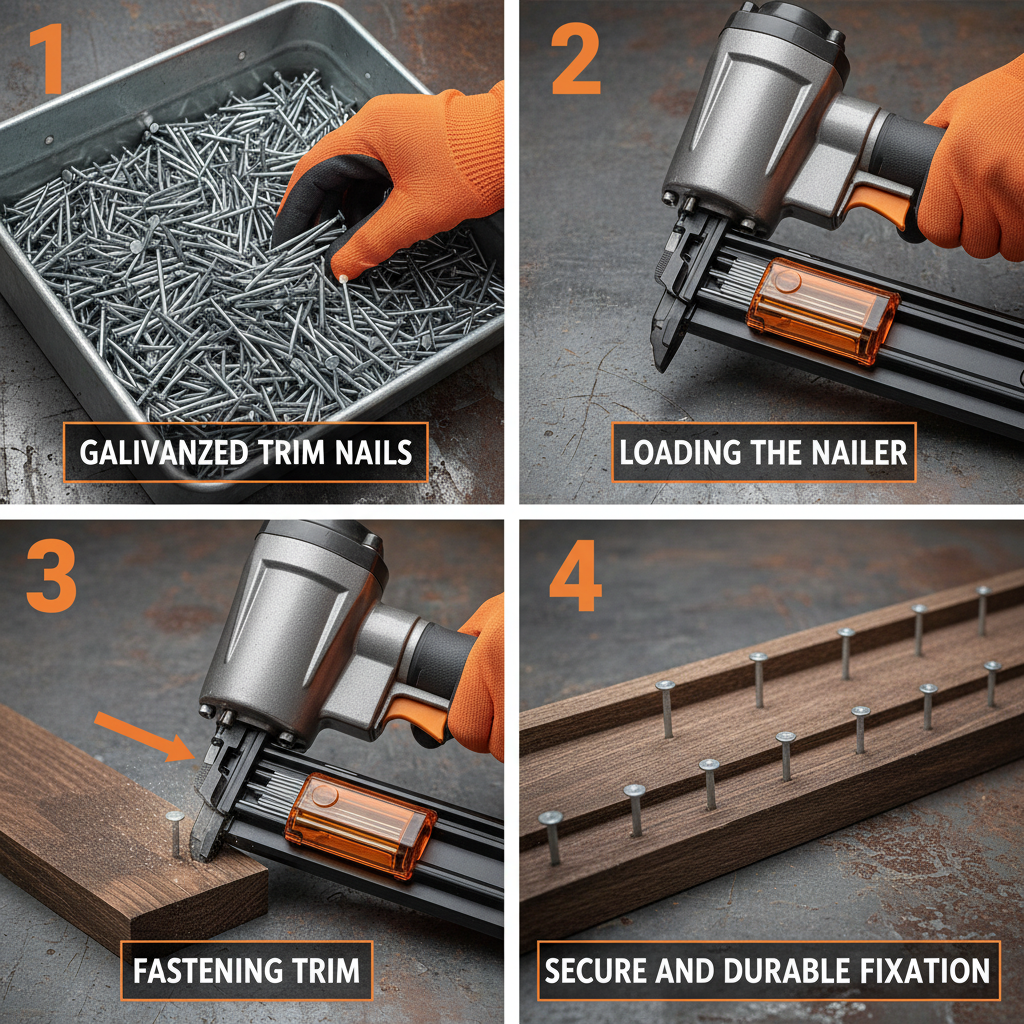
Another critical factor is the surface treatment. Whether galvanized, stainless, or electro-coated, the coating on 2 1 2 finish nails prevents oxidation. In luxury cabinetry, a failure in the coating can lead to rust streaks that ruin an entire project, making the chemical composition of the finish as important as the structural integrity of the shank.
Finally, the head geometry and point angle are engineered to minimize the "displacement" of wood fibers. A precision-pointed 2 1 2 finish nails system reduces the risk of splitting in narrow trim pieces. This scalability—the ability to work on both massive crown moldings and tiny decorative beads—makes these fasteners a versatile staple in any professional's arsenal.
Global Applications and Real-World Use Cases
In real-world applications, 2 1 2 finish nails are the gold standard for interior trim, baseboards, and window casings across North America and Europe. Their ability to provide a strong mechanical bond while remaining virtually invisible allows designers to create clean lines and minimalist aesthetics. For instance, in high-end Scandinavian furniture design, where the purity of the wood grain is paramount, these nails are used to secure joints that would otherwise require bulky screws.
Beyond residential use, these fasteners are heavily utilized in remote industrial zones for the construction of wooden formwork and interior partitioning. In large-scale commercial projects, the speed of installation is a key KPI; using pneumatic 2 1 2 finish nails reduces the man-hours required for finishing work by up to 40% compared to manual nailing or screw-based fastening.
Performance Comparison of 2 1 2 Finish Nails Variations
Long-Term Value and Professional Advantages
The tangible benefit of investing in premium 2 1 2 finish nails lies in the reduction of rework. When lower-grade fasteners are used, the risk of "blow-outs" or nails that don't sink fully into the wood increases, necessitating the use of nail sets and additional filler, which slows down the production line. By using consistent, high-tolerance nails, professionals ensure a "first-time-right" installation, significantly enhancing profit margins.
From an emotional and brand perspective, the use of these fasteners builds trust with the end client. A homeowner noticing a single protruding nail or a rust stain in their new crown molding perceives it as a sign of poor overall quality. Therefore, 2 1 2 finish nails provide an invisible layer of insurance, guaranteeing a level of finish that speaks to the professionalism and attention to detail of the contractor.
Future Trends in Fastener Innovation
The future of 2 1 2 finish nails is being shaped by the push toward "Green Building" certifications. We are seeing a move toward the use of recycled steel and eco-friendly coatings that reduce VOC emissions during the manufacturing process. As sustainability becomes a regulatory requirement, the industry is innovating ways to maintain the strength of the nail while reducing its carbon footprint.
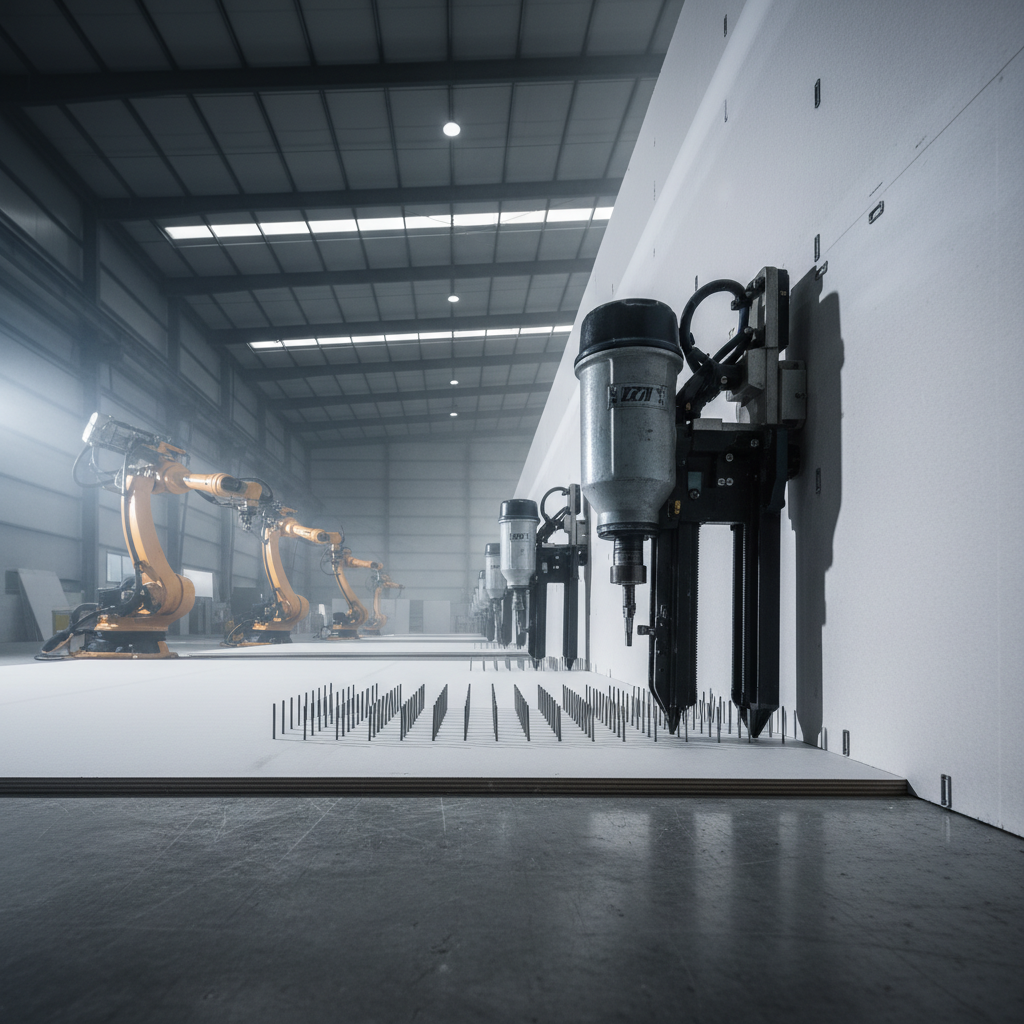
Digital transformation is also playing a role through the integration of AI-driven pneumatic tools. Modern nail guns are beginning to incorporate sensors that can detect the density of the wood and adjust the firing pressure for 2 1 2 finish nails in real-time. This prevents over-driving (which damages the wood) and under-driving (which leaves the nail head exposed), automating the quest for the perfect finish.
Furthermore, the rise of 3D printing in construction is creating a hybrid demand. While large structures are printed, the fine finishing work still requires mechanical fasteners. The next generation of 2 1 2 finish nails will likely feature advanced nano-coatings that increase friction once embedded, eliminating the need for adhesives in many interior applications.
Overcoming Common Challenges in Installation
One of the most common frustrations when using 2 1 2 finish nails is the occurrence of "nail jams" in pneumatic tools. This is often caused by inconsistent nail dimensions or poor strip adhesion. The solution lies in sourcing nails from manufacturers with strict ISO quality controls, ensuring that each nail is perfectly aligned in its collation, which allows for a smooth, uninterrupted flow of fasteners.
Another challenge is the splitting of extremely dry or brittle hardwoods. Even with a thin gauge, 2 1 2 finish nails can cause fractures if driven too close to the edge of a board. Expert insight suggests the use of a "staggered" nailing pattern and ensuring the tool's depth adjustment is calibrated to the specific wood species being used to avoid excessive impact force.
Finally, many users struggle with "nail popping" over time due to seasonal wood movement. To overcome this, professionals recommend using 2 1 2 finish nails in conjunction with high-quality construction adhesives. This hybrid approach combines the immediate clamping force of the nail with the permanent, flexible bond of the adhesive, ensuring the trim remains flush regardless of weather changes.
Technical Specifications and Performance Analysis of 2 1 2 Finish Nails
| Material Grade |
Holding Power (1-10) |
Corrosion Resistance |
Recommended Use Case |
| Bright Steel |
7 |
Low |
Indoor dry furniture |
| Galvanized |
8 |
Medium |
General interior trim |
| Stainless Steel |
9 |
High |
Kitchen/Bathroom cabinets |
| Electro-coated |
8 |
Medium-High |
Painted moldings |
| Hardened Alloy |
10 |
Medium |
Dense hardwood floors |
| Zinc Plated |
6 |
Low-Medium |
Temporary fixtures |
FAQS
The primary difference lies in the gauge and holding power. 2 1 2 finish nails are typically thicker than brad nails, providing significantly more shear strength and structural stability. While brad nails are ideal for very delicate trim or holding pieces in place for gluing, finish nails are used when the fastener itself must provide the primary structural hold for the molding or cabinetry.
It depends on the material. Standard bright steel 2 1 2 finish nails will rust quickly outdoors. For exterior use, you must use stainless steel or hot-dipped galvanized versions. These materials provide the necessary corrosion resistance to prevent rust streaks and structural failure caused by moisture exposure in decks, fences, or outdoor trim.
Bending usually occurs due to two reasons: inferior steel quality or incorrect air pressure. Low-grade nails lack the hardness to penetrate dense fibers. Ensure you are using high-carbon steel 2 1 2 finish nails and check that your compressor is set to the recommended PSI for the specific wood species to ensure a clean, straight drive.
The goal is to "sink" the head slightly below the wood surface without bruising the wood. Use the depth adjustment dial on your nailer to ensure the 2 1 2 finish nails are driven 1-2mm deep. You can then fill the small hole with a matching wood filler or wax stick, followed by sanding and painting for a completely invisible finish.
No, they are specifically compatible with "Finish Nailers" designed for their specific gauge and collation. Before purchasing 2 1 2 finish nails, check your tool's manual to ensure it supports the nail diameter and the strip width of the collation. Using the wrong size can lead to dangerous misfires or permanent tool damage.
In most cases, no. One of the main advantages of 2 1 2 finish nails is their thin profile, which minimizes the need for pre-drilling. However, if you are working with extremely brittle exotic hardwoods or driving very close to the edge of a thin board, a tiny pilot hole can further reduce the risk of splitting.
Conclusion
In summary, 2 1 2 finish nails are far more than simple pieces of metal; they are essential components that enable the blend of strength and beauty in modern woodworking. By selecting the correct material grade, ensuring precision installation, and staying abreast of technological advancements in nailer automation, professionals can deliver a level of quality that stands the test of time. The intersection of metallurgy and craftsmanship is where these fasteners truly shine, providing the invisible support required for high-end architectural details.
As the industry moves toward smarter and greener construction, the role of the precision fastener will only grow. We encourage contractors and designers to prioritize high-tolerance components to minimize waste and maximize client satisfaction. For those seeking the highest standard in fasteners, investing in quality-certified 2 1 2 finish nails is a strategic decision that pays dividends in both project longevity and professional reputation. Visit our website for more information: www.sxj-staple.com