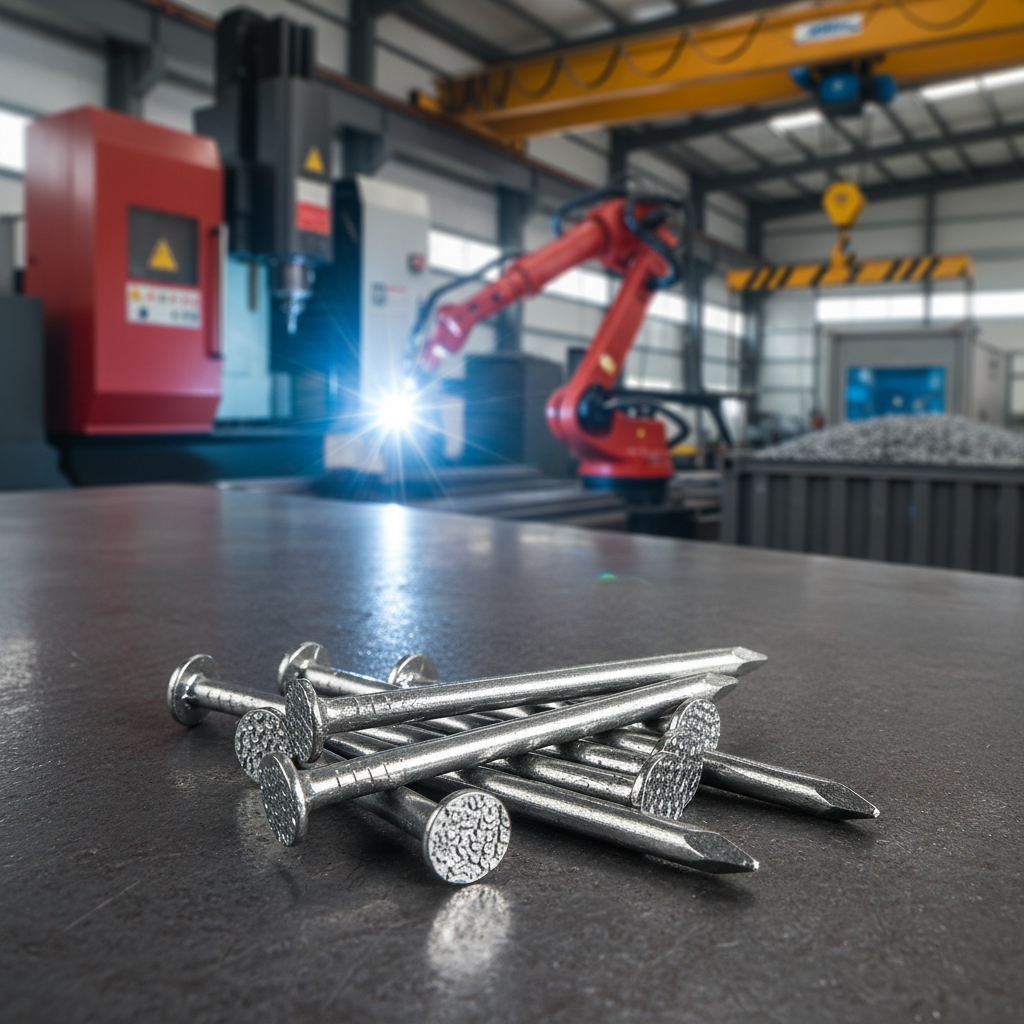
When it comes to high-precision fastening in the construction and furniture industries, the 6d nail stands as a fundamental component that ensures structural integrity and longevity. This specific size of fastener is meticulously engineered to balance penetration power with holding strength, making it an indispensable tool for professionals who demand reliability in every strike.
Globally, the demand for standardized fasteners like the 6d nail has grown as modular construction and rapid assembly methods become the norm. Understanding the metallurgical properties and the precise dimensions of these nails allows contractors to optimize their material usage, reducing waste while enhancing the safety and stability of their builds.
Choosing the right 6d nail is not merely about size; it is about matching the material grade—whether carbon steel or galvanized—to the environmental conditions of the project. From residential framing to intricate cabinetry, the right nail provides the invisible strength that keeps our modern infrastructure standing firm.
Global Market Significance of 6d Nails
The global fastener market is a multi-billion dollar industry, where the 6d nail plays a pivotal role in the residential and light industrial sectors. According to ISO standards for fasteners, consistency in diameter and length is critical to ensure that structural loads are distributed evenly across joints, preventing premature failure in timber frames.
In emerging economies, the rapid urbanization led by initiatives like the World Bank's infrastructure projects has increased the reliance on cost-effective, high-strength fasteners. The 6d nail addresses the challenge of balancing speed of installation with long-term reliability, providing a standardized solution that works across diverse climatic zones and wood species.
Technical Definition and Material Standards
In simple technical terms, a 6d nail refers to a nail with a length of 6 pence (approximately 2 inches or 50mm), designed for medium-duty fastening. This specific dimension is the "sweet spot" for many carpentry tasks, providing enough depth for a secure grip without being so long that it splits the wood fibers of thinner boards.
Modern industry has evolved the 6d nail from basic iron spikes into precision-engineered tools. Depending on the application, they are manufactured from high-carbon steel for maximum shear strength or hot-dipped galvanized steel to prevent corrosion in humid or outdoor environments, adhering to strict ASTM and DIN quality controls.
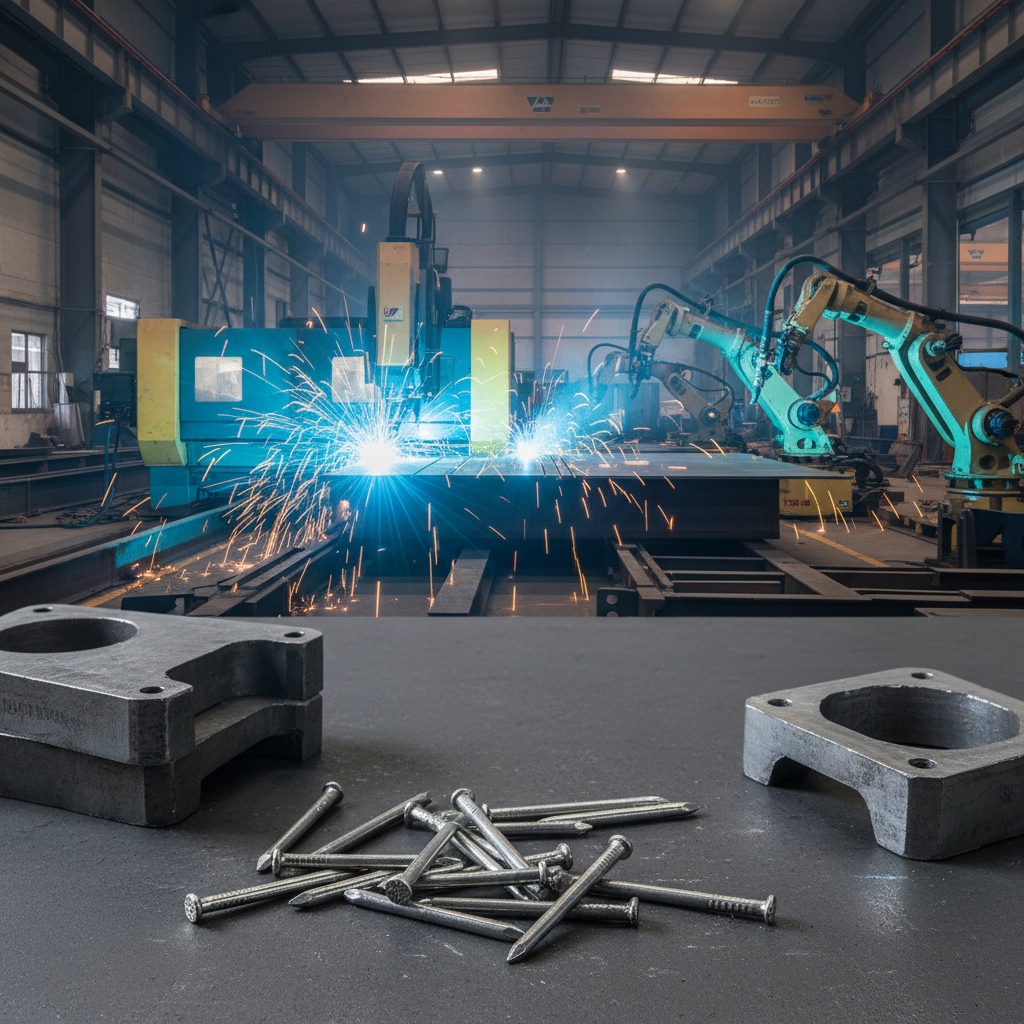
Beyond the physical dimensions, the "meaning" of the 6d nail in today's market is its role as a universal connector. Whether it is used in the assembly of pallet crates for global shipping or the framing of interior walls, it represents the intersection of traditional craftsmanship and automated industrial manufacturing.
Core Performance Factors for Durability
The primary factor determining the success of a 6d nail is its tensile strength. High-quality steel ensures that the nail does not bend under the force of a pneumatic hammer or the shifting loads of a building's structure, maintaining a rigid connection over decades.
Corrosion resistance is another critical pillar. For a 6d nail used in coastal regions or outdoor decking, the chemical composition of the coating—such as zinc or specialized polymer coatings—prevents the oxidation process that leads to "nail sickness," where the nail degrades and weakens the surrounding wood.
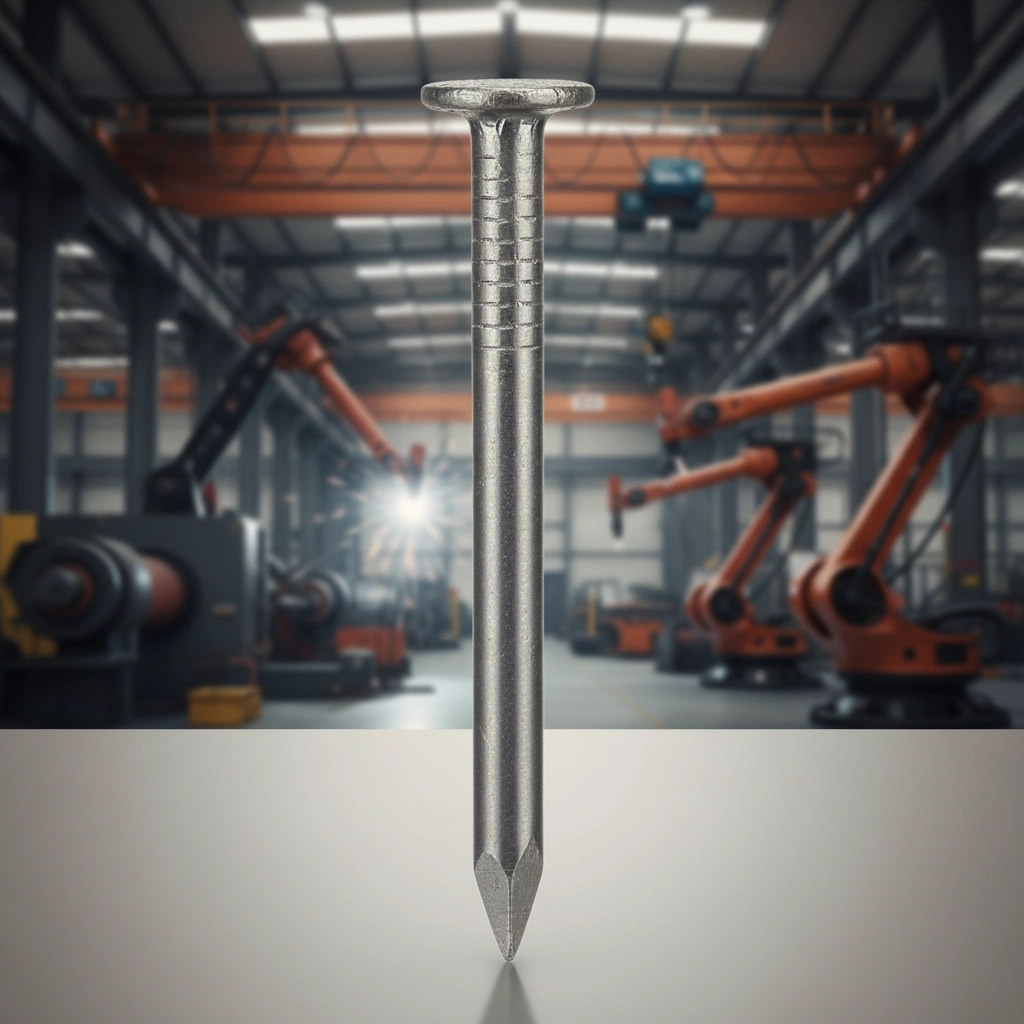
Lastly, the geometry of the head and point impacts the efficiency of the 6d nail. A diamond-point tip ensures easy penetration without splitting, while a precisely formed head provides a larger surface area for the hammer's strike and a secure hold against the material.
Comparative Efficiency of Fastening Methods
When comparing different fastening strategies, the 6d nail often outperforms screws in terms of shear strength and installation speed. While screws offer superior withdrawal resistance, nails are designed to bend slightly without snapping, which is a critical safety feature in seismic-prone regions.
The efficiency of using a 6d nail is most apparent in large-scale framing projects where thousands of fasteners are required. The reduced labor time per joint, combined with the lower unit cost compared to complex screw systems, makes it the most economically viable choice for structural skeletons.
Fastener Performance Analysis: 6d Nail Variants
Real-World Applications and Global Use Cases
In the realm of furniture manufacturing, the 6d nail is frequently used for assembling internal frames and reinforced joints. Its ability to hold firmly while remaining discrete allows designers to create sturdy pieces that maintain a clean aesthetic without visible screw heads.
Beyond luxury goods, the 6d nail is a hero in disaster relief and temporary housing. In post-earthquake reconstruction zones, the speed of deploying wooden shelters relies on the availability of standardized nails. Their ease of use means that even semi-skilled volunteers can contribute to the rapid assembly of safe, temporary dwellings.
Long-Term Value and Sustainability
The long-term value of utilizing a high-grade 6d nail manifests in the reduced need for maintenance and repairs. A building constructed with corrosion-resistant nails avoids the structural instability caused by rusting fasteners, effectively extending the lifecycle of the wooden structure and reducing the carbon footprint associated with demolition and rebuilding.
From an emotional perspective, the reliability of these fasteners translates to trust and safety. For a homeowner, knowing that the joists and studs are held together by industry-standard 6d nails provides peace of mind. It is the invisible insurance policy that guarantees the dignity of a safe living environment.
Furthermore, the shift toward recyclable steel in the production of the 6d nail aligns with global sustainability goals. Modern manufacturing plants are now utilizing electric arc furnaces to produce steel from scrap, ensuring that the very tools we use to build our world are not destroying it.
Future Trends in Nail Manufacturing
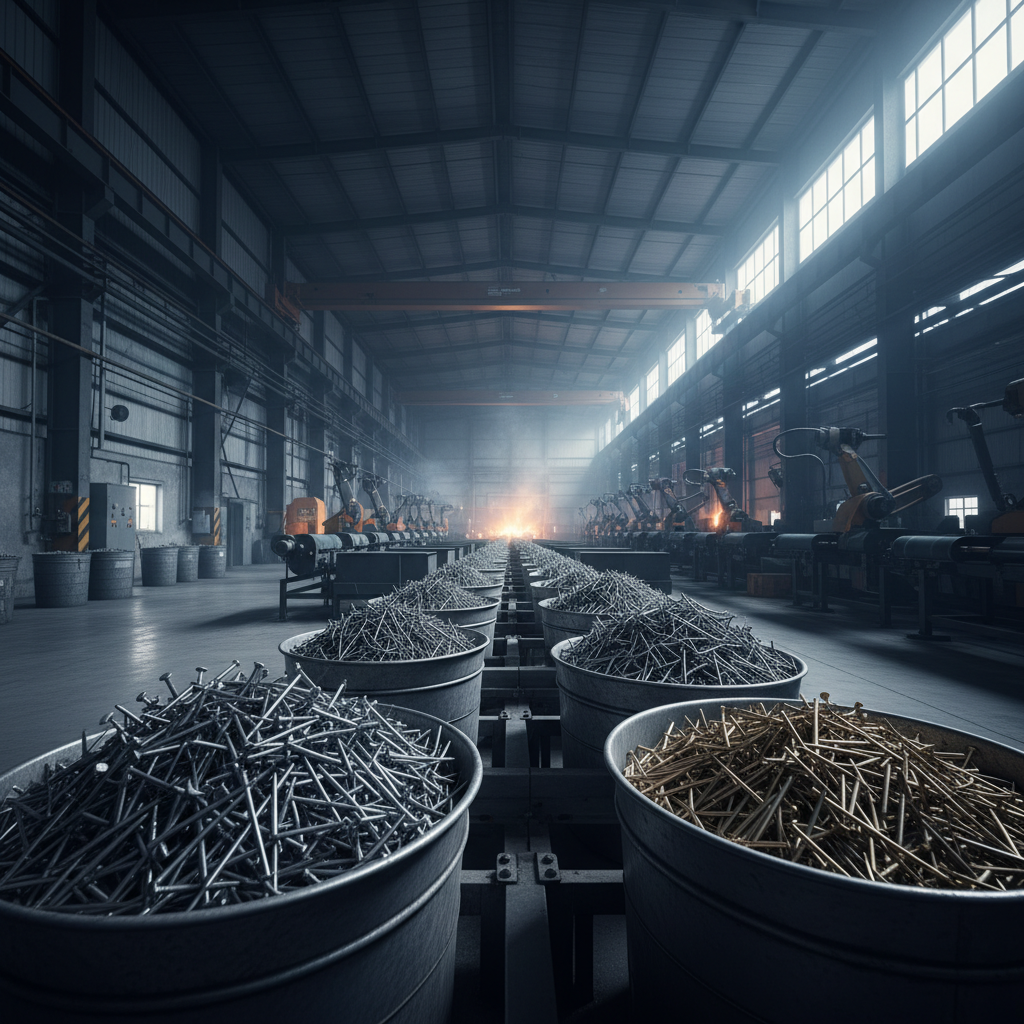
The future of the 6d nail is being shaped by the digital transformation of the manufacturing floor. Automation and AI-driven quality control now allow for zero-defect production, where every single nail is scanned for microscopic cracks or coating inconsistencies before leaving the factory.
We are also seeing the rise of "smart coatings"—nanotechnology applied to the surface of the 6d nail that can actively inhibit fungal growth in the surrounding wood or change color to signal structural stress. These innovations transform a simple piece of metal into a functional component of a smart building.
As the industry moves toward green energy, the production of these fasteners is becoming carbon-neutral. The integration of hydrogen-powered smelting and wind-energy-driven rolling mills ensures that the 6d nail remains a viable and ethical choice for the next generation of builders.
Comparison of 6d Nail Technical Specifications by Grade
| Material Grade |
Corrosion Resistance |
Shear Strength |
Typical Use Case |
| Bright Steel |
Low |
High |
Indoor Dry Framing |
| Galvanized |
Medium-High |
High |
Outdoor Fencing |
| Stainless Steel |
Very High |
Medium |
Marine Environments |
| Black Annealed |
Medium |
Very High |
Heavy Timber Framing |
| Ring Shank |
Variable |
High |
Decking & Flooring |
| Poly-Coated |
High |
High |
Treated Lumber |
FAQS
A 6d nail refers to a nail that is 6 pence in length, which roughly translates to 2 inches. Unlike shorter brad nails or longer framing nails, the 6d nail provides a balanced grip and penetration depth ideal for medium-thickness lumber, making it a versatile choice for both furniture and general construction.
For outdoor applications, hot-dipped galvanized 6d nails are generally the best choice as they provide a thick layer of zinc protection against rust. For extremely harsh environments, such as saltwater coastal areas, stainless steel 6d nails are recommended to avoid corrosion entirely.
Yes, provided you have the correct nail gun designed for common nails of that size. Many professionals use coil-fed 6d nails in pneumatic guns to significantly speed up the installation process compared to manual hammering, while maintaining the same structural integrity.
While nails can split wood if driven too close to the edge, a high-quality 6d nail with a sharp diamond point minimizes this risk. To further prevent splitting, professionals often pre-drill pilot holes or use a slightly smaller gauge nail in very fragile hardwoods.
Ring-shank 6d nails feature small ridges along the shaft that act like threads. This provides significantly higher withdrawal resistance compared to smooth-shank nails, making them ideal for decking or flooring where the wood may expand and contract.
The best way to import high-quality fasteners is to partner with a manufacturer that adheres to ISO and ASTM standards. Ensuring the supplier provides detailed Material Safety Data Sheets (MSDS) and quality certifications will facilitate a smooth customs process and guarantee product consistency.
Conclusion
In summary, the 6d nail is far more than a simple commodity; it is a precision-engineered component that underpins the stability of countless structures worldwide. By balancing material science, geometric precision, and cost-efficiency, it provides the essential strength required for everything from simple home repairs to complex industrial assemblies.
As we look toward a future of sustainable construction and automated building, the evolution of the 6d nail—through green manufacturing and smart coatings—will continue to play a critical role. We encourage contractors and designers to prioritize high-grade, standardized fasteners to ensure the safety and longevity of their projects. For the highest quality industrial fasteners, visit our website: www.sxj-staple.com