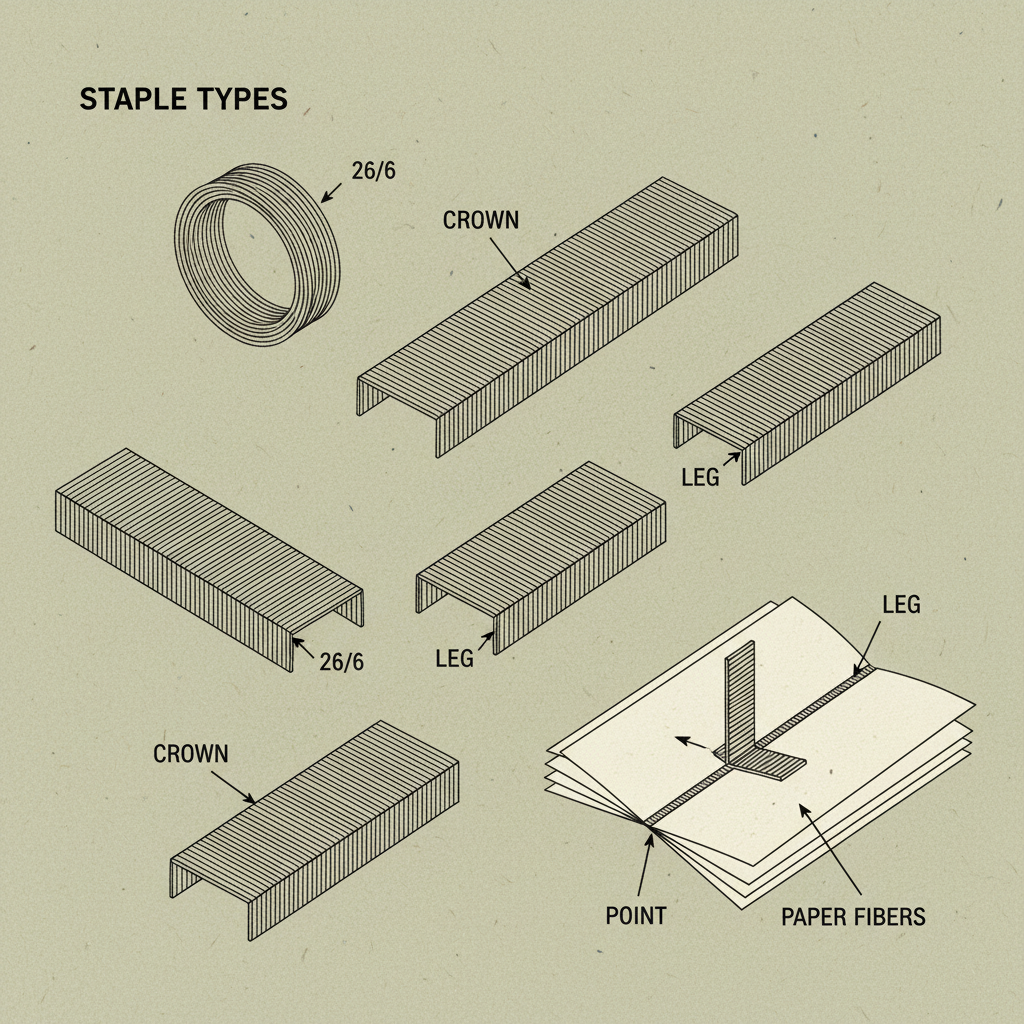


A coil nails factory specializes in the large-scale production of fastening elements wound into coils, designed specifically for use in pneumatic coil nailers. These factories transform raw galvanized or stainless steel wire into high-precision fasteners that allow construction professionals to drive hundreds of nails without frequent reloading, significantly enhancing workflow efficiency in pallet manufacturing and framing.
For procurement managers in the woodworking and industrial packaging sectors, selecting a reliable supplier is critical. The challenge often lies in balancing tensile strength with corrosion resistance, as poor-quality fasteners can lead to structural failures or premature rusting in outdoor applications, affecting the longevity of the final product.
This article provides a comprehensive analysis of coil nail production, from technical specifications and material selection to procurement strategies. By understanding the operational standards of a professional coil nails factory, buyers can ensure they source fasteners that meet rigorous industrial safety and durability requirements.

1Understanding Coil Nail Manufacturing Process

The manufacturing process in a coil nails factory begins with high-quality steel wire, which is drawn to the precise gauge required for the specific fastener type. The wire is then fed into high-speed forming machines that cut and head the nails with extreme precision. To enable the coil format, the nails are collated using specialized glues or wires, ensuring they remain stable during transport and loading into pneumatic tools.
Following the forming process, nails undergo surface treatment, such as electro-galvanization or hot-dip galvanizing. This step is crucial for preventing oxidation, especially for nails used in outdoor pallets or construction framing where exposure to moisture is inevitable.
Finally, the nails are wound into coils of varying diameters. This coiled configuration is the defining characteristic of the output from a coil nails factory, allowing for high-capacity magazines that reduce the frequency of operator interruptions during heavy-duty fastening tasks.
2Core Technical Features of Industrial Fasteners
Industrial-grade coil nails are characterized by their chisel points and high-tensile steel composition. The chisel point is engineered to split wood fibers efficiently, reducing the risk of splitting the material while ensuring deep penetration. This technical precision is what separates a professional coil nails factory from low-end producers.
Another key feature is the collation method. Glue-collated nails are preferred for their cleanliness and ease of use, as the glue dissolves upon impact, leaving no residue. Wire-collated options offer higher stability for extremely long nails used in heavy structural framing.
The consistency of the head diameter and shank thickness is also paramount. Variations of even a fraction of a millimeter can lead to misfires or "stuck" nails, which reduces the overall efficiency of the pneumatic tool and increases the risk of workplace accidents.
3Primary Applications in Modern Industry
Coil nails are indispensable in the pallet and crate manufacturing industry. The ability to rapidly secure heavy wooden slats to runners requires the high-volume delivery that only a coil nails factory can provide. These fasteners ensure that shipping containers can withstand the stress of global transport and heavy loads.
Beyond packaging, they are extensively used in roof decking and exterior sheathing. In these scenarios, the galvanized coating provided by the factory ensures that the nails do not react with treated lumber, preventing the "bleeding" of rust stains onto the facade of a building.
In the automotive and interior decoration industries, specialized fasteners are used for sub-floor installation and panel fitting. The speed of pneumatic application combined with the reliability of factory-spec nails allows for rapid assembly lines in large-scale interior projects.
4Performance Analysis of Specialized Fastening
When evaluating the output of a coil nails factory, performance is measured by three primary metrics: withdrawal resistance, shear strength, and corrosion rate. High-performance nails maintain a tight grip in various wood densities, from soft pine to hard oak, without bending during the driving process.
Data indicates that nails produced with controlled heat treatment exhibit significantly higher shear strength, which is critical for load-bearing structures like flooring and heavy-duty shelving. This ensures that the fastener does not snap under the lateral pressure of the load.
coil nails factory Performance Metrics
Furthermore, the consistency of the collation glue affects the "feed rate" of the nailer. Premium factories use synthetic adhesives that do not clump in humid conditions, ensuring a seamless flow of nails from the coil to the driver head.
5Procurement Criteria for Bulk Sourcing
Sourcing from a coil nails factory requires a strict set of criteria to avoid operational delays. The first priority is material certification. Buyers should verify the grade of steel and the thickness of the zinc plating to ensure the nails meet the environmental conditions of the project site.
Compatibility is a frequent pain point; not all coils fit all magazines. Procurement teams must specify the coil diameter, nail length, and gauge exactly. A mismatch can result in thousands of unusable fasteners that cannot be returned.
Finally, evaluate the supplier's production capacity and lead times. In the construction industry, a delay in fastener delivery can halt an entire project. A reputable factory should provide a transparent production schedule and quality control reports for every batch shipped.
6Innovations in Galvanized Coating Technology
Modern coil nails factories are moving beyond simple electro-galvanization. New technologies include ceramic coatings and polymer-based finishes that offer superior protection against salt-spray environments. These innovations are particularly valuable for marine construction and coastal housing.
Another trend is the use of environmentally friendly collation glues. As regulations on Volatile Organic Compounds (VOCs) tighten, factories are developing biodegradable adhesives that maintain the same holding power during transport but leave zero chemical footprint on the wood.
The integration of automated optical inspection (AOI) systems on the production line allows factories to detect defects in real-time. This reduces the percentage of deformed nails in a coil, virtually eliminating the risk of nailer jams for the end-user.
7Selecting the Right Nail Type for Your Project
Choosing between different fasteners depends on the substrate and the required load capacity. For heavy structural work, a large-diameter coil nail with a thick galvanized coating is necessary. For interior trim or furniture, a fine-wire staple or a small-gauge brad nail is more appropriate.
The following table summarizes the typical selections based on common industrial requirements, helping procurement teams make informed decisions based on the output available from a coil nails factory.
| Application | Recommended Type | Key Material | Main Advantage |
|---|---|---|---|
| Shipping Pallets | Coil Nails (Large) | Galvanized Steel | High Shear Strength |
| Roof Sheathing | Coil Nails (Medium) | Hot-Dip Galv. | Weather Resistance |
| Cabinet Frames | P-Series Staples | Zinc Plated | Low Profile / Tight Hold |
| Interior Trim | Brad Nails | Steel / Stainless | Minimal Surface Damage |
| Crate Lining | Carton Staples | Galvanized Wire | Rapid Fastening |
| Upholstery | Fine Wire Staples | Steel | High Density Holding |
Ultimately, the balance between cost and performance is determined by the specific environment. While stainless steel nails offer the highest corrosion resistance, galvanized steel from a quality coil nails factory provides the most cost-effective solution for the majority of industrial applications.
Frequently Asked Questions
Conclusion
Selecting a high-quality coil nails factory is a strategic decision that directly impacts production efficiency and product durability. By focusing on material specifications, collation quality, and coating standards, businesses can eliminate the costly disruptions caused by fastener failure or tool jamming. Whether producing shipping pallets or constructing high-end furniture, the precision of the fastening element is the foundation of structural integrity.
For procurement professionals seeking reliable industrial fasteners, reviewing technical data and compatibility standards is essential. Detailed product information and available fastening solutions can be reviewed at www.sxj-staple.com to ensure the correct match for specific industrial applications.