
Talk With Us
+86-13601661296
Email Address
admin@sxjbradnail.com
Essential Guide to Hardened Steel Concrete Nails for Reliable Fastening
Understanding Hardened Steel Concrete Nails: A Comprehensive Guide
When undertaking concrete construction, the integrity of the fastening system is paramount. Hardened steel concrete nails are a crucial component, offering superior strength and durability compared to standard nails. This article will provide a detailed exploration of these specialized nails, covering their characteristics, applications, benefits, and how to choose the right ones for your project. We’ll delve into why these nails are essential for reliable and long-lasting concrete fastening. Ensuring the correct choice of nail is critical for the structural soundness of any concrete project.
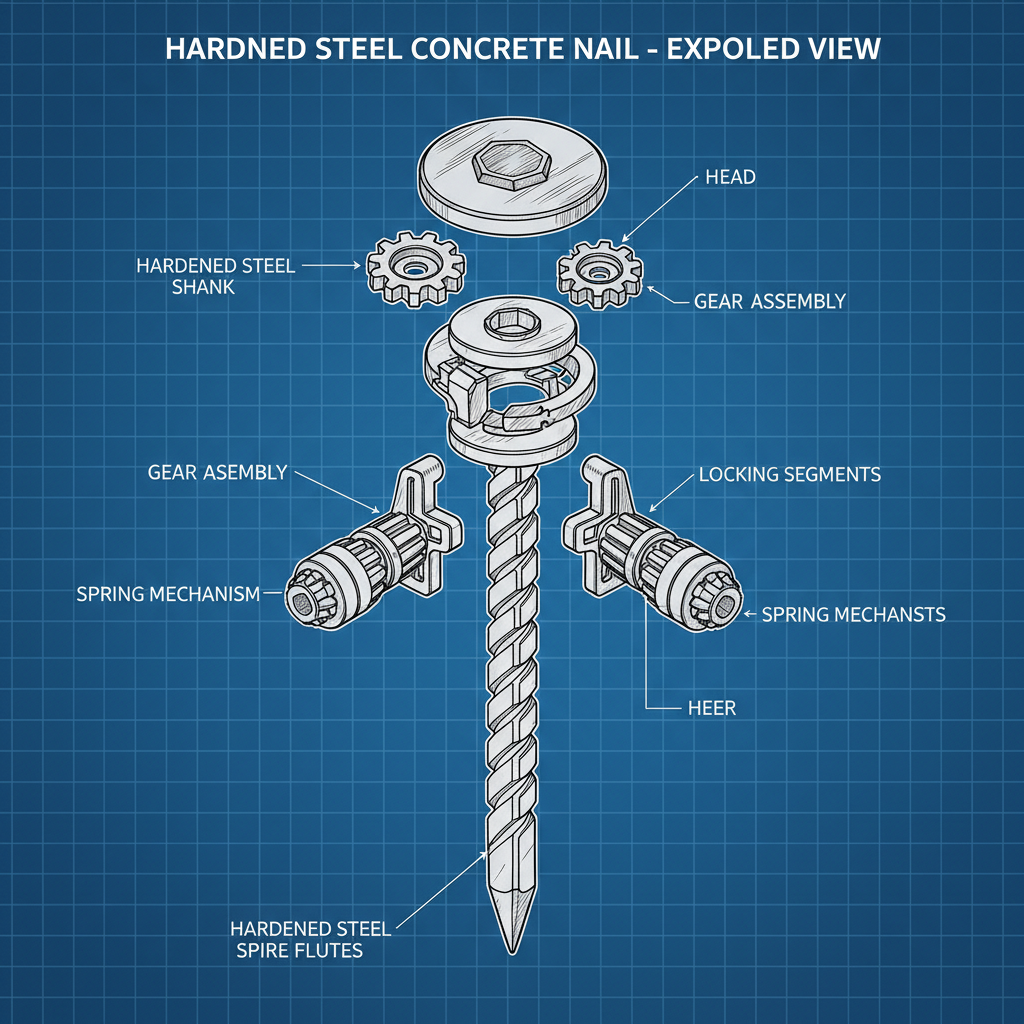
What Makes Hardened Steel Concrete Nails Different?
Unlike conventional nails, hardened steel concrete nails undergo a specialized heat treatment process that significantly increases their hardness and tensile strength. This hardening process makes them exceptionally resistant to bending, breaking, and corrosion when driven into concrete. The steel used is typically a high-carbon steel, which responds effectively to the hardening treatment. This process isn't simply about making the nail "tougher;" it's about engineering it to withstand the immense forces encountered in concrete applications. The result is a nail that provides a secure and lasting hold, even in demanding conditions. SXJ Staple specializes in manufacturing these high-quality concrete nails.
Key Highlights: Hardened steel concrete nails offer superior strength, corrosion resistance, and durability, making them ideal for a wide range of concrete fastening applications.
Applications of Hardened Steel Concrete Nails
The versatility of these nails makes them suitable for numerous concrete projects. They are commonly used for attaching wood to concrete, securing insulation boards, fastening furring strips, and installing electrical boxes. They also find applications in anchoring light fixtures, attaching signage, and even in certain concrete repair tasks. Their holding power is critical in applications where vibration or dynamic loads are present. Our concrete nails are designed to meet the demands of diverse construction projects.
Common Applications:
• Attaching wood framing to concrete walls
• Securing insulation and drywall
• Fastening furring strips for interior finishing
• Installing electrical boxes and conduit
Hardened Steel Concrete Nails vs. Standard Nails: A Comparison
The difference between hardened steel concrete nails and standard nails is significant. Standard nails lack the necessary hardness and strength to effectively penetrate and hold in concrete. They are prone to bending, breaking, and pulling out, compromising the structural integrity of the fastening. Hardened steel nails, on the other hand, offer exceptional holding power and resistance to deformation, ensuring a reliable and lasting connection. The increased cost of hardened nails is justified by their superior performance and the long-term reliability they provide.
Choosing the Right Hardened Steel Concrete Nail
Selecting the appropriate nail size and type is crucial for optimal performance. Consider the thickness of the material being fastened, the type of concrete, and the anticipated load. Nail length should generally penetrate at least 1.5 inches into the concrete for a secure hold. Different coatings, such as galvanized or epoxy-coated, offer varying levels of corrosion resistance. SXJ Staple offers a comprehensive range of sizes and coatings to meet specific project requirements. Always consult with a structural engineer or building code for critical applications.
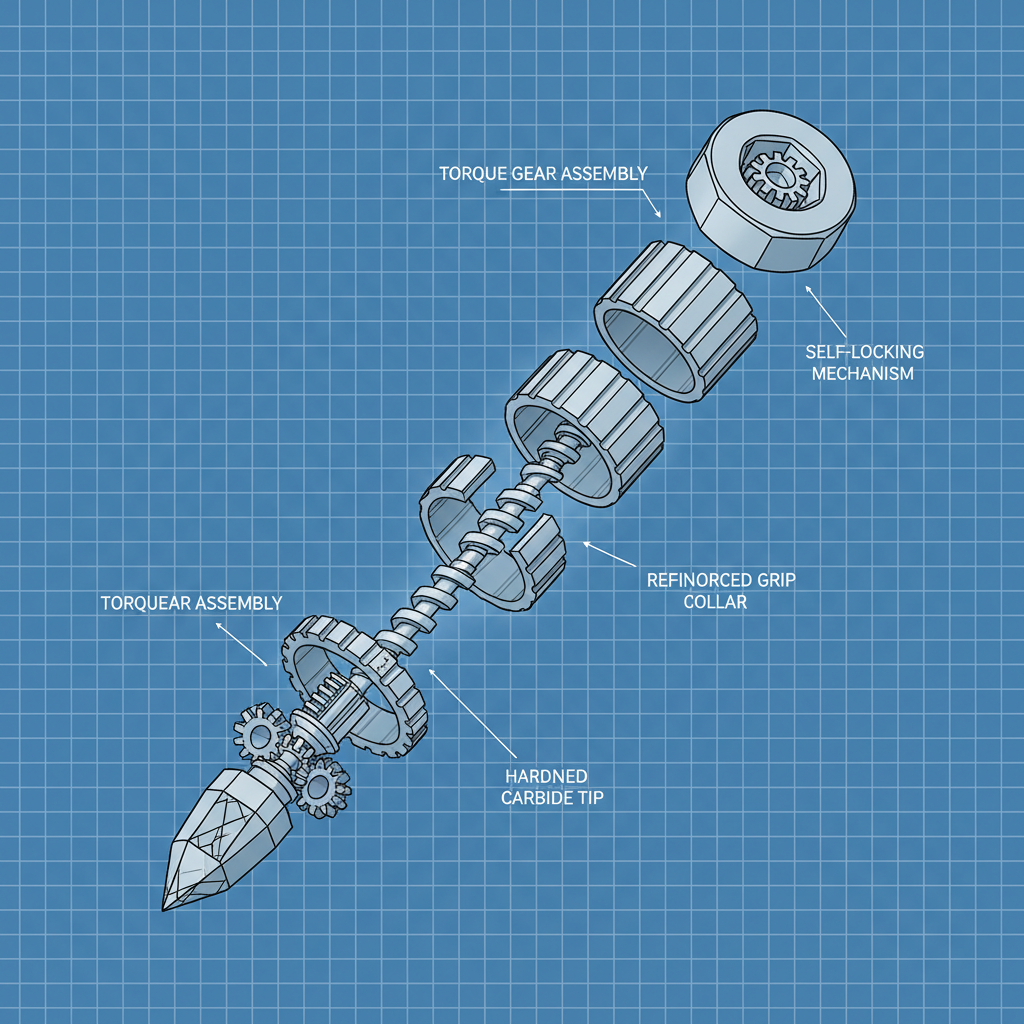
Product Specifications & Common Sizes
Here's a look at some common sizes and specifications for hardened steel concrete nails:
Conclusion: Ensuring Structural Integrity with Quality Nails
Using the right hardened steel concrete nails is a small investment that yields significant returns in terms of structural integrity and long-term durability. Don’t compromise on quality – choose nails that are specifically designed for concrete applications. SXJ Staple provides a reliable source for high-quality concrete nails and fastening solutions.
Frequently Asked Questions (FAQs)
What is the best way to drive hardened steel concrete nails?
Hardened steel concrete nails are best driven using a pneumatic nail gun specifically designed for concrete applications. These nail guns deliver the necessary impact force to penetrate the concrete without bending or breaking the nail. Alternatively, a hammer with a hardened steel striking surface can be used, but it requires more physical effort and careful technique. Always wear appropriate safety gear, including eye protection, when driving concrete nails. Incorrect driving techniques can damage the nail and compromise its holding power.
Can hardened steel concrete nails be used in all types of concrete?
While these nails are suitable for most common concrete types, extremely dense or reinforced concrete may require specialized fastening solutions, such as concrete screws or anchors. The hardness and density of the concrete will impact the ease of driving the nail and the resulting holding power. If you are working with exceptionally hard concrete or concrete containing a high concentration of rebar, it's best to consult with a structural engineer to determine the appropriate fastening method.
How does the coating affect the performance of concrete nails?
The coating plays a crucial role in protecting the nail from corrosion and extending its lifespan, particularly in outdoor or humid environments. Galvanized coatings offer good corrosion resistance, while epoxy coatings provide superior protection, especially in harsh conditions. Choosing the appropriate coating will depend on the specific application and the level of exposure to moisture, chemicals, or salt air. Investing in coated nails can prevent rust and maintain the structural integrity of your project over time.
-
The Ultimate Guide to Choosing 20mm Concrete Nails for ConstructionNewsApr.16,2026
-
Professional Guide to Using 2 inch concrete nails for ConstructionNewsApr.09,2026
-
Understanding the Strength and Versatility of 2 Concrete Nails for ProjectsNewsApr.07,2026
-
Understanding the Strength and Versatility of 2 1 2 Concrete Nails for ConstructionNewsApr.04,2026
-
Comprehensive Guide to Using 1 Inch Concrete Nails for Robust FasteningNewsMar.31,2026
-
The Ultimate Guide to 1 Concrete Nail Applications and Secure Fastening SolutionsNewsMar.28,2026