Look, I’ve been running around construction sites for, well, too long to count. Been knee-deep in dust, dodging rebar, and frankly, smelling concrete for most of my life. What’s been hitting me lately is everyone’s chasing this “pre-fab” thing. Makes sense, saves time, but… to be honest, it's a whole different beast when you're actually trying to bolt things together on a windy Tuesday. It’s not just about having the pieces, it’s about how those pieces want to go together.
You’d think in this day and age, everything would be standardized, right? Wrong.
The Current Landscape of screw suppliers
Right now, it’s all about speed and reducing labor costs. That pushes everything towards more automated assembly, and that means the screws, bolts, and fasteners have to play nice with robots. You’ve got your standard steel, your stainless, your alloy stuff. But increasingly, you’re seeing more exotic materials creeping in – titanium, even some polymers for non-structural stuff. It's weird. I saw a whole wall panel system relying on plastic fasteners at a trade show. Seemed… optimistic. The biggest players, the reliable screw suppliers, are the ones who’ve invested in quality control, can consistently deliver, and aren't scared to talk straight about what will and won't work.
And honestly, finding those guys is getting harder. Everyone's promising the world.
Design Pitfalls with screw suppliers
Oh boy, the design pitfalls. Have you noticed how engineers love to over-specify? "We need a Grade 8 bolt, 10mm diameter, 50mm long, with a tensile strength of…" Look, 90% of the time, a good Grade 5 will do the job. They design for the absolute worst-case scenario, and then you're stuck paying a premium for something that's just sitting there, strong as heck, but completely unnecessary. Another one? Underestimating the torque requirements. They’ll specify a screw that's just strong enough, and then the guys on site strip the head trying to tighten it. It’s infuriating. I encountered this at a factory in Ningbo last time, a huge order for prefabricated bathrooms, and they had to redo the whole thing because of stripped screws. A nightmare. And don't even get me started on self-tapping screws in different materials. It’s an art, not a science.
Material Matters: Beyond the Spec Sheet
You can read the spec sheets all day, but it doesn’t tell you what the material feels like. Stainless steel, for example – there's 304, there's 316, and they’re totally different beasts. 316 smells… metallic, almost sweet. 304? Just cold. And the finish matters. A smooth, polished screw will thread in easier, but it'll also cam out more easily. A black oxide finish gives you more grip, but it's less corrosion-resistant. It's a trade-off. Then there's the zinc plating. That cheap, shiny zinc? Forget about it. It'll rust within weeks, especially in coastal areas. You want a good quality, thick-film zinc coating, and even then… it's still just a band-aid. And the smell of new galvanized steel? Gets in your nostrils and stays there. Strangely comforting, though.
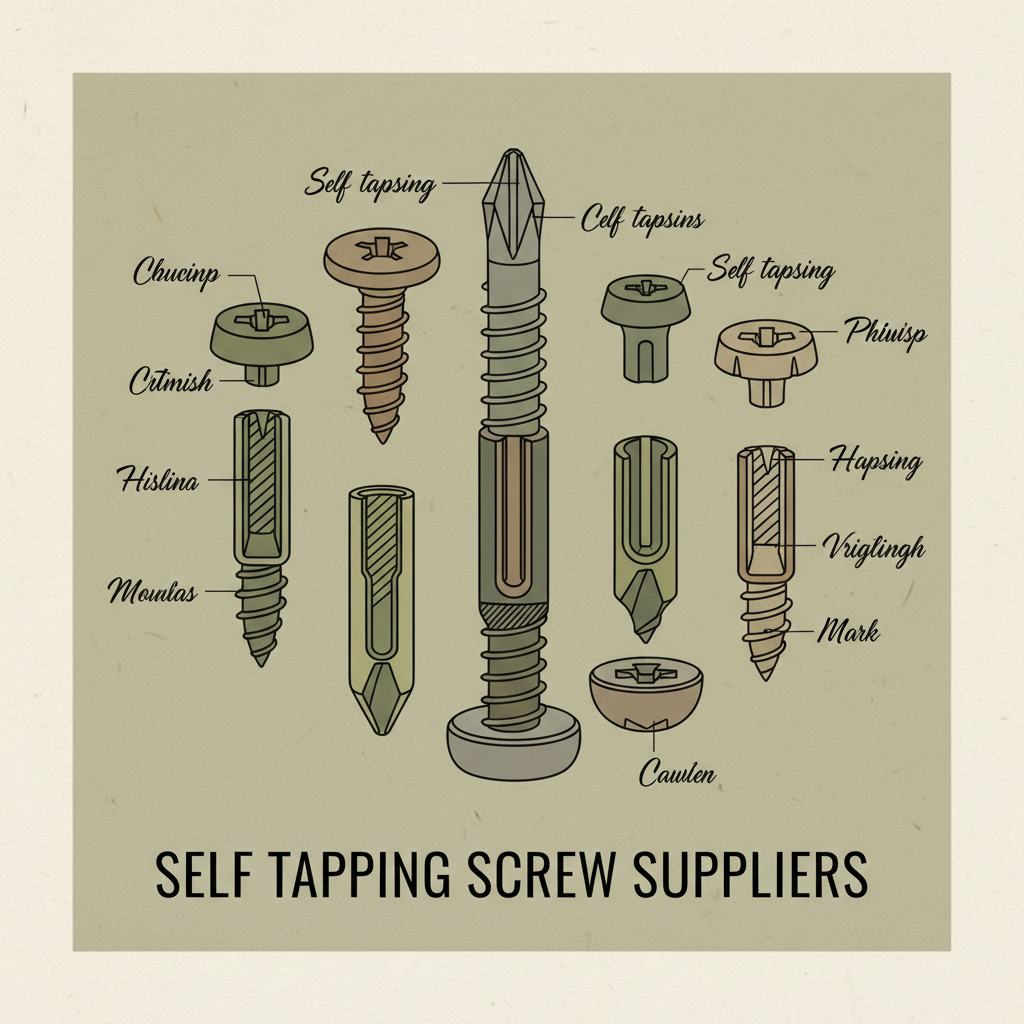
The feel of the screw head is also critical. A good Torx head will bite into the driver and give you a solid connection. A Phillips head? Always rounding out. I swear, Phillips head screws were invented by someone who hated construction workers. And the thread pitch… too coarse, and it strips easily. Too fine, and it takes forever to tighten. It’s a delicate balance. I’ve seen entire projects delayed because the screws just weren't threading in smoothly enough. Seriously.
Anyway, I think a lot of designers forget that these screws aren’t just holding things together; they’re subjected to vibration, temperature changes, and all sorts of abuse. You need to choose a material that can handle it.
Real-World Testing of screw suppliers
Forget the lab tests. Those are fine for getting a baseline, but the real test is what happens when you subject the screw to actual construction conditions. I like to see pull-out tests done on site, using the actual materials and the actual tools. Get a hydraulic jack, a load cell, and just start pulling. See when it fails. Is it the screw that gives way? Is it the material it’s screwed into? That tells you a lot more than any tensile strength rating. We also do a “shake test” – basically, we build a small section of the structure and then vibrate it like crazy. If the screws start to loosen, you know you've got a problem. The proper screw suppliers will often offer to come out and do this testing themselves, which is a good sign.
Later… Forget it, I won’t mention the time we tested screws by dropping a concrete block on them. It wasn’t pretty.
How Users Actually Utilize screw suppliers
This is where it gets interesting. Designers think these screws are being used according to the specs, but often… they’re not. I’ve seen guys use impact drivers instead of torque wrenches, stripping every screw in sight. I’ve seen them reuse screws that are clearly damaged. And I’ve seen them just… guess at the torque setting. It’s terrifying. They're also constantly improvising. "Oh, this screw is too short? I’ll just use a longer one." “This hole is stripped? I’ll just use a bigger screw.” It drives the quality control guys crazy. But on a busy job site, they need to keep things moving. They'll always find a way, even if it's not the "right" way.
That’s why the screw has to be somewhat forgiving. It needs to be able to withstand a bit of abuse and still hold.
Advantages and Disadvantages of screw suppliers
The advantage of a good screw? It just works. It holds things together, reliably and consistently. It doesn’t strip, it doesn’t corrode, and it doesn’t cause headaches. That’s worth a lot, especially on a tight schedule. The disadvantage? Well, they're often a hidden cost. Everyone focuses on the price of the steel, the concrete, the wood, but they forget about the fasteners. And a cheap screw can end up costing you a fortune in rework and delays. Plus, finding a supplier who understands your specific needs can be a real pain. You need someone who's willing to listen, to offer advice, and to stand behind their product. Not just a guy who's trying to push the cheapest option on you. You need someone who is a reliable screw suppliers.
Customization Capabilities of screw suppliers
Customization is huge. I had a client, a small smart home device manufacturer in Shenzhen, who insisted on switching to screws for everything. They wanted a sleek, modern look. I told them it was overkill, that a standard screw would work just fine, but they wouldn’t listen. They wanted , so we found a supplier who could make them. Turns out, the screws were more expensive, harder to install, and more prone to stripping. The whole thing was a disaster. They ended up going back to standard screws a few months later. But the point is, if you need a specific size, shape, or material, a good screw suppliers will be able to accommodate you. And the good ones will also tell you if your idea is completely insane. Last month, that small boss insisted.
They also need to offer different coatings, different head types, and different thread pitches. Flexibility is key.
Summary of screw suppliers customization dimensions
| Material Type |
Head Style |
Coating Options |
Lead Time (Weeks) |
| Carbon Steel |
Pan Head |
Zinc Plated |
2-3 |
| Stainless Steel 304 |
Flat Head |
None |
4-6 |
| Alloy Steel |
Button Head |
Black Oxide |
3-5 |
| Brass |
Oval Head |
Polished |
6-8 |
| Titanium |
Hex Head |
Passivated |
8-12 |
| Plastic (Nylon) |
Truss Head |
Natural |
2-4 |
FAQS
Without a doubt, it’s skimping on the corrosion resistance. Regular zinc plating isn't enough. You need something like hot-dip galvanizing or stainless steel, especially in coastal areas. Otherwise, you're looking at rust and failure within a year. I’ve seen fences collapse because of it. It’s not fun. The right screws, the right application.
Hugely important. Phillips heads are the devil. Seriously. They’re prone to cam-out, which means you strip the head and then you're stuck. Torx heads are much better – they give you a solid grip and transfer more torque. Square drive are also good, but Torx is my go-to. I’ve lost count of the hours I’ve wasted dealing with stripped Phillips head screws. It’s infuriating.
Self-drilling screws are great when they work, but they're not a magic bullet. They’re best for thin materials like sheet metal or plastic. If you're trying to drill into thick steel, you're going to wear out the drill bit and potentially damage the screw. Sometimes it's better to just drill a pilot hole first. It saves time and frustration in the long run.
Rule of thumb: You want at least half the screw length to be embedded in the base material. More is better, within reason. Too long, and you risk poking through the other side. Too short, and it won't hold. It's a bit of an art, and it takes experience to get it right. Always err on the side of caution.
Actually, yes. Some companies are developing screws with micro-threads that provide better grip and reduce the risk of stripping. Others are experimenting with new coatings that offer superior corrosion resistance. There's also a lot of work being done on automated screw driving systems, which can improve efficiency and reduce labor costs. It's a surprisingly dynamic field.
Reliability, responsiveness, and quality control. You need a supplier who can consistently deliver the right screws, on time, and to the correct specifications. Don’t just go for the cheapest option. Look for a supplier who understands your needs and is willing to work with you to find the best solution. And make sure they have a good reputation. Check their references. Read online reviews. Screw suppliers that do this are the ones you want.
Conclusion
Ultimately, it all boils down to this: screws are the unsung heroes of construction. They’re the small, often-overlooked components that hold everything together. Choosing the right screw for the job can make the difference between a successful project and a complete disaster. It’s not just about the specs, it’s about understanding the materials, the application, and the people who are actually going to be using them.
And at the end of the day, whether this thing works or not, the worker will know the moment he tightens the screw. That's the truth of it.