
Talk With Us
+86-13601661296
Email Address
admin@sxjbradnail.com
Comprehensive Guide to Understanding Nail Price Per Kilo and Market Factors
Understanding Nail Price Per Kilo: A Comprehensive Guide
Determining the nail price per kilo is crucial for businesses involved in construction, woodworking, and DIY projects. Numerous factors influence this cost, from material type to quantity purchased. This article provides a detailed overview of these factors, current market trends, and how to source nails effectively. We'll explore different nail types, their common applications, and how to get the best value for your money. Understanding these nuances can significantly impact your project budget and overall profitability.
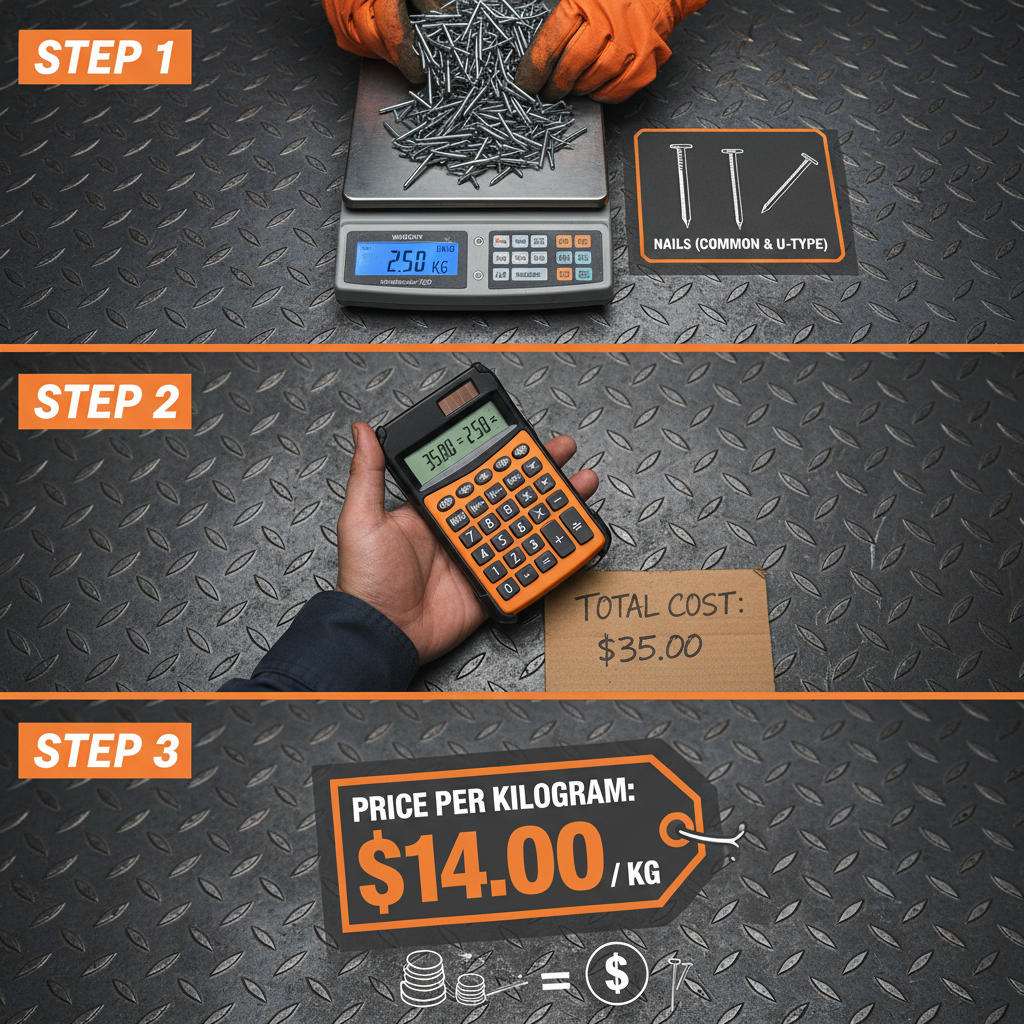
Factors Influencing Nail Price Per Kilo
Several key factors dictate the nail price per kilo. The primary driver is the material composition. Common nail materials include steel, stainless steel, aluminum, and copper. Stainless steel nails, known for their corrosion resistance, command a higher price than standard steel nails. Nail size (length and gauge) also significantly impacts cost, with larger, thicker nails naturally being more expensive. Furthermore, specialized nail types, such as ring shank nails or screw nails, incur premium pricing due to their specific manufacturing processes and enhanced holding power. Finally, quantity purchased plays a critical role – bulk orders typically receive substantial discounts.
Key Highlights: Material, size, type, and quantity purchased are the core determinants of nail pricing. Bulk ordering almost always lowers the price per kilo.
Common Nail Types and Their Price Ranges
Different nail types serve specific purposes and therefore vary in price. Common nails, used for general construction, are the most affordable. Box nails, with a thinner shank, are used for lighter applications. Ring shank nails provide superior holding power and are more expensive. Roofing nails are specifically designed for asphalt shingles and typically feature a large head. Screw nails, combining the benefits of nails and screws, are among the pricier options. Understanding these distinctions is crucial for selecting the appropriate nail for your project and optimizing your budget. Sourcing from a reliable supplier like SXJ Staple ensures quality and competitive pricing.
Nail Type Price Comparison (Approximate):
• Common Nails: $1.50 - $3.00 per kilo
• Box Nails: $2.00 - $4.00 per kilo
• Ring Shank Nails: $3.50 - $6.00 per kilo
• Roofing Nails: $4.00 - $7.00 per kilo
• Screw Nails: $5.00 - $9.00 per kilo
Nail Price Per Kilo: Material Comparison
The material used to manufacture nails has a substantial impact on the nail price per kilo. Steel nails are the most common and affordable option. However, for applications requiring corrosion resistance, stainless steel nails are preferred, albeit at a higher cost. Aluminum nails are lightweight and corrosion-resistant but are generally less strong than steel. Copper nails, primarily used for roofing and decorative purposes, are the most expensive option. Choosing the right material depends on the specific application and environmental conditions. A detailed comparison is provided below:
Market Trends and Price Fluctuations
The nail price per kilo is subject to market fluctuations driven by several factors, including raw material costs (iron ore, steel), energy prices, and global demand. Geopolitical events and trade policies can also significantly impact pricing. Currently, we are seeing increased demand from the construction sector, particularly in emerging economies, which is putting upward pressure on prices. Monitoring these trends and sourcing from a proactive supplier who manages their supply chain effectively is crucial for mitigating price volatility.
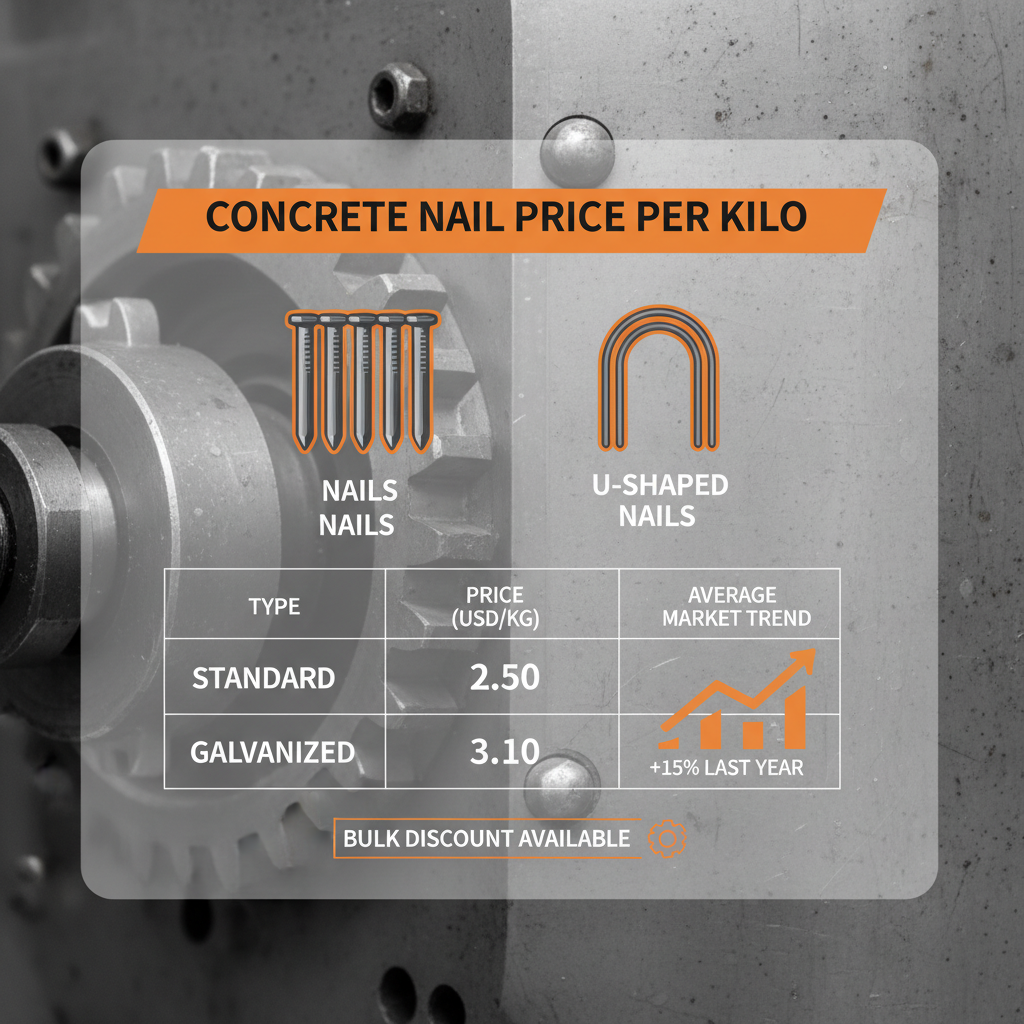
Sourcing Nails: Finding the Best Value
To secure the best nail price per kilo, consider these strategies: firstly, compare quotes from multiple suppliers. Secondly, negotiate pricing based on the quantity you require. Thirdly, prioritize suppliers with established supply chains and a reputation for quality. Finally, explore direct sourcing options from manufacturers like SXJ Staple, which can often bypass intermediary costs.
Conclusion: Optimizing Your Nail Procurement
Understanding the factors influencing nail prices and implementing effective sourcing strategies can significantly impact your project costs. By considering material type, quantity purchased, and supplier selection, you can secure the best possible value while ensuring the quality and reliability of your fasteners.
Frequently Asked Questions (FAQs)
What is the impact of steel prices on nail prices?
Steel is the primary material used in most nails, so fluctuations in steel prices directly impact nail costs. When steel prices rise (due to factors like increased demand or tariffs), nail prices typically follow suit. Conversely, a decrease in steel prices often leads to lower nail prices. Monitoring steel market trends is therefore crucial for forecasting nail price movements. Supply chain disruptions also contribute to the steel price changes and therefore nail costs.
How can bulk ordering save me money on nails?
Suppliers typically offer significant discounts for bulk orders because it reduces their handling and administrative costs. The larger the volume you purchase, the lower the price per kilo will be. It's often advantageous to estimate your nail needs for a project (or a period of time) and purchase in bulk to take advantage of these savings. However, be sure to factor in storage costs and potential obsolescence before committing to a large order.
Are there regional price differences for nails?
Yes, nail prices can vary regionally due to transportation costs, local demand, and competition among suppliers. Areas with higher transportation costs or limited supplier options may experience higher nail prices. It's worthwhile to compare quotes from suppliers in different regions, especially if you're located near a major distribution center. Consider also local tariffs and import/export costs in determining the actual cost of nails.
What should I consider when choosing between steel and stainless steel nails?
The choice between steel and stainless steel nails depends on the application and environmental conditions. If corrosion is a concern (e.g., outdoor projects, marine environments), stainless steel nails are the better choice, despite their higher cost. For interior projects or applications where corrosion isn't a significant issue, standard steel nails are typically sufficient. Consider the long-term cost of replacement if using steel nails in a corrosive environment versus the upfront cost of stainless steel.
-
The Ultimate Guide to Choosing 20mm Concrete Nails for ConstructionNewsApr.16,2026
-
Professional Guide to Using 2 inch concrete nails for ConstructionNewsApr.09,2026
-
Understanding the Strength and Versatility of 2 Concrete Nails for ProjectsNewsApr.07,2026
-
Understanding the Strength and Versatility of 2 1 2 Concrete Nails for ConstructionNewsApr.04,2026
-
Comprehensive Guide to Using 1 Inch Concrete Nails for Robust FasteningNewsMar.31,2026
-
The Ultimate Guide to 1 Concrete Nail Applications and Secure Fastening SolutionsNewsMar.28,2026