
Talk With Us
+86-13601661296
Email Address
admin@sxjbradnail.comUnderstanding the Application of 1 1 2 Concrete Nails for Secure Fastening
Understanding 1 1 2 Concrete Nails: A Comprehensive Guide
When undertaking construction or DIY projects requiring secure fastening into concrete, selecting the right nail is paramount. 1 1 2 concrete nails offer a robust and reliable solution for a variety of applications. This article will explore the characteristics, uses, and benefits of these specialized fasteners, providing insights for both professionals and hobbyists. Understanding the nuances of concrete nail selection ensures optimal performance and project longevity.
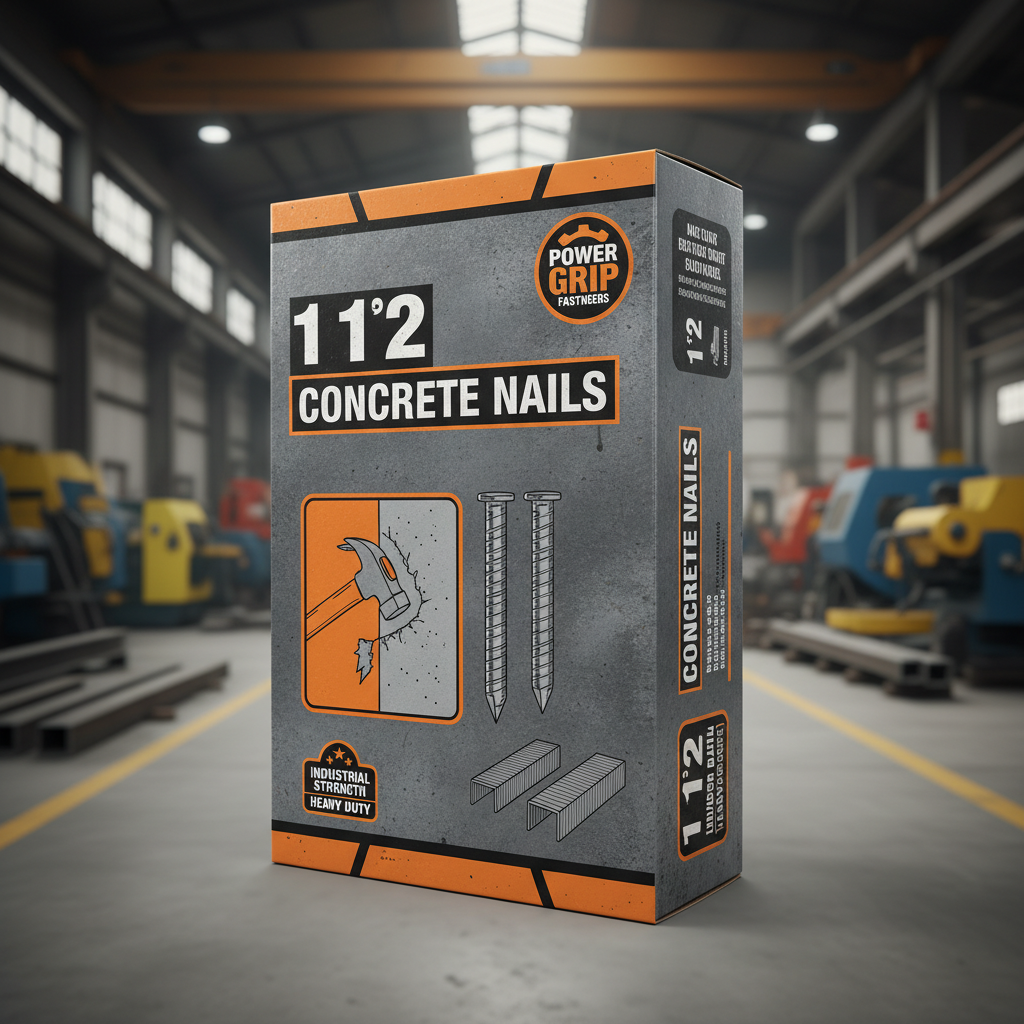
What are 1 1 2 Concrete Nails?
1 1 2 concrete nails, referring to nails with a diameter of 1 1/2 inches, are specifically hardened steel fasteners designed for driving directly into concrete, brick, or other masonry materials. Unlike traditional nails, they don't rely on pre-drilled holes. Their hardened composition and specialized head design allow them to penetrate and grip the concrete effectively. These nails are commonly used for attaching wood, metal, or other materials to concrete surfaces without the need for anchors or other complex fastening systems. They provide a quick and convenient solution for a range of applications, from securing furring strips to attaching signage.
Key Highlights: Hardened steel construction, specialized head design for efficient penetration, ideal for direct fastening into masonry without pre-drilling.
Common Applications of 1 1 2 Concrete Nails
The versatility of 1 1 2 concrete nails makes them suitable for a wide array of projects. Some of the most common applications include: attaching furring strips to concrete walls for drywall installation; securing wood framing for interior or exterior projects; mounting signs, shelving, or fixtures directly to concrete surfaces; and fastening insulation boards to concrete foundations. They are often used in construction, renovation, and repair work where a strong and direct fastening solution is required. Their ease of use and time-saving benefits make them a favorite among professionals.
Application Benefits:
• Quick and easy installation
• No pre-drilling required
• Strong and secure fastening
• Versatile for various materials
1 1 2 Concrete Nails vs. Other Fastening Methods
While several methods exist for fastening to concrete, 1 1 2 concrete nails offer distinct advantages. Compared to concrete screws, nails are typically faster to install, especially for high-volume applications. They avoid the need for precise drilling, reducing the risk of cracking the concrete. Against concrete anchors, nails provide a simpler and more cost-effective solution for lighter-duty applications, eliminating the need for sleeves and expansion mechanisms. However, for heavy loads, concrete anchors may be more suitable. The choice depends on the specific requirements of the project.
Selecting the Right 1 1 2 Concrete Nail: Key Considerations
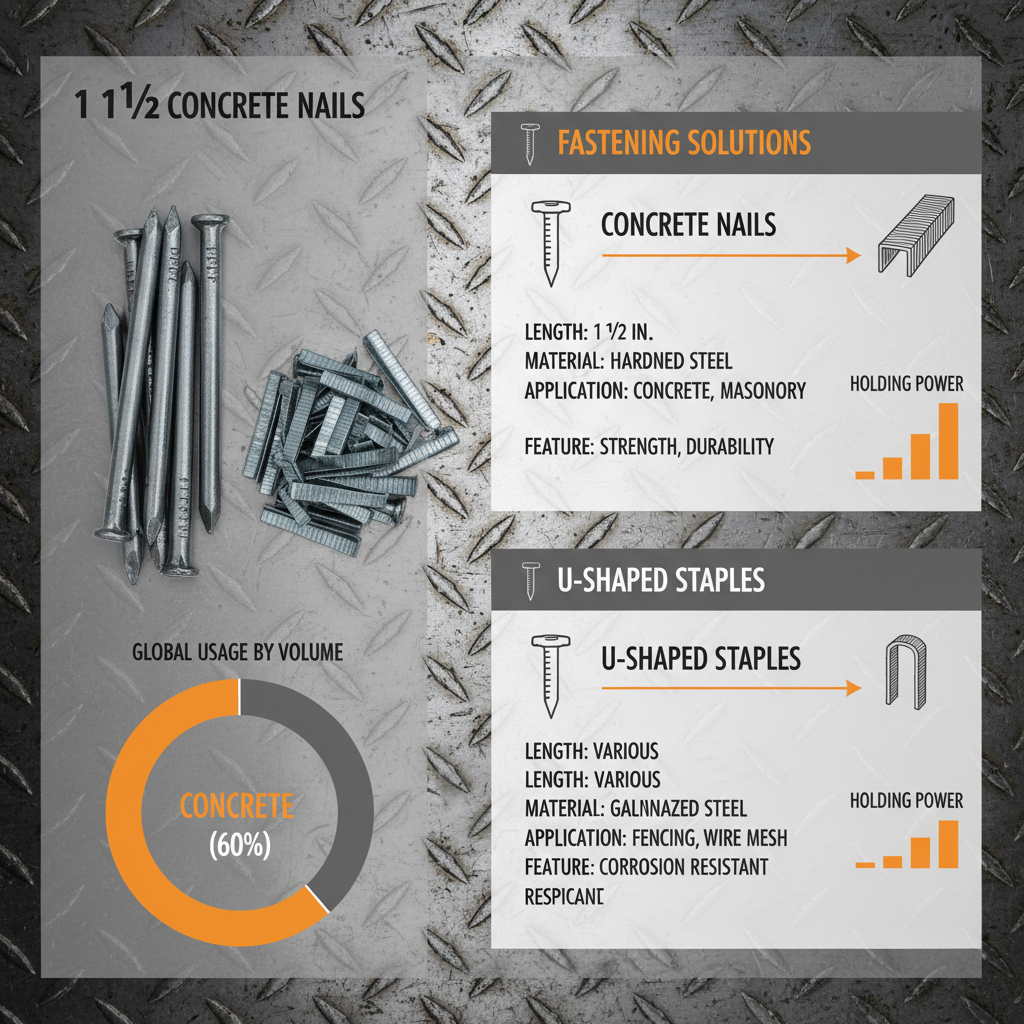
Choosing the right concrete nail involves considering several factors. The hardness of the concrete is a primary concern – harder concrete requires a more robust nail. The type of material being fastened also plays a role. For heavier materials, a longer and thicker nail may be necessary. Additionally, consider the environmental conditions. For exterior applications, corrosion-resistant nails are recommended. SXJ Staple provides a variety of concrete nails to meet diverse project needs.
Safety Precautions When Using Concrete Nails
Safety is crucial when working with concrete nails. Always wear safety glasses to protect your eyes from flying debris. Gloves are also recommended to protect your hands. Use a hammer with a comfortable grip and swing with controlled force. Be aware of your surroundings and ensure no one is within range of the hammering area. Never attempt to drive a nail into cracked or damaged concrete, as this could cause further damage or injury.
Conclusion: Reliable Fastening with 1 1 2 Concrete Nails
1 1 2 concrete nails offer a practical and efficient solution for a wide range of fastening applications in concrete and masonry. Their ease of use, combined with their strength and reliability, make them a valuable tool for both professionals and DIY enthusiasts. By understanding their capabilities and following proper safety precautions, you can ensure successful and secure project outcomes.
Frequently Asked Questions (FAQs)
Can 1 1 2 concrete nails be used for exterior projects?
Yes, but it’s important to select concrete nails specifically designed for exterior use. These nails typically have a coating, such as galvanized zinc or stainless steel, to resist corrosion from weather exposure. Using corrosion-resistant nails will significantly extend the lifespan of your project and prevent rust stains.
What is the best way to drive a 1 1 2 concrete nail?
Position the nail firmly against the concrete and use a hammer to deliver a series of firm, controlled blows. Avoid glancing blows, as they can bend the nail. Maintain a consistent force and angle to ensure the nail penetrates straight into the concrete. You may need to apply significant force, especially with harder concrete types.
Are 1 1 2 concrete nails suitable for all types of concrete?
While versatile, 1 1 2 concrete nails are best suited for standard concrete and brick. For particularly hard or dense concrete, or for applications requiring extremely high load-bearing capacity, concrete screws or anchors may be a more appropriate choice. Always assess the concrete’s hardness before selecting your fasteners.
How do I remove a 1 1 2 concrete nail?
Removing a concrete nail can be challenging. Using a nail puller or pry bar is generally the most effective method. Carefully position the tool under the nail head and apply steady leverage to pull the nail out. Be cautious to avoid damaging the surrounding concrete. If the nail is deeply embedded, you may need to use a hammer and punch to drive it further out before attempting to pull it.
-
The Ultimate Guide to Choosing 20mm Concrete Nails for ConstructionNewsApr.16,2026
-
Professional Guide to Using 2 inch concrete nails for ConstructionNewsApr.09,2026
-
Understanding the Strength and Versatility of 2 Concrete Nails for ProjectsNewsApr.07,2026
-
Understanding the Strength and Versatility of 2 1 2 Concrete Nails for ConstructionNewsApr.04,2026
-
Comprehensive Guide to Using 1 Inch Concrete Nails for Robust FasteningNewsMar.31,2026
-
The Ultimate Guide to 1 Concrete Nail Applications and Secure Fastening SolutionsNewsMar.28,2026