
Talk With Us
+86-13601661296
Email Address
admin@sxjbradnail.com
What Are Common Nails Made Of? | Materials & Specs Explained
What Are common nails made of?
If you’ve ever done any woodwork or poked around a construction site, you probably came across common nails scattered around with their rough-hewn heads and sturdy shafts. I’ve been in the industrial equipment business for more than a decade, and honestly, those simple-looking nails have a story that’s a bit more complex than just “they’re metal.” So, what exactly are common nails made of?
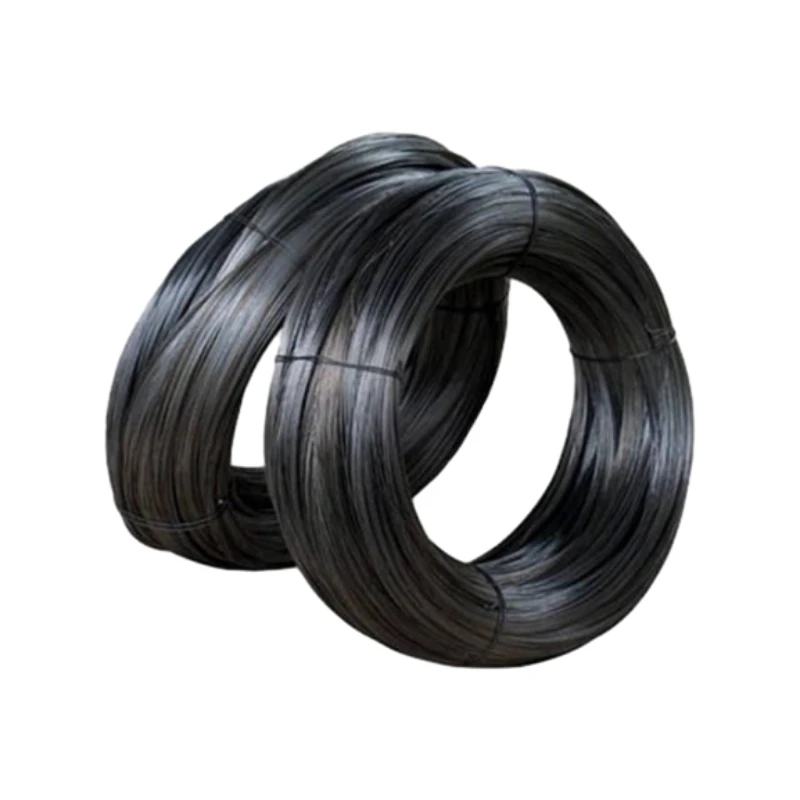
First off, common nails are typically made from low-carbon steel. Frankly, it’s the ideal material because it’s tough without being brittle—and that's crucial since nails need some flexibility during driving. The low carbon content (usually around 0.1% to 0.25%) allows the steel wire to bend slightly without snapping. This is especially handy on job sites where you might hit a knot in the wood, and the nail has to “give” a bit.
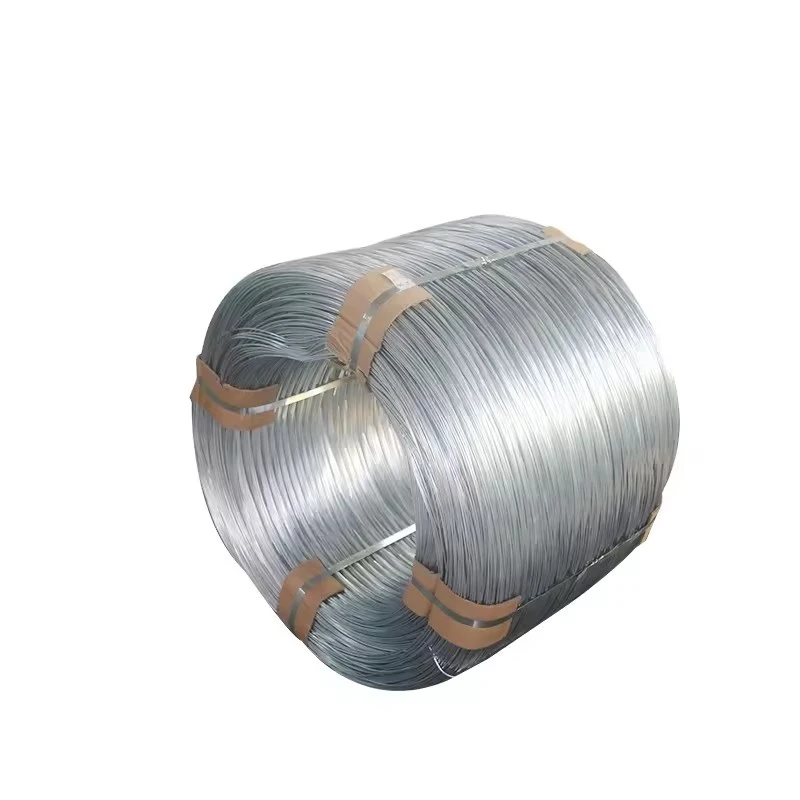
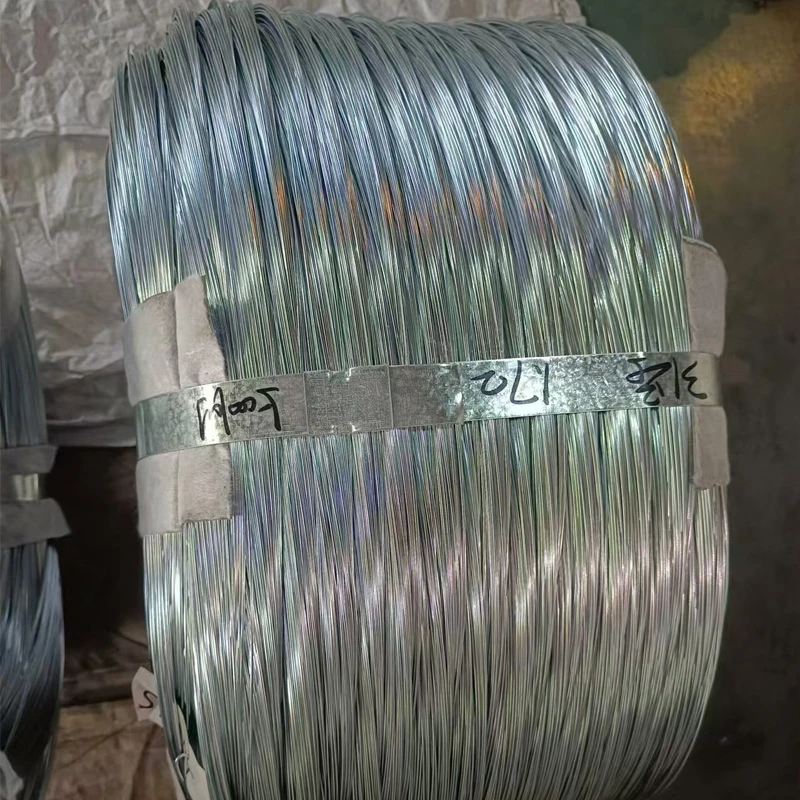
These days, manufacturers often use either wire-drawn steel or hot-dipped galvanized steel for better corrosion resistance. You might wonder why corrosion resistance matters when nails are inside wood. Well, if you’re building something outdoors, like a fence or deck, exposed nails face moisture and elements. Galvanized coatings, which typically involve dipping the nail in molten zinc, add a protective barrier that prevents rusting, prolonging the nail's lifespan.
Interestingly, some specialty common nails are made from stainless steel or even copper alloys, though those are a bit more niche—and pricier. As someone who's been around industrial inventory management, I notice these variants mostly come into play for marine applications or architectural designs where aesthetics and durability against harsh weather are a must.
Now, I suppose if you ask a few old-time carpenters, many would say the “standard” common nails haven’t changed much over the past decades. But manufacturing techniques have evolved: the wire gets drawn finer, galvanized coatings have become more consistent, and quality control is tighter. This means nails these days perform more reliably, which is a small but significant win in construction projects that often run on razor-thin margins.
| Specification | Details |
|---|---|
| Material | Low Carbon Steel (0.1%–0.25% carbon) |
| Diameter | 2.5 – 5.0 mm (Varies by nail size) |
| Length | 1” to 4” (25 – 100 mm) |
| Coating | Plain, Hot-dipped Galvanized, or Electro-galvanized |
| Head Style | Flat, Round, or Clipped |
Here’s a quick comparison of how some well-known vendors supply common nails. I’ve spent a fair bit of time sourcing nails in bulk, so this kind of breakdown is handy for anyone in procurement or project management:
| Vendor | Material Quality | Coating Options | Packaging | Price Range |
|---|---|---|---|---|
| SXJ Staple | High-grade low carbon steel | Plain & Hot-dipped Galvanized | Bulk cartons, custom sizes | Competitive |
| Vendor B | Standard carbon steel | Electro-galvanized only | Pre-packed boxes | Mid-range |
| Vendor C | Low-quality steel blends | Plain only | Loose supplies | Budget |
One neat thing I noticed working with common nails is how critical slight variations in material can be. For instance, once we had a small project in a humid subtropical region. The first batch of nails started showing corrosion within months, which was unusual. After some digging, it turned out the steel used wasn’t properly galvanized, and the moisture had seeped right through. Switching suppliers to a trusted one—like SXJ Staple—who use thorough coating processes made all the difference going forward. This just proves the point: even something as “common” as nails deserves quality attention.
In real terms, common nails are humble but essential. From framing houses to making craft projects, their composition affects strength, flexibility, and durability. Every carpenter or builder has an unspoken respect for the little things that hold it all together.
So next time you pick up a box of nails, I hope you’ll remember there’s more metal science and industry know-how behind that rough little piece of steel than meets the eye.
Thanks for sticking with me through this little dive! If you want to explore reliable sources, I’d recommend checking out common nails made of suppliers like SXJ—they’ve continually impressed me with quality and consistency.
References:
- Industrial Steel Wire Standards, ASTM A510/A510M
- Galvanization Processes Explained, Association of Iron & Steel Technology
- Practical Construction Materials, J. D. Smith (2018)
-
The Ultimate Guide to Choosing 20mm Concrete Nails for ConstructionNewsApr.16,2026
-
Professional Guide to Using 2 inch concrete nails for ConstructionNewsApr.09,2026
-
Understanding the Strength and Versatility of 2 Concrete Nails for ProjectsNewsApr.07,2026
-
Understanding the Strength and Versatility of 2 1 2 Concrete Nails for ConstructionNewsApr.04,2026
-
Comprehensive Guide to Using 1 Inch Concrete Nails for Robust FasteningNewsMar.31,2026
-
The Ultimate Guide to 1 Concrete Nail Applications and Secure Fastening SolutionsNewsMar.28,2026