
Talk With Us
+86-13601661296
Email Address
admin@sxjbradnail.com
Understanding the Versatility of the 1 Inch Concrete Nail for Secure Fastening
Understanding the Versatility of a 1 Inch Concrete Nail
When it comes to securing materials to concrete, a reliable fastener is crucial. A 1 inch concrete nail offers a robust and efficient solution for a wide range of applications. This article will explore the characteristics, uses, advantages, and considerations when choosing a concrete nail of this size. Whether you’re a construction professional or tackling a DIY project, understanding the properties of this essential fastener is key to achieving a secure and lasting bond. Choosing the correct nail can impact the structural integrity and longevity of your work.
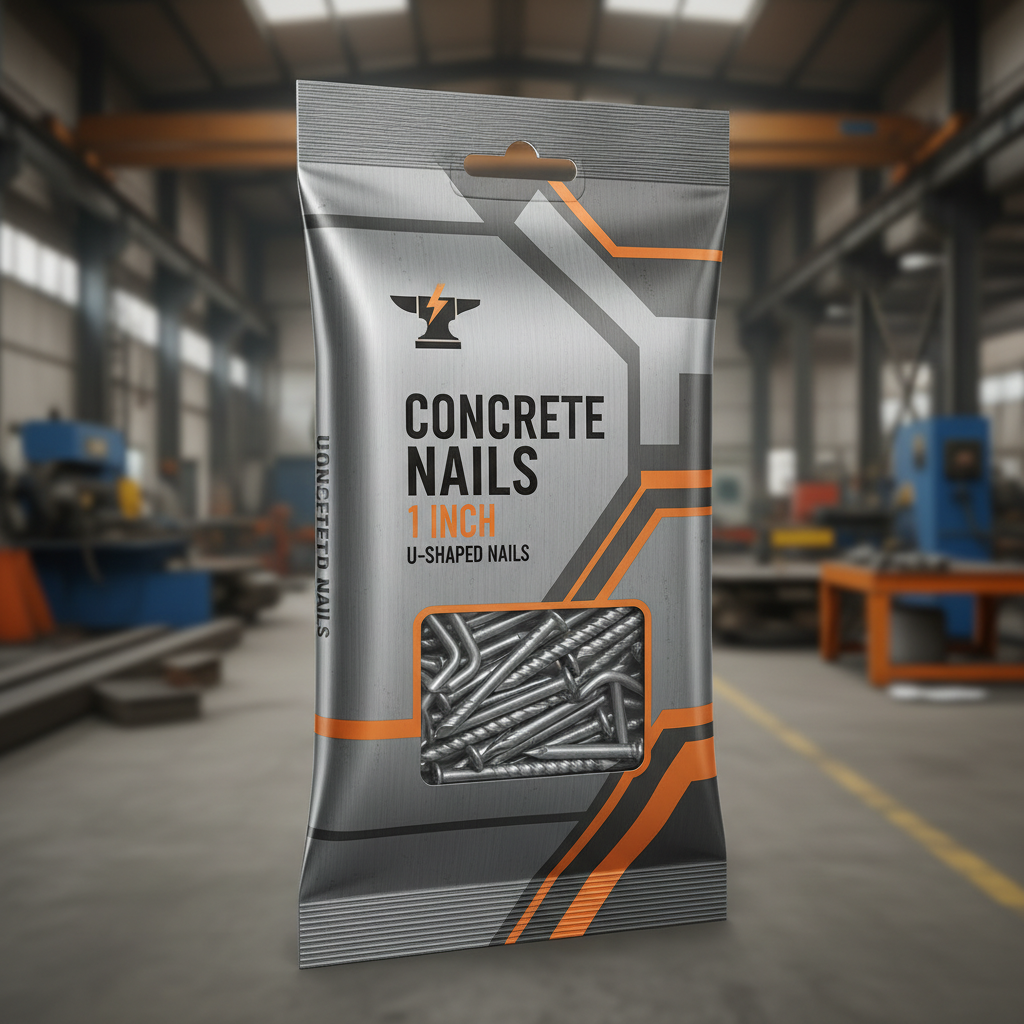
What Makes a 1 Inch Concrete Nail Different?
Concrete nails, unlike standard nails, are specifically designed to penetrate hard, brittle materials like concrete, brick, and stone. A 1 inch concrete nail is a popular choice due to its balance of holding power and ease of use. These nails are typically hardened steel, often with a specialized coating to resist corrosion. The shank is frequently fluted or ring-shanked to enhance grip within the concrete. The 1-inch length is ideal for securing lighter materials or where minimal penetration depth is required. It’s a versatile fastener often used in interior applications where a heavy-duty anchoring system isn’t necessary.
Key Highlights: Hardened steel construction provides exceptional strength and durability. Fluted or ring-shanked designs maximize grip within the concrete. A 1-inch length offers versatility for various applications.
Common Applications for 1 Inch Concrete Nails
The 1-inch concrete nail finds applications in a multitude of projects. It's frequently used for attaching furring strips to concrete walls, securing electrical boxes, installing baseboards or trim, and fastening lightweight fixtures. In DIY projects, it’s perfect for hanging pictures or shelves on concrete walls, provided the weight is within reasonable limits. Construction professionals utilize these nails for temporary fastening during formwork and for securing insulation boards. Its ease of installation, often achievable with a specialized nail gun or hammer, makes it a practical solution for numerous tasks.
Application Examples:
• Attaching furring strips to concrete walls.
• Installing electrical boxes.
• Securing baseboards and trim.
• Hanging lightweight shelves and pictures.
Concrete Nail Comparison: Length and Shank Type
Choosing the right concrete nail involves considering both length and shank type. While a 1-inch nail is suitable for many applications, longer nails offer increased holding power for heavier loads. Shank types, such as smooth, fluted, or ring-shanked, affect the nail's resistance to pull-out. A fluted or ring-shanked nail provides a significantly stronger grip compared to a smooth shank. Here’s a comparison:
Choosing the Right Concrete Nail: Materials and Coatings
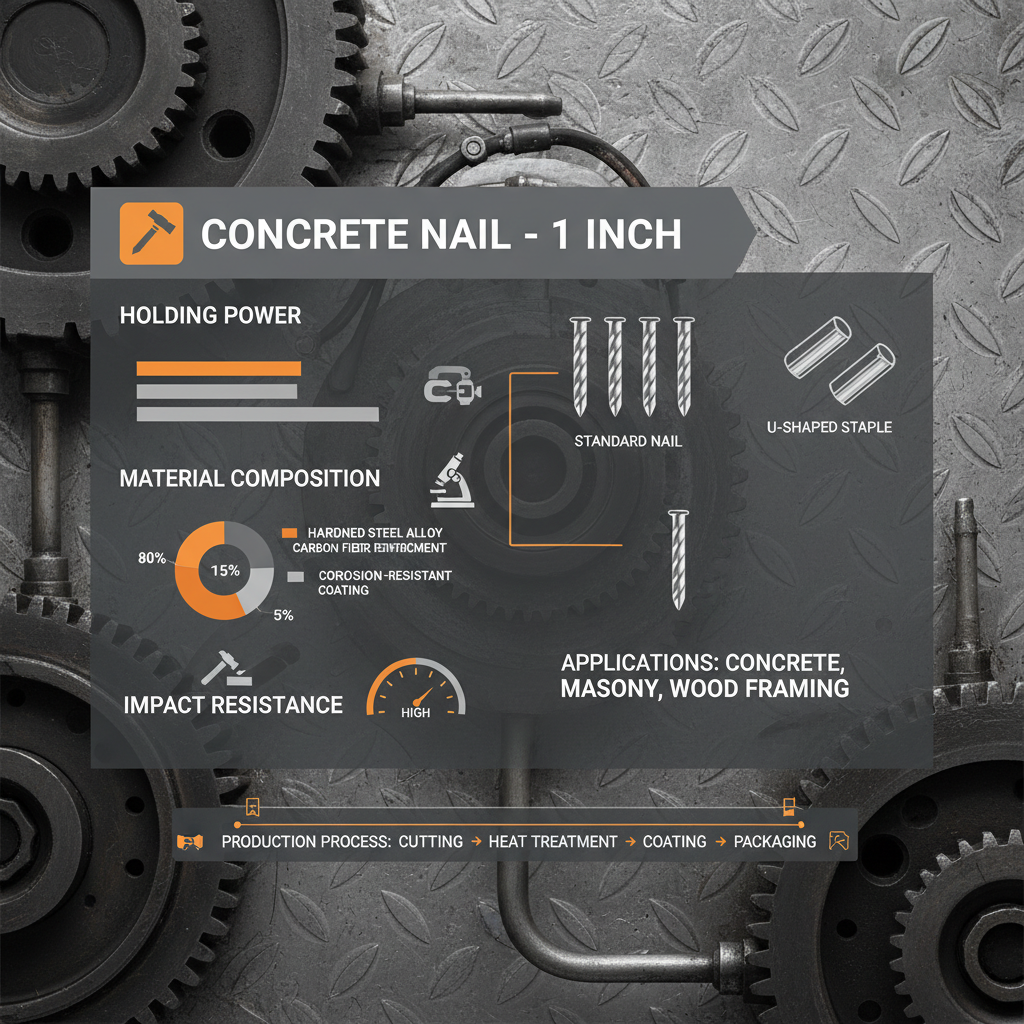
The material and coating of the concrete nail significantly impact its performance and longevity. High-carbon steel is the most common material, offering excellent strength. However, concrete is alkaline, which can cause corrosion of steel over time. To combat this, nails are often coated with zinc, epoxy, or other protective layers. Zinc coating provides basic corrosion resistance, while epoxy offers a more robust barrier against the elements. Consider the environment where the nails will be used – for exterior applications or damp environments, epoxy-coated nails are highly recommended. You can browse SXJ Staple's range of concrete nails for options tailored to specific needs.
Safety Considerations When Using Concrete Nails
Always prioritize safety when working with concrete nails. Wear appropriate safety glasses to protect your eyes from flying debris. Gloves are recommended to protect your hands. When using a nail gun, ensure you are properly trained and follow the manufacturer's instructions. Never point a nail gun at yourself or others. If using a hammer, strike the nail squarely to avoid bending or damaging it. Be aware of hidden wiring or plumbing within the concrete before nailing. And remember, a 1 inch concrete nail is best suited for lighter duty applications; for heavier loads, consult with a structural engineer to determine the appropriate fastening method.
Conclusion: Choosing the Right Concrete Nail for Your Project
A 1 inch concrete nail is a versatile and effective fastener for a wide range of applications. Understanding its characteristics, appropriate uses, and safety considerations will help you achieve a secure and lasting bond. Whether you’re a professional contractor or a DIY enthusiast, choosing the right nail and using it properly is essential for a successful project. Explore the diverse range of concrete nails available at SXJ Staple to find the perfect solution for your needs.
Frequently Asked Questions (FAQs)
What type of concrete is best suited for using 1-inch concrete nails?
1-inch concrete nails work best with softer concrete mixes, such as those used in many residential foundations and interior concrete blocks. Avoid using them on very dense, high-strength concrete, as the nails may bend or break. For harder concrete, consider longer nails or alternative fastening methods like concrete screws or anchors. The age of the concrete also plays a role; older, weathered concrete is generally easier to penetrate than freshly poured concrete. Always pre-drill a pilot hole if you encounter resistance.
Can I use a standard nail gun with concrete nails?
No, standard nail guns are not designed to handle the force required to drive concrete nails. You'll need a specialized concrete nail gun that is specifically engineered for this purpose. These guns deliver a much higher impact force and feature a firing mechanism that can reliably penetrate concrete. Using a standard nail gun with concrete nails can damage the gun and create a safety hazard. Ensure you’re using the correct equipment for the job.
What is the maximum weight a 1-inch concrete nail can hold?
The weight a 1-inch concrete nail can hold varies depending on the concrete's density, the nail's shank type, and the quality of installation. As a general guideline, it's advisable to limit the weight to around 10-15 pounds per nail. For heavier loads, it's crucial to use longer nails, multiple nails, or alternative anchoring systems. Always err on the side of caution and consult with a professional if you're unsure about the load-bearing capacity.
How do I remove a concrete nail once it's been driven in?
Removing a concrete nail can be challenging. A nail puller specifically designed for concrete nails is the most effective tool. You can also use a pry bar, but be careful not to damage the surrounding concrete. If the nail is deeply embedded, you might need to use a hammer and chisel to carefully break away a small amount of concrete around the nail head to gain leverage. Wear safety glasses when attempting removal, as fragments of concrete may fly off.
-
The Ultimate Guide to Choosing 20mm Concrete Nails for ConstructionNewsApr.16,2026
-
Professional Guide to Using 2 inch concrete nails for ConstructionNewsApr.09,2026
-
Understanding the Strength and Versatility of 2 Concrete Nails for ProjectsNewsApr.07,2026
-
Understanding the Strength and Versatility of 2 1 2 Concrete Nails for ConstructionNewsApr.04,2026
-
Comprehensive Guide to Using 1 Inch Concrete Nails for Robust FasteningNewsMar.31,2026
-
The Ultimate Guide to 1 Concrete Nail Applications and Secure Fastening SolutionsNewsMar.28,2026