
Talk With Us
+86-13601661296
Email Address
admin@sxjbradnail.com
Exploring the Advantages of Hard Concrete Nails for Robust Fastening Solutions
Understanding Hard Concrete Nails: A Comprehensive Guide
When working with concrete, choosing the right fastener is crucial for the success and longevity of your project. While many options exist, hard concrete nails offer a unique and often superior solution for specific applications. This article will explore the benefits, applications, and important considerations when using hard concrete nails, providing valuable insights for both DIY enthusiasts and construction professionals. We’ll delve into the nuances of these specialized fasteners, helping you determine if they are the right choice for your next concrete project.
What Makes Hard Concrete Nails Different?
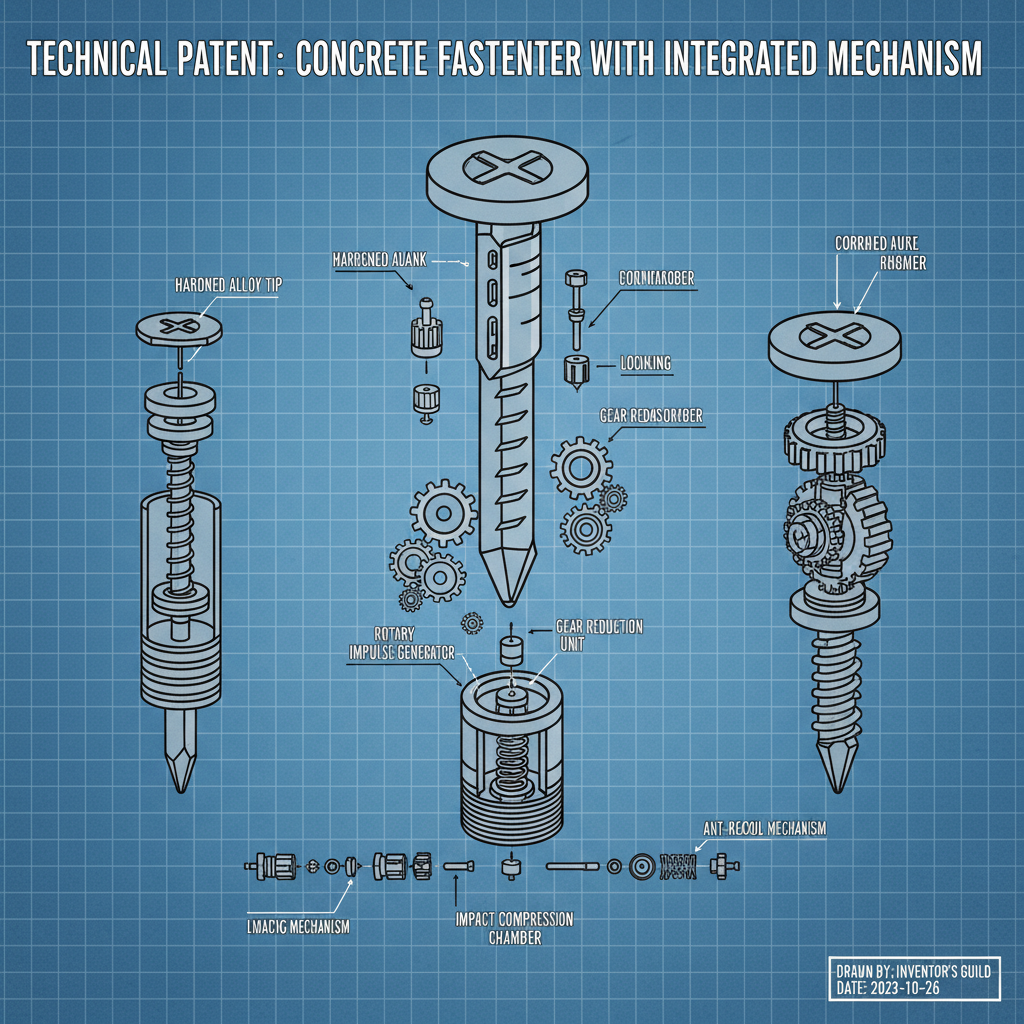
Unlike standard nails, hard concrete nails are specifically engineered to penetrate dense concrete without pre-drilling in many cases. They are manufactured from high-carbon steel, hardened and tempered to withstand immense impact and resist bending. This robust construction is essential for achieving a secure hold in concrete’s unforgiving material. The nail’s shank is often coated for corrosion resistance, extending its lifespan and ensuring long-term performance. A key advantage is their speed and efficiency, bypassing the time-consuming process of drilling pilot holes. SXJ Staple offers a comprehensive range of these specialized nails designed for optimal performance.
Key Highlights: Manufactured from high-carbon steel, hardened and tempered for strength. Often coated for corrosion resistance. Designed for use without pre-drilling in many applications.
Applications of Hard Concrete Nails
Hard concrete nails are ideal for a variety of applications where a strong, reliable fastening solution is needed in concrete. Common uses include attaching wood framing to concrete walls, securing insulation boards, installing furring strips, and fastening metal brackets. They are particularly useful in situations where drilling is impractical or time-prohibitive, such as renovation projects or repairs. They also find application in securing electrical boxes, conduit, and other fixtures directly to concrete surfaces.
Common Applications:
• Attaching wood framing to concrete walls
• Securing insulation boards
• Installing furring strips
• Fastening metal brackets
Hard Concrete Nails vs. Concrete Screws: A Detailed Comparison
While both hard concrete nails and concrete screws are used for fastening into concrete, they differ significantly in their application and performance characteristics. Concrete screws often require pre-drilling, offering a more precise but slower installation. Nails, on the other hand, can often be driven directly into the concrete, making them faster to install. However, screws provide greater pull-out resistance and are more suitable for heavier loads. The choice depends largely on the specific project requirements and the desired level of holding power.
Choosing the Right Hard Concrete Nail
Selecting the appropriate hard concrete nail depends on several factors, including the concrete’s density, the thickness of the material being fastened, and the intended load. Consider the nail’s length and gauge—longer and thicker nails provide greater holding power. Look for nails with a coating to prevent corrosion, especially in damp or corrosive environments. SXJ Staple provides detailed specifications and recommendations to help you choose the optimal nail for your specific needs. Proper nail gun selection is also vital for optimal performance and safety.
Safety Precautions When Using Hard Concrete Nails
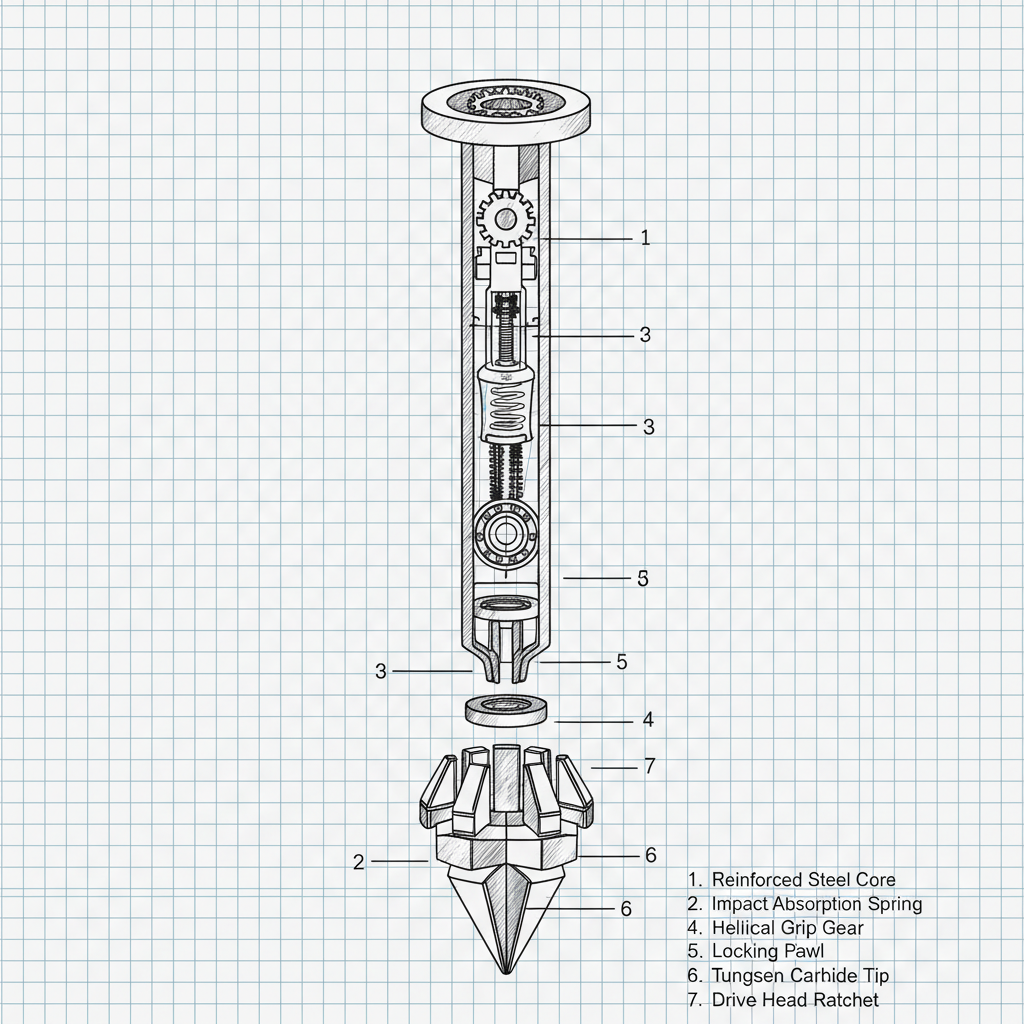
Working with concrete nails requires adherence to safety protocols. Always wear appropriate personal protective equipment (PPE), including safety glasses, gloves, and hearing protection. Ensure the work area is clear of obstructions and bystanders. When using a nail gun, follow the manufacturer’s instructions carefully. Never point the nail gun at yourself or others. Inspect the nail gun regularly for malfunctions and ensure it is in good working condition. Be mindful of potential rebound and ricochet.
Conclusion: Harnessing the Power of Hard Concrete Nails
Hard concrete nails offer a fast, efficient, and reliable fastening solution for a wide range of concrete applications. Understanding their strengths and limitations, along with proper selection and safety procedures, ensures successful project outcomes. Explore the comprehensive selection of hard concrete nails at SXJ Staple to find the perfect solution for your needs.
Frequently Asked Questions (FAQs)
Can hard concrete nails be used in all types of concrete?
While versatile, hard concrete nails are most effective in standard-density concrete. Using them in very hard or extremely brittle concrete may require pre-drilling or could lead to nail bending or breakage. It's always recommended to test a nail in an inconspicuous area before committing to a large-scale application. Different concrete mixes can vary significantly in hardness and composition, impacting the nail's performance. Consider the age of the concrete; older concrete tends to be harder.
What is the best way to drive hard concrete nails?
Using a dedicated concrete nail gun is highly recommended for optimal results. These guns deliver the necessary impact force to drive the nails effectively. If using a standard hammer, strike the nail head squarely and with firm, consistent force. Avoid angling the hammer, as this can cause the nail to bend. For thicker materials or harder concrete, a slightly softer hammer might be preferable to minimize the risk of nail damage. Always wear safety glasses when driving nails.
How do I prevent corrosion of hard concrete nails?
Choose nails with a corrosion-resistant coating, such as zinc or epoxy. This provides a protective barrier against moisture and chemicals. If the nails will be exposed to particularly harsh environments (e.g., saltwater), consider using stainless steel nails. Proper storage is also crucial – keep nails in a dry environment to prevent rust.
What should I do if a hard concrete nail bends during installation?
If a nail bends, it's best to remove it and use a new one. Attempting to straighten a bent nail can weaken it and compromise its holding power. Ensure the nail gun is properly adjusted and that you are using the correct nail size and type for the concrete's density. If the bending persists, pre-drilling a pilot hole may be necessary.
-
The Ultimate Guide to Choosing 20mm Concrete Nails for ConstructionNewsApr.16,2026
-
Professional Guide to Using 2 inch concrete nails for ConstructionNewsApr.09,2026
-
Understanding the Strength and Versatility of 2 Concrete Nails for ProjectsNewsApr.07,2026
-
Understanding the Strength and Versatility of 2 1 2 Concrete Nails for ConstructionNewsApr.04,2026
-
Comprehensive Guide to Using 1 Inch Concrete Nails for Robust FasteningNewsMar.31,2026
-
The Ultimate Guide to 1 Concrete Nail Applications and Secure Fastening SolutionsNewsMar.28,2026