
Talk With Us
+86-13601661296
Email Address
admin@sxjbradnail.com
Comprehensive Guide to 9D Common Nails for Construction and Woodworking
Understanding 9D Common Nails: A Comprehensive Guide
9D common nails are a staple in many construction and woodworking projects. Known for their robustness and versatility, they are a reliable fastening solution for a wide range of applications. This article will explore the characteristics of 9D common nails, their common uses, how they compare to other nail types, key considerations when purchasing, and best practices for using them. Whether you’re a seasoned professional or a DIY enthusiast, understanding 9D common nails is crucial for achieving strong and lasting results. Explore our comprehensive selection of high-quality nails at SXJ Staple, your trusted source for fasteners.
What Exactly are 9D Common Nails?
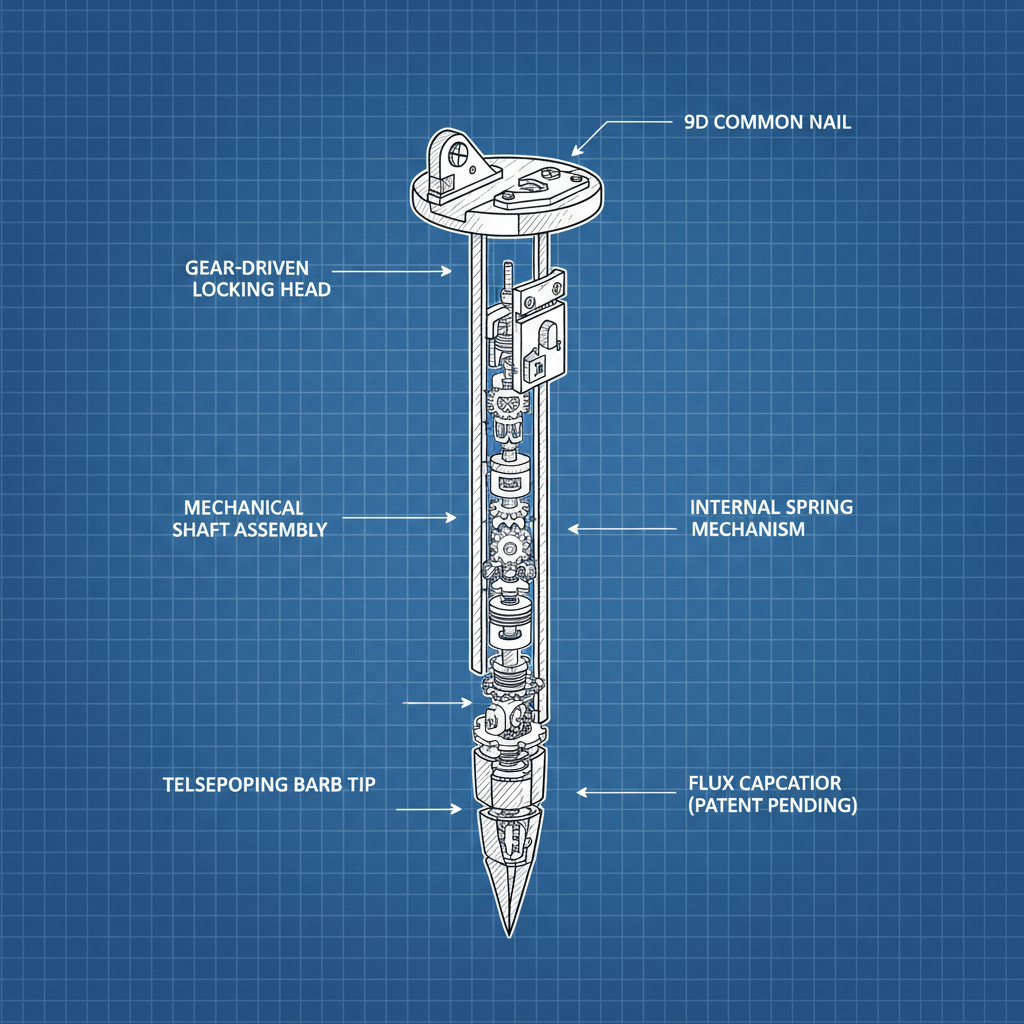
The “9D” in 9D common nails refers to their penny size, a traditional unit of measurement for nail length. A 9D nail is approximately 2.5 inches long. “Common” nails are characterized by a thick shank and a broad, flat head. This design provides excellent holding power, making them ideal for structural applications. They are typically made of steel, often with a bright, galvanized, or electroplated coating to resist corrosion. These nails are designed to be driven straight through wood, relying on friction to hold materials together.
Key Features: Thick shank, broad flat head, approximately 2.5 inches long, steel construction with various coatings for corrosion resistance, designed for strong holding power.
Common Applications of 9D Common Nails
9D common nails find extensive use in a variety of construction and woodworking projects. They are commonly used for framing, sheathing, and general carpentry. Specific applications include: building wooden fences, constructing sheds, attaching siding, and assembling crates and pallets. Their robust construction makes them suitable for both interior and exterior projects. They are particularly valuable in situations where a strong and reliable connection is paramount. You can find a range of high-quality 9D common nails to suit your needs at SXJ Staple.
Application Examples:
• Framing walls and roofs
• Attaching plywood sheathing
• Building fences and sheds
• Constructing crates and pallets
9D Common Nails vs. Other Nail Types
While 9D common nails are versatile, they aren't always the best choice for every project. Compared to finishing nails, they are more visible and less aesthetically pleasing. Compared to roofing nails, they lack the specialized head design for securing shingles. Here’s a comparison table:
Choosing the Right 9D Common Nail: Considerations
Several factors influence the quality and suitability of 9D common nails. The material is crucial; look for nails made from hardened steel for optimal strength. The coating is also important; galvanized nails offer good corrosion resistance, while electroplated nails are suitable for indoor use. Consider the shank type – smooth shanks are easier to drive, while ring shanks provide superior holding power. For projects exposed to harsh weather conditions, stainless steel nails are the best option, though they are more expensive. SXJ Staple offers a variety of coatings and shank types to meet your specific needs.
Best Practices for Using 9D Common Nails
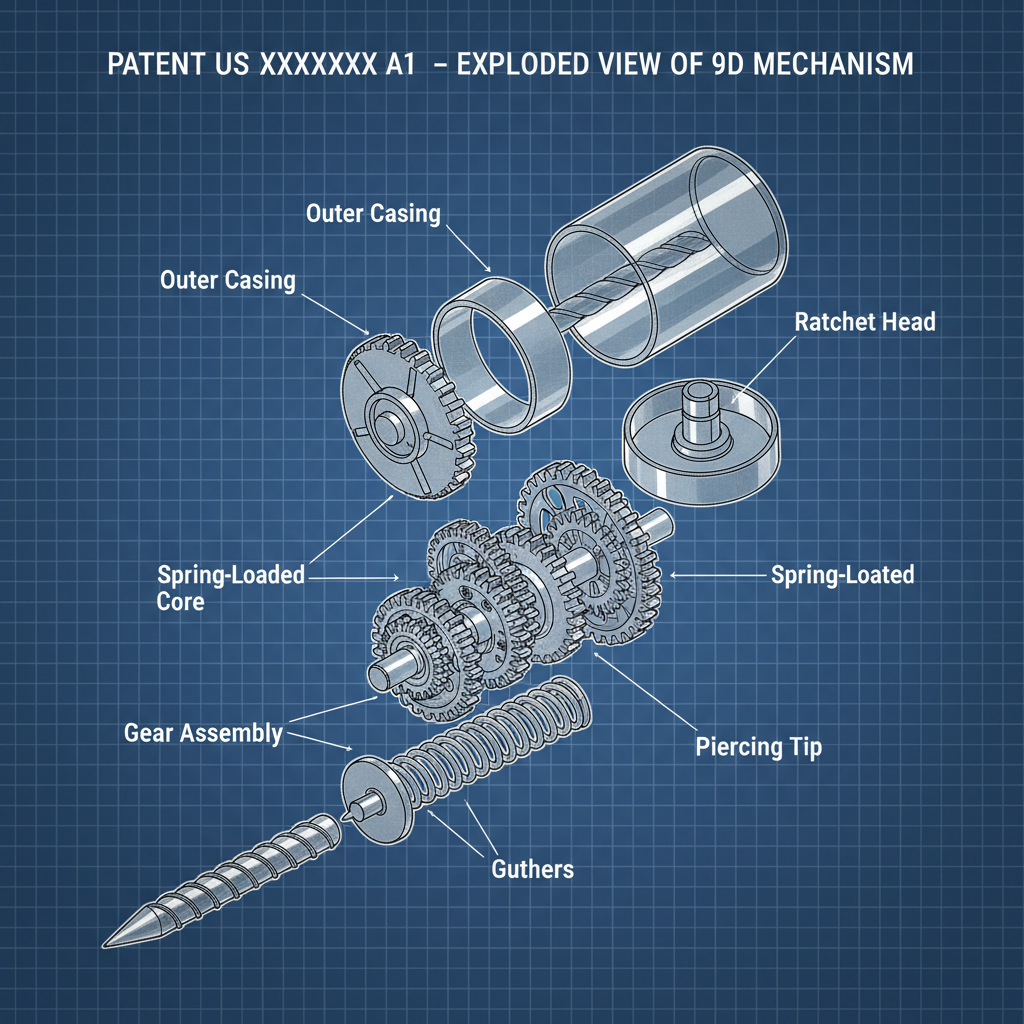
Proper technique is essential for driving 9D common nails safely and effectively. Always wear safety glasses to protect your eyes. Ensure the wood is properly supported to prevent splitting. Start with a light tap to set the nail, then increase the force with each subsequent strike. Avoid bending the nail by striking it squarely on the head. If the nail bends, stop and remove it, as a bent nail significantly reduces holding power. For hardwoods, pre-drilling a pilot hole can prevent splitting and make driving the nail easier.
Conclusion: Reliable Fastening with 9D Common Nails
9D common nails are a durable and dependable fastening solution for countless projects. By understanding their characteristics, applications, and proper usage techniques, you can ensure strong, lasting results. For a wide selection of high-quality 9D common nails and other fasteners, visit SXJ Staple today.
Frequently Asked Questions (FAQs)
What wood types are best suited for 9D common nails?
9D common nails work well with most softwood lumber, such as pine, fir, and cedar. They can also be used with some hardwoods, but pre-drilling a pilot hole is recommended to prevent splitting. The density of the wood significantly impacts ease of use; denser hardwoods require more force or pre-drilling for successful nail insertion. Avoid using 9D common nails with highly brittle wood, as it is prone to cracking.
How do I prevent wood from splitting when using 9D common nails?
Preventing wood splitting involves several techniques. Pre-drilling a pilot hole slightly smaller than the nail's shank diameter is the most effective method. Blunting the tip of the nail can also reduce splitting, especially when working close to the wood's edge. Avoid hammering directly on the edge of the wood, and ensure the wood is properly supported during nailing. Using a nail set to drive the nail head slightly below the surface can also help prevent splitting.
What is the difference between bright, galvanized, and stainless steel 9D common nails?
Bright nails are unfinished steel, offering the lowest corrosion resistance and are best for indoor use. Galvanized nails are coated with zinc, providing good protection against rust and are suitable for exterior applications. Stainless steel nails offer the highest corrosion resistance, making them ideal for harsh environments and treated lumber. The choice depends on the project’s exposure to moisture and chemicals.
Are 9D common nails suitable for outdoor projects?
Yes, 9D common nails can be used for outdoor projects, but the coating is critical. Galvanized or stainless steel nails are recommended for outdoor use to prevent corrosion. Bright nails will rust quickly when exposed to the elements. Properly coated nails will provide a secure and long-lasting connection for outdoor structures like fences and sheds.
-
The Ultimate Guide to Choosing 20mm Concrete Nails for ConstructionNewsApr.16,2026
-
Professional Guide to Using 2 inch concrete nails for ConstructionNewsApr.09,2026
-
Understanding the Strength and Versatility of 2 Concrete Nails for ProjectsNewsApr.07,2026
-
Understanding the Strength and Versatility of 2 1 2 Concrete Nails for ConstructionNewsApr.04,2026
-
Comprehensive Guide to Using 1 Inch Concrete Nails for Robust FasteningNewsMar.31,2026
-
The Ultimate Guide to 1 Concrete Nail Applications and Secure Fastening SolutionsNewsMar.28,2026