
Talk With Us
+86-13601661296
Email Address
admin@sxjbradnail.comComprehensive Guide to Using 1 Inch Concrete Nails for Robust Fastening
Understanding 1 Inch Concrete Nails: A Comprehensive Guide
When tackling concrete projects, choosing the right fastener is paramount. 1 inch concrete nails are a popular choice for a variety of applications, offering a robust and reliable fastening solution. This article will explore everything you need to know about these nails – from their uses and benefits to selecting the right type and ensuring proper installation. We'll cover different types, common uses, and provide insight to help you make the best choice for your next project.
What Are 1 Inch Concrete Nails?
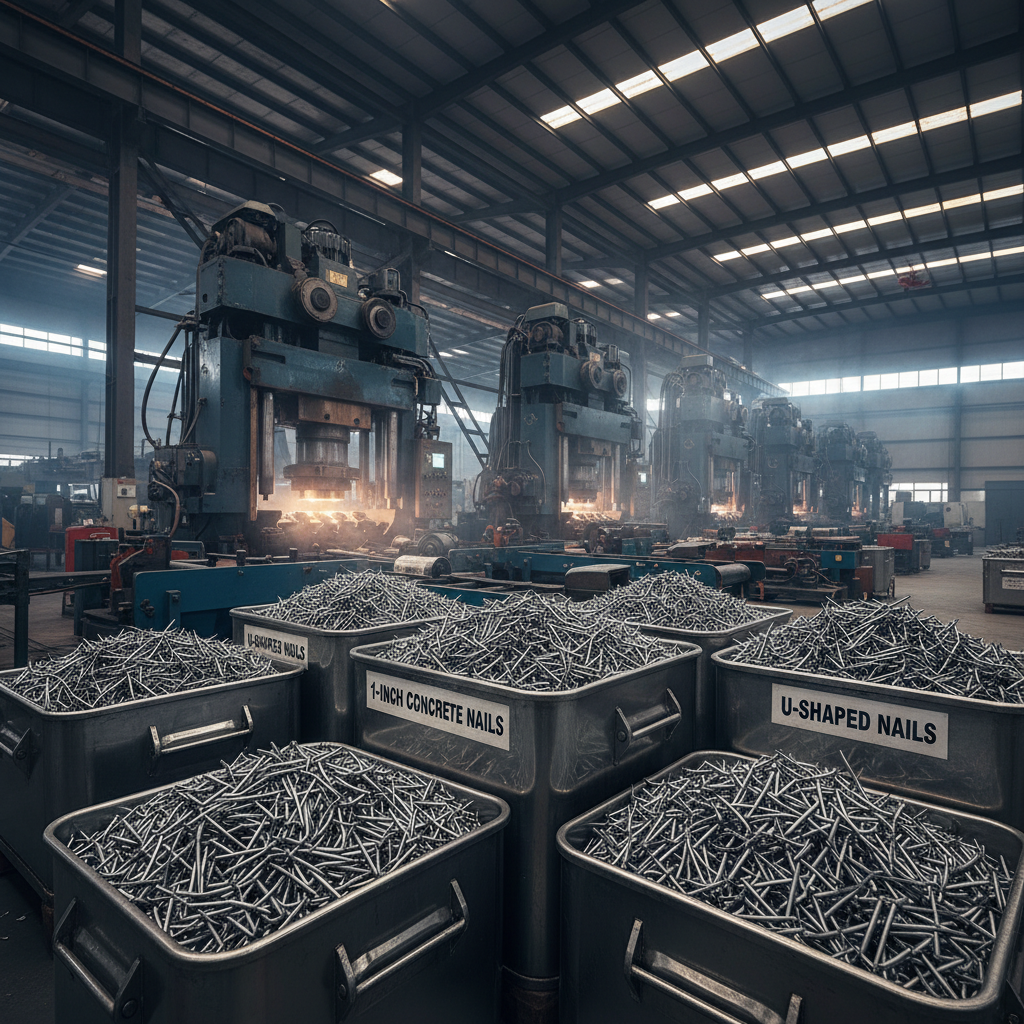
1 inch concrete nails are hardened steel nails specifically designed for fastening into concrete, brick, and other masonry materials. Unlike traditional wood nails, concrete nails have a hardened body and a special head designed to withstand the force of being driven into dense materials. Their length – 1 inch – makes them ideal for a variety of light to medium-duty applications. The construction ensures they resist bending and breaking during installation.
Key Highlights: Hardened steel construction, designed for concrete/masonry, 1-inch length for light/medium-duty applications, resists bending and breaking.
Common Applications for 1 Inch Concrete Nails
These nails are frequently used in a wide range of projects. Some common applications include: attaching furring strips to concrete walls, securing electrical boxes and conduit, installing shelving and lightweight fixtures, and fastening decorative elements to masonry surfaces. They are also useful for temporary fastening during construction, where a more permanent solution will follow. The 1-inch length provides sufficient holding power for these tasks without excessive penetration.
Application Benefits:
• Attaching furring strips
• Securing electrical components
• Installing lightweight fixtures
• Temporary fastening during construction
Types of 1 Inch Concrete Nails: Choosing the Right One
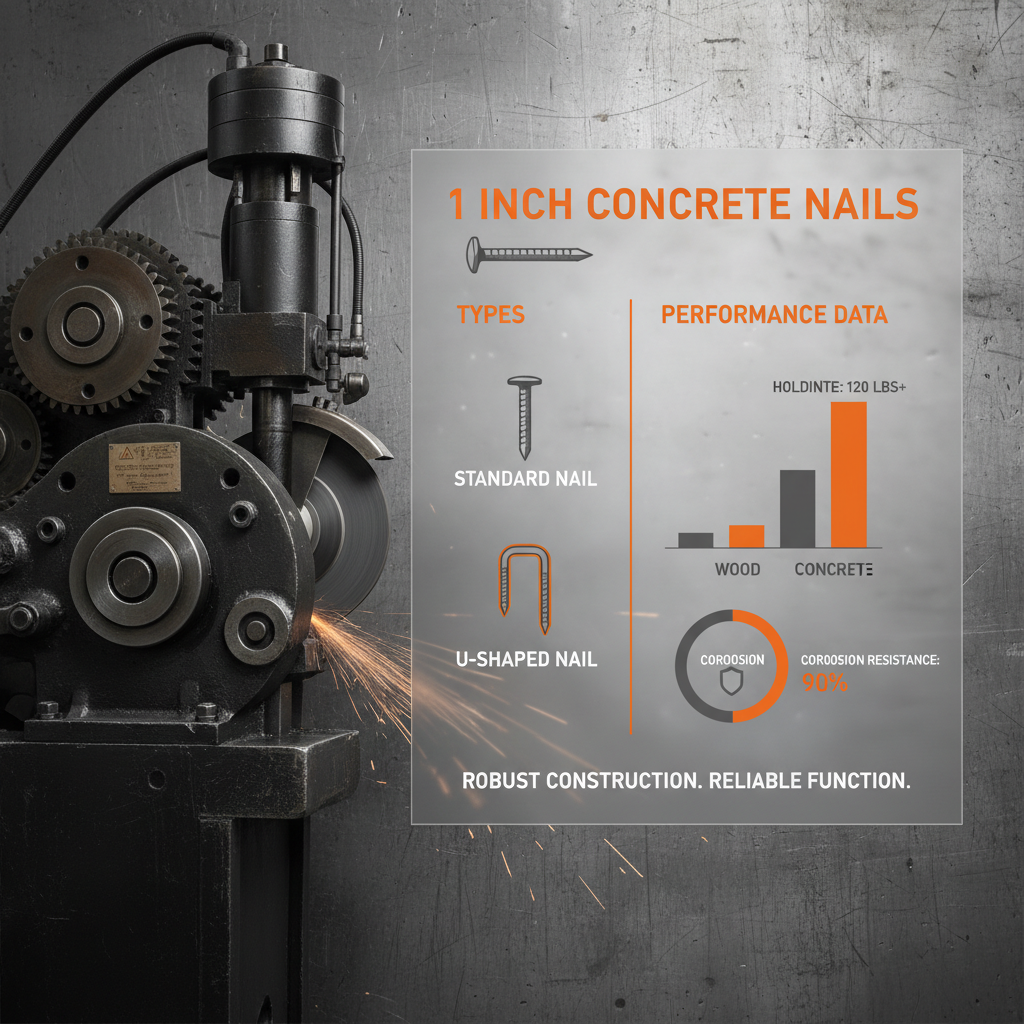
While generally classified as 'concrete nails', several variations exist. The most common types include: hardened steel nails (most versatile), calcium carbide nails (excellent for harder concrete), and spiral shank nails (provide increased holding power). The best choice depends on the specific concrete composition and the load the nail needs to bear. For example, calcium carbide nails are recommended for very dense concrete where hardened steel may struggle to penetrate.
Installation Techniques for Optimal Performance
Proper installation is crucial for ensuring a secure hold. Always pre-drill a pilot hole slightly smaller than the nail diameter. This prevents cracking of the concrete and makes driving the nail easier. Use a hammer designed for driving nails into concrete, or consider a pneumatic nailer specifically designed for masonry applications. Drive the nail straight and firmly until it is flush with the surface. Avoid overdriving, which can damage the surrounding concrete. You can find quality concrete nails at SXJ Staple.
Safety Considerations When Using Concrete Nails
Working with concrete nails requires certain safety precautions. Always wear safety glasses to protect your eyes from flying debris. Gloves are recommended to protect your hands. When using a hammer or nail gun, ensure you are following the manufacturer's safety guidelines. Be mindful of your surroundings and ensure no one is in the path of the nail. Dust from concrete can be harmful, so consider wearing a dust mask, especially in enclosed spaces.
Conclusion: Selecting and Using 1 Inch Concrete Nails
Choosing the right 1 inch concrete nail and employing proper installation techniques are crucial for successful and safe masonry projects. Understanding the different types available, their applications, and prioritizing safety will ensure a durable and reliable fastening solution. For high-quality concrete nails and related fasteners, visit SXJ Staple today.
Frequently Asked Questions (FAQs)
Can 1 inch concrete nails be used in brick?
Yes, 1 inch concrete nails can be effectively used in brick, but the brick should be solid, not hollow. For hollow bricks or softer brick types, a different fastening solution, such as masonry screws, might be more suitable. Pre-drilling is especially important when working with brick to prevent cracking or splitting. Ensure the nail is driven in straight and avoids hitting the mortar joints, as this will reduce holding power.
What size pilot hole should I drill for 1 inch concrete nails?
The pilot hole should be slightly smaller than the nail diameter – typically around 1/16 to 1/8 inch (1.6mm to 3.2mm). The exact size may vary depending on the density of the concrete or brick. If the nail is difficult to drive, you may need to slightly increase the pilot hole size. A pilot hole that is too large will compromise the holding power of the nail.
Are concrete nails suitable for outdoor applications?
Concrete nails made from hardened steel are generally suitable for outdoor applications, but they are susceptible to corrosion over time. To prevent rusting, consider using concrete nails with a protective coating, such as zinc or epoxy. Alternatively, stainless steel concrete nails offer superior corrosion resistance but are more expensive. Regular inspection and replacement may be necessary in harsh weather conditions.
What is the weight capacity of a 1 inch concrete nail?
The weight capacity of a 1 inch concrete nail varies significantly depending on the concrete's strength, the type of nail used, and the installation quality. As a general guideline, a single 1 inch hardened steel concrete nail can typically hold between 10-20 pounds (4.5-9 kg) in standard concrete. However, for critical applications or heavier loads, it’s always recommended to consult a structural engineer or use alternative fastening methods.
-
The Ultimate Guide to Choosing 20mm Concrete Nails for ConstructionNewsApr.16,2026
-
Professional Guide to Using 2 inch concrete nails for ConstructionNewsApr.09,2026
-
Understanding the Strength and Versatility of 2 Concrete Nails for ProjectsNewsApr.07,2026
-
Understanding the Strength and Versatility of 2 1 2 Concrete Nails for ConstructionNewsApr.04,2026
-
The Ultimate Guide to 1 Concrete Nail Applications and Secure Fastening SolutionsNewsMar.28,2026