
Talk With Us
+86-13601661296
Email Address
admin@sxjbradnail.comA Comprehensive Guide to Using 1 2 Inch Concrete Nails for Masonry Projects
Understanding 1 2 Inch Concrete Nails: A Comprehensive Guide
When undertaking construction or demolition projects, the right fasteners are crucial for ensuring structural integrity and safety. Among the many options available, 1 2 inch concrete nails are a frequently used solution for securing materials to concrete, brick, and other masonry surfaces. This article will delve into the characteristics, applications, benefits, and selection considerations for these nails, offering a complete resource for professionals and DIY enthusiasts alike. Choosing the right nail can make a significant difference in the durability and safety of your project.
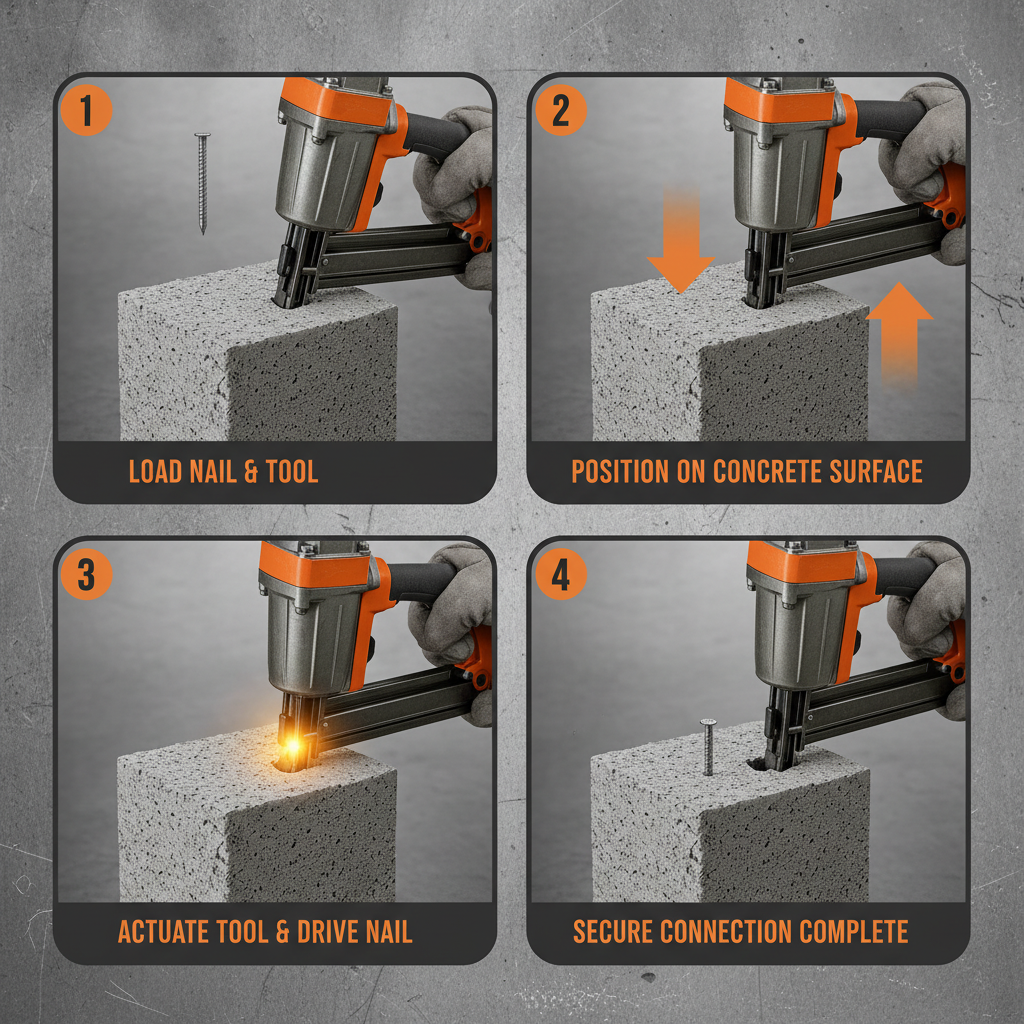
What are 1 2 Inch Concrete Nails?
1 2 inch concrete nails, also known as masonry nails, are specifically designed for fastening into hard, brittle materials like concrete, brick, and block. They differ significantly from standard steel nails in both material composition and design. Unlike wood nails which rely on friction, concrete nails are hardened to withstand the force required to penetrate masonry, and often feature a unique shank design to prevent bending or breakage. They are typically made from hardened carbon steel, ensuring high strength and resistance to deformation. These nails are an economical and efficient fastening solution for a variety of applications where drilling and anchoring might be impractical.
Key Features and Benefits of Using Concrete Nails
The popularity of 1 2 inch concrete nails stems from several key advantages. First, they offer a fast and efficient installation process – requiring only a hammer and the appropriate safety gear. Second, they are cost-effective compared to more complex anchoring systems. Third, their hardened steel construction ensures durability and resistance to corrosion. They’re suitable for both interior and exterior applications, though exterior use may require consideration of coatings for added protection. Finally, the specific shank designs, like ring shank or spiral shank, provide superior holding power within the masonry substrate.
Key Advantages: Fast installation, cost-effectiveness, durable construction, and superior holding power, and suitable for interior and exterior applications.
Applications of 1 2 Inch Concrete Nails
These versatile nails find applications in a broad range of projects. Common uses include fastening furring strips to concrete walls, securing plywood or OSB sheathing to concrete foundations, installing trim and molding to masonry surfaces, and attaching signs or fixtures to concrete walls. They are frequently utilized in renovation projects, particularly for securing framing or attaching new materials to existing concrete structures. They also play a role in setting concrete forms and temporary bracing during construction. Considering the application’s specific load requirements is critical when selecting the appropriate nail type.
Choosing the Right 1 2 Inch Concrete Nail: A Comparison
Not all concrete nails are created equal. Several shank types and finishes are available, each suited for specific applications. The choice depends on the substrate material, the load requirements, and the desired level of holding power. Ring shank nails offer excellent holding power due to the rings that grip the concrete. Spiral shank nails provide a similar level of grip but are often preferred for softer masonry materials. Smooth shank nails are less common for concrete but may be suitable for lighter-duty applications. Finally, coated nails provide increased resistance to corrosion, which is essential for outdoor projects or in damp environments.
Safety Considerations When Using Concrete Nails
Working with concrete nails, like any construction task, requires adherence to safety guidelines. Always wear appropriate safety glasses to protect your eyes from flying debris. Gloves are also recommended to protect your hands. When hammering, maintain a firm grip and strike the nail head squarely. Avoid bending or forcing the nail, as this can lead to breakage and potential injury. If a nail bends, discard it and use a new one. Ensure the work area is well-lit and free from obstructions. For larger projects or those involving significant structural loads, consult with a qualified engineer or construction professional.
Conclusion: Choosing the Right Concrete Nail for Your Project
Selecting the right 1 2 inch concrete nail is crucial for the success and safety of your construction or renovation project. Understanding the different types, their applications, and essential safety considerations will ensure a durable and reliable fastening solution. Explore the comprehensive range of concrete nails available at SXJ Staple and choose the perfect nails for your needs.
Frequently Asked Questions (FAQs)
Can I reuse concrete nails?
Generally, it's not recommended to reuse concrete nails. Once a nail has been driven into concrete, it undergoes stress and deformation that can compromise its structural integrity. Reusing a nail increases the risk of bending, breaking, or failing to provide adequate holding power. Even if the nail appears undamaged, its material properties may have been altered. For safety and reliability, it's best to use new nails for each application. Using new nails ensures that you have a consistent and dependable fastening solution.
What is the best way to drive a concrete nail?
Driving a concrete nail requires a firm and controlled approach. Start by positioning the nail precisely where you want it. Use a heavy-duty hammer and strike the nail head squarely and firmly. If the nail begins to bend, stop immediately and reposition it. It may be helpful to use a nail set to sink the nail head slightly below the surface. Avoid excessive force, as this can damage the surrounding concrete. Always wear safety glasses to protect your eyes from flying debris, and consider using gloves for added grip and hand protection.
Are concrete nails suitable for all types of masonry?
While 1 2 inch concrete nails are effective for many masonry applications, their suitability depends on the type and condition of the material. They work well in concrete, brick, and solid block. However, they may not be ideal for softer or crumbling masonry, as they may not provide sufficient holding power. For these situations, consider using concrete screws or other anchoring systems designed for weaker materials. Always assess the condition of the masonry before selecting the appropriate fastener.
How do I prevent concrete nails from bending?
Preventing concrete nails from bending starts with using the correct nail for the application and ensuring a solid striking surface. Always strike the nail head squarely with a heavy-duty hammer. If the nail is bending, stop immediately and reposition it. Pre-drilling a small pilot hole can sometimes help, especially in harder materials. Choosing a nail with a shank design like ring or spiral can also reduce bending, as these designs provide additional grip and resistance to deformation.
-
The Ultimate Guide to Choosing 20mm Concrete Nails for ConstructionNewsApr.16,2026
-
Professional Guide to Using 2 inch concrete nails for ConstructionNewsApr.09,2026
-
Understanding the Strength and Versatility of 2 Concrete Nails for ProjectsNewsApr.07,2026
-
Understanding the Strength and Versatility of 2 1 2 Concrete Nails for ConstructionNewsApr.04,2026
-
Comprehensive Guide to Using 1 Inch Concrete Nails for Robust FasteningNewsMar.31,2026
-
The Ultimate Guide to 1 Concrete Nail Applications and Secure Fastening SolutionsNewsMar.28,2026