Nói chuyện với chúng tôi

+86-13601661296

Địa chỉ Email

admin@sxjbradnail.com

Tin tức

  • Understanding Concrete Nail 1 1/2 Price Factors Types and Applications

    Understanding Concrete Nail 1 1/2 Price Factors Types and Applications

    When undertaking construction or renovation projects, selecting the right fasteners is crucial. Among these, concrete nails play a vital role in securely attaching materials to concrete, brick, and other masonry surfaces. This article dives into the factors influencing the concrete nail 1 1/2 price, their different types, applications, and how to ensure you are getting the best value for your investment. Understanding these details will help you choose the appropriate nail for your needs and budget. Several factors contribute to the price of a concrete nail 1 1/2 inch. These include the material used in its construction (steel, stainless steel, or coated steel), the quantity purchased, the manufacturer, and the current market demand. Stainless steel nails generally command a higher price due to their corrosion resistance, making them ideal for outdoor or high-humidity environments. Bulk purchases often lead to significant discounts. Furthermore, specialty nails with unique features or coatings will also influence the final price.
    Đọc thêm
  • Understanding Concrete Nail Price Factors and Optimal Purchasing Strategies

    Understanding Concrete Nail Price Factors and Optimal Purchasing Strategies

    When undertaking construction or demolition projects, understanding the concrete nail price is crucial for accurate budgeting and project planning. These specialized nails are designed for fastening into concrete, brick, and other masonry materials, offering a robust and reliable solution. This article will explore the factors influencing concrete nail pricing, different types available, and where to find the best deals. We will delve into the nuances of selecting the correct nails for your specific application and achieving cost-effectiveness without compromising on quality. SXJ Staple provides competitive pricing and a wide range of concrete nails to suit various needs. Several factors contribute to the concrete nail price. The material composition is a primary driver; hardened steel nails, often with specialized coatings for corrosion resistance, will naturally be more expensive than standard steel options. Nail length and diameter also significantly impact cost – longer and thicker nails require more material and manufacturing effort.
    Đọc thêm
  • Find a Reliable Concrete Nail Supplier for Your Construction Needs

    Find a Reliable Concrete Nail Supplier for Your Construction Needs

    When undertaking construction or renovation projects that involve concrete, selecting a reliable concrete nail supplier is critical. These specialized fasteners are designed to penetrate dense concrete materials, offering a secure and lasting hold. Choosing the right supplier ensures you receive high-quality nails that meet project specifications, saving time, money, and potential structural issues. This article will delve into the key considerations when sourcing concrete nails, the benefits of partnering with a reputable supplier like SXJ Staple, and what to look for in terms of product variety and service. Concrete nails aren't one-size-fits-all. Different applications require different nail types. Hardened steel nails are the most common, designed for general concrete fastening. Cup-head concrete nails offer a larger bearing surface, providing increased holding power, ideal for securing materials like wood or metal to concrete. Ribbed concrete nails feature a textured surface, enhancing grip and reducing the likelihood of pull-out. Selecting the appropriate nail type ensures optimal performance and structural integrity. A quality concrete nail supplier will offer a range of these options to suit various project needs.
    Đọc thêm
  • Exploring the Landscape of a Reliable Concrete Nail Factory for Construction

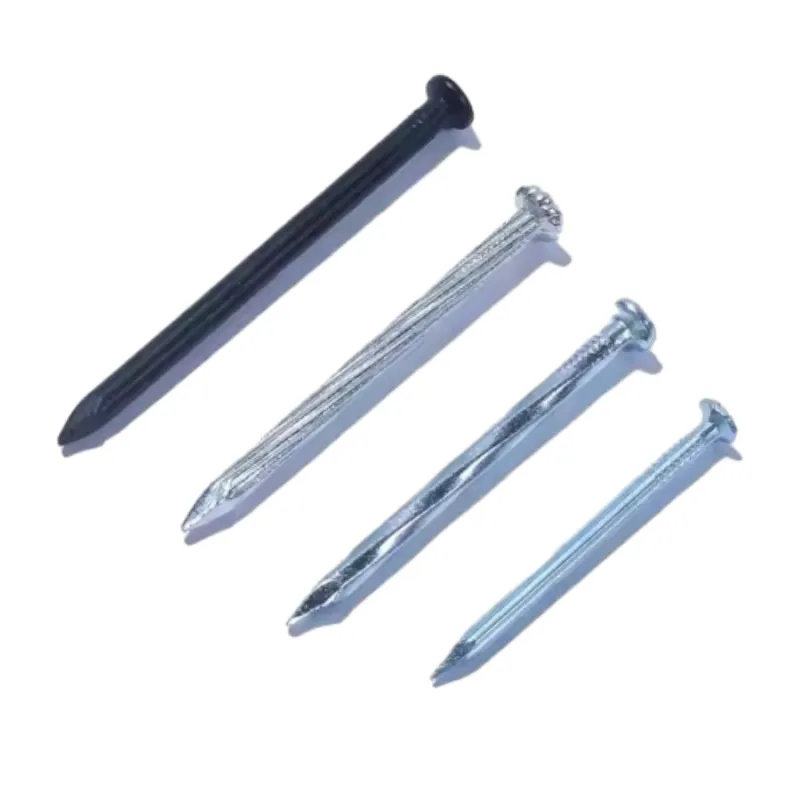
    In the realm of construction and infrastructure, the quality and reliability of fastening solutions are paramount. A concrete nail factory plays a crucial role in providing these essential components. This article delves into the world of concrete nail manufacturing, exploring key factors like types of nails, manufacturing processes, quality control, and how to choose the right supplier. We’ll also explore the global market dynamics and future trends shaping this industry. Ensuring you source from a reputable manufacturer is vital for project success and safety. A modern concrete nail factory doesn't just produce one type of nail. They cater to diverse construction needs. Common types include: smooth shank nails, offering versatility for general concrete nailing; ring shank nails, providing enhanced holding power due to the grooved shank; and screw shank nails, offering even greater pull-out resistance, ideal for heavier applications. Specialized nails like cup head nails for specific fastening requirements and masonry nails for brick and blockwork are also commonly produced.
    Đọc thêm
  • Comprehensive Guide to Concrete Nail Manufacturers and Optimal Solutions

    When undertaking construction or demolition projects, securing materials effectively is crucial. Concrete nails, known for their robustness and holding power, are frequently the fastener of choice. Choosing a reputable concrete nail manufacturer is essential to ensure quality, reliability, and project success. This article will explore the key considerations when sourcing concrete nails, the types available, and why SXJ Staple stands out as a trusted partner. Understanding these factors will help you make informed decisions for your next project. Concrete nails are specifically designed to penetrate and hold firmly in concrete, brick, and other masonry materials. Unlike standard nails, concrete nails are hardened to withstand the impact and prevent bending during installation. They are commonly used in a wide range of applications, including fastening wood to concrete foundations, securing furring strips, attaching fixtures, and various construction and repair projects.
    Đọc thêm
  • Choosing the Right U Nails for Concrete Applications A Comprehensive Guide

    When undertaking construction or renovation projects involving concrete, selecting the appropriate fasteners is crucial for ensuring structural integrity and longevity. U nails for concrete are a versatile and reliable fastening solution for a wide range of applications. This article will provide a detailed overview of U nails, their benefits, types, applications, and factors to consider when choosing the right ones for your specific needs. Understanding the nuances of these fasteners will help you achieve a secure and lasting connection in your concrete projects. U nails for concrete, also known as concrete nails or hammer-in anchors, are specialized fasteners designed to be driven directly into pre-drilled holes in concrete, brick, or stone. They are typically made from hardened steel and feature a U-shaped profile that expands within the hole, creating a strong mechanical interlock. Unlike traditional nails, these are engineered to withstand the compressive forces of concrete and provide a reliable anchoring point. Their ease of installation, requiring only a hammer and potentially a drill, makes them a popular choice for numerous applications.
    Đọc thêm
  • Comprehensive Guide to Striker Concrete Nails for Robust Construction

    When undertaking construction projects, the right fasteners are crucial. Striker concrete nails are a reliable and efficient solution for securing materials to concrete, brick, and masonry surfaces. This article will delve into the features, benefits, applications, and selection criteria for these essential fasteners. We will explore how choosing the right concrete nail can significantly impact project success, efficiency, and safety. Learn how SXJ Staple provides high-quality striker concrete nails for various construction needs. Striker concrete nails are hardened steel nails specifically designed for fastening into concrete, brick, and other masonry materials. Unlike standard nails, they possess a specialized design – often with a ribbed or ringed shank – that allows them to bite into the concrete as they are driven, providing a secure and lasting hold. They are typically driven using a power tool known as a concrete nailer, which delivers the necessary force and impact. The strength and durability of these nails make them ideal for applications where traditional fasteners would fail. SXJ Staple’s concrete nails are manufactured to withstand high stress and corrosion, ensuring long-term performance.
    Đọc thêm
  • Comprehensive Guide to Using Steel Nails for Concrete Applications

    When working with concrete, selecting the right fasteners is crucial for the integrity and longevity of any project. Steel nails for concrete are a vital component, offering a reliable and cost-effective fastening solution. This article delves into the types, applications, installation techniques, and key considerations when choosing steel nails for concrete projects. Whether you're a seasoned contractor or a DIY enthusiast, understanding these details will ensure a secure and durable finish. Steel nails designed for concrete aren’t the same as standard wood nails. They are hardened and specifically engineered to penetrate and hold in concrete materials. Several types cater to different applications, including hardened steel nails, ribbed concrete nails, and cup-head concrete nails. Hardened steel nails offer robust strength for general-purpose applications. Ribbed concrete nails provide enhanced holding power due to their textured surface. Cup-head concrete nails distribute the load over a larger area, making them ideal for securing insulation or thin materials. Choosing the appropriate nail type depends on the specific demands of the project and the materials being fastened.
    Đọc thêm
  • Comprehensive Guide to Choosing the Right Lead Nails for Concrete Applications

    When working with concrete, securing items effectively requires the right fastening solutions. Lead nails for concrete are a traditional and reliable method for applications ranging from construction to renovation. This article provides a detailed look at lead nails, their benefits, applications, and how to choose the best option for your project. Understanding the nuances of these fasteners can ensure a durable and long-lasting result. We'll explore the core principles behind their effectiveness and provide insights for optimal usage. Lead nails, as the name suggests, are nails made from lead or a lead alloy. Their primary function in concrete applications stems from lead’s unique properties: it’s soft, malleable, and possesses a relatively low melting point. This allows the nail to deform and ‘bite’ into the concrete’s surface without causing significant cracking or damage. Historically, they were widely used for securing wood furring strips to concrete walls or ceilings, providing a base for drywall or other finishes.
    Đọc thêm
  • Essential Guide to Hardened Steel Concrete Nails for Reliable Fastening

    When undertaking concrete construction, the integrity of the fastening system is paramount. Hardened steel concrete nails are a crucial component, offering superior strength and durability compared to standard nails. This article will provide a detailed exploration of these specialized nails, covering their characteristics, applications, benefits, and how to choose the right ones for your project. We’ll delve into why these nails are essential for reliable and long-lasting concrete fastening. Ensuring the correct choice of nail is critical for the structural soundness of any concrete project. Unlike conventional nails, hardened steel concrete nails undergo a specialized heat treatment process that significantly increases their hardness and tensile strength. This hardening process makes them exceptionally resistant to bending, breaking, and corrosion when driven into concrete. The steel used is typically a high-carbon steel, which responds effectively to the hardening treatment.
    Đọc thêm
  • Comprehensive Guide to 9D Common Nails for Construction and Woodworking

    9D common nails are a staple in many construction and woodworking projects. Known for their robustness and versatility, they are a reliable fastening solution for a wide range of applications. This article will explore the characteristics of 9D common nails, their common uses, how they compare to other nail types, key considerations when purchasing, and best practices for using them. Whether you’re a seasoned professional or a DIY enthusiast, understanding 9D common nails is crucial for achieving strong and lasting results. Explore our comprehensive selection of high-quality nails at SXJ Staple, your trusted source for fasteners. The “9D” in 9D common nails refers to their penny size, a traditional unit of measurement for nail length. A 9D nail is approximately 2.5 inches long. “Common” nails are characterized by a thick shank and a broad, flat head. This design provides excellent holding power, making them ideal for structural applications. They are typically made of steel, often with a bright, galvanized, or electroplated coating to resist corrosion.
    Đọc thêm
  • The Comprehensive Guide to 8d Penny Nail Uses Types and Applications

    The 8d penny nail is a fundamental fastener used extensively in construction, woodworking, and various DIY projects. Its versatility and strength make it a staple in many trades. This article dives deep into the specifications, uses, advantages, and comparisons of the 8d penny nail, providing a comprehensive overview for both professionals and hobbyists. Choosing the right nail can significantly impact the quality and durability of your projects. We’ll explore why the 8d penny nail remains a popular and reliable choice. Learn more about high-quality nails at SXJ Staple. The "d" in 8d refers to "pennyweight," an old system for gauging nail size. Originally, 8d nails weighed approximately eight pennyweights (about 0.37 grams). Today, it’s a standardized measurement. An 8d penny nail is approximately 2.5 inches (63.5mm) long and has a gauge of 0.120 inches (3.05mm). These nails are commonly manufactured from steel and can be smooth shank, ring shank, or screw shank, each offering different holding power.
    Đọc thêm

Nếu bạn quan tâm đến sản phẩm của chúng tôi, bạn có thể để lại thông tin tại đây và chúng tôi sẽ sớm liên hệ với bạn.


Baoding Yongweichangsheng Metal Produce Co., Ltd.