
Talk With Us
+86-13601661296
Email Address
admin@sxjbradnail.comUnderstanding the Strength and Versatility of 2 Concrete Nails for Projects
Understanding 2 Concrete Nails: Applications, Benefits & Where to Buy
When tackling projects involving concrete, the right fastener is crucial. While many options exist, 2 concrete nails offer a surprisingly versatile and effective solution for various applications. This article explores the benefits of using these specialized nails, their common uses, what to look for when purchasing, and why SXJ Staple is a reliable source for high-quality concrete nails. We will cover everything you need to know to ensure your project is secure and long-lasting.
What Are 2 Concrete Nails?
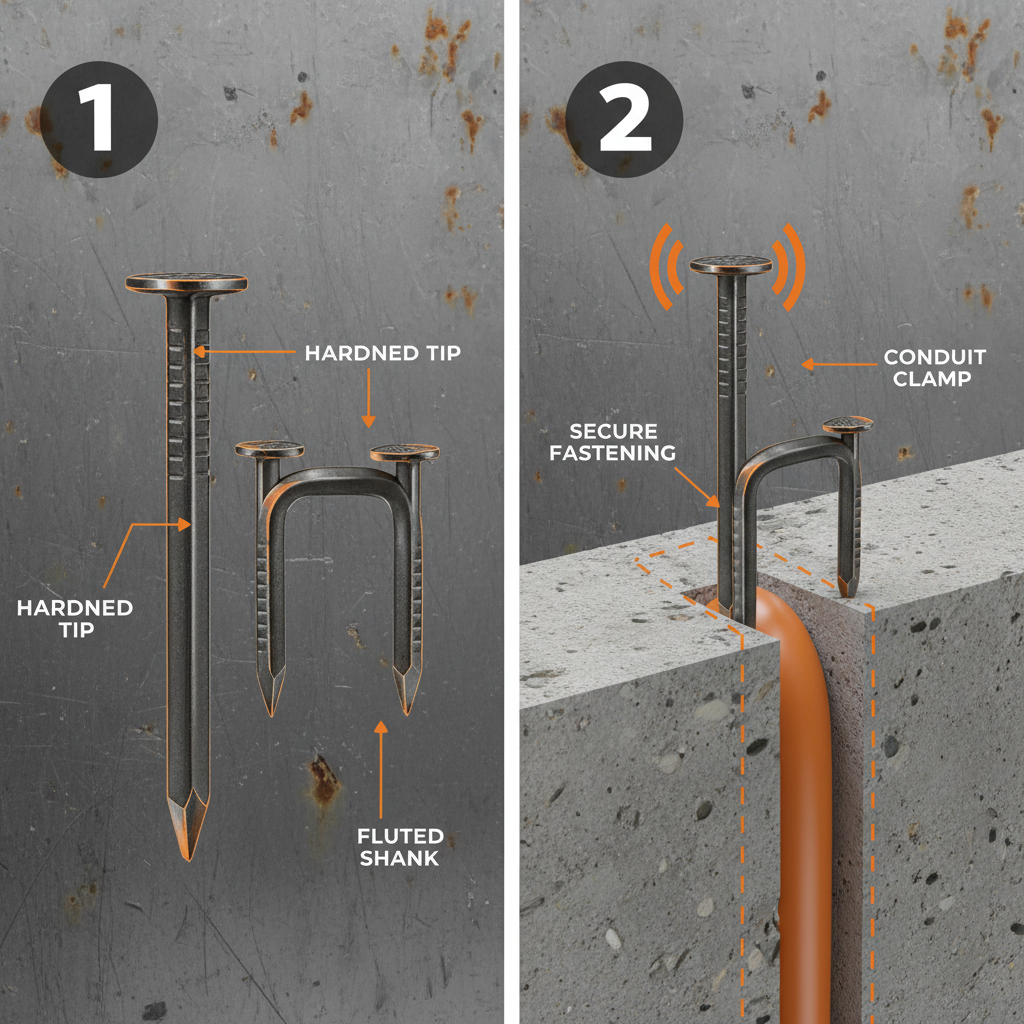
Unlike standard nails, 2 concrete nails are specifically hardened steel nails designed to penetrate concrete, brick, and other masonry materials. The '2' often refers to the diameter or gauge of the nail, indicating its strength. They are typically thicker and more robust than common nails. These nails don’t require pre-drilling in softer concrete (though it is still recommended for harder, denser concrete), offering a faster installation process. They are a cost-effective solution for light-duty fastening tasks where traditional anchors or screws might be overkill. Properly installed, these nails provide a surprisingly strong hold.
Key Characteristics: Hardened steel construction, no pre-drilling needed in softer concrete, cost-effective fastening solution, suitable for light-duty applications.
Common Applications for 2 Concrete Nails
The versatility of 2 concrete nails makes them useful in a variety of projects. Some common applications include: attaching wood furring strips to concrete walls, securing lightweight fixtures to concrete surfaces (like small shelving or picture frames), fastening insulation boards, and installing temporary bracing. They’re also frequently used in DIY projects and quick repairs where a more permanent fastening solution isn't necessary. Because of their ease of use, they are favored by contractors needing to quickly tackle smaller tasks.
Typical Uses:
• Attaching wood to concrete walls
• Securing light fixtures
• Installing insulation boards
• Temporary bracing
Choosing the Right 2 Concrete Nails: A Comparison
Not all 2 concrete nails are created equal. Factors like the nail's steel composition, shank type, and coating impact its performance. Here's a comparison of common types:
Proper Installation Techniques for 2 Concrete Nails
While 2 concrete nails are relatively easy to install, following proper techniques is vital for a secure hold. Begin by marking the spot where you'll drive the nail. For harder concrete, pre-drilling a pilot hole slightly smaller than the nail’s diameter is recommended. This prevents the concrete from cracking and makes driving the nail easier. Hold the nail perpendicular to the surface and use a hammer with a firm, consistent strike. Avoid angled blows, as this can bend the nail and weaken the hold. Drive the nail until the head is flush with the surface.
Why Choose SXJ Staple for Your Concrete Nail Needs?
At SXJ Staple, we specialize in providing high-quality fastening solutions, including a comprehensive selection of 2 concrete nails. We source our nails from reputable manufacturers, ensuring consistent performance and durability. We offer competitive pricing, fast shipping, and excellent customer service. Whether you need a small quantity for a DIY project or a bulk order for a construction site, we can meet your needs. We are committed to delivering reliable products that you can trust.
Conclusion: Secure Your Projects with the Right Nails
Investing in the right 2 concrete nails can make all the difference in the success and longevity of your projects. SXJ Staple provides the quality, selection, and service you need to get the job done right. Don't compromise on safety or reliability – choose SXJ Staple for all your concrete nail requirements.
Frequently Asked Questions (FAQs)
Can I use 2 concrete nails in pre-cast concrete?
Yes, you can use 2 concrete nails in pre-cast concrete, but it's even more important to pre-drill a pilot hole. Pre-cast concrete often has a harder, denser composition than poured concrete. Pre-drilling helps prevent cracking and ensures the nail penetrates effectively. Always choose hardened alloy steel nails for pre-cast concrete to maximize holding power.
What size nail should I use?
The appropriate nail size depends on the thickness of the material you’re fastening and the load it needs to bear. For lightweight materials like furring strips, a shorter nail might suffice. For heavier applications, a longer nail provides a more secure hold. It's generally best to choose a nail that penetrates at least 1 inch into the concrete. Refer to the specific load-bearing requirements of your project to determine the ideal nail length.
Are concrete nails suitable for outdoor use?
For outdoor use, choose concrete nails with a protective coating like galvanized or epoxy. These coatings prevent rust and corrosion, ensuring the nails maintain their strength and integrity in wet or humid environments. Standard carbon steel nails will corrode quickly outdoors, compromising their holding power.
-
Professional Guide to Using 2 inch concrete nails for ConstructionNewsApr.09,2026
-
Understanding the Strength and Versatility of 2 1 2 Concrete Nails for ConstructionNewsApr.04,2026
-
Comprehensive Guide to Using 1 Inch Concrete Nails for Robust FasteningNewsMar.31,2026
-
The Ultimate Guide to 1 Concrete Nail Applications and Secure Fastening SolutionsNewsMar.28,2026
-
A Comprehensive Guide to Using 1 2 Inch Concrete Nails for Masonry ProjectsNewsMar.26,2026