
Talk With Us
+86-13601661296
Email Address
admin@sxjbradnail.comThe Ultimate Guide to 1 Concrete Nail Applications and Secure Fastening Solutions
The Essential Guide to 1 Concrete Nail: Applications and Benefits
When undertaking construction or DIY projects involving concrete, having the right fastener is paramount. A 1 concrete nail, specifically designed for penetrating and securing into concrete materials, is often the ideal solution. This article will explore the uses, advantages, and considerations when selecting and using 1 concrete nails, providing a comprehensive overview for professionals and homeowners alike. Choosing the correct nail ensures a strong, lasting hold and a successful project outcome.
Understanding 1 Concrete Nails: What Makes Them Different?
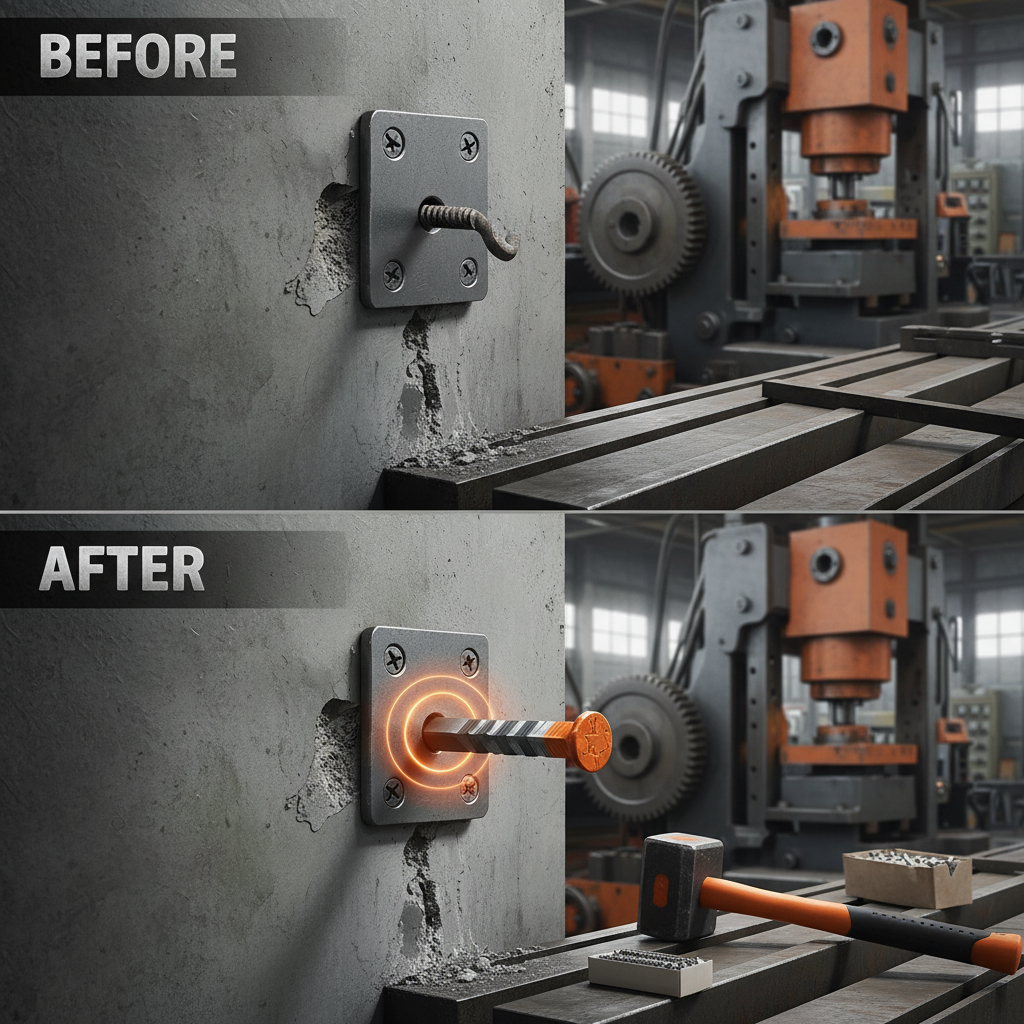
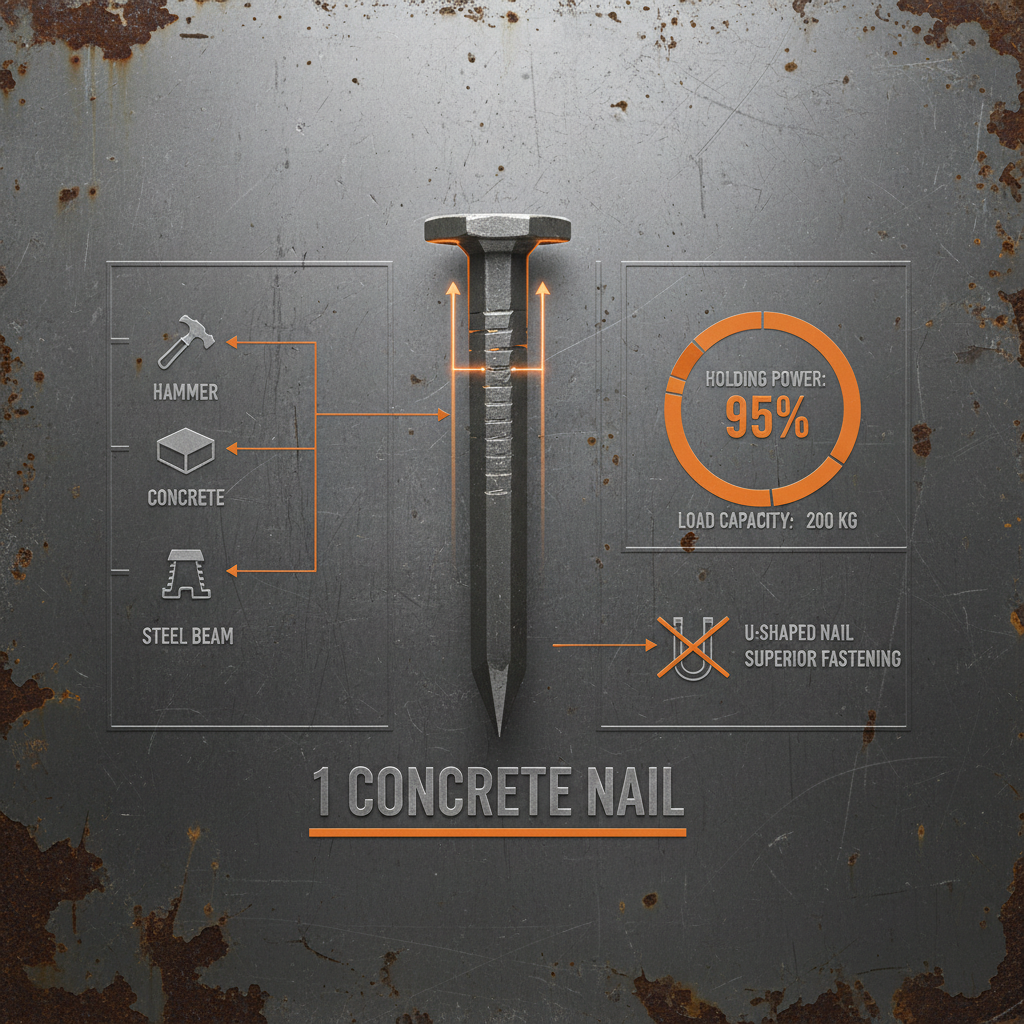
Unlike standard nails, 1 concrete nails are engineered with hardened steel and a specific tip designed to penetrate concrete without pre-drilling in many applications. Their robust construction allows them to withstand significant force and resist bending. These nails are often coated with a protective layer to prevent rust and corrosion, extending their lifespan and ensuring long-term holding power. The shank design also plays a crucial role, with some nails featuring rings or grooves to increase friction and secure the hold. When selecting nails from a provider like SXJ Staple, you can be confident in the quality and performance.
Key Highlights: Hardened steel construction, specialized tip for concrete penetration, protective coating against rust, and varied shank designs for increased hold.
Common Applications for 1 Concrete Nails
1 Concrete nails find use in a diverse range of projects. Some common applications include: fastening wood furring strips to concrete walls, securing insulation boards, attaching signage to concrete surfaces, and installing electrical boxes. They are particularly useful in renovations and repairs where minimizing damage to the existing concrete is important. They’re also used in framing and structural applications where a strong, reliable fastening method is needed. For those seeking a durable and efficient fastening solution, 1 concrete nails provide a viable option.
Application Benefits:
• Fastening wood to concrete.
• Securing insulation and signage.
• Installing electrical components.
• Renovations and repairs.
1 Concrete Nail vs. Concrete Screws: A Detailed Comparison
When choosing a fastener for concrete, it's important to understand the difference between nails and screws. Concrete screws offer greater holding power and are easier to remove, but they require pre-drilling, which adds time and effort to the project. 1 Concrete nails, while requiring more force to install, eliminate the need for pre-drilling in many scenarios, making them a faster and more convenient option for certain applications. The choice depends on the specific project requirements, load-bearing needs, and desired level of permanence.
Selecting the Right 1 Concrete Nail: Key Considerations
When purchasing 1 concrete nails, several factors should be taken into account. The length of the nail should be appropriate for the thickness of the material being fastened. The gauge (diameter) of the nail also influences its holding power – thicker nails offer greater strength. Ensure the nails are coated to prevent corrosion, especially if they will be used in damp environments. Finally, choose a reputable supplier, like SXJ Staple, to guarantee quality and consistency.
Safety Precautions When Using 1 Concrete Nails
Safety should always be a top priority when working with any fastening tools. Wear safety glasses to protect your eyes from flying debris. Use a hammer with a comfortable grip and swing with controlled force. Avoid hitting the nail at an angle, as this can cause it to bend or deflect. If the nail bends or becomes difficult to drive, stop and assess the situation. Never attempt to drive a nail into a concrete surface that appears cracked or unstable.
Conclusion: Choose Wisely for Secure Results
Selecting the right 1 concrete nail and understanding its proper application is crucial for any construction or DIY project. By considering the factors outlined in this guide, you can ensure a secure, long-lasting, and safe result. Explore the range of quality 1 concrete nails available at SXJ Staple to find the perfect fastener for your next project.
Frequently Asked Questions (FAQs)
Can 1 concrete nails be used in all types of concrete?
While 1 concrete nails are designed for use in concrete, their effectiveness can vary depending on the concrete's density and composition. Older, weathered concrete or concrete with a high aggregate content may be more difficult to penetrate. For particularly hard or dense concrete, pre-drilling may be necessary to ensure a secure hold. It's always recommended to test the nail in an inconspicuous area before proceeding with the full project. Different concrete mixes and ages will affect the ease of penetration and the ultimate holding strength.
What size 1 concrete nail should I use for a specific application?
The appropriate nail size depends on the thickness of the materials being fastened together. As a general rule, the nail should penetrate the concrete at least 1.5 to 2 inches for a secure hold. For thicker materials, a longer nail may be required. The gauge of the nail should also be considered – thicker nails provide greater holding power but require more force to install. Consult with a construction professional or refer to the manufacturer's recommendations for specific guidance.
How can I prevent 1 concrete nails from bending during installation?
Bending can occur if the nail is struck at an angle or if the concrete is particularly hard. Ensure you are hitting the nail squarely on the head with a hammer. If the nail starts to bend, stop and reposition it, or consider pre-drilling a pilot hole. Using a hammer with sufficient weight and a comfortable grip can also help to prevent bending. Additionally, choose high-quality nails from a reputable supplier, like SXJ Staple, which are manufactured to withstand significant force.
Are 1 concrete nails suitable for outdoor applications?
Yes, as long as the nails are coated with a protective layer to prevent rust and corrosion. Exposure to the elements can quickly degrade uncoated nails, reducing their holding power and compromising their integrity. Choose nails specifically designed for outdoor use, or apply a rust-inhibiting coating before installation. Regular inspection of outdoor installations is also recommended to ensure the nails remain in good condition.
-
Professional Guide to Using 2 inch concrete nails for ConstructionNewsApr.09,2026
-
Understanding the Strength and Versatility of 2 Concrete Nails for ProjectsNewsApr.07,2026
-
Understanding the Strength and Versatility of 2 1 2 Concrete Nails for ConstructionNewsApr.04,2026
-
Comprehensive Guide to Using 1 Inch Concrete Nails for Robust FasteningNewsMar.31,2026
-
A Comprehensive Guide to Using 1 2 Inch Concrete Nails for Masonry ProjectsNewsMar.26,2026