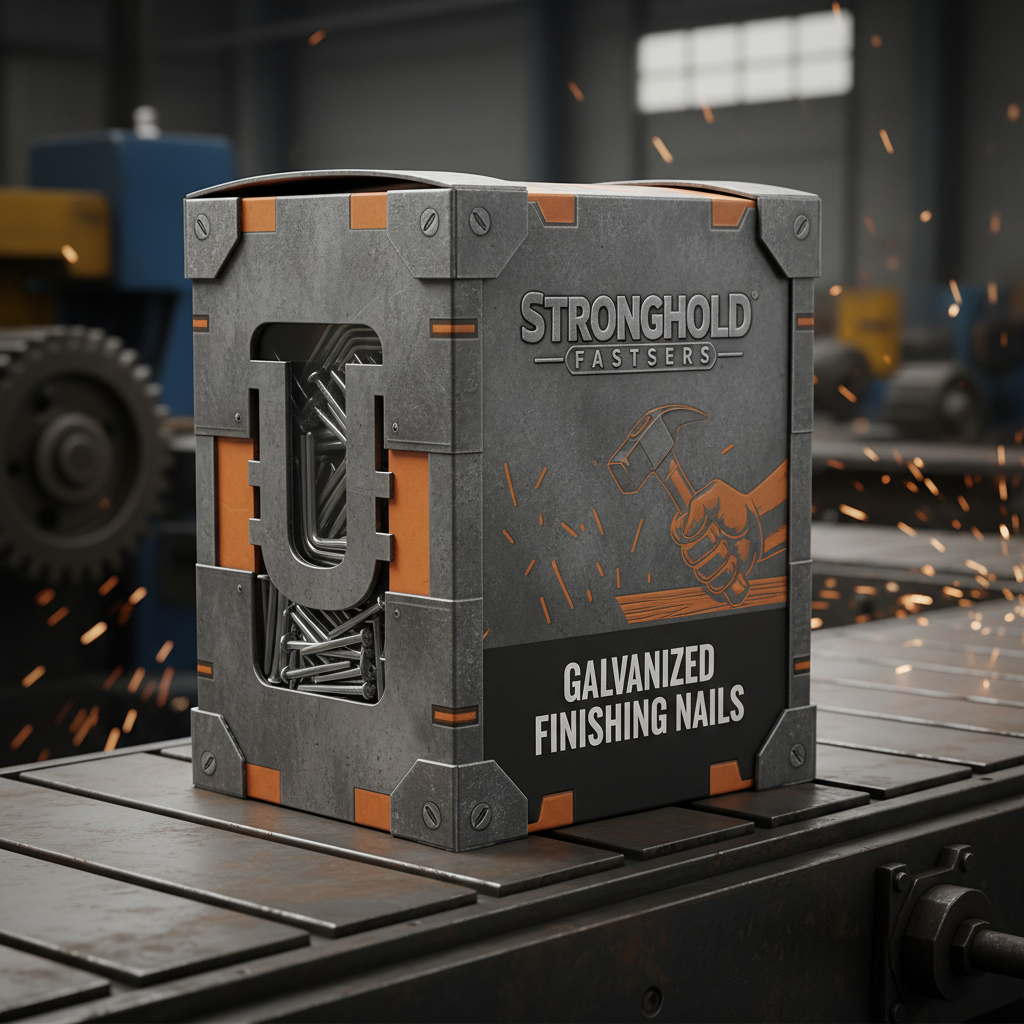
Finishing nails for baseboard trim are a cornerstone of interior carpentry, ensuring a clean and professional aesthetic in homes and buildings globally. They are specifically designed to minimize visibility while providing a secure hold, crucial for applications where aesthetic appeal is paramount. Understanding the nuances of these nails – their gauge, length, and head size – is essential for achieving a high-quality finish and avoiding damage to the wood. The proper selection and application of finishing nails significantly impact the longevity and visual appeal of baseboard installations.
The demand for quality finishing nails for baseboard trim is consistently high due to ongoing construction, renovation, and interior design projects worldwide. The global construction industry, valued at trillions of dollars, relies heavily on these fasteners. The increasing popularity of DIY home improvement projects further fuels the need for accessible and reliable finishing nails. Utilizing the correct nail type prevents unsightly splitting or damage, saving time and expense on repairs.
Beyond aesthetics, the proper use of finishing nails for baseboard trim contributes to structural integrity. While not load-bearing, they securely attach the trim, preventing movement and potential damage over time. This is particularly important in areas prone to temperature fluctuations or high humidity, where wood can expand and contract. Choosing the right finishing nail, combined with appropriate installation techniques, delivers a lasting and visually pleasing result.
The Importance of Finishing Nails for Baseboard Trim
Baseboard trim plays a vital role in defining a room's aesthetic and protecting walls from damage. The seemingly small detail of using the right finishing nails for baseboard trim can dramatically impact the overall quality of the installation. Improperly applied or incorrect nails can lead to visible imperfections, wood splitting, or a weakened hold, ultimately diminishing the appearance and longevity of the trim work.
The selection of finishing nails for baseboard trim isn't merely about choosing a small fastener; it's a decision that reflects a commitment to craftsmanship. A professional finish relies on minimizing the nail's visibility and ensuring a secure, long-lasting bond. This is why understanding the different types available, their strengths, and weaknesses is crucial for both DIY enthusiasts and professional carpenters alike.
Defining Finishing Nails for Baseboard Trim
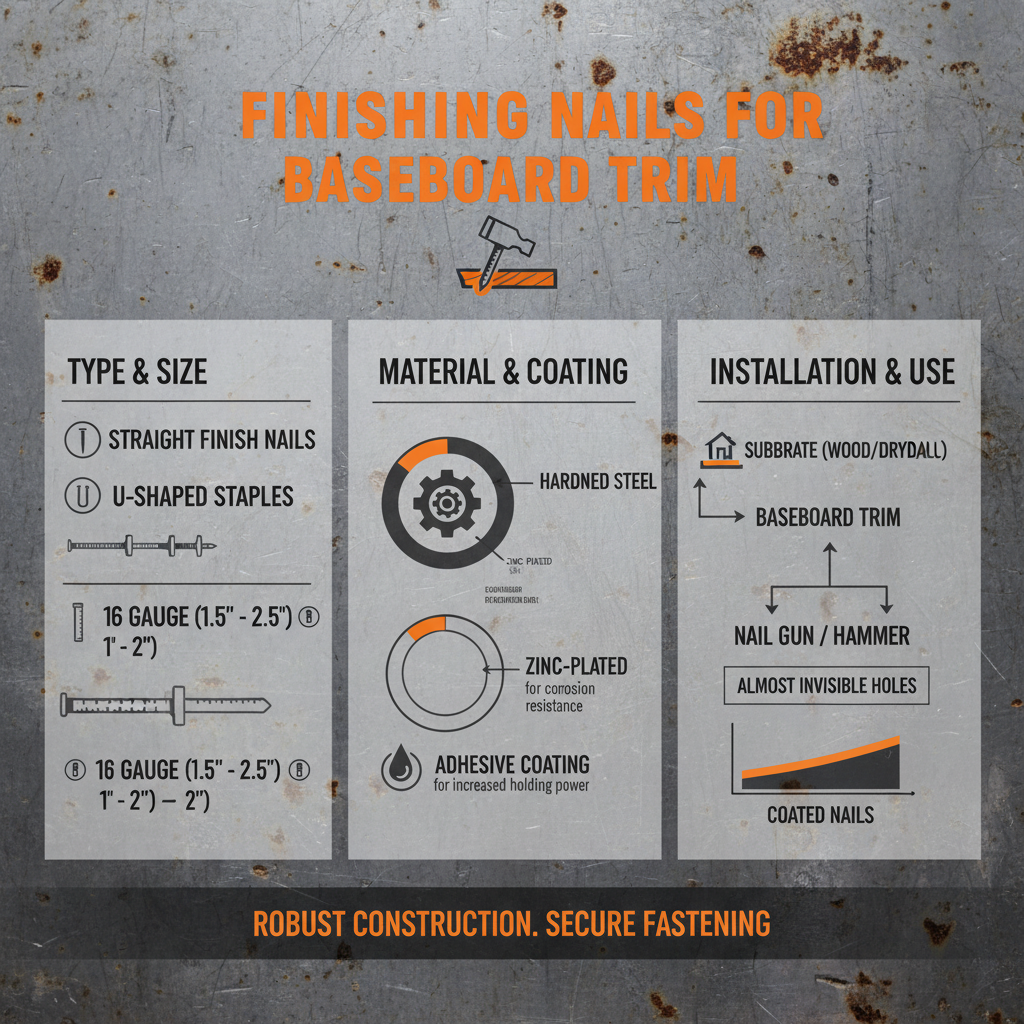
Finishing nails for baseboard trim are small, slender nails designed to be driven into wood with minimal surface disruption. Unlike common nails, finishing nails have a small head that can be easily set below the surface of the wood and filled, leaving a nearly invisible fastening solution. They are typically made of steel, often with a coating to resist corrosion, and are available in a range of gauges (thickness) and lengths.
The defining characteristic of finishing nails is their intended use – to provide a secure hold without being prominently visible. They are specifically chosen for projects where aesthetics are paramount, like installing baseboards, crown molding, and other decorative trim. They differ from brad nails, which are even smaller and require a nail gun for efficient installation, but offer less holding power.
In modern carpentry, finishing nails for baseboard trim are a fundamental component in achieving professional-looking results. They connect to the broader industry of woodworking, interior design, and construction, contributing to the overall value and appeal of residential and commercial spaces. They support the concept of “invisible joinery”, where the fasteners are hidden to accentuate the natural beauty of the wood.
Core Characteristics of Finishing Nails
Durability is a key characteristic of quality finishing nails for baseboard trim. Nails must withstand installation forces without bending or breaking, and resist corrosion over time. The type of steel used, along with any protective coating (such as zinc or polymer), plays a critical role in determining the nail’s longevity and resistance to environmental factors.
Gauge, which refers to the thickness of the nail, is another critical characteristic. A lower gauge number indicates a thicker nail, offering greater holding power but also a larger visible mark. Selecting the appropriate gauge depends on the hardness of the wood and the size of the trim being installed. For softer woods, a higher gauge (thinner nail) may suffice, while harder woods require a lower gauge.
Length is equally important. Nails should be long enough to penetrate the baseboard and securely anchor into the wall stud or framing behind it. A general rule of thumb is to have at least half of the nail's length embedded in the framing. Using nails that are too short will result in a weak hold, while nails that are too long may protrude through the wall.
Key Factors Influencing Nail Selection
The type of wood being used is a primary factor when selecting finishing nails for baseboard trim. Softer woods like pine require smaller gauge nails to prevent splitting, while harder woods like oak can accommodate larger gauges for increased holding power. The density and grain pattern of the wood also influence nail selection.
The thickness and weight of the baseboard trim itself also dictate the appropriate nail size and gauge. Heavier, thicker trim requires larger, more robust nails to provide adequate support. Conversely, lighter, thinner trim can be secured with smaller, less noticeable nails.
Finishing Nails for Baseboard Trim - Performance Metrics
Global Application of Finishing Nails
The use of finishing nails for baseboard trim is ubiquitous across the globe, found in residential and commercial construction projects in virtually every country. From new builds to renovations, these nails are a staple for carpenters and installers worldwide. Regional variations may exist in preferred nail types or installation techniques, but the fundamental principle remains the same: a discreet and secure fastening solution.
In North America and Europe, finishing nails are commonly used in conjunction with pneumatic nail guns for efficient installation. In developing countries, hand-nailing remains prevalent, demanding nails that are easily driven and less prone to bending. The demand is fueled by the continuous cycle of construction and remodeling, influenced by population growth, economic development, and changing design trends.
Advantages and Long-Term Value
The primary advantage of using finishing nails for baseboard trim is the aesthetic appeal. The ability to conceal the nail heads creates a clean, seamless look that enhances the overall appearance of the room. This is particularly important in high-end homes and commercial spaces where attention to detail is crucial.
Beyond aesthetics, properly installed finishing nails provide long-term structural integrity. While not designed to bear significant weight, they securely attach the trim, preventing it from loosening or shifting over time. This contributes to the durability and value of the property, reducing the need for frequent repairs or replacements. The use of corrosion-resistant coatings adds to the long-term value by preventing rust and staining.
Future Trends in Finishing Nail Technology
Innovation in finishing nail technology is focused on enhancing both installation efficiency and nail performance. Manufacturers are exploring new materials and coatings to improve corrosion resistance and increase holding power. The development of specialized nail heads designed for easier setting and filling is also underway.
Sustainable manufacturing practices are gaining prominence, with increasing demand for eco-friendly nails made from recycled materials or with lower environmental impact coatings. The integration of smart technology, such as nails with embedded sensors to monitor structural integrity, is a potential future development, although currently cost-prohibitive for most applications.
Addressing Common Challenges with Finishing Nails
A common challenge with finishing nails for baseboard trim is preventing wood splitting, especially with harder wood species. Using a nail set to countersink the nail head slightly below the surface, and pre-drilling small pilot holes, can mitigate this risk. Another challenge is bending or breaking nails during installation, which can be addressed by using higher-quality nails and ensuring proper nailing technique.
Another frequent issue is dealing with corrosion, particularly in humid environments. Choosing nails with galvanized or polymer coatings provides enhanced protection against rust and staining. Additionally, proper storage of nails in a dry environment helps to prevent corrosion before installation.
Finally, achieving a perfectly invisible finish requires careful filling and sanding of the nail holes. Using a wood filler that matches the color of the trim and sanding it smooth ensures a seamless and professional appearance. Proper preparation and attention to detail are essential for overcoming these challenges and achieving optimal results.
Comparison of Finishing Nail Performance
| Nail Material |
Coating Type |
Wood Hardness Suitability |
Installation Ease (1-10) |
| Carbon Steel |
Zinc Plating |
Softwoods (Pine, Fir) |
7 |
| Stainless Steel |
None |
All Wood Types |
6 |
| Carbon Steel |
Polymer Coating |
Hardwoods (Oak, Maple) |
8 |
| Alloy Steel |
Galvanized |
Softwoods & Moderate Hardwoods |
9 |
| Carbon Steel |
Brass Plating |
Decorative Trim (All Woods) |
5 |
| High-Carbon Steel |
Ceramic Coating |
Extremely Hardwoods (Brazilian Cherry) |
7 |
FAQS
For pine, a higher gauge (thinner) finishing nail is generally recommended, such as 18 or 19 gauge. Pine is a softwood and doesn't require a heavy-duty nail. Using a thinner nail minimizes the risk of splitting the wood and creates a less visible hole for filling. Ensure the nail length is sufficient to penetrate at least 1 inch into the wall stud for a secure hold.
Oak is a hardwood and prone to splitting. To prevent this, always use a lower gauge (thicker) finishing nail, like 16 or 17 gauge. Pre-drilling small pilot holes slightly smaller than the nail diameter is crucial. Use a nail set to countersink the nail head just below the surface without damaging the surrounding wood. Angle the nails slightly towards each other for increased holding power.
Both finishing nails and brad nails are small, head-setting nails, but brad nails are significantly thinner (usually 23 gauge) and require a pneumatic nail gun for installation. Finishing nails are thicker and can be driven with a hammer or a specialized finishing nailer. Brad nails offer less holding power, while finishing nails provide a more robust connection.
Use a wood filler that closely matches the color of your baseboard trim. Apply the filler to the nail hole with a putty knife, slightly overfilling it. Once dry, sand the filler smooth with fine-grit sandpaper (220 grit or higher) until flush with the surrounding wood. Prime the filled area before painting or staining.
Choose finishing nails with a corrosion-resistant coating, such as zinc plating, galvanized coating, or polymer coating. Store nails in a dry environment to prevent moisture buildup. Avoid using nails that have been exposed to humidity or moisture for extended periods. Stainless steel nails offer the highest level of rust resistance, but are generally more expensive.
For ¾ inch thick baseboard trim, a finishing nail length of 2 to 2 ½ inches is generally recommended. This ensures that at least 1 inch to 1 ½ inches of the nail penetrates into the wall stud or framing behind the baseboard. Proper penetration is crucial for a secure and lasting hold. Always consider the thickness of the baseboard when selecting nail length.
Conclusion
In conclusion, selecting and applying the correct finishing nails for baseboard trim is a fundamental aspect of quality carpentry. From understanding the nuances of gauge and length to choosing appropriate materials and coatings, careful consideration of these factors ensures a visually appealing, structurally sound, and long-lasting installation. Prioritizing the right tools, techniques, and materials elevate the final result from simply functional to truly professional.
As technology advances, we can anticipate further innovations in finishing nail technology, offering even greater efficiency, durability, and sustainability. By embracing these advancements and adhering to best practices, carpenters and DIY enthusiasts can continue to achieve exceptional results. For a wide selection of high-quality finishing nails for baseboard trim and all your fastening needs, visit our website: finishing nails for baseboard trim.