

The construction sector in Laos is currently experiencing a transition from traditional artisanal woodworking to standardized industrial framing. Due to the high humidity and seasonal monsoon rains characteristic of the region, standard carbon steel fasteners often suffer from rapid oxidation, creating an urgent demand for stainless trim nails that can withstand corrosive environments without staining the wood.
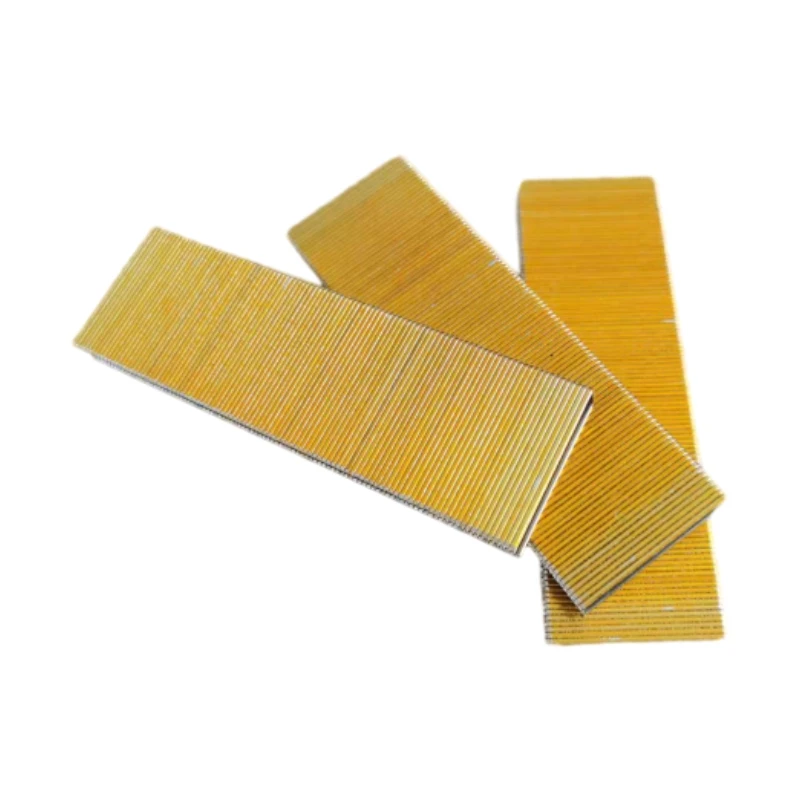
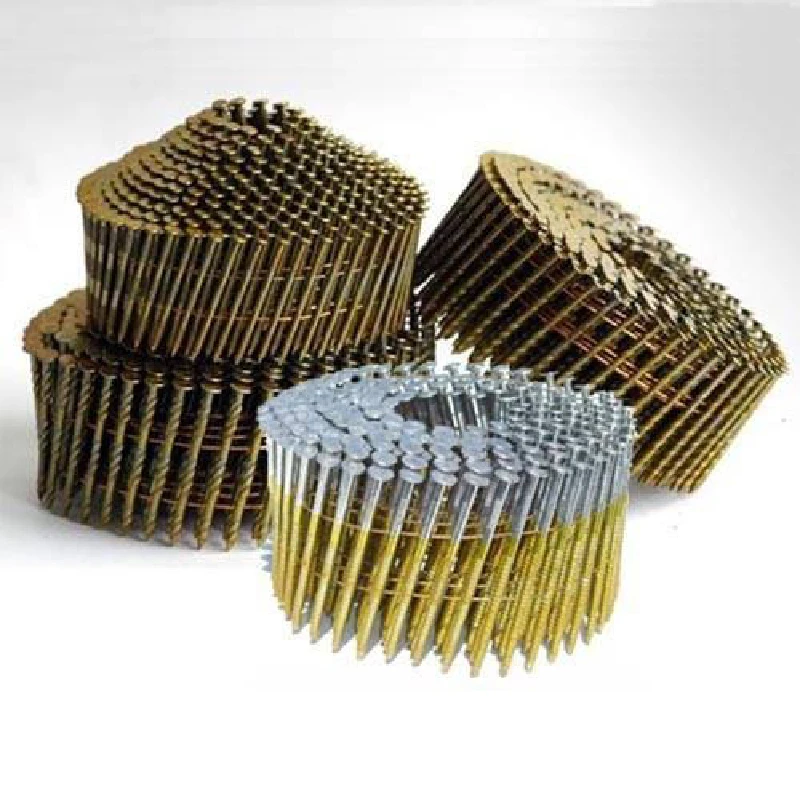
In urban centers like Vientiane and Luang Prabang, the rise of luxury boutique hotels and modern residential complexes has increased the adoption of pneumatic fastening tools. This shift has moved the market toward angled nails, which allow craftsmen to work in tight corners and intricate molding joints common in traditional Lao architectural motifs.
Furthermore, the local supply chain is evolving to prioritize "invisible" fastening. The preference for finish nails for baseboard has surged as high-end interior designers seek seamless transitions in flooring and wall cladding, moving away from bulky screws toward discrete, high-holding-power nail systems.