Talk With Us

+86-13601661296

Email Address

admin@sxjbradnail.com

Premium stainless trim nails Solutions for Japan's Precision Architecture

Integrating high-grade metallurgy with Japanese architectural standards to provide the ultimate fastening stability for luxury interiors.

Premium stainless trim nails Solutions for Japan's Precision Architecture

Engineering superior fastening components specifically designed for the rigorous quality demands of the Japanese construction and cabinetry markets.

Fastener Dynamics in the Japan Market

Analyzing the intersection of humidity, seismic requirements, and aesthetic precision in Japanese fastening.

In Japan, the construction industry is characterized by an obsession with "monozukuri" (the art of making things). The high humidity levels and coastal salt air in regions like Osaka and Tokyo demand the use of stainless trim nails to prevent oxidation and unsightly rust streaks on high-end wooden finishes.

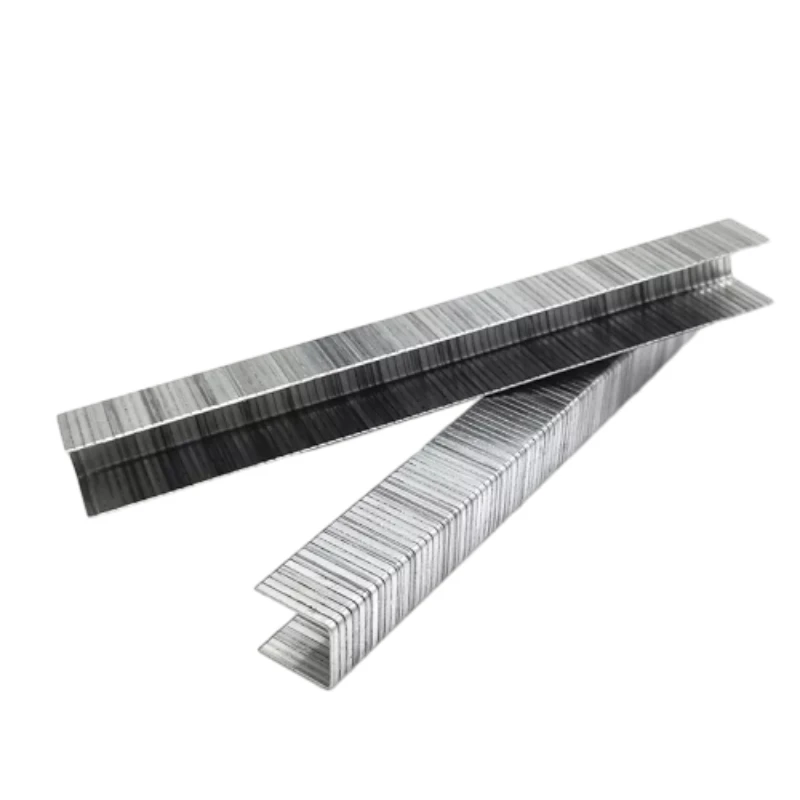
The prevailing architectural style emphasizes seamless joints and hidden fasteners. Consequently, the demand for angled finish nails has surged, allowing carpenters to work in tight corners typical of traditional Japanese modular room layouts (Washitsu) without compromising the integrity of the wood.

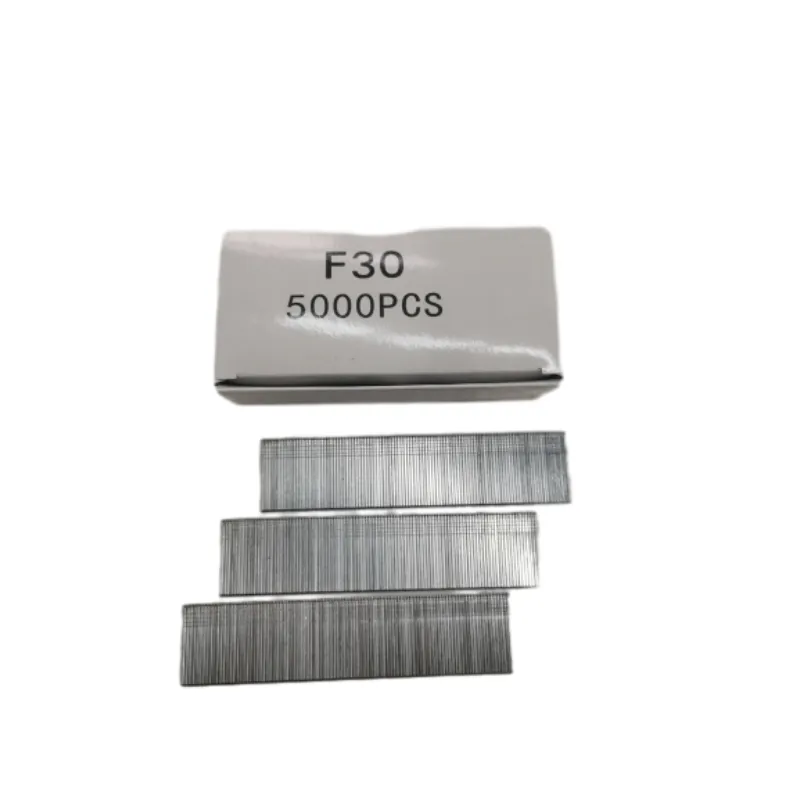
Furthermore, the rigorous seismic standards in Japan necessitate fasteners that provide consistent holding power without splitting the timber. The precision of f nails has become a benchmark for efficiency in rapid assembly while maintaining the structural tolerances required by local building codes.
Evolution of Fastening Technology in Japan

From traditional joinery to high-velocity pneumatic precision.

Market Development History

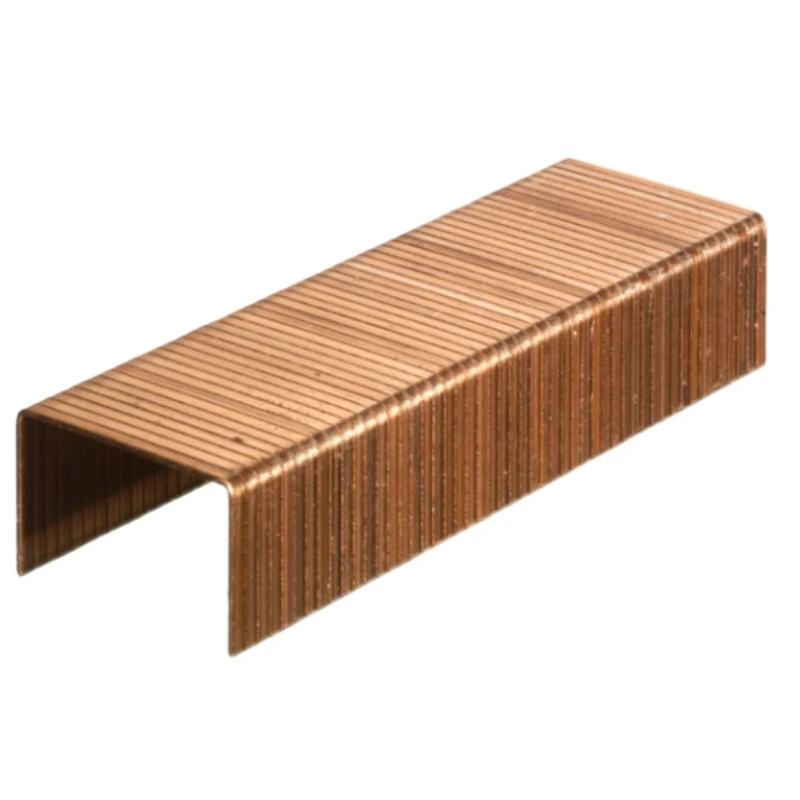
Historically, Japanese woodworking relied on complex interlocking joints. However, by the 1970s, the introduction of pneumatic tooling shifted the market toward specialized fasteners. Early adoption focused on basic steel nails, which often failed in humid environments.

Between 1990 and 2010, the industry evolved toward "invisible fastening." This era saw the mass adoption of angled nails, reducing the need for pre-drilling and significantly speeding up the installation of interior moldings and cabinetry.

In the last decade, the focus has shifted toward material science. The transition to high-grade stainless steel and the optimization of the "F" series profile have allowed for a perfect balance between penetration force and head concealment.

Future Development Trends

Nano-Coating Integration

We expect a shift toward nano-ceramic coatings on finish nails for baseboard to further reduce friction and eliminate wood splitting in dense hardwoods like Japanese Cypress (Hinoki).

Smart-Tool Synchronization

The integration of IoT-enabled nail guns will allow for precise depth control, ensuring that every nail is countersunk to a micron-level accuracy, matching Japan's luxury aesthetic.

Eco-Friendly Metallurgy

A move toward carbon-neutral steel production will become mandatory, with a focus on recycled high-strength alloys that maintain the corrosion resistance of traditional stainless steel.

Industry Trends and Future Outlook

Mapping the trajectory of metal fastening in the Asia-Pacific region.

Precision Engineering
Moving toward zero-tolerance manufacturing to meet the extreme accuracy requirements of Japanese interior designers.
Material Longevity
Increased adoption of 304 and 316 stainless alloys to combat coastal corrosion in Japanese archipelago cities.
Automation Shift
Integrating robotic fastening systems for large-scale prefabricated housing projects (Pre-cut).
Sustainability
Implementing closed-loop recycling for metal scrap in the production of professional-grade nails.

Industry Outlook

Based on Google Search trends in the Asia-Pacific region, there is a growing query volume for "high-precision" and "corrosion-resistant" fasteners. This indicates a market pivot from quantity to quality, where the value is placed on the longevity of the installation rather than the initial cost.

For the Japan market, the future lies in the synergy between traditional carpentry and advanced metallurgy. Companies that can provide fasteners that respect the organic nature of wood while offering industrial-strength reliability will dominate the high-end residential sector.

Local Application Scenarios in Japan

Practical implementations of high-performance fasteners in diverse Japanese environments.

01. Luxury Ryokan Interior Trim

Using stainless trim nails for the installation of cedar panels in traditional inns, ensuring no rust stains appear during the humid rainy season (Tsuyu).

02. Compact Urban Cabinetry

Applying angled finish nails in Tokyo's micro-apartments where space is limited, allowing for precise fastening in narrow 15cm gaps.

03. Modern Baseboard Installation

Deploying specialized finish nails for baseboard in contemporary minimalist homes to achieve a seamless transition between hardwood floors and white walls.

04. Prefabricated Housing Frameworks

Utilizing high-velocity f nails in the rapid assembly of pre-cut timber frames, ensuring structural consistency across thousand-unit developments.

05. Coastal Villa Decking

Implementing high-grade stainless steel angled nails for outdoor decking in Okinawa, where salt-spray resistance is critical for safety and aesthetics.

Brand Story

Global Development Journey of Baoding Yongwei Changsheng Metal Products Co., Ltd.

Foundational Excellence

Established with a vision to solve the core pain point of fastener fragility, we began by perfecting the metallurgy of high-carbon steel.

Precision Expansion

We invested in advanced cold-heading technology to produce fasteners with micron-level accuracy, catering to the luxury furniture market.

Global Quality Standards

By achieving international certifications, we bridged the gap between industrial production and the artisan requirements of the Japanese market.

Innovation in Stainless Steel

We pioneered a proprietary treatment for stainless alloys, significantly increasing the shear strength of slim-profile nails.

Sustainable Future

Today, we focus on green manufacturing, ensuring our growth contributes to a more sustainable global construction ecosystem.

Common Fastening Questions in Japan

Expert answers to the most frequent technical queries from Japanese contractors.

Why use stainless trim nails in coastal Japanese cities?

Coastal areas experience high salinity, which causes carbon steel to corrode rapidly. Stainless steel provides a protective chromium oxide layer that prevents rust streaks on expensive exterior wood.

How do angled finish nails improve efficiency in small spaces?

Angled nails allow the nail gun to be held at a lower profile, enabling the operator to drive fasteners into tight corners or under cabinets without needing to tilt the tool excessively.

What is the primary advantage of f nails for interior work?

F-series nails offer a slim diameter that minimizes the entry hole, making them nearly invisible after a light sanding and filling, which is essential for Japanese minimalism.

Which are the best finish nails for baseboard installation in hardwoods?

We recommend high-tensile stainless steel finish nails with a polished shank, as they reduce friction and prevent the splitting of dense hardwoods like Oak or Hinoki.

Do angled nails provide the same holding power as straight nails?

Yes, when used with the correct pneumatic equipment, angled nails provide identical withdrawal resistance and shear strength, provided the angle is consistent with the tool's design.

How to prevent "nail popping" in humid Japanese climates?

Using high-grade stainless steel avoids corrosion-induced expansion, and selecting the correct length ensures the nail reaches the structural stud, preventing movement during seasonal humidity shifts.

Get Expert Fastening Advice

Our technical team is ready to help you select the perfect fastener for your next project in Japan.

Contact Us Now

If you are interested in our products, you can choose to leave your information here, and we will be in touch with you shortly.


Baoding Yongweichangsheng Metal Produce Co., Ltd.