Talk With Us

+86-13601661296

Email Address

admin@sxjbradnail.com

Premium stainless trim nails Solutions for Brazil

High-precision fastening technology engineered for the Brazilian construction and woodworking market, ensuring durability in tropical climates.

The Fastening Landscape in Brazil

Analyzing the impact of humidity and architectural trends on fastener selection.

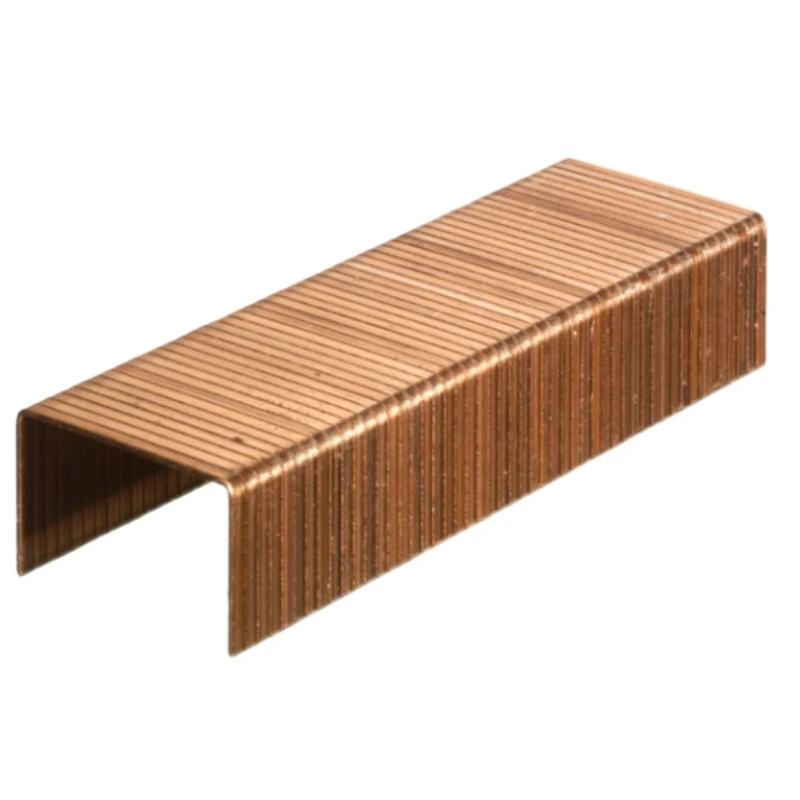
Brazil's vast geography and tropical climate pose significant challenges for metal fasteners. High humidity levels in coastal regions like Rio de Janeiro and São Paulo accelerate oxidation, making the demand for stainless trim nails essential for preventing rust streaks in luxury wood finishes.

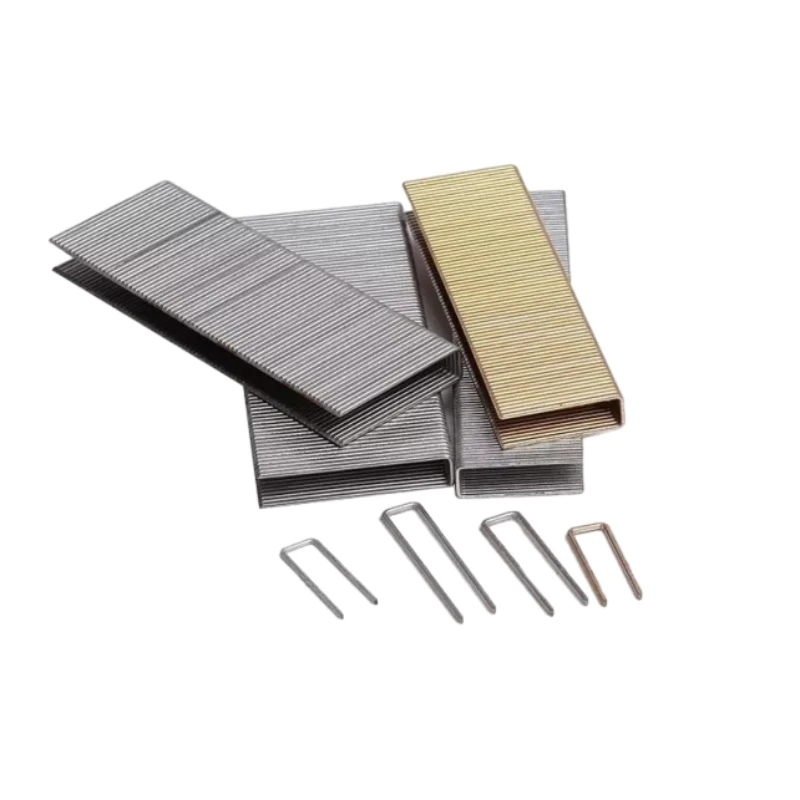
The local furniture and construction industry is currently transitioning from traditional manual hammering to pneumatic efficiency. The adoption of angled nails has revolutionized how Brazilian craftsmen handle tight corners in cabinetry, reducing material waste and installation time.

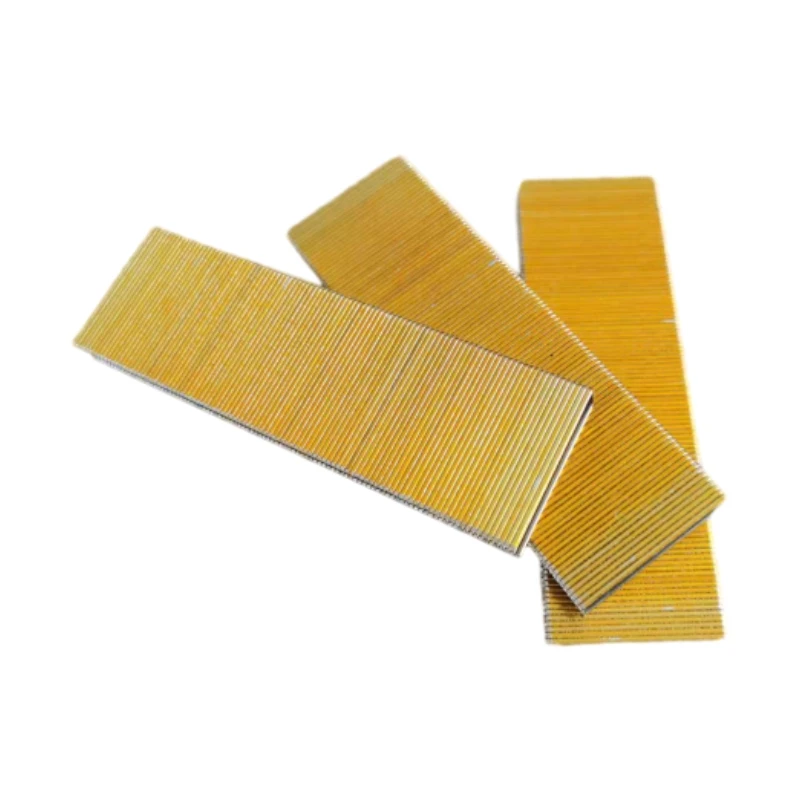
Economic fluctuations in the South American region have driven a shift toward cost-effective yet high-performance options. This has led to a surge in the use of standardized f nails, which offer a universal fit for various pneumatic tools used in large-scale residential projects.
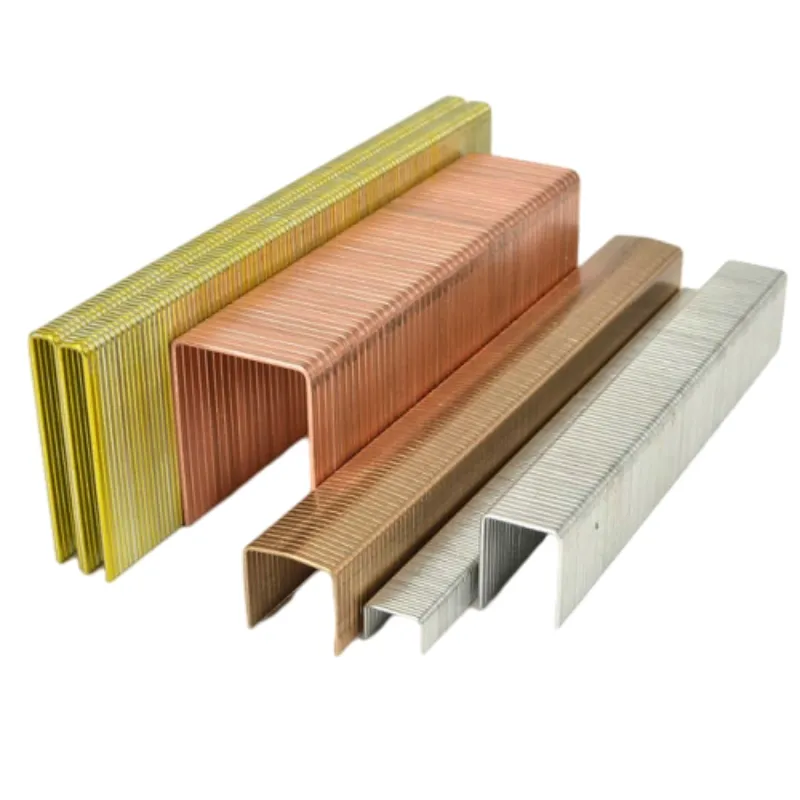
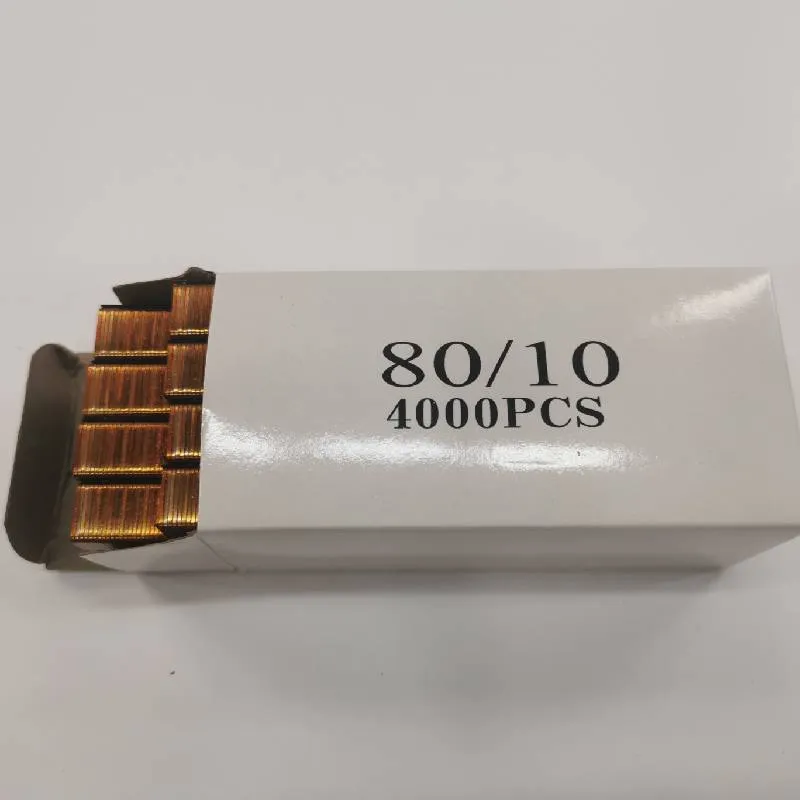
Evolution of Fastening Technology

From rudimentary nails to precision-engineered pneumatic fasteners.

Market Development History

Prior to the 1990s, the Brazilian market relied heavily on manually driven steel nails. However, as the industrialization of furniture manufacturing grew, the need for speed led to the introduction of basic coil nails and early pneumatic systems.

Between 2000 and 2015, there was a technical pivot toward specialty fasteners. The introduction of angled finish nails allowed for seamless installation in narrow frames, aligning with the rise of modern apartment architecture in Brazilian urban centers.

Recently, the focus has shifted toward material science. The integration of high-grade stainless steel and galvanized coatings has become the standard for finish nails for baseboard to combat the aggressive moisture levels typical of the region.

Future Development Trends

Smart Material Integration

We anticipate a rise in nano-coated fasteners that provide superior lubricity for faster driving and zero-residue finishes.

Eco-Friendly Manufacturing

Following global trends, the Brazilian market will shift toward fasteners produced via low-carbon smelting and recyclable packaging.

Precision Tool Synergy

The alignment between nail geometry and high-speed pneumatic nailers will further optimize the efficiency of angled nails in modular construction.

Industry Trends and Future Outlook

Predicting the next 5 years of the fastening industry in South America.

Corrosion Resistance
Increasing shift toward 304 and 316 grade stainless steel to handle Brazil's humid coastal air.
Pneumatic Optimization
Development of fasteners with tighter tolerances to reduce jam rates in high-speed nailers.
Modular Construction
Rapid growth in prefabricated homes requiring standardized, high-strength fasteners.
Digital Procurement
Shift toward B2B e-commerce for precise specifications and just-in-time delivery.

Industry Outlook

Based on Google search trends in the region, there is an increasing volume of queries regarding "sustainable building materials" and "professional woodworking tools." This indicates a maturing market where quality and environmental impact are outweighing basic cost considerations.

We expect the Brazilian fastening market to integrate more deeply with automated assembly lines, where the consistency of nail dimensions will be critical to avoid machine downtime, pushing manufacturers toward higher ISO quality standards.

Localized Application Scenarios in Brazil

Practical uses of our fasteners in Brazil's unique architectural and industrial environment.

1. Luxury Coastline Villa Trim

Using stainless trim nails for external wooden cladding and window frames in beachfront properties to prevent saltwater corrosion.

2. São Paulo High-Rise Cabinetry

Application of angled finish nails in tight urban apartments where precision installation in confined spaces is mandatory for high-end built-in wardrobes.

3. Industrial Furniture Mass Production

Implementation of f nails in automated production lines for the rapid assembly of affordable home office furniture.

4. Traditional Brazilian Hardwood Flooring

Utilizing finish nails for baseboard when installing heavy tropical hardwood trims, ensuring a flush finish without splitting the wood.

5. Boutique Hotel Interior Design

Employing angled nails for intricate wall paneling and decorative molding in luxury hospitality projects across the Northeast region.

Brand Story

Global Development Journey of Baoding Yongwei Changsheng Metal Products Co., Ltd.

Foundation of Precision

Started with a commitment to metallurgy, focusing on the core stability and precision of industrial fasteners to solve common failure points in construction.

Technological Iteration

Invested in advanced cold-heading and heat-treatment technology to ensure every nail meets rigorous international strength standards.

Global Market Expansion

Expanded operations to South America, tailoring product specifications to meet the unique climatic challenges of the Brazilian market.

Quality Certification

Achieved comprehensive ISO certifications, ensuring that our fasteners are compatible with the world's leading pneumatic tool brands.

Sustainable Future

Now leading the way in green manufacturing, reducing the carbon footprint of fastener production without compromising on structural integrity.

Brazil Market FAQ

Expert answers to common questions regarding fastener selection in Brazil.

Which are the best stainless trim nails for coastal areas in Brazil?

For high-salinity coastal environments, we recommend Grade 316 stainless steel trim nails, as they provide superior resistance to chloride-induced pitting compared to Grade 304.

How do angled nails improve efficiency in Brazilian cabinetry?

Angled nails allow the nail gun to be held at a distance from the work surface, enabling fasteners to be driven into tight corners where a straight nailer cannot reach.

Are f nails compatible with standard pneumatic tools in South America?

Yes, our f nails are manufactured to global standard dimensions, ensuring seamless compatibility with most professional pneumatic finish nailers used across Brazil.

What size finish nails for baseboard are most common for Brazilian hardwoods?

Depending on the baseboard thickness, we typically recommend 1.6mm to 2.3mm gauge nails to ensure maximum hold without splitting the dense grain of tropical hardwoods.

Can angled finish nails be used for heavy-duty structural work?

No, angled finish nails are designed specifically for trim, molding, and aesthetic finishes. For structural framing, heavy-duty coil nails or screws should be used.

How to prevent nail head sinking in soft Brazilian pine?

Adjust the depth setting on your pneumatic nailer. Our precision-headed nails are designed to sit just below the surface for easy filling and sanding.

Get Expert Fastening Advice

Contact our technical team to find the perfect fastening solution for your project in Brazil.

Contact Us Now

If you are interested in our products, you can choose to leave your information here, and we will be in touch with you shortly.


Baoding Yongweichangsheng Metal Produce Co., Ltd.