
Talk With Us

+86-13601661296

Email Address

admin@sxjbradnail.com

High-Precision Stainless Trim Nails for Irish Architecture

Engineered for the humid Atlantic climate, providing superior corrosion resistance and seamless finishing for Ireland's premium interior and exterior woodworking.

Fastening Standards in Ireland's Damp Climate

Addressing the challenge of moisture-induced corrosion in Irish residential and commercial projects.

Ireland's geographic position leads to consistently high humidity and salt-laden air, especially in coastal regions like Galway and Cork. This environment creates a critical need for stainless trim nails that can withstand oxidation without leaving unsightly rust streaks on high-end timber finishes.

The Irish construction sector is currently seeing a surge in heritage restoration and modern eco-homes. These projects require specialized angled nails to ensure tight joints in narrow spaces, reducing the risk of water ingress and structural warping over time.

Furthermore, the demand for f nails has grown as contractors seek efficiency in high-volume installations. The local market is shifting away from generic fasteners toward precision-engineered tools that minimize material splitting in native softwoods.
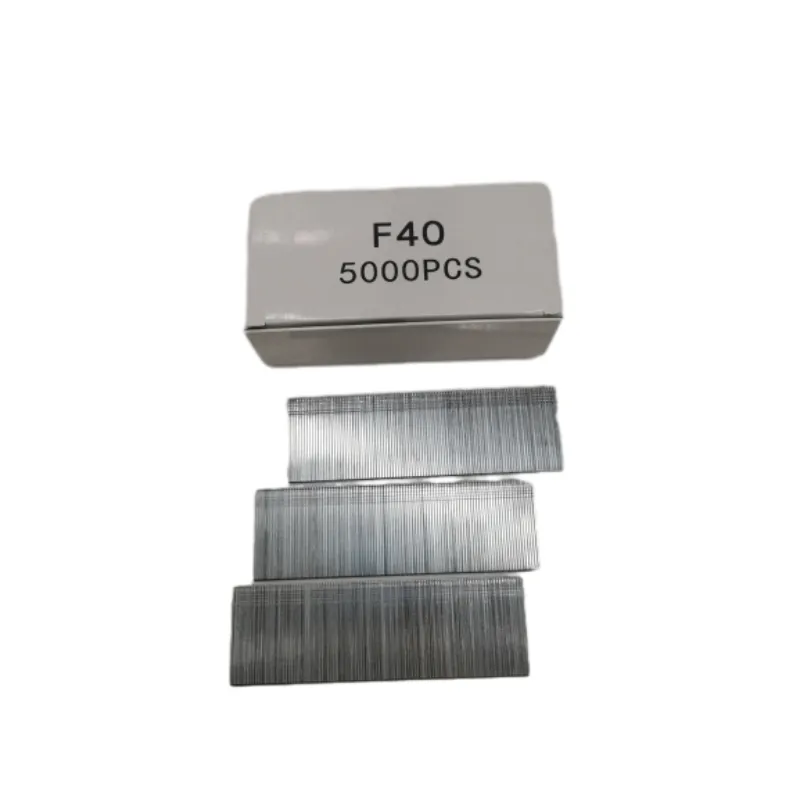
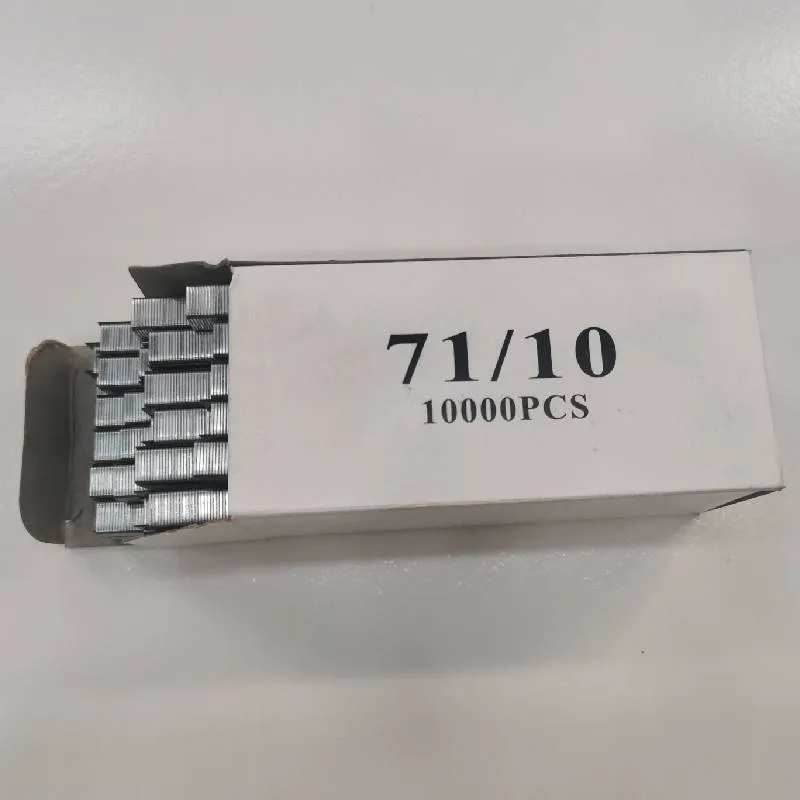
Evolution of Fastening Technology in Ireland

From traditional hand-driven nails to advanced pneumatic precision.

Market Development History

In the mid-20th century, the Irish market relied heavily on galvanized steel fasteners. While functional, these often failed in coastal environments, leading to the widespread adoption of stainless alloys by the 1990s for premium trim work.

Between 2000 and 2015, the introduction of pneumatic nailers revolutionized the industry. The shift to angled finish nails allowed carpenters to work in tighter corners of traditional Irish cottages, significantly increasing installation speed.

Since 2018, the focus has moved toward "invisible" fastening. The optimization of finish nails for baseboard applications has become standard, ensuring that the structural integrity of the molding is maintained without compromising the visual aesthetic.

Future Development Trends

Smart Material Alloys

Research is shifting toward nano-coated stainless steels that offer even higher salt-spray resistance, specifically for Ireland's western seaboard.

Precision-Angle Optimization

Next-generation angled nails will likely feature variable head geometry to further reduce wood compression and surface indentation.

Sustainable Manufacturing

A move toward carbon-neutral production processes is expected, aligning with Ireland's strict EU environmental regulations for construction materials.

Industry Trends and Future Outlook

Analyzing the shift toward high-efficiency, low-impact fastening systems.

Climate-Adaptive Coatings
Developing fasteners that react to humidity changes to prevent wood splitting in Irish winters.
Zero-Gap Engineering
Enhancing the precision of nail heads for truly invisible finishes in high-end cabinetry.
Eco-Fastening Logic
Reducing raw material waste through precision-cut lengths tailored to specific Irish building standards.
Pneumatic Integration
Improving compatibility between fastener geometry and the latest generation of cordless nailers.

Industry Outlook

Google Search trends indicate a rising interest in "sustainable home renovation" across the EU. In Ireland, this translates to a demand for fasteners that allow for the easy disassembly and reuse of high-value timber, pushing the industry toward higher-quality, non-destructive fasteners.

We anticipate that the convergence of BIM (Building Information Modeling) and procurement will lead to more precise nail orders, where exact lengths and materials are specified per room, reducing on-site waste and improving structural efficiency.

Localized Application Scenarios in Ireland

Practical deployments of our fasteners in real-world Irish construction projects.

01. Coastal Home Interior Trim

Using stainless trim nails for crown molding and door casings in seaside villas in Kerry to prevent salt-air oxidation.

02. Heritage Cottage Restoration

Applying angled finish nails for securing narrow floorboards and wall panels in historic Dublin properties where space is limited.

03. Modern Apartment Baseboarding

Utilizing finish nails for baseboard installation in high-density residential developments in Cork, ensuring seamless transitions.

04. Custom Cabinetry for Gastropubs

Implementing high-strength f nails in the construction of heavy-duty bar counters and shelving units common in Irish hospitality venues.

05. External Decking and Fascia

Deploying corrosion-resistant angled nails for external cladding and fascia boards to ensure stability against strong Atlantic winds.

Brand Story

Global Development Process of Baoding Yongwei Changsheng Metal Products Co., Ltd.

Industrial Foundation

Established with a focus on metallurgical excellence, we began by solving the core problem of fastener fatigue in industrial metalwork.

Precision Engineering Shift

We transitioned to specialized nail production, investing in high-precision dies to eliminate head-distortion during high-speed manufacturing.

Material Innovation

Developing proprietary stainless steel blends that offer superior corrosion resistance for the most demanding European climates.

Global Market Expansion

Expanding our footprint into the EU market, specifically tailoring product lines for the Irish and British construction sectors.

Sustainability Leadership

Integrating green manufacturing practices to ensure our fasteners contribute to a more sustainable built environment worldwide.

Common Fastening Questions in Ireland

Expert answers to technical queries regarding trim and finish nails.

Why should I use stainless trim nails in coastal Ireland?

The high salt content in coastal air accelerates the corrosion of galvanized steel. Stainless steel prevents rust bleeding, which otherwise ruins the aesthetic of white or light-colored timber trims.

What are the advantages of angled finish nails for tight corners?

Angled nails allow the nail gun to be held at a distance from the work surface, enabling installation in narrow gaps where a straight nailer cannot fit, common in traditional Irish cabinetry.

Which finish nails for baseboard are best for hardwood?

For Irish hardwoods like Oak, we recommend thin-gauge, high-tensile stainless nails that penetrate without splitting the grain, ensuring a flush finish.

How do f nails differ from standard finish nails?

F-nails are specifically designed for pneumatic nailers, offering a smaller head and shank diameter for minimal surface disruption while maintaining high pull-out resistance.

Are angled nails compatible with all pneumatic nailers?

Compatibility depends on the angle (e.g., 15° or 21°). Our products are manufactured to international standards to ensure seamless integration with major tool brands used in Ireland.

How to prevent nail heads from leaving marks on soft pine?

Using high-precision stainless trim nails with a polished finish reduces friction, allowing the nail to sink deeper and cleaner into the wood without crushing the fibers.

Get Professional Fastening Advice

Contact our engineering team to find the perfect fastening solution for your project in Ireland.

Contact Us Now

If you are interested in our products, you can choose to leave your information here, and we will be in touch with you shortly.


Baoding Yongweichangsheng Metal Produce Co., Ltd.